
August 31, 2026
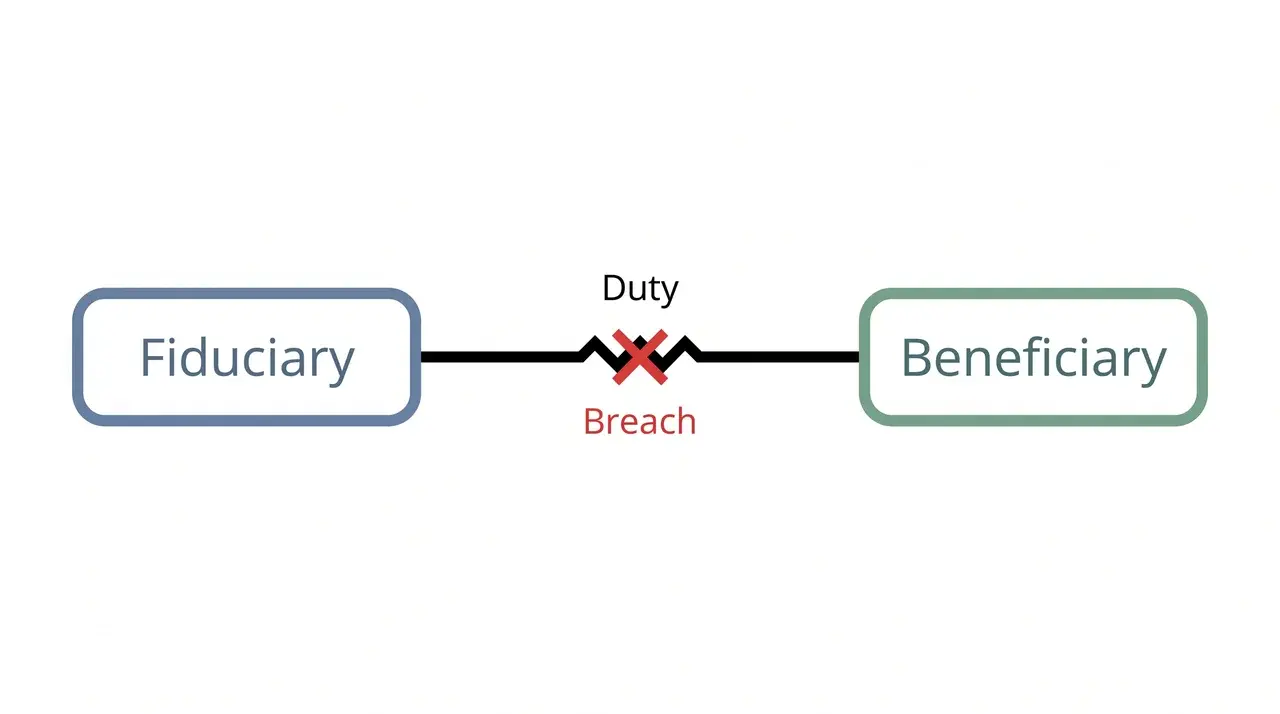
A trustee moves money without telling anyone. A director votes on a deal that quietly benefits their own company. Both can end the same way: a breach of fiduciary duty claim but not every bad decision qualifies, and not every claim holds up once it reaches a courtroom. Proving one takes more than showing someone acted badly. It takes specific elements, in a specific order, each one resting on the last. Today, I’ll tell you what actually has to be true for a claim to work. You’ll see what courts genuinely let fiduciaries get away with, and what happens once a breach is proven. What Constitutes a Breach of Fiduciary Duty A breach of fiduciary duty happens when someone in a position of trust fails to act in your best interest. This can be a trustee, a corporate director, or a financial advisor. The failure can come from something they did, or something they didn’t do. Lawyers call these two paths affirmative and omission. An affirmative breach is a direct action, like moving trust funds into a personal account. An omission is a failure to act, like a director sitting on information the board needed to make a sound decision. Here’s the part people miss: Feeling like someone let you down isn’t enough on its own. The relationship has to count as fiduciary in the eyes of the law first. If that relationship isn’t there, there’s no duty to breach. It doesn’t matter how unfair the situation felt to you. Elements of Breach of Fiduciary Duty Winning a breach of fiduciary duty claim takes more than showing something went wrong. You need to prove four separate elements, and all four have to hold up together. Miss one, and the whole claim falls apart. Here’s what each element actually requires: 1. […]
Waiting on a criminal case is its own kind of stress. You want something concrete to hold onto. That’s usually
Some legal phrases sound simple until you stop and ask what they really mean. What is the supreme law of
A car accident throws a lot at you at once. Medical bills, a damaged car, calls from two different insurance
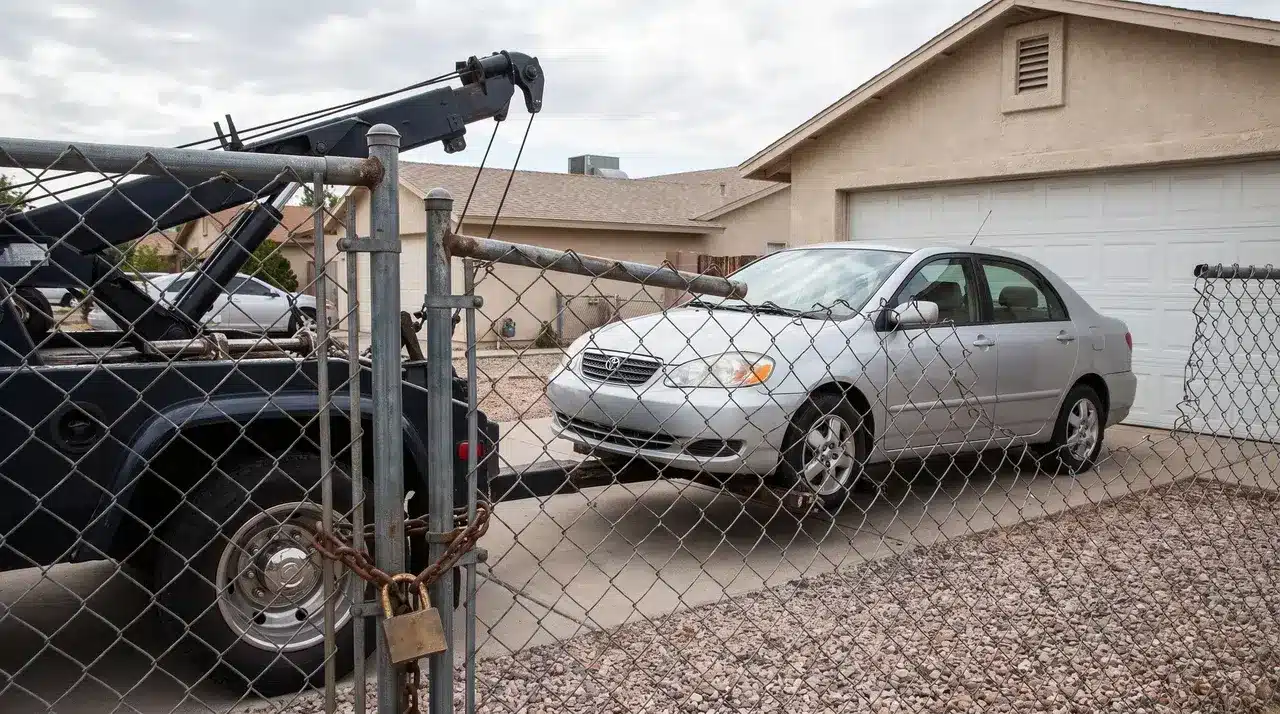
A car repossession loophole isn’t a secret trick that lets you keep your vehicle for free. It involves mistakes your lender or repo agent makes. I have seen how small details can change your options after a repo. A locked garage entry or accepted late payments may create legal issues. You need to check the rules before assuming you have no choices left. These violations can help you challenge the process or gain more leverage. I will explain what counts as a violation and how to prove it. You will also learn the next steps after repossession and what matters. What Are the Signs Your Car Repossession Broke the Law? A few specific details about how your car was taken can point to a real legal problem. If any of these sound familiar, it’s worth digging deeper. Start with where the car actually was. If it was behind a locked gate, inside a closed garage, or the agent had to cut a chain to get it, that’s a red flag. Repo agents can pull a car from your driveway or the street. They can’t break into a secured space to do it. Next, think about how the agent acted. Did they push past you, block your car in so you couldn’t leave, or keep going after you told them to stop? Any of that crosses a line. Payment history matters too. If your lender let late payments slide for months, then repossessed without any warning that the policy had changed, that pattern can work in your favor. Last, check the numbers. Repos sometimes happen because of a lender’s mistake, not an actual missed payment. A misapplied payment or a miscounted grace period can trigger a repo that never should have happened. What Legal Violations Turn Into Real Car Repossession Loopholes? […]

How long does a felony stay on your record? For most people, the record itself never fully disappears, and it can keep affecting jobs, housing, licenses, and other opportunities for years after a sentence ends. I know the different timelines can feel confusing, especially when seven years is often mentioned as if it applies to every record. The truth depends on where the conviction occurred, how the case ended, and whether any record-clearing option is available. Here, I’ll explain how long a felony remains, what affects its visibility, and which steps can help you check your options. Disclaimer: This information is for general educational purposes and is not legal advice. Record-clearing laws vary by jurisdiction, so consult a qualified attorney about your case. Does a Felony Ever Disappear from Your Record on Its Own? A felony conviction becomes a permanent court record the moment a judge enters it. No law makes it disappear after a set number of years, and no state or federal system has a built-in expiration date for adult felony records. Many people assume the “7-year rule” clears a record on its own. It does not. That rule comes from the Fair Credit Reporting Act, and it only limits what background check companies can report to employers and landlords. The conviction still exists in court databases. It just becomes harder for certain businesses to surface it after seven years. Turning 18 does not help either. Adult felony convictions stay on the adult record regardless of age. Juvenile cases follow a separate legal track with different rules, and those records are not part of this discussion. Without a formal legal process, a felony conviction stays visible indefinitely. Nothing about time, age, or a calendar date changes that on its own. Why a Felony Does Not Disappear After Seven […]

Buying a property can feel exciting until a few legal words on the deed make you wonder what you are actually agreeing to. A special warranty deed is one of those terms that sounds more protective than it may be. The real question is not simply whether the seller offers a warranty. It is what period of ownership that promise covers and which title problems could still follow the property after closing. I will walk you through how that protection works, how it differs from a general warranty deed or quitclaim deed, and what you should watch for before putting your name on the paperwork. What Is a Special Warranty Deed and Why Is It Used? A special warranty deed transfers property from a seller (the grantor) to a buyer (the grantee) while limiting the seller’s promises. It generally covers title problems created during the seller’s ownership, such as unpaid liens, judgments, or disputes tied to their actions. Problems that existed before they owned the property may fall outside that protection. Sellers often use this deed when they can stand behind their own ownership period but cannot confidently guarantee the property’s earlier history. It is common in foreclosure home sales, trust transfers, estate sales, and commercial real estate transactions. For buyers, the important point is that older title risks do not disappear. The deed only limits the seller’s responsibility. Since rules and wording vary by state, buyers should review the deed language, title search, local requirements, and title insurance coverage before signing. What Does a Special Warranty Deed Cover? A special warranty deed usually covers title problems tied to the seller’s own period of ownership. That time limit matters because the seller is only standing behind the part of the property’s history connected to them; if a claim started before […]