

Waiting on a criminal case is its own kind of stress. You want something concrete to hold onto.
That’s usually when people start searching for signs your case will be dismissed. It makes sense. You’re looking for anything that hints at where things are headed.
Here’s what most people get wrong: dismissal isn’t something you feel happening. It’s something your attorney finds buried in the case file.
This blog walks through what those signs actually look like, why they show up, and how to tell the difference between a hopeful clue and an actual ruling. It also covers what dismissal really means once it happens.
Let’s start with the signs themselves.
What Are the Warning Signs Your Case Will Be Dismissed?
Certain conditions in a criminal case point toward a real chance of dismissal. They usually fall into four categories: weak or missing evidence, witness problems, violations of your rights, and misconduct by the prosecution.
I’ve seen defendants fixate on one weak point and assume the whole case will fall apart. It rarely works that way.
Here’s what each category looks like on its own:
- Weak or missing evidence: gaps in the timeline, no physical proof, or forensic results that don’t hold up
- Witness problems: a key witness backs out, changes their story, or gets picked apart on cross-examination
- Rights or procedural violations: an illegal search, a missed Miranda warning, or a blown deadline like the right to a speedy trial
- Prosecutorial misconduct: withheld evidence that would have helped the defense, or testimony that doesn’t add up
Some of these carry more weight than others. A single shaky witness is not the same as evidence thrown out for an illegal search. The strength of the sign matters as much as the sign itself.
What Causes These Signs to Appear?
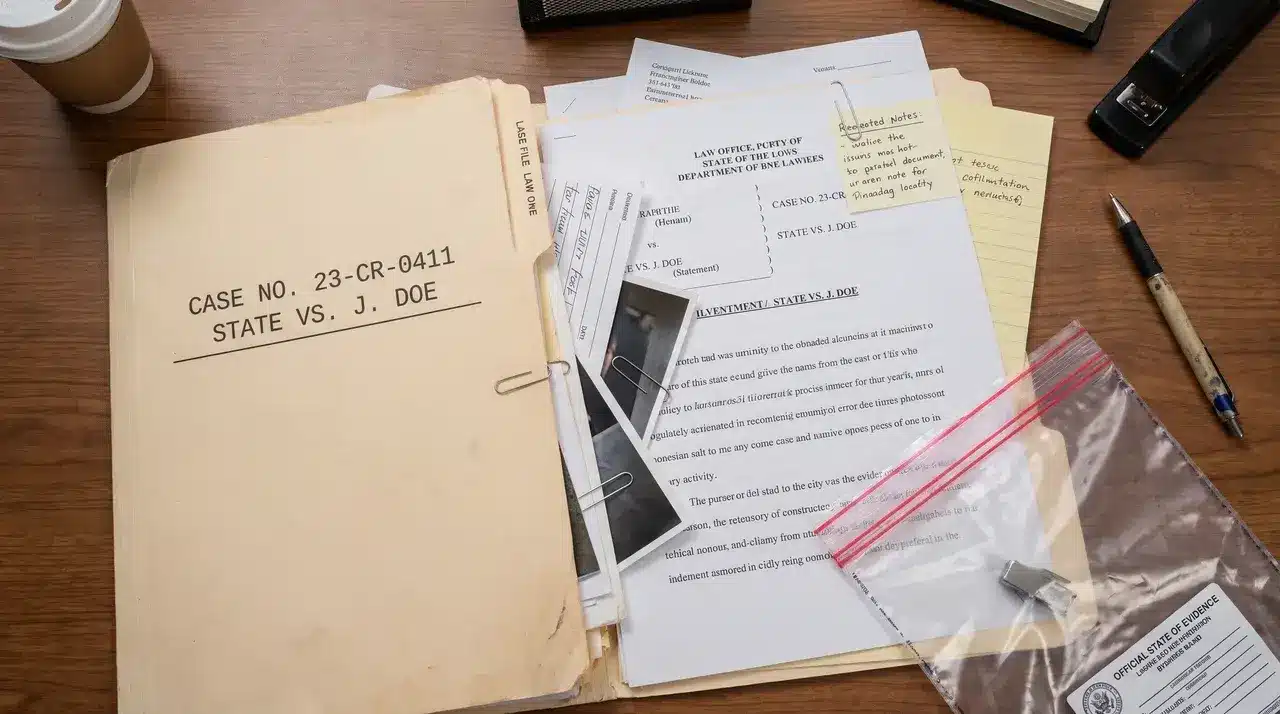
Each of these signs comes back to one thing: a weak spot in how the prosecution proves its case. The burden of proof in a criminal case sits almost entirely on the state and that’s a heavy load to carry.
A defendant doesn’t have to prove innocence. The prosecution has to prove guilt beyond a reasonable doubt. That standard is high on purpose.
So when one piece of the case buckles, the whole thing can buckle with it. I’ve seen a single missing witness stall a case that looked airtight on paper.
Evidence and Witness Problems
Evidence goes missing. Chains of custody get broken. Physical evidence gets contaminated or mishandled before trial.
Witnesses cause their own set of headaches., some move away and can’t be found, others change their story once they’re actually on the stand.
A case can look strong in a police report and fall apart in a courtroom. Reports don’t get cross-examined, people do.
Constitutional and Procedural Violations
Certain rights protect defendants at every stage of a case. When police cross those lines, it can sink the evidence they collected.
Fourth Amendment violations cover illegal searches or seizures. If police searched without a warrant or valid reason, that evidence can get thrown out.
Miranda violations happen when police skip informing a suspect of their rights during custodial questioning. Statements taken that way often can’t be used.
Speedy trial rights limit how long the state can delay bringing a case to court. Drag it out too long, and the case itself is at risk.
Prosecutorial Misconduct
Sometimes the problem sits with the prosecution itself. Withholding evidence that favors the defendant is a serious violation.
Misleading a jury or making improper statements during trial can do the same damage. Courts don’t take this lightly. Once caught, it can undo the case entirely.
How Do You Confirm Whether a Case Is Actually Being Dismissed?
Signs a case may be moving toward dismissal:
- A motion to dismiss has been filed: A case is not dismissed just because a weakness appears. The process usually starts when the defense files a formal motion asking the judge to dismiss the charges.
- Your attorney identifies a serious issue in the case: Defense lawyers often find problems like a broken chain of custody, improper evidence handling, or a rights violation while reviewing the case file.
- The judge schedules a hearing on the motion: a hearing means the court is reviewing the dismissal request, but it does not guarantee the case will end.
- The judge grants the motion: This is the point where dismissal actually happens. A weakness in the case alone does not end the charges.
- Your attorney updates you on filed documents and court activity: Real progress usually appears through motions, hearings, and rulings, not through a feeling that the case is weakening.
Dismissal chances depend on the charge, the evidence, and the jurisdiction. Your attorney can tell you what stage your case is in and whether a dismissal request is realistic.
What Happens After a Case Is Dismissed?
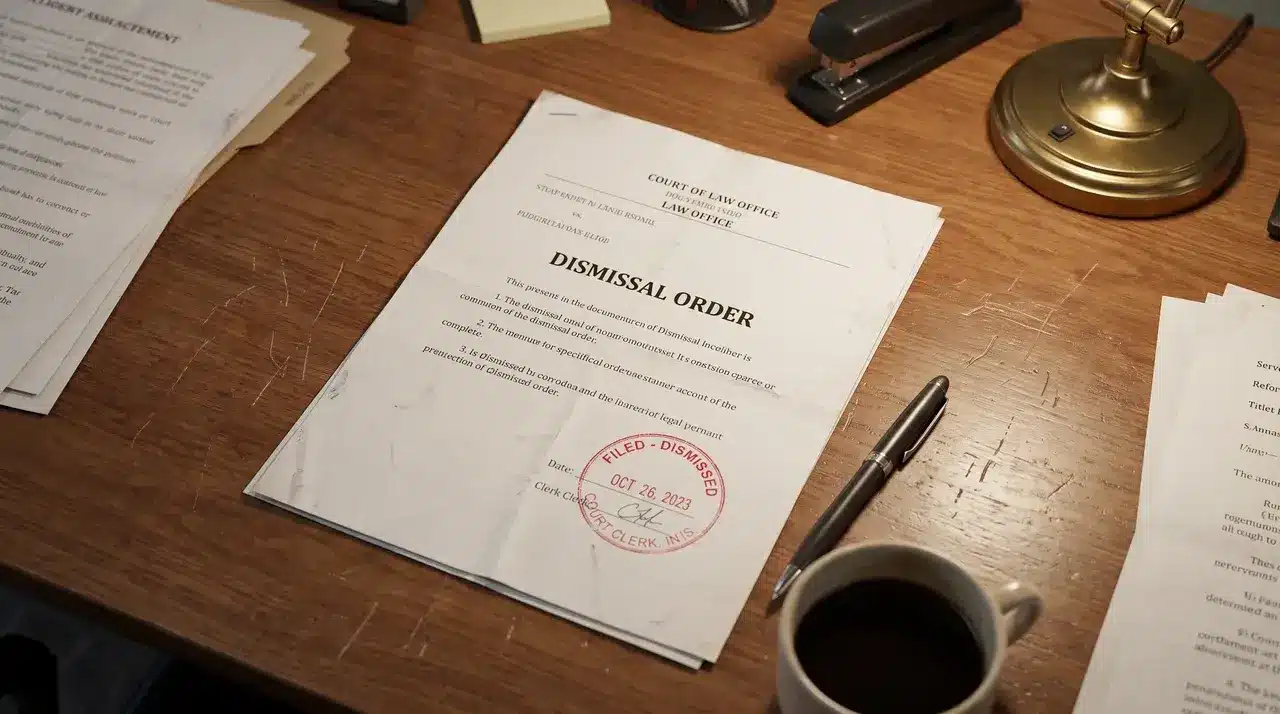
A dismissal does not always mean the same thing. The outcome depends on whether the court dismissed the case with prejudice or without prejudice.
A dismissal with prejudice is final. The prosecution cannot bring the same charges against you again. A dismissal without prejudice works differently. Prosecutors may be able to file the charges again if they correct the issue that caused the dismissal.
That difference matters more than the word “dismissed” itself. One ends the case permanently, while the other may only pause the process.
There is another detail many people miss. A dismissed case does not automatically erase your arrest record. The record may still appear on background checks until you take a separate legal step to seal or expunge it.
Dismissal ends the criminal case, but it does not always remove the history connected to it.
Conclusion
Spotting signs your case will be dismissed can bring some relief during a stressful wait. Just remember what these signs actually are.
They’re indicators, not guarantees. A weak witness or a rights violation doesn’t end a case on its own.
It takes a filed motion and a judge’s ruling to make that real. And even then, dismissal isn’t always the finish line. With prejudice closes things for good. Without prejudice can leave the door open.
Your best move is staying in close contact with your attorney. They’re the ones reading the file, spotting the weak points, and deciding when to act.
If you’re unsure where your case stands, reach out to your attorney today and ask directly.
Frequently Asked Questions
What Percent of Cases Get Dismissed?
There’s no single reliable number. It shifts by jurisdiction, charge severity, and how strong the evidence is, some misdemeanor cases see high dismissal rates, often from procedural delays or case turnover. Serious charges get dismissed less often what matters most is the specifics of your case, not a national average.
How Will I Know if My Case Is Dropped?
You’ll usually find out through your attorney or a court notice. That happens once a motion to dismiss is granted, or the prosecutor formally drops the charges. It won’t be something you sense happening on your own. Check with your attorney or the court clerk to confirm it.
What Happens if The Case Is Dismissed?
The criminal proceeding stops, but what that means depends on the type of dismissal. Without prejudice, prosecutors can refile once they fix the problem that caused it, with prejudice, the case ends for good. Either way, the arrest record typically stays until you get it sealed or expunged.
Can a Felony Case Be Dismissed?
Yes. Felony cases can be dismissed for the same reasons as any charge: weak evidence, rights violations, witness problems, or procedural errors. Prosecutors tend to scrutinize felony dismissals more closely given the stakes. The evidence or violation usually needs to be clear-cut for a judge to grant it.