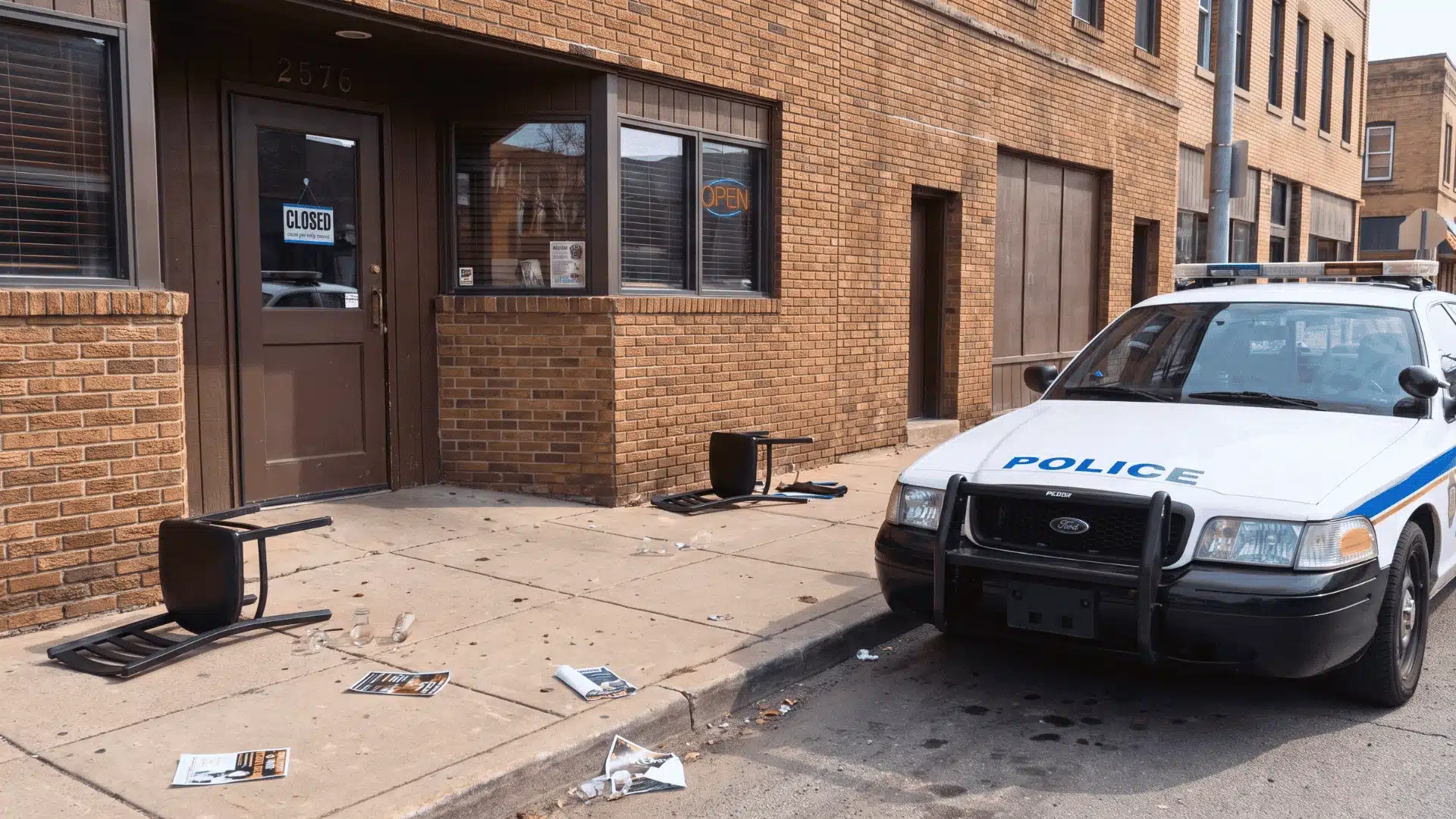
A shouting match outside a bar. A neighbor calling the police because a party will not quiet down. Both scenes can end with the same surprise: someone facing a criminal charge they never expected.
People ask what disorderly conduct is, and why one law seems to cover so many different situations.
The short answer is that lawmakers built it to be flexible, which is exactly what makes it confusing for the person on the receiving end.
Here you’ll learn what the charge actually requires, where the law draws the line around protected speech, and what happens once someone gets charged.
You will also see how these cases get challenged and what tends to stay on the record afterward.
What is Disorderly Conduct?
Disorderly conduct is a low-level crime that exists in some form in almost every state.
It covers public behavior that disturbs the peace, creates a safety concern, or causes alarm, annoyance, or disruption for others.
The law does not always require someone to have planned trouble on purpose. In many states, reckless behavior that creates a risk of disturbing others can also lead to a charge. Here is the part that trips most people up.
Every state writes its own version of this law, so the wording and the behaviors it covers can look different depending on where it happens.
One state may focus mainly on public annoyance or alarm. Another may include broader situations involving noise, fighting, or interference with public order.
That difference is a big reason this conduct gets called a catch-all charge. Even so, the behavior still has to meet the legal standard set by that state.
Why Such Laws are Considered Broad or “Catch-All” Offenses?
The catch-all reputation comes from how these laws are written and applied, not from any single type of bad behavior.
Lawmakers use broad words like “alarm,” “annoyance,” or “disruption” instead of listing every act that could lead to a charge. That wording leaves room for judgment when something happens.
An officer has to look at the situation and decide whether it crosses into public disorder. Two officers may view the same scene differently, and that is where much of the confusion starts.
Courts can later review that decision against what the law actually requires. A judge may decide the conduct was rude but still did not meet the legal bar for a crime.
This does not mean every rude comment or annoying moment becomes disorderly. The wording may be broad, but there still needs to be real public disruption or a clear risk of it.
Behaviors Counting as Disorderly
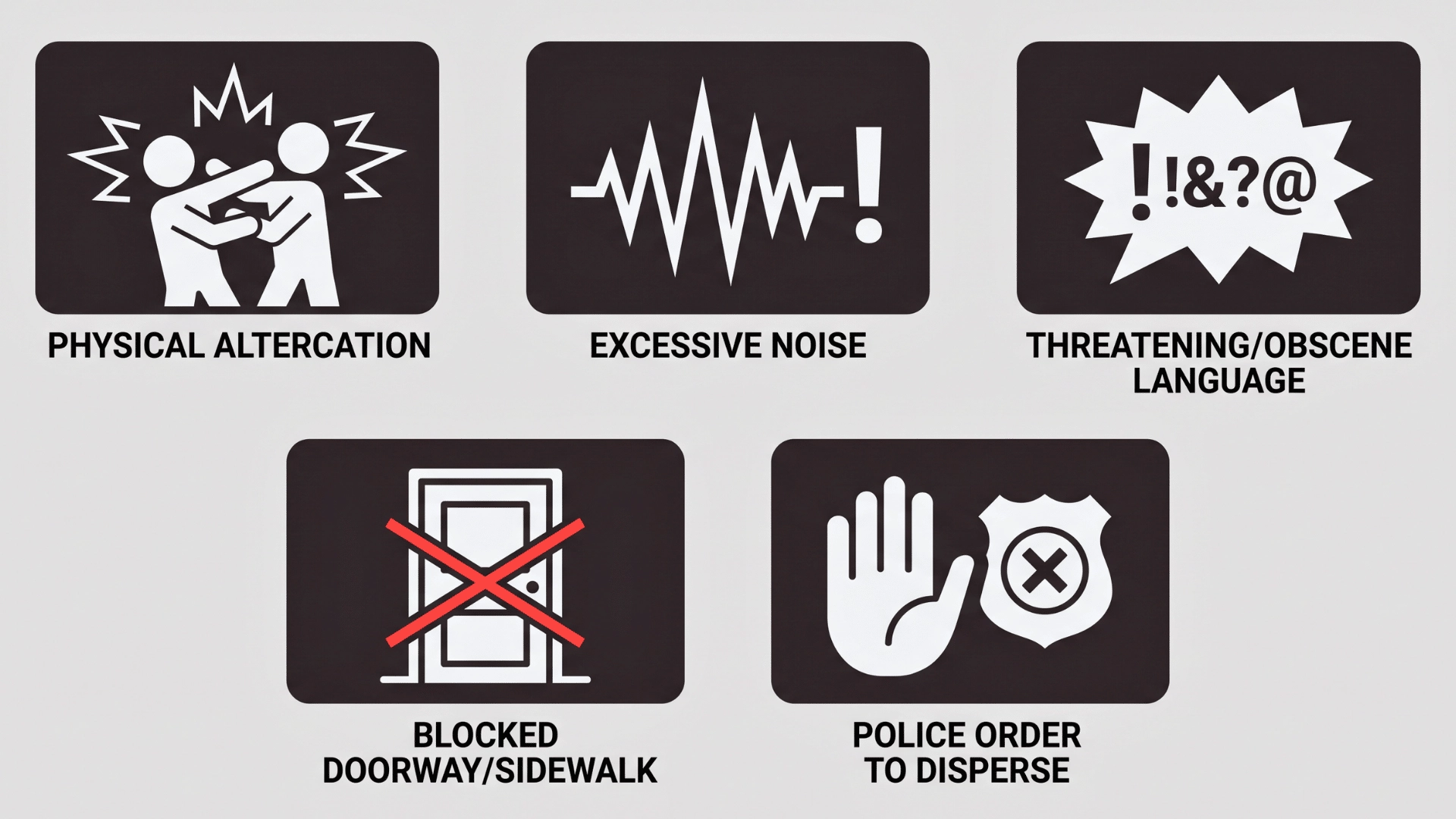
The exact wording changes from state to state, but a handful of behaviors show up again and again in these cases.
Federal rules governing conduct on public lands list the same core acts: fighting, threatening behavior, obscene gestures, and unreasonable public noise, a pattern that mirrors how most state statutes are written.
What matters is not only what someone does. The location, the surrounding circumstances, intent, and the effect on other people can all shape whether it leads to a charge.
| Common Behavior | When It May Count as Disorderly |
|---|---|
| Fighting or threatening violence | Starting a public fight, trying to provoke one, or making a real threat that causes fear or immediate alarm |
| Making excessive noise | Shouting, playing loud music, or creating noise that goes far beyond what people would reasonably expect in that place |
| Using obscene language or gestures | Directing words or gestures at someone in a way that becomes a true threat, fighting words, or part of a larger disturbance |
| Blocking public passage | Preventing people from using a sidewalk, street, doorway, or entrance normally after being asked to move |
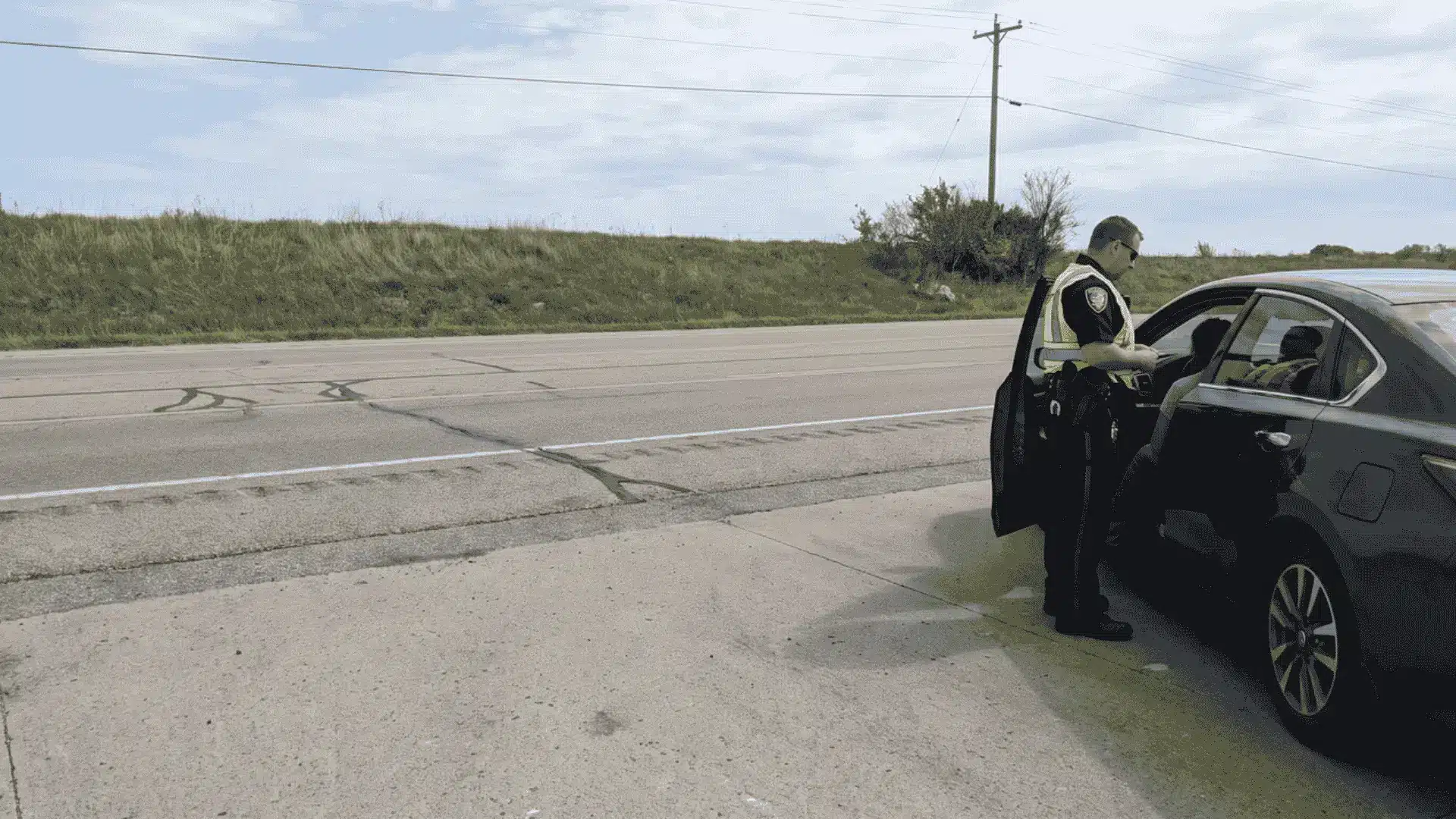
| Ignoring a lawful police order | Refusing a valid order to leave an area, step back, or break up a gathering that is creating a public disturbance |
Any of these behaviors may lead to a charge, but the full situation still matters.
The same act may be treated differently depending on where it happened and how serious the disruption became.
Yelling at or arguing with an officer is usually protected as long as it stays verbal. That protection gets weaker once the words turn into real threats or the person physically blocks the officer’s work.
Can You Be Charged for Alcohol or Being Drunk?
Being drunk does not automatically make someone guilty of this charge. What usually matters is what the person does and how that behavior affects the people or space around them.
Someone who has had too much to drink but stays quiet and causes no trouble likely will not meet the standard here. That said, public intoxication can still be its own separate offense under some state laws.
Things look different once the drinking leads to fighting, threats, excessive noise, or blocked walkways. At that point, it is the disruptive behavior that may support such charge.
The exact charge still depends on state law and what happened at the scene. Alcohol may explain the situation, but it does not replace the conduct prosecutors still need to prove.
What is Not Disorderly Conduct?
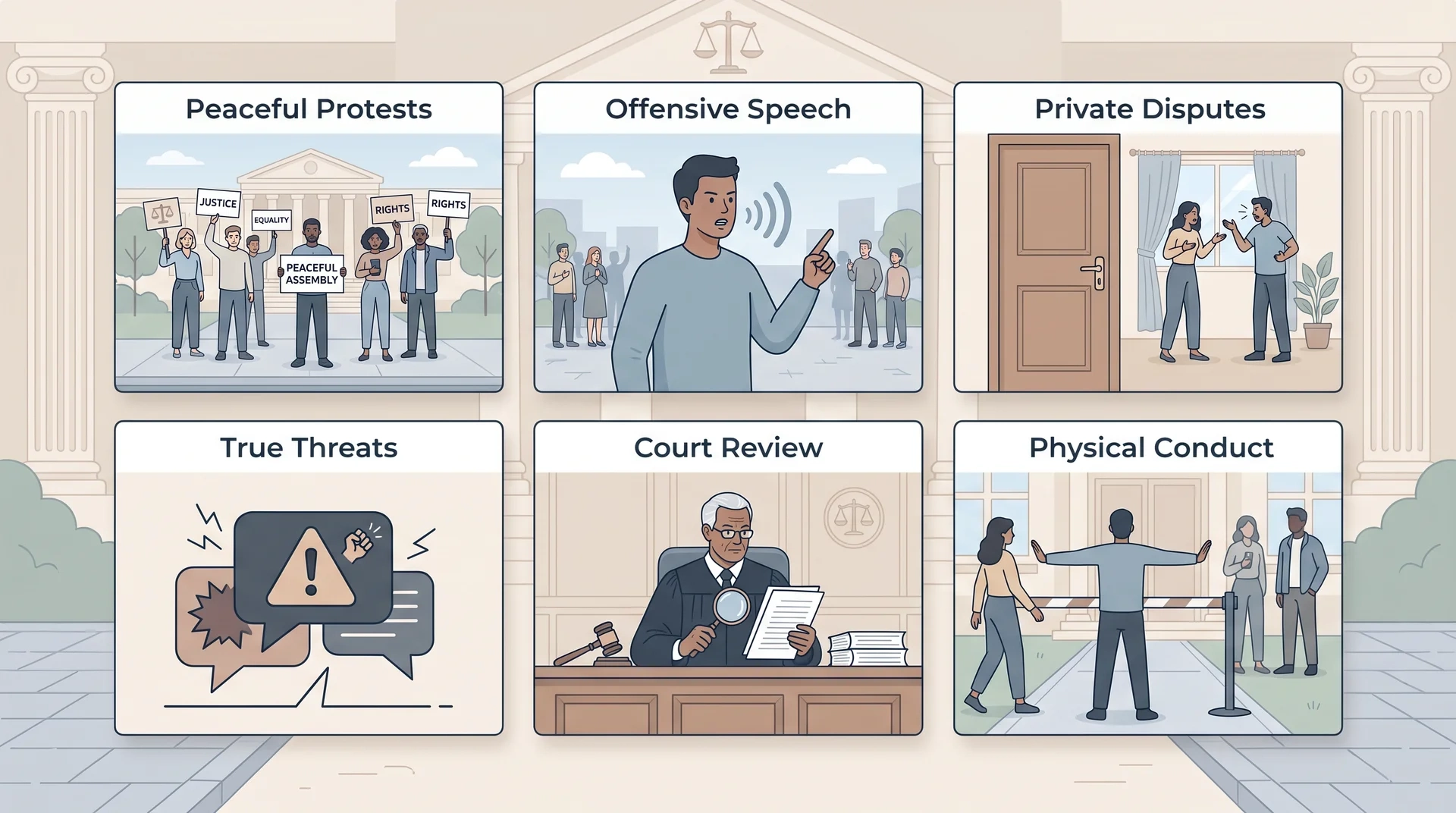
Not every rude, loud, or offensive moment crosses the legal line. Speech usually gets stronger protection than disruptive physical behavior does.
The surrounding circumstances still matter, including whether the conduct threatened anyone or created a real public disturbance.
- Peaceful protests: Signs and group chants usually stay protected, even when their message annoys people or draws strong reactions.
- Offensive speech: Unpopular opinions, harsh comments, and gestures directed at an officer usually stay protected when they do not threaten violence or cause physical obstruction.
- Private disputes: Arguments behind closed doors generally fall outside these laws when they create no public disturbance.
- Limits on speech: Protection fades once words become fighting words, a true threat, or language likely to trigger immediate violence.
- Court review: Courts often narrow speech-based charges because broad wording can conflict with protections for criticism and protest.
- Physical conduct: Charges based on fighting or blocked movement usually hold up more easily than cases based only on speech.
The main question is always whether the conduct created a genuine public disruption or immediate danger. Being annoying or offensive by itself is usually not enough.
What are the Possible Penalties?
Punishment for this conduct usually falls into three categories: fines, jail time, or probation. What a person actually faces still depends on the state.
Most states treat this as a misdemeanor rather than a felony, though some split it into classes or degrees. A lower class might carry a small fine, while a higher one allows for real jail time.
Fines, short jail terms, and probation all show up again and again in these cases. A court is not limited to picking just one.
Someone might get a fine and probation together, or probation with a suspended jail sentence hanging over it. That combination gives the court room to adjust based on the person and the situation.
Certain details can also push the penalty higher than a standard case would call for.
A weapon involved, a repeat offense, or conduct aimed at a protected class can all move the charge into a more serious tier.
Common Defenses
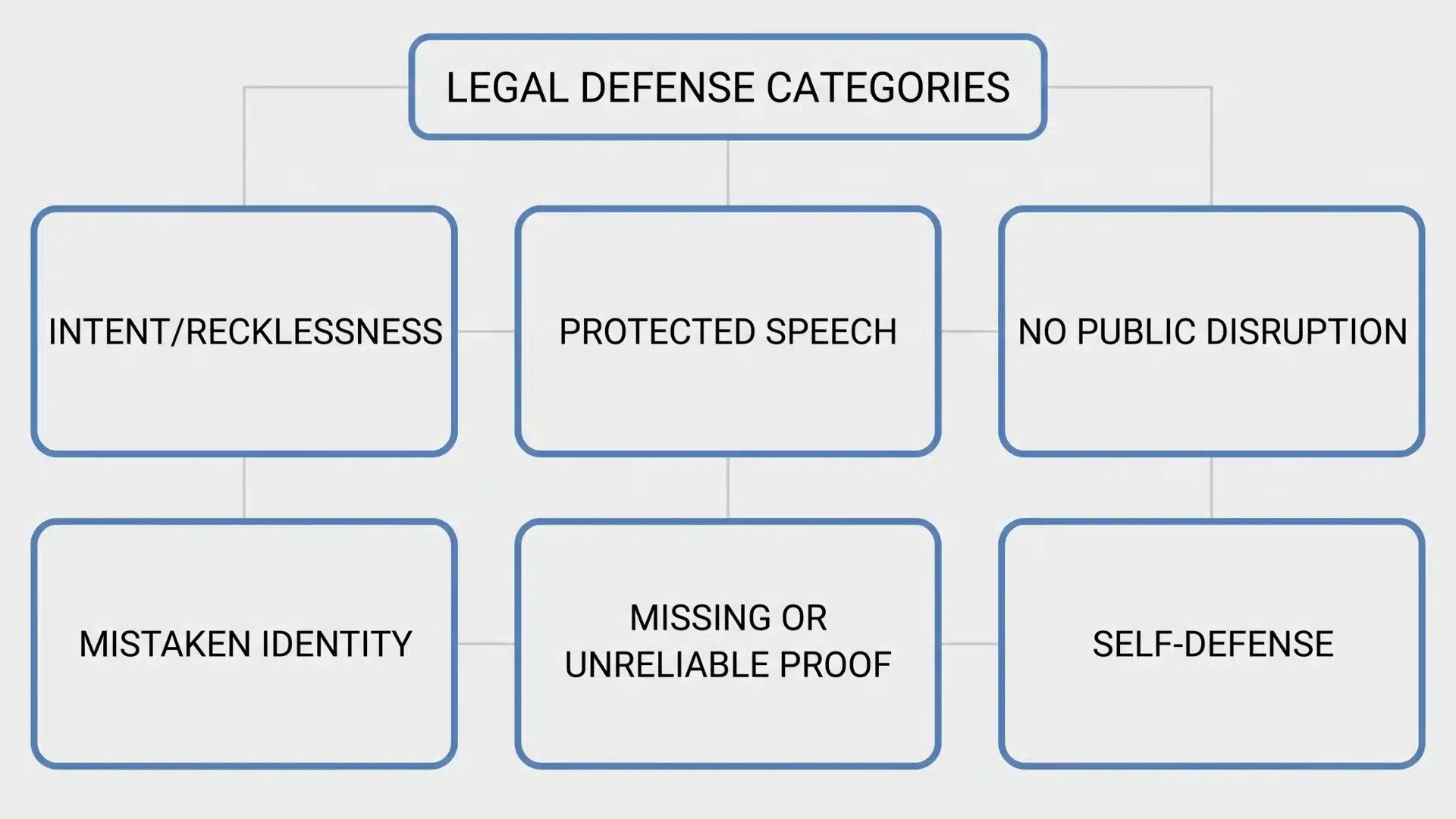
Getting charged does not mean the charge automatically sticks. The prosecutor still has to prove every part of the offense under that state’s law.
Several defenses show up again and again in these cases. The strongest one depends on what happened, what evidence exists, and how the state defines the charge.
- Lack of acting with intent or recklessness, meaning the person did not mean to cause a disturbance or ignore a clear risk of one
- Protected speech, where the person used harsh or offensive words without making a real threat or provoking violence
- No public disruption or risk, meaning the behavior did not disturb others or create the danger the law covers
- Mistaken identity, where witnesses or officers confused the accused with someone else at the scene
- Missing or unreliable proof, where videos or statements do not clearly establish every required part of the charge
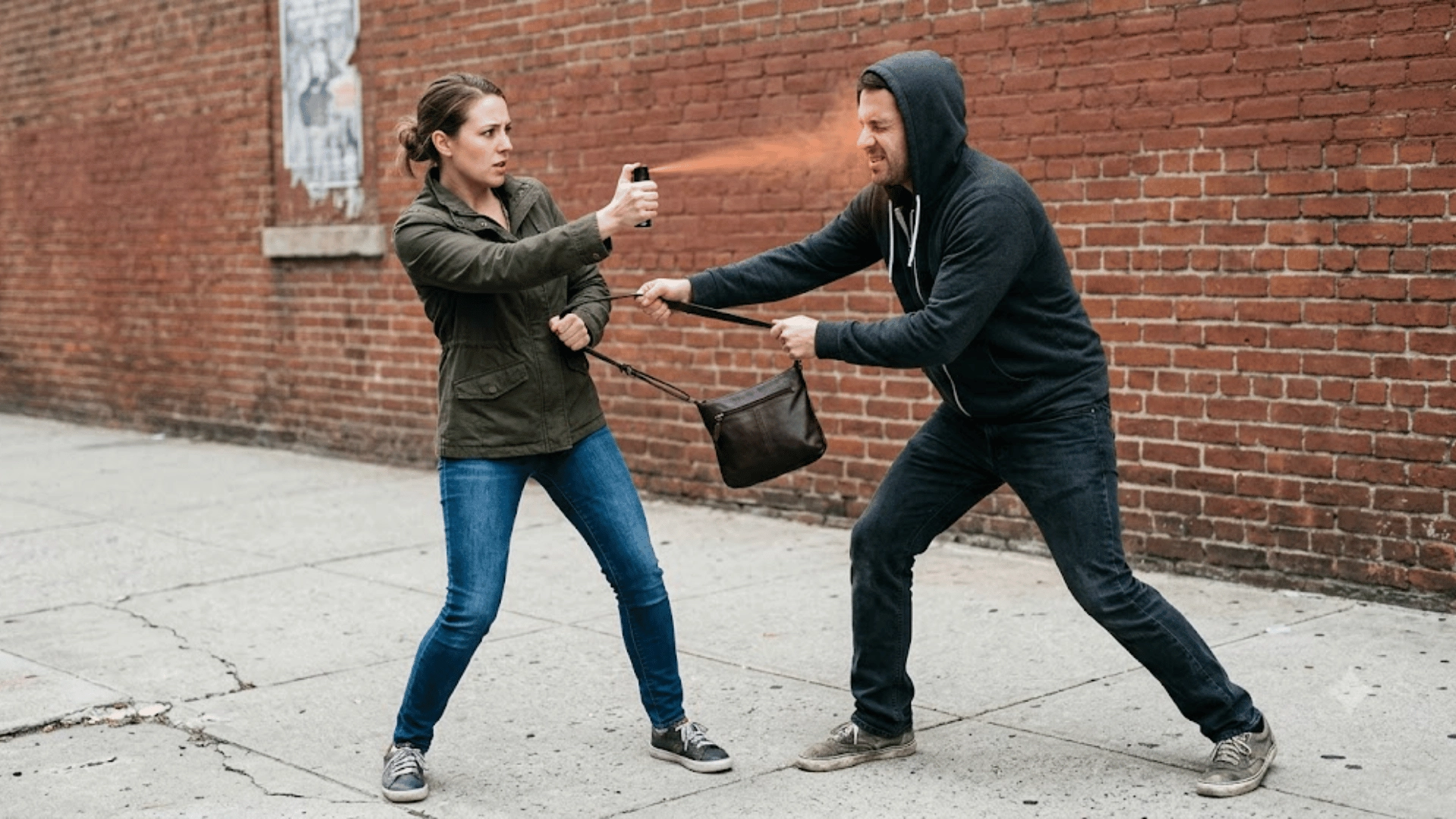
- Self-defense, where the person used reasonable force to protect themselves rather than start the disturbance
These defenses may lead to a dismissal, a reduced charge, or a not-guilty finding, but no outcome is automatic. What works depends heavily on the state and the facts of the case.
Can Disorderly Conduct Be Dismissed and Removed From Your Record?
Yes, this type of charge can sometimes be dismissed, reduced, or cleared from your record, depending on the situation.
Prosecutors look at the strength of the evidence before deciding how to handle the case. If the evidence is weak, they may drop the charge or reduce it to something less serious.
First-time offenders may also have other options, such as diversion programs that allow them to complete certain requirements and avoid a conviction.
If a conviction does happen, it can stay visible on a criminal record and appear on background checks. An arrest without a conviction is treated differently and may be easier to clear.
Sealing or expunging that record may be possible, but the rules depend entirely on the state.
Disorderly Conduct vs Similar Charges
These charges get mixed up a lot, mostly because they can all come out of the exact same messy incident.
One argument outside a bar, for example, could end up touching several of these charges at once. The table below shows what separates them.
| Charge | Main Difference |
|---|---|
| Disturbing the peace | Often overlaps with being disorderly, but the exact line depends on state wording |
| Public intoxication | Centers on being intoxicated in public, not the behavior on top of it |
| Resisting arrest | Actively interfering with an officer doing their job |
| Harassment | Focuses on targeting one specific person, not the public in general |
| Assault | Requires actual physical harm or a real threat of it |
Once you see them laid out this way, the differences come down to one main thing. Each charge is built around a different piece of what actually happened.
Conclusion
This conduct can look like a simple charge, but the details behind it are where things get complicated. A loud moment, a heated argument, or a public mistake does not always tell the full legal story.
The biggest thing to remember is that what is disorderly conduct depends on more than just the behavior itself. The setting, the state law, the evidence, and what happened afterward all shape how a case moves forward.
Knowing where the law draws the line can help you better understand the charge and what steps may come next.
If you are dealing with such a matter, consider getting advice from a qualified legal professional.
Frequently Asked Questions
Can a Minor Be Charged with Disorderly Conduct at School?
Yes, schools can involve police when a student’s behavior becomes disruptive enough to threaten safety or order. Minors typically face the juvenile justice system rather than adult criminal court, which usually means different procedures, records handling, and penalties. Outcomes vary widely depending on the school district, the state’s juvenile code, and whether the conduct also broke separate school rules.
What is Disorderly Conduct by Affray?
Affray is an older legal term for two or more people fighting in a public place in a way that alarms bystanders nearby. Many states folded this concept directly into their disorderly conduct statutes rather than keeping it as a separate charge, so the behavior often gets prosecuted under the broader disorderly conduct label instead of a standalone affray charge.
Is Filming Police Considered Disorderly Conduct?
No, filming police officers in public is generally protected activity under the First Amendment, and courts have repeatedly upheld that right. It only becomes a legal problem if the person filming physically blocks an officer, ignores a lawful order to step back, or interferes with the officer performing their duties, since that crosses from protected speech into obstruction.
Does Disorderly Conduct Affect Gun Ownership Rights?
Usually not by itself, since disorderly conduct is typically a low-level misdemeanor rather than a felony. Firearm rights are mainly affected by felony convictions or domestic violence-related convictions under federal and state law. That said, a disorderly conduct charge pleaded down from a more serious offense could still carry those consequences.
Can Disorderly Conduct Charges Be Combined with Domestic Violence Charges?
Yes, if the disorderly incident involved a partner, spouse, or family member, prosecutors may add domestic violence-related charges alongside the disorderly conduct charge itself. This can change how the case is handled, since many states apply mandatory arrest policies, protective orders, or enhanced penalties once a domestic relationship between the parties is established.