
Probation comes up more often than people expect, and it rarely means the same thing twice. It can follow a court decision, show up during a trial period at work, or appear after a rough semester at school.
Each version carries its own rules, but the core idea stays the same: you get a supervised chance to improve instead of a harsher outcome.
As a paralegal who has spent over a decade helping people make sense of court paperwork, I still see the same confusion come up again and again.
People often assume it only applies to criminal cases. Here is what it actually means, the types you may run into, and what a judge weighs before granting one.
What Does Probation Mean?
Probation is a supervised trial period that lets someone avoid a harsher outcome by meeting specific conditions over time.
It shows up in courtrooms, workplaces, and schools, and the exact rules shift depending on where it applies.
In criminal law, it means staying out of jail or prison while following court-ordered terms. At work, it means proving you are the right fit for a role, or correcting a specific performance issue before a deadline.
In school, it means raising your grades back above a required threshold before time runs out. None of this is the same as getting off easy.
Every version comes with real, enforceable conditions, and missing them can bring back the exact consequence you were trying to avoid.
What Does Being on Probation Mean?
Being on probation means a specific finding already happened.
Someone determined you were responsible for something, whether that is a crime, a workplace issue, or a drop in grades. But you were not locked up, fired, or expelled.
You are being supervised instead of removed, which is the actual trade it makes: continued freedom in exchange for continued compliance. Probation is not a one-time event.
It is an active status that keeps running: check-ins continue, rules keep applying, and the standard you are held to does not pause after the first week.
Where Probation Shows Up?
It looks different depending on where you encounter it. The core idea holds steady, but the stakes and the rules change by setting. Here is how it plays out in the three places you are most likely to run into it.
1. Criminal Law
Criminal probation lets someone serve a sentence in the community instead of behind bars. The court sets the conditions, and it can end quickly if those terms are violated.
A judge may then revoke it and require the person to serve the original sentence.
2. Workplace Probation
It is usually a trial period for new hires or a correction window for current staff.
For existing employees, it provides time to fix specific issues, such as missed deadlines, performance metrics, or conduct problems.
A written improvement plan with clear deadlines keeps the process fair for everyone involved.
3. Academic Probation
Students in this situation get a set window to raise their GPA or complete required coursework.
If grades do not recover in time, they may face suspension or removal from the program.
The challenge is that academic recovery takes real time, and the deadline can arrive before meaningful improvement is possible.
Types of Probation

Probation is not one-size-fits-all. Courts use different forms of supervision depending on the offense, the person’s history, and how closely they believe someone needs to be monitored.
Here are the main types you may come across:
- Supervised probation: The person is assigned a probation officer and must report on a regular schedule. Conditions may include drug or alcohol testing, employment updates, counseling, or other court-ordered requirements.
- Unsupervised probation: The person usually does not report regularly to an officer. They must still follow the court’s conditions, pay any required fines or restitution, and avoid new offenses during this period.
- Informal probation: This form generally comes with fewer supervision requirements and may not include regular contact with an assigned officer. The person still answers to court-imposed conditions and can face consequences for violating them.
- Shock probation: A person serves a short period in jail or prison before being released under supervision. The idea is to combine a brief taste of incarceration with supervised release back into the community.
- Community control: This is a more restrictive form of supervision that can limit where a person goes and what they can do. It may involve electronic monitoring, curfews, frequent reporting, or home confinement.
The type of probation ordered depends on the case and the rules of the jurisdiction. More serious offenses or higher supervision needs usually lead to stricter conditions and closer monitoring.
How Does Probation Actually Work Day to Day?
Probation involves ongoing rules that a person follows while living in the community. Breaking a condition does not automatically mean it ends, or that the person goes to jail.
Standard Conditions You’re Required to Follow
These conditions are based on the individual case, so the exact rules vary from person to person.
- Following all laws and avoiding new charges
- Regular meetings with a probation officer
- Reporting any change in address or employment
- Paying fines or restitution on schedule
- Drug testing or treatment, if required
- Staying within travel or contact restrictions
A probation officer monitors whether these conditions are being followed and can report violations to the court.
Staying compliant with these requirements helps a person finish without added penalties.
What Actually Happens When a Condition is Broken?
Probation violations range from missing an appointment to committing a new crime.
Courts usually weigh the seriousness of the violation, whether it has happened before, and the person’s overall record.
A judge may continue it with its existing conditions, add new requirements, or revoke it entirely after a confirmed probation violation.
Minor or first-time violations are often handled differently than repeated violations or new criminal charges. The outcome depends on the facts of the case and the applicable law.
Probation and Parole
Probation and parole both involve supervision, but they happen at different stages of the criminal process.
| Probation | Parole |
|---|---|
| Allows a person to complete a sentence in the community instead of serving time in jail or prison. | Allows a person to leave prison early and complete the remaining sentence under supervision. |
| Usually starts before incarceration and is ordered by the court. | Starts after a person has already served part of a prison sentence. |
| Conditions may include check-ins, drug tests, travel limits, or other court requirements. | Conditions may include regular reporting, restrictions, and following parole rules. |
| Violating it can result in the judge revoking it and imposing the original sentence. | Violating parole can result in returning to prison to serve the remaining sentence. |
A simple way to remember the difference: probation helps someone avoid prison in the first place. Parole helps someone transition back into the community after already serving part of a sentence.
For a deeper look at how the two differ from parole, see our full comparison.
What Factors Does a Judge Consider Before Granting Probation?
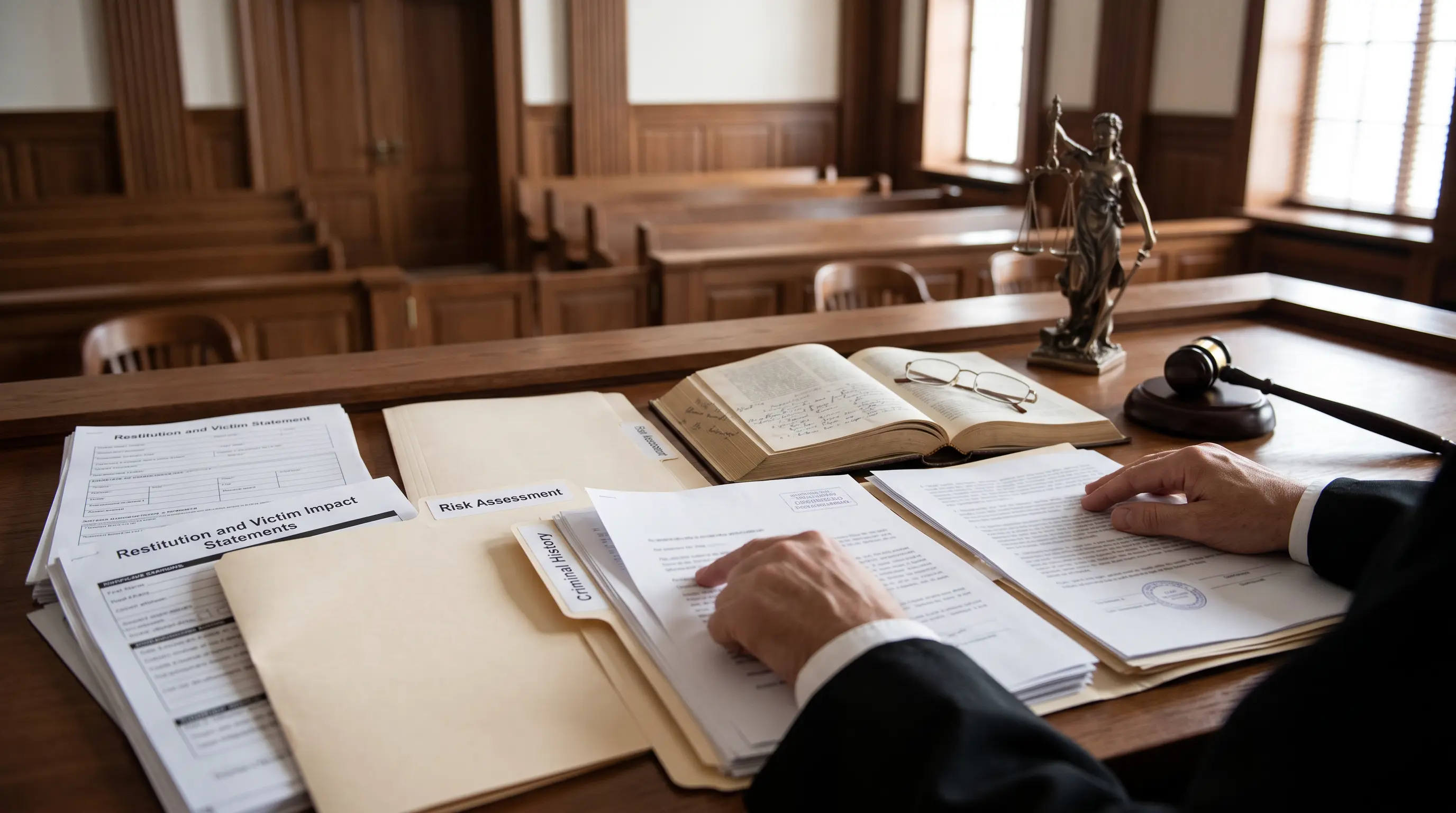
Not everyone who qualifies actually receives it.
Before making that call, a judge works through a specific set of factors to decide whether someone can safely complete a sentence while living in the community.
Common factors include:
- The person’s criminal history and past offenses
- The seriousness of the crime and whether violence was involved
- Whether the person poses a risk to public safety
- Whether they have paid or are willing to pay restitution to the victim
- Whether the victim’s own actions contributed to the incident
These factors rarely carry equal weight. A steady job history or an offer to pay restitution can offset a more serious charge, while a pattern of prior violations can outweigh an otherwise sympathetic case.
The judge weighs these factors together to decide whether it is a suitable alternative to jail or prison.
Conclusion
Understanding what probation means helps you see it as more than a legal term.
It is a period where someone gets a chance to stay in place, improve, and follow clear rules instead of facing a harsher result right away.
In criminal cases, that can mean supervision instead of jail. At work or school, it can mean a set time to meet expectations.
The important part is that probation always comes with conditions, deadlines, and consequences if those rules are broken.
If probation applies to your situation, read every condition carefully and ask for guidance before missing a requirement.
Have you dealt with probation in court, work, or school? Share your experience in the comments below.
Frequently Asked Questions
Is It Difficult to Pass Probation?
Passing probation depends on the type and the person’s situation. Criminal probation requires following every court condition carefully, since even a minor slip can trigger a violation hearing. Workplace probation depends on meeting documented performance goals. Academic probation depends on how quickly grades can realistically improve. Neither is automatic, but clear conditions make compliance far more manageable.
What is the Difference Between Probation and Parole?
Probation is usually ordered instead of incarceration, letting someone complete a sentence under supervision without going to jail. Parole works differently: it happens after a person has already served part of a prison sentence and is released early under supervision. Both involve rules and a supervising officer, but they sit at opposite ends of the same sentence.
How Long Does Probation Usually Last?
Probation length depends heavily on the situation. Criminal probation can run from several months to multiple years, based on the offense and the jurisdiction’s sentencing rules. Workplace probation is typically shorter, often lasting around three months. Academic probation usually lasts one semester or term, giving a student a defined window to raise their grades back above the required minimum.
What Happens if You Violate Probation?
Consequences depend on where the violation happens and how serious it is. Criminal violations can lead to a revocation hearing and require serving the original suspended sentence. Workplace violations may lead to termination if performance goals still are not met. In every setting, a documented pattern of violations carries far more weight than a single, isolated slip.