
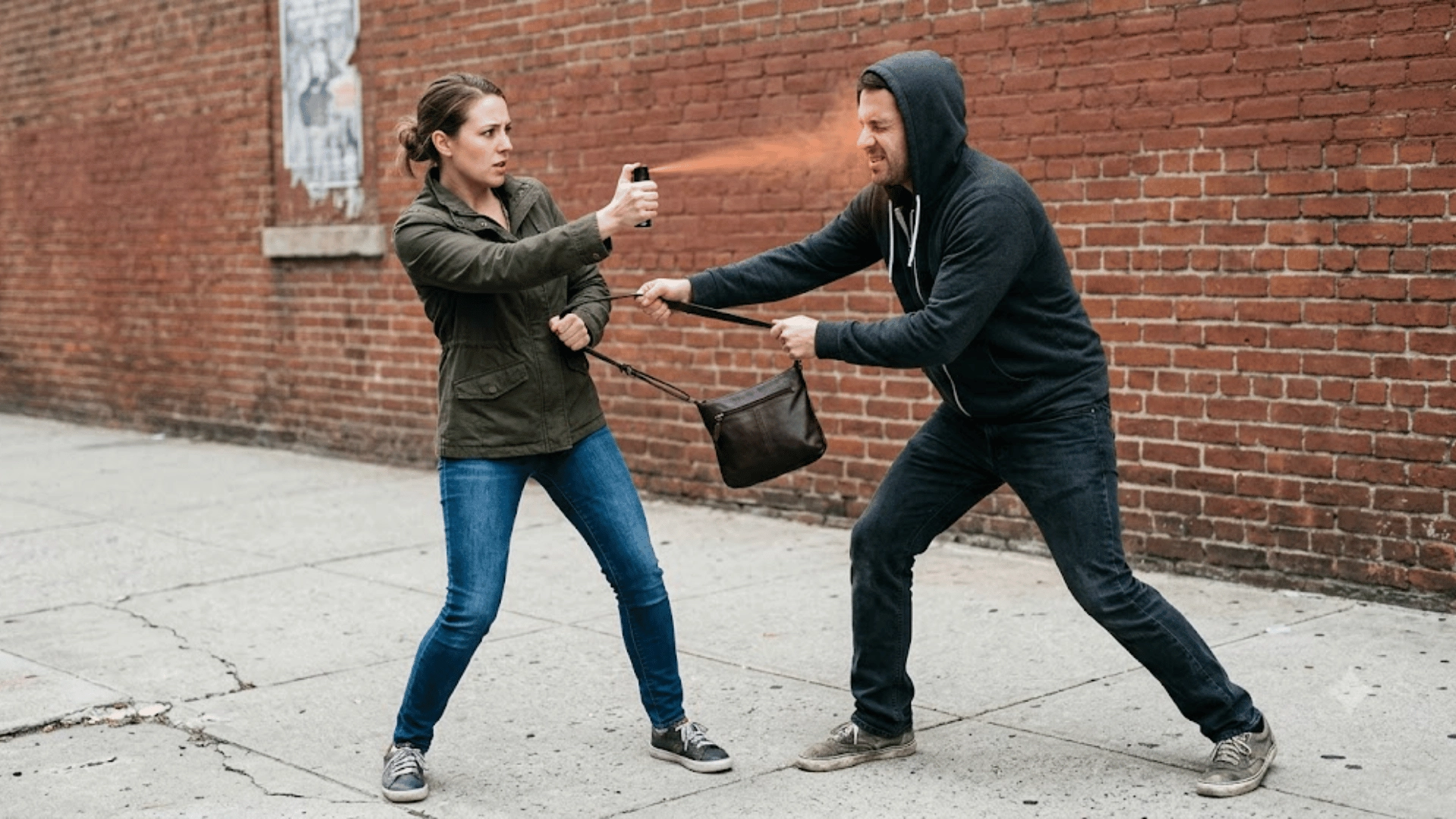
A single moment of fear can turn into a criminal charge or a lawsuit, depending on what a court decides you were allowed to do.
Self-defense laws set the boundary between protecting yourself and facing prosecution for using force.
That boundary is not about how scared you felt.
Courts look at what you reasonably believed, how much force you used, and whether your state expects you to retreat before fighting back.
Nevada, New York, and dozens of other states apply these rules in strikingly different ways.
This guide walks through the legal tests that decide a self-defense claim, the doctrines that reshape them state by state, and where the protection runs out.
What is Self-Defense Under the Law?
Self-defense is a legal defense used after force occurs. You admit using force, then argue that the law justified your actions under the circumstances.
It can apply in criminal and civil cases. The same incident may lead to criminal charges and a separate lawsuit seeking financial damages later.
Self-defense generally requires an attempted or imminent threat of harm. A threat from the past or one expected later usually does not qualify legally.
Feeling threatened alone is not enough. A judge or jury must decide whether your response met the legal standard based on the circumstances involved.
What Self-Defense Laws Require You to Prove?
Self-defense isn’t just one rule. It’s a handful of separate tests, and you need to pass all of them. Miss even one, and the whole claim can fall apart. Here’s what each part actually looks at.
1. Reasonable Belief of Imminent Harm
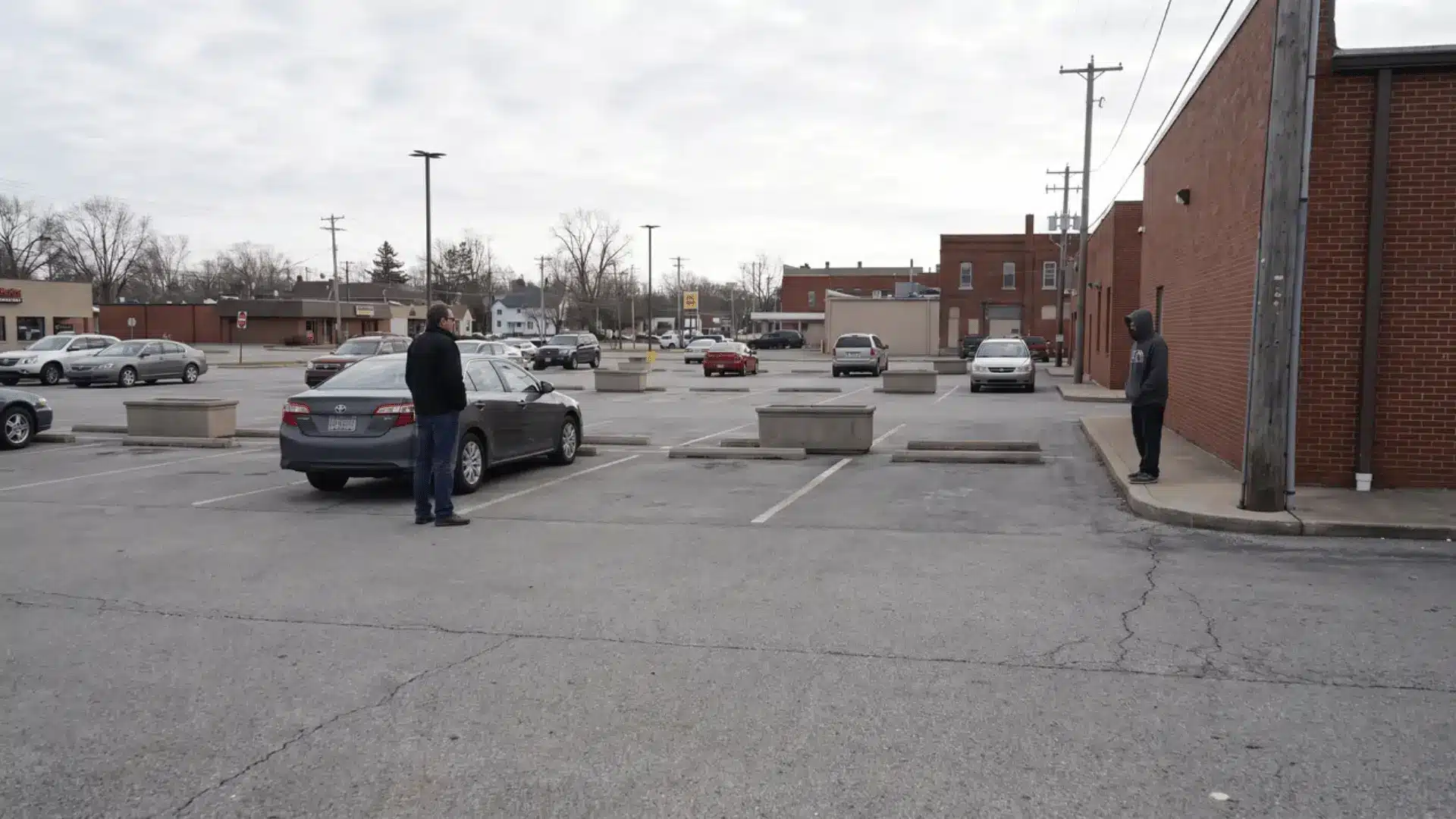
You must genuinely believe immediate harm is about to happen. That belief also needs to seem reasonable based on circumstances surrounding you at that moment.
Courts consider whether another reasonable person would recognize the same danger.
Personal fear alone is not enough if the situation does not support that belief.
2. Proportional, Not Excessive Force
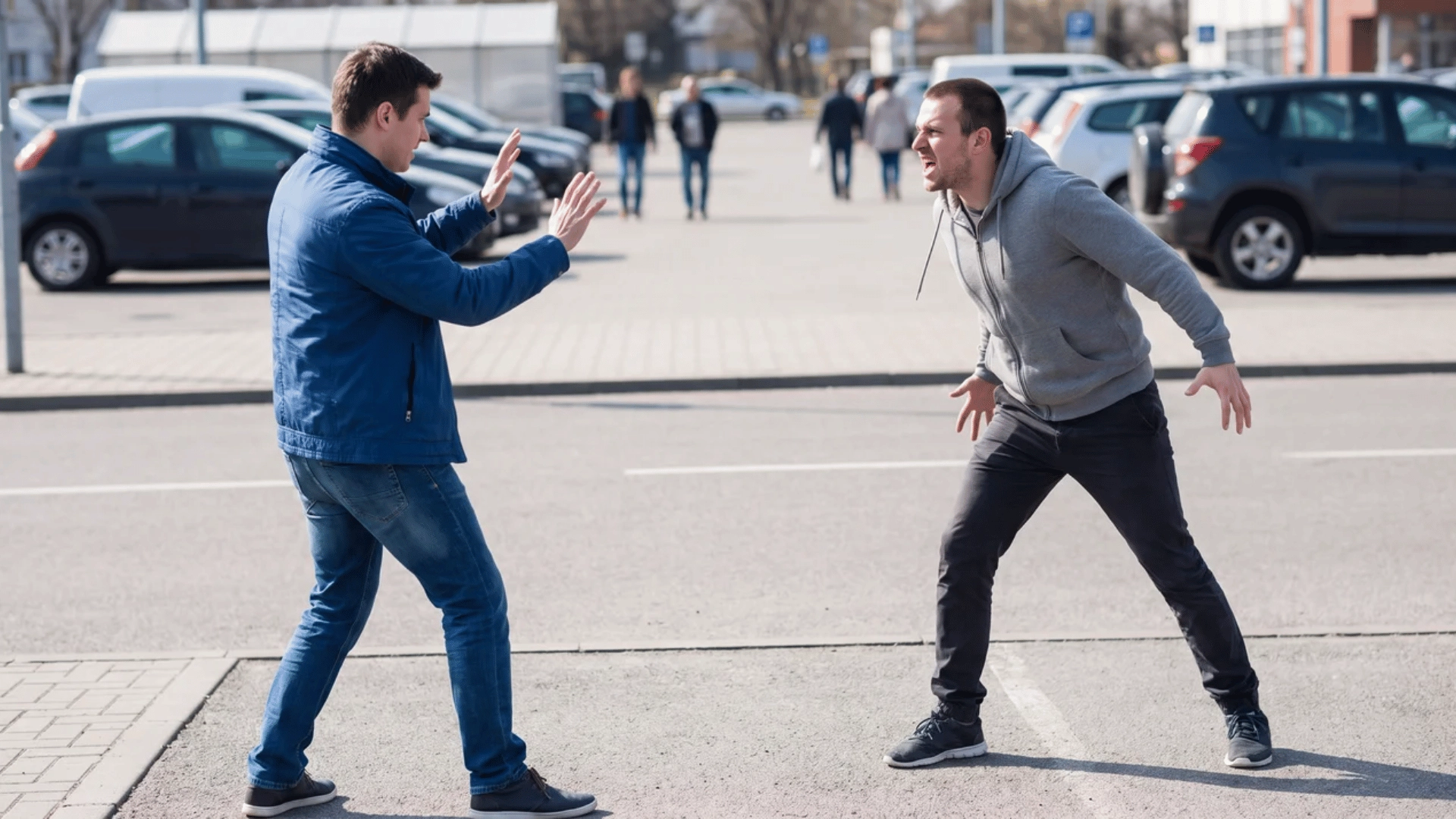
The force you use must match the level of danger you face.
Using more force than reasonably necessary can weaken your self-defense claim significantly.
Deadly force is generally reserved for distinctions between assault charges involving death or serious injury. A minor physical threat usually does not justify responding with deadly force legally.
3. Duty to Retreat vs. Stand Your Ground
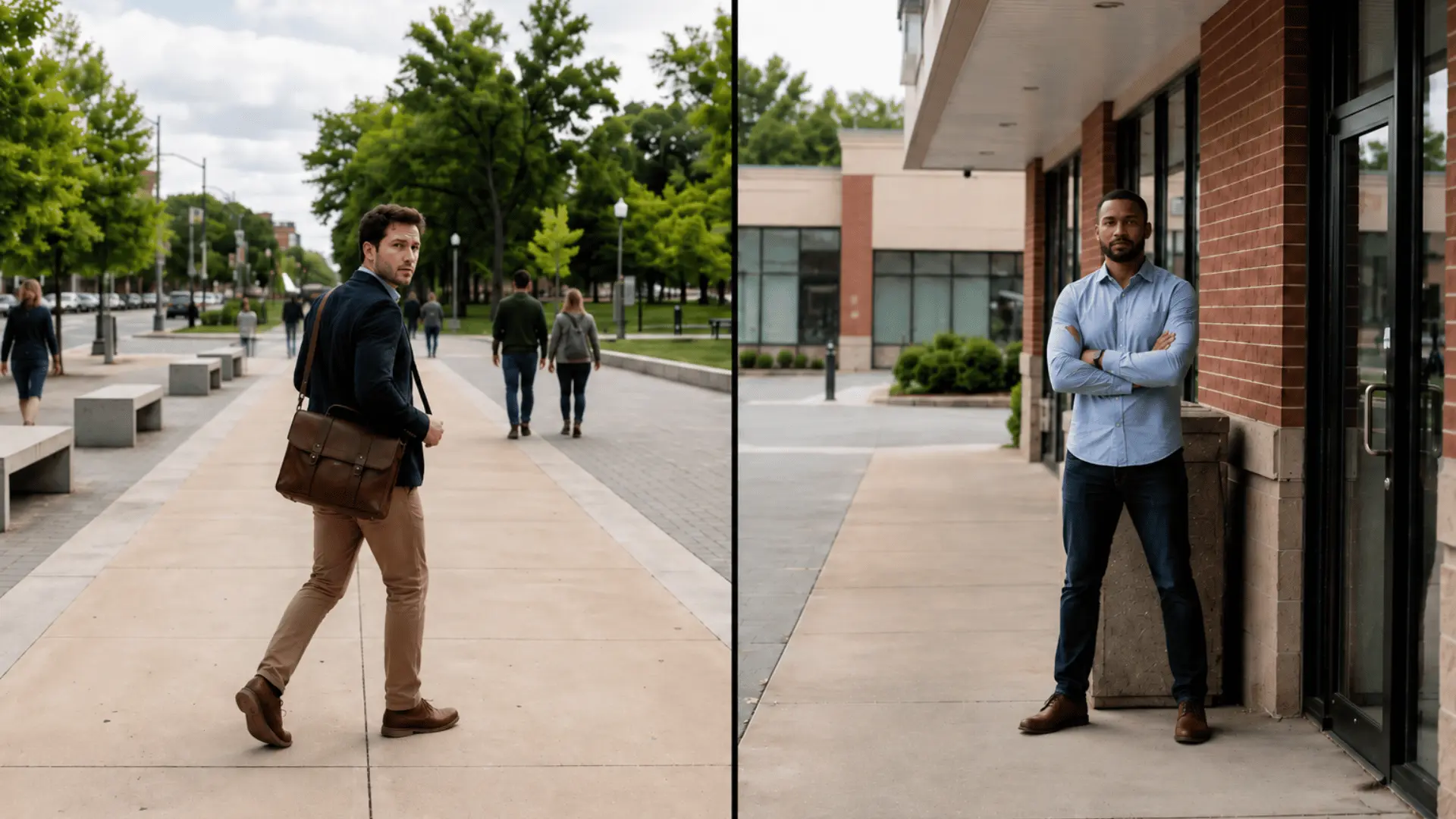
Some states require you to retreat safely before using force outside your home.
Others allow you to stand your ground without trying to leave first. Because these rules vary by state, identical situations can receive different legal treatment.
Where the incident happens may affect whether retreat was legally required first.
4. Castle Doctrine
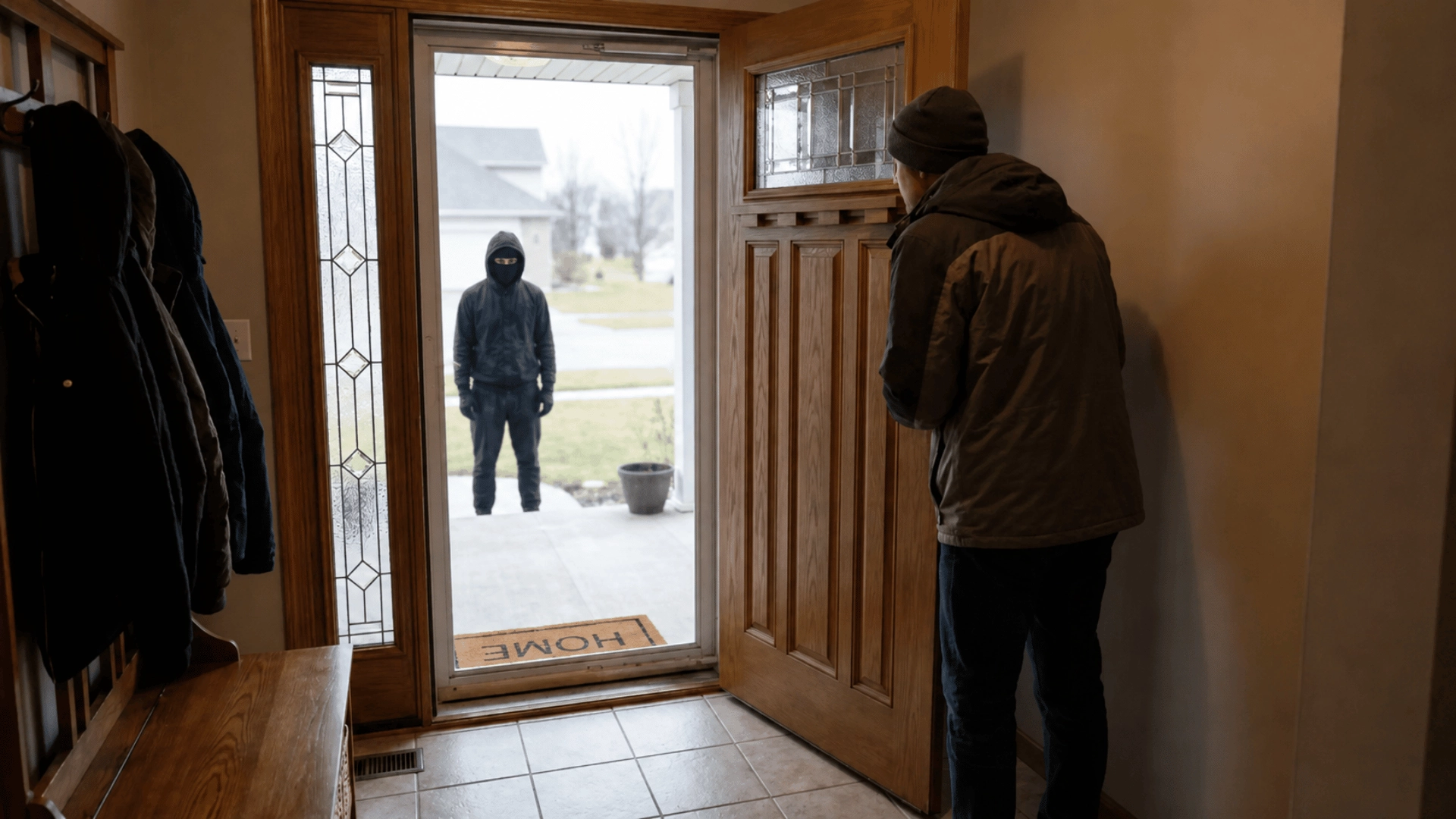
Castle doctrine generally removes the duty to retreat when facing danger inside your home.
The law often treats your residence differently from other locations legally.
However, castle doctrine has limits and varies by state. Its protections may change once you leave your home, where different self-defense rules can apply instead.
How Stand Your Ground, Castle Doctrine and Duty to Retreat Change the Rules
These three rules all answer one question: do you have to try to escape before using force? The answer depends entirely on your state.
Castle doctrine covers your home. Inside it, you don’t have to retreat before defending yourself against an intruder. Stand your ground goes further.
It removes the duty to retreat anywhere you’re legally allowed to be, not just at home.
Duty to retreat works the opposite way. If your state follows this rule, you have to attempt a safe escape first, when one exists, before using deadly force.
I’ve seen people assume these three terms mean the same thing. They don’t. Each one changes what a court expects from you in the moments before force was used.
| Doctrine | Duty to Retreat? | Where It Typically Applies |
|---|---|---|
| Stand Your Ground | No duty to retreat anywhere you are legally allowed to be | Public and private property |
| Castle Doctrine | No duty to retreat inside the home | Primarily the home, and sometimes a vehicle or workplace |
| Duty to Retreat | Must retreat safely first, except inside the home | Public spaces, with a home exception |
Where These Rules Apply
Pull up your state’s statute, and you’ll find one of these three rules governing your case, not all three. Most states follow some version of stand your ground.
A smaller number still require a duty to retreat in public spaces.
Castle doctrine is the most widely shared of the three. Nearly every state applies some form of it inside the home, even in duty-to-retreat states.
Self-Defense Laws by State

Self-defense rules can look very different depending on where you live. Here are a few examples that show that range.
1. Maine
Maine’s self-defense law falls under Title 17-A, Section 108. It allows reasonable nondeadly force to defend yourself or someone else.
The law focuses on stopping an imminent unlawful attack. It doesn’t require you to retreat before responding, but the threat must be immediate.
Deadly force is treated separately and comes with stricter conditions attached. The nondeadly standard applies to most everyday self-defense situations.
2. West Virginia
West Virginia’s law appears in West Virginia Code Section 55-7-22. It specifically protects lawful occupants inside their own home or residence.
This is a strong castle doctrine state. Occupants can use reasonable and proportionate force, including deadly force, against unlawful intruders.
The protection is tied closely to the home itself. Rights outside that space follow a different, more limited standard.
3. Montana
Montana’s self-defense rule is found in Section 45-3-102 of the Montana Code Annotated. It centers on a reasonable belief that force is necessary.
You’re justified in using force when you reasonably believe it’s necessary to stop unlawful conduct against you or someone else.
This reasonable belief standard runs through nearly every self-defense case decided in Montana courts. It’s the core test applied.
4. Pennsylvania
Pennsylvania’s law sits in Title 18, Section 505 of its criminal statutes. It broadly covers the use of force in self-protection.
The law justifies force for protecting yourself, but it also lists specific limitations that can strip that justification away entirely.
Those limitations mirror common exceptions seen elsewhere. Starting the conflict or committing a crime can quickly undo the protection.
5. New York
New York’s self-defense rule sits in Penal Law Section 35.15. It requires a reasonable belief that force is necessary to stop an unlawful or imminent physical threat.
Unlike stand-your-ground states, New York keeps a duty to retreat in public whenever retreat can be done safely. That duty disappears inside your own home under the state’s castle doctrine exception.
Deadly force carries a stricter test tied to threats of death, serious injury, kidnapping, or forcible sexual offenses.
Someone who started the confrontation generally cannot claim the defense unless they clearly withdrew first.
What Self-Defense Does Not Cover
Self-defense has strict legal limits and does not justify force simply because you feel wronged, angry, threatened or personally convinced your response was truly necessary.
Retaliation is not self-defense. Once the immediate threat has ended, using force becomes payback rather than protection and usually falls outside protection for self-defense claims.
Force must also be proportionate to the threat. Responding to a minor shove with a deadly weapon can make the defense much harder to prove.
Starting the confrontation can also weaken or eliminate a self-defense claim. Even if the other person escalates, provoking the fight may undermine your legal claim to self-defense.
Self-defense also does not cover physically resisting an arrest, even one you believe is unlawful.
Courts generally expect a wrongful arrest to be challenged afterward through the legal system, not through force at the scene, since resisting can add separate criminal exposure on top of the original case.
Why These Laws Matter If You’re Ever Involved in an Incident

A valid self-defense claim can affect both criminal charges and civil lawsuits arising from the same incident, so the case disposition can shift dramatically compared to an ordinary conviction.
In some states, once self-defense is properly raised, prosecutors must disprove it rather than requiring the defendant to prove the entire claim themselves.
Some states also provide civil protections when the use of force is legally justified, which may limit lawsuits connected to that same incident later.
Defending another person generally follows similar rules. Courts still look at imminence, proportionality, and reasonableness when deciding whether the use of force was justified.
Conclusion
Self-defense laws reward preparation, not panic. What matters is whether your belief in danger was reasonable, whether your response matched the threat, and whether your state expects you to retreat first.
Castle doctrine, stand your ground, and duty to retreat can each change that answer for the exact same situation.
States like New York, Pennsylvania, Maine, Montana, and West Virginia show just how much these rules shift from one border to the next.
None of this replaces real legal advice built around your specific facts and your specific state.
If you are facing a self-defense question right now, talk to a licensed attorney in your jurisdiction before you decide what to do next.
Frequently Asked Questions
Do I Have to Retreat Before Using Self-Defense?
It depends on your state. Some states require you to retreat safely before using force outside your home. Stand-your-ground states remove that requirement entirely, letting you defend yourself without trying to escape first, as long as the other self-defense elements are met.
Can I Claim Self-Defense if I Started the Fight?
Generally, no. Under the initial-aggressor rule, starting a physical confrontation usually blocks a self-defense claim for what follows. Some states allow the claim back if you clearly retreat and signal that intent before the other person keeps attacking you.
Does Self Defense Protect Me from Being Sued?
In many states, yes, but it’s separate from criminal protection. Several states have civil immunity laws shielding people who acted in legitimate self-defense from lawsuits, though you may still need to prove the force met the legal standard.
Can I Use Force Against a Police Officer During an Arrest?
Generally, no. Even if an arrest turns out to be unlawful, most states don’t allow physical resistance against an officer making it. Challenging a wrongful arrest is handled afterward through the courts, not through force at the scene.