
Losing a family member is already painful. But when a house is tied up in legal paperwork, the stress can grow fast.
If someone you loved placed their home in a trust before passing, you might feel confused about what comes next. Who owns the house now? Can you move in, sell it, or does it sit in limbo?
In years of practicing estate planning and property law, the confusion families experience in these moments almost always comes from the same source: they know a trust exists, but no one explained what actually happens to it, or to the home inside it, once the grantor is gone. This guide is designed to close that gap.
The process can feel unclear, and that uncertainty makes a hard time even harder. I put this blog together to walk you through what happens to a house in trust after death, step by step.
You will learn how the property gets transferred, who takes charge, what tax rules apply, and what problems to watch out for.
The goal is to keep things simple so you feel informed and ready.
What is a Living Trust and How Does It Hold a Home?
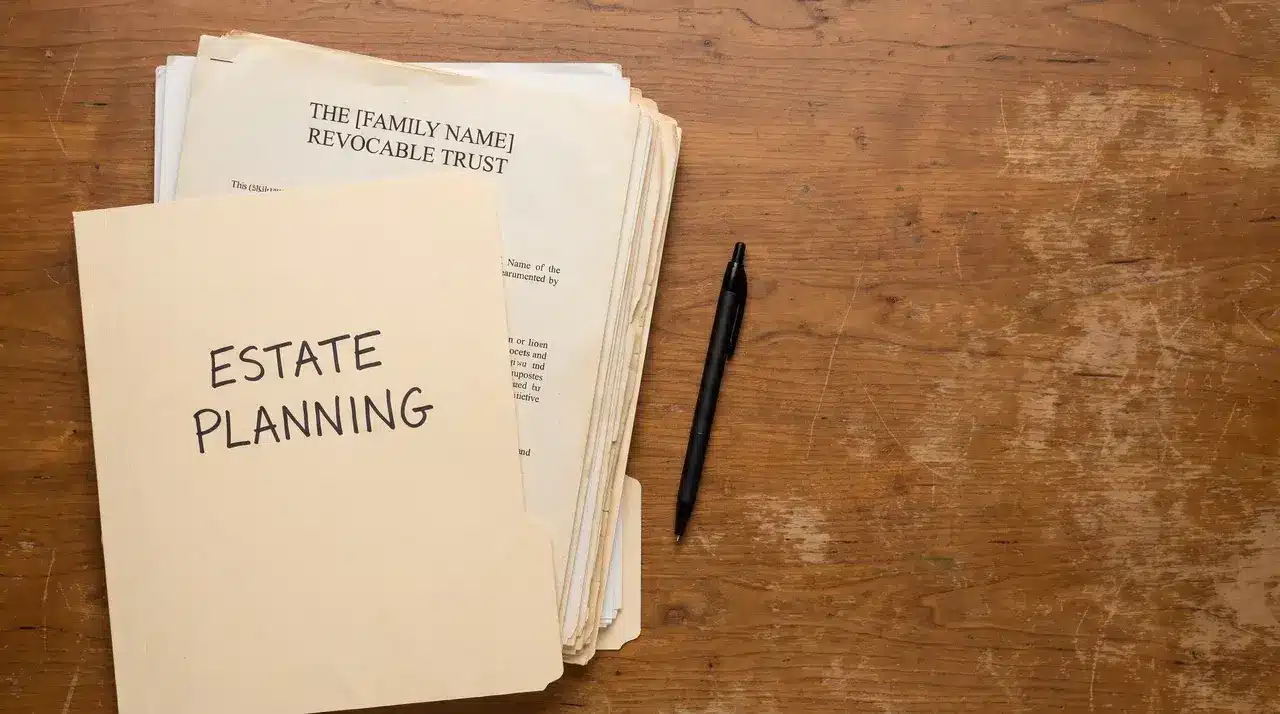
A living trust is a legal arrangement in which a person, called the grantor, places their assets into a trust while still alive.
According to the American Bar Association’s overview of revocable trusts, the grantor usually names themselves as the trustee, meaning they keep full control of everything, including real estate.
When a house is placed in a living trust, the trust technically owns the property, not the person.
But during the grantor’s lifetime, this changes nothing in day-to-day life. They can live in the home, rent it out, refinance, or sell it at any time.
The trust document also names a successor trustee and beneficiaries. The successor trustee takes charge upon the grantor’s passing.
It is worth noting the distinction between revocable and irrevocable trusts. A revocable living trust, the most common type of trust used in estate planning, can be changed, amended, or dissolved by the grantor at any time during their lifetime.
An irrevocable trust, by contrast, generally cannot be altered once created without court approval or beneficiary consent. Irrevocable trusts are often used for specific purposes such as asset protection, Medi-Cal planning, or certain tax strategies.
Most homeowners who place a house in a trust for probate-avoidance purposes are using a revocable living trust.
What Happens to the House in Trust After the Grantor Dies?
Once the grantor passes away, the trust undergoes a major change. The property can no longer be managed the same way, and new rules kick in almost right away.
1. The Trust Becomes Irrevocable
While the grantor was alive, a revocable living trust could be changed or canceled at any time.
After death, it automatically becomes irrevocable. That means no one can alter the terms, remove assets, or change the beneficiaries.
This shift is important because it locks in the grantor’s final wishes.
The trust document now serves as the permanent set of instructions for managing the house and all other trust property.
Understanding what happens to the house in trust after death depends on this key change.
2. The Successor Trustee Steps In
The person named as the successor trustee in the trust document takes over management. This person has a legal duty, known as a fiduciary obligation, to act in the best interests of the beneficiaries.
Their role involves reviewing the trust terms, securing the property, paying debts and taxes, and distributing assets.
If the named successor trustee cannot serve, the trust may name an alternate. If no one is available, a court may appoint one.
One issue that arises more often than expected is when the successor trustee is also a named beneficiary. While this is legally allowed, it creates an inherent conflict of interest.
In such situations, maintaining transparency with other beneficiaries and seeking independent legal counsel becomes critical.
The trustee’s fiduciary duty to act in the best interests of all beneficiaries remains intact, regardless of their personal stake in the trust.
3. The Trust Becomes a Separate Tax Entity and Needs a New EIN
A step that surprises many families: once the grantor dies, the trust is no longer treated as part of their personal tax identity.
It becomes a separate taxable entity in the eyes of the IRS, which means the successor trustee must obtain a new Employer Identification Number (EIN), also called a Taxpayer Identification Number (TIN), for the trust.
The grantor’s Social Security number can no longer be used. This EIN is needed to open a trust bank account, manage assets, pay the trust’s obligations, and file any required fiduciary income tax returns (Form 1041).
It is an administrative step, but skipping it or delaying it creates real problems downstream.
How Does the House Get Passed to Beneficiaries?

When a home is placed in a trust, the transfer to beneficiaries is governed by the instructions in the trust document. Understanding these steps can make the inheritance process easier to follow.
- Direct transfer to a beneficiary: If the trust names a specific person to receive the home, the successor trustee prepares a new deed and transfers ownership to that individual. This process is often completed within a few months. However, complications can arise if the property is jointly owned, as the structure of ownership upon one owner’s death can directly affect how the title is transferred and who ultimately inherits the property.
- Selling the home and distributing the proceeds: Some trusts require the property to be sold instead of transferred. In that case, the trustee manages the sale, pays any debts or taxes, and then divides the remaining proceeds among the beneficiaries.
Held in trust for a period of time: Some trusts include provisions that keep the property in trust beyond the grantor’s death, for example, until a beneficiary reaches a certain age, or to allow a surviving spouse to continue living in the home. In these cases, the trust remains open, and the successor trustee continues to manage the property in accordance with its terms.
Before finalizing the sale of a home, a trustee in California should provide beneficiaries with a Notice of Proposed Action under Probate Code §16500.
This allows them time to review and raise objections. While skipping this step does not invalidate the sale, it can expose the trustee to personal liability if a beneficiary later claims harm from the transaction.
There is no strict deadline for distribution unless the trust specifies one, though California courts expect trustees to act within a “reasonable” timeframe.
Generally, 12 to 18 months is the accepted standard for a straightforward residential estate
Tax Rules When a Home Passes Through a Trust

Taxes are a common concern for anyone receiving a home from a trust. The good news is that inherited property often receives favorable tax treatment.
1. The Stepped-Up in Basis Rule
When a beneficiary inherits a house, the IRS adjusts the property’s tax basis to its fair market value at the time of the grantor’s death.
This is called a “stepped-up in basis.” The IRS rules on inherited property basis explain this in detail.
If a grantor bought a home for $150,000 and it was worth $400,000 at death, the beneficiary’s tax basis becomes $400,000.
If they sell it for $410,000, they pay capital gains tax only on the $10,000 difference, saving money. This applies to houses in trust after death.
2. Mortgage and Ongoing Costs for Beneficiaries
If the home still has a mortgage, the beneficiary usually takes on that responsibility.
The trust may include instructions for paying off the loan, but if not, the new owner must handle it. Property taxes, insurance, and maintenance costs also shift to the beneficiary after the transfer.
Before accepting a home from a trust, it helps to understand the full financial picture, not just the property’s value. In situations where the inherited property carries significant debt or unpaid liens, beneficiaries often question their available options.
In such cases, understanding selling a home during foreclosure can help clarify what paths exist when the financials make a traditional sale difficult.
Steps the Successor Trustee Must Follow
After the grantor dies, the successor trustee has a clear list of duties to complete. The process follows a general order that keeps things organized and lawful.
- Get certified copies of the death certificate. Most institutions and county offices will require these during the transfer.
- Review the trust document carefully. Understand who the beneficiaries are and what the trust says about the home.
- Notify all beneficiaries and heirs. Many states require this within a set number of days after the grantor’s death.
- Secure and maintain the property. Keep the home safe, insured, and in good condition during trust administration.
- Pay outstanding debts and taxes. Settle any remaining bills, property taxes, or final income tax returns using trust funds.
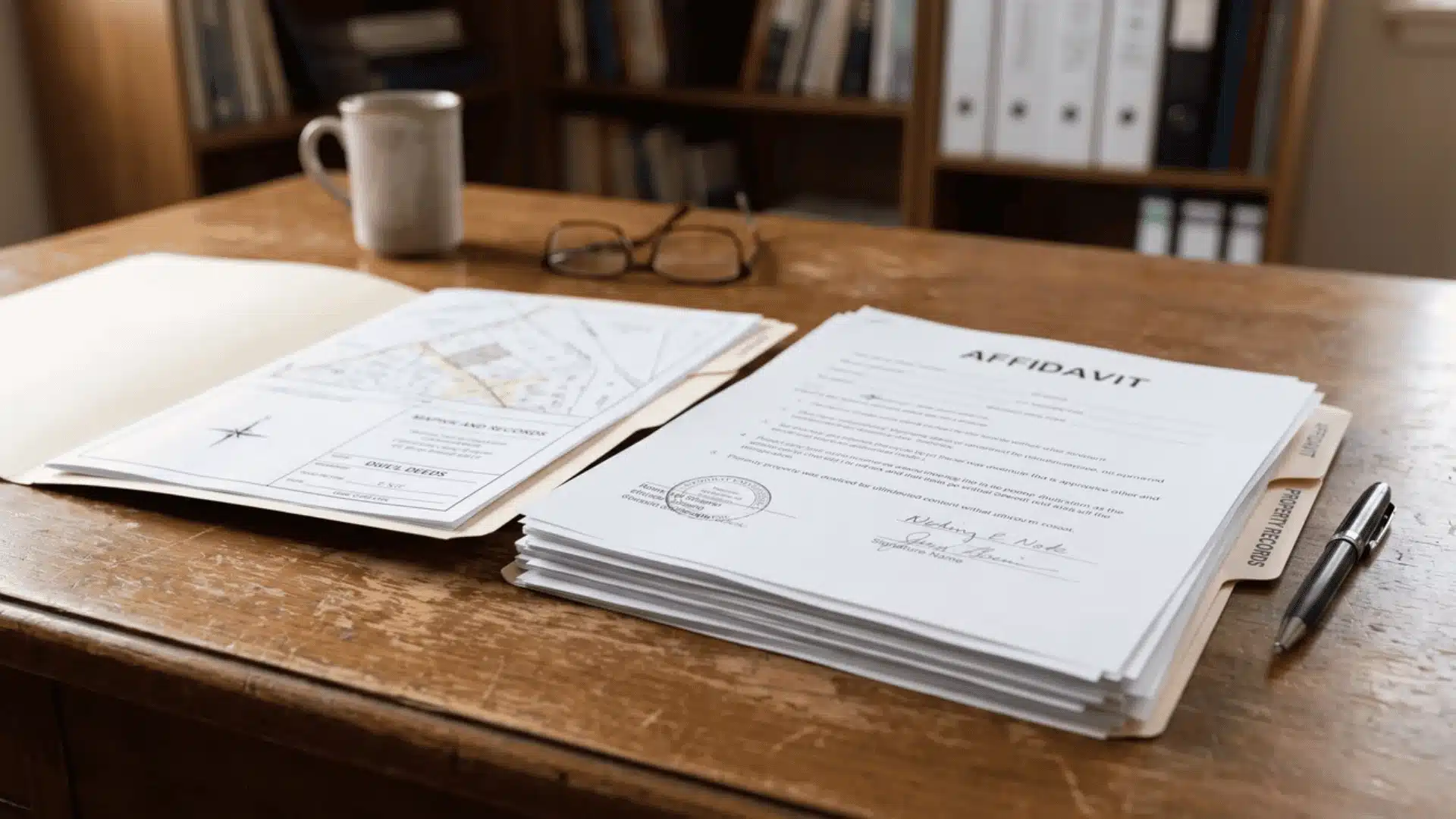
- Prepare and record the new deed. Transfer ownership to the named beneficiary or sell the home per the trust’s terms.
- Distribute remaining assets and close the trust. Once all duties are complete, file final tax returns and formally end the trust.
Does a House in Trust Go Through Probate?
One of the biggest reasons people place a home in a trust is to skip the probate process.
Probate is the court-supervised system that handles a deceased person’s estate, and it can take months or even over a year to complete.
A house in a living trust avoids probate, allowing the successor trustee to transfer or sell it quickly and cost-effectively.
However, if the property wasn’t transferred to the trust before the grantor’s death, it may need probate.
Some states, like California, allow for a Heggstad petition to address this, but it incurs additional time and costs. This is a key consideration for a house in trust after death.
Common Problems With Homes Held in Trust
Even well-planned trusts can run into issues. Being aware of potential problems helps beneficiaries and trustees act quickly.
- Home not titled in the trust: If the grantor forgot to transfer the deed, the house may need to go through probate, canceling the trust’s main benefit.
- Disputes among beneficiaries: Disagreements over selling or keeping the house can delay the process and damage family relationships.
- Trustee delays: A successor trustee who waits too long to act can cause financial loss, especially if the home needs maintenance or has unpaid taxes.
- Unclear trust language: Vague instructions in the trust document can lead to confusion about who gets the home or how to handle it.
- Creditor claims against a beneficiary: If a beneficiary is facing bankruptcy or active creditor judgments at the time of distribution, their inheritance may be reachable by those creditors immediately upon transfer.
How Long Does It Take to Transfer a House from a Trust After Death?
For a straightforward transfer in which the trust is clearly funded, the successor trustee is ready to serve.
There are no creditor claims, and the beneficiaries are in agreement; the process in California typically takes between 30 and 90 days once all required documents are in order.
More complex situations involving tax filings, property appraisals, multiple beneficiaries, or contested instructions can extend administration to 12 months or longer.
California law does not impose a strict distribution deadline, but courts generally expect trustees to administer the trust within a “reasonable” timeframe.
Eighteen months is often treated as the outer boundary of what is considered reasonable for a typical residential trust asset.
If a beneficiary believes the trustee is unreasonably delaying, they have the right to petition the probate court to compel the trustee to act.
Conclusion
Understanding what happens to the house in trust after death can take a lot of weight off your shoulders during a tough time.
I covered how a living trust works, what changes after the grantor dies, how a home gets transferred to beneficiaries, and the tax benefits that come with it.
You also saw the common problems that can come up and the exact steps a successor trustee needs to follow.
A well-structured trust allows for faster, cheaper, and more private transfer of a home to loved ones than probate.
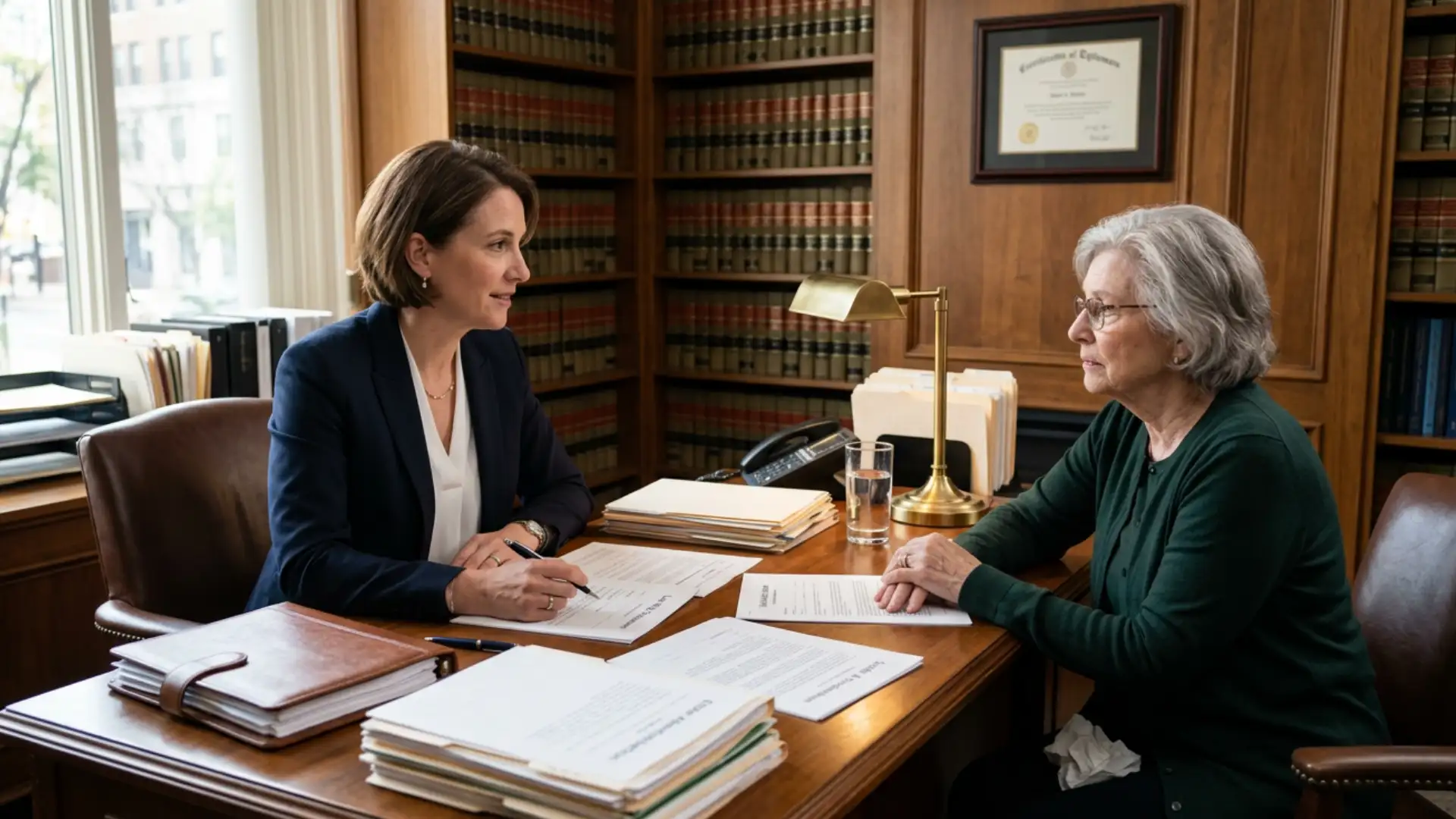
However, issues like a missing deed or unclear language can cause delays. If you’re considering a trust, consulting a qualified estate planning attorney is a great next step.
Share your questions or thoughts in the comments below.
Frequently Asked Questions
Can a Trustee Sell a House in a Trust After the Owner Dies?
Yes, if the trust allows it. The successor trustee can sell the home and distribute the proceeds to the beneficiaries in accordance with the trust’s instructions.
How Long Does It Take to Transfer a House from a Trust?
It depends on the trust and the state, but most straightforward transfers take about 30 to 90 days once all paperwork is in order.
What if the House Was Never Put into the Trust?
The property may need to go through probate. In some states, a legal petition can move the house into the trust after death, but this adds time and legal costs.
Can a Beneficiary Live in The House Before the Transfer is Done?
It depends on the trust terms and trustee approval. The successor trustee manages the property until the transfer is complete, so they make this call.