
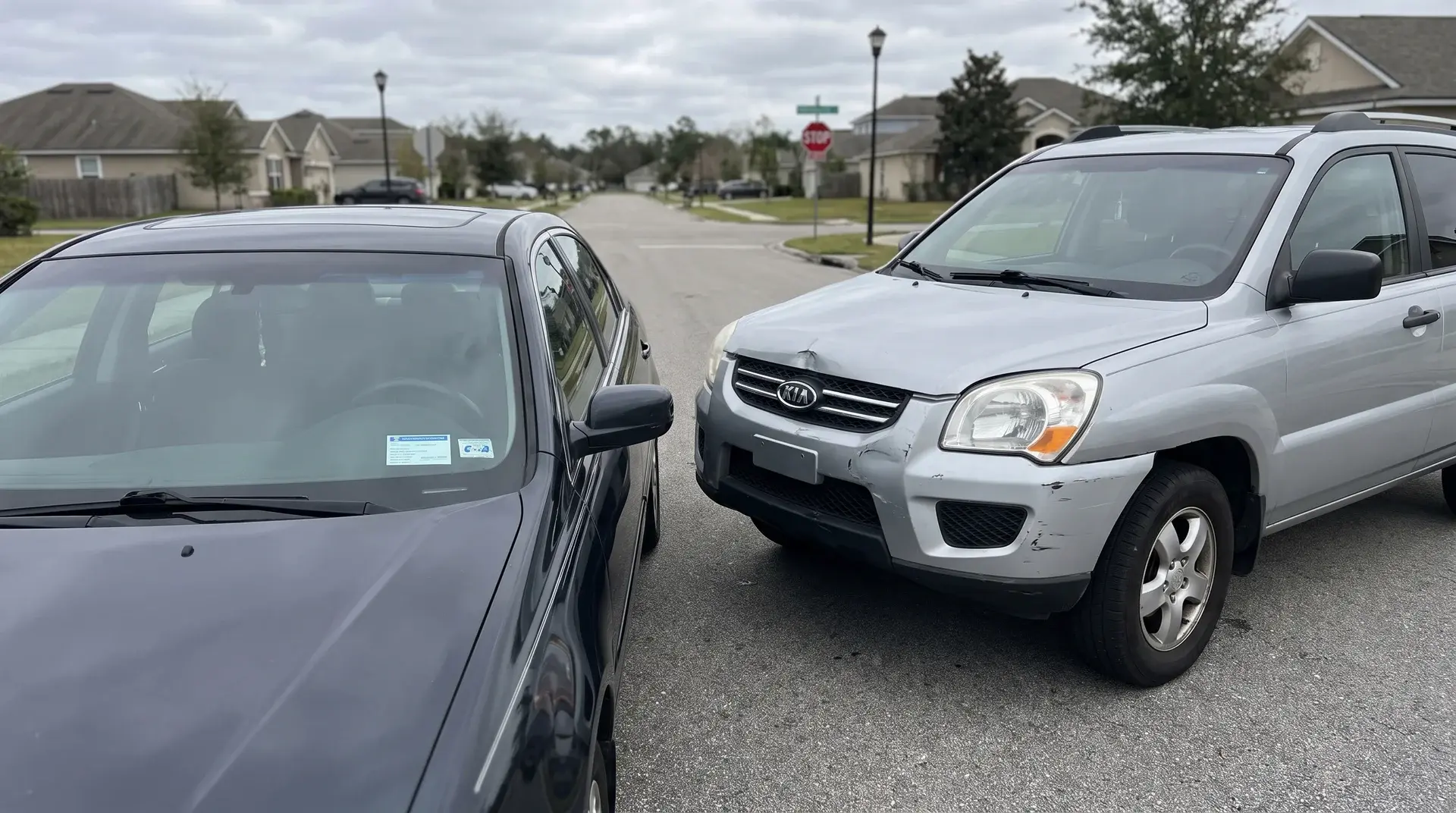
A car accident throws a lot at you at once. Medical bills, a damaged car, calls from two different insurance companies. No fault insurance changes how one part of that mess gets handled.
It shifts who pays your injury costs first, and that single detail changes almost everything about how your claim moves. Most people only learn how it works after they need it.
I’ve watched people assume this coverage does more than it actually does, and that assumption costs them time. Here’s what it really covers, what it leaves out, and why the rule exists at all. Let’s start with what it actually means.
What Is No-Fault Insurance?
No fault insurance means your own auto policy pays for your injury costs after a crash. It doesn’t matter who caused it.
That trips people up at first. “No fault” sounds like it means nobody gets blamed for the accident. It doesn’t.
Fault still gets determined behind the scenes. The term only describes who pays your medical bills first: your own insurer, not the other driver’s.
This system isn’t standard everywhere. Some states require it. Others let drivers choose it alongside a traditional policy.
If you’re not sure which setup applies to you, your insurance card or policy declarations page will say. Look for “PIP” or “Personal Injury Protection” listed as a coverage.
What Does No-Fault Insurance Cover?
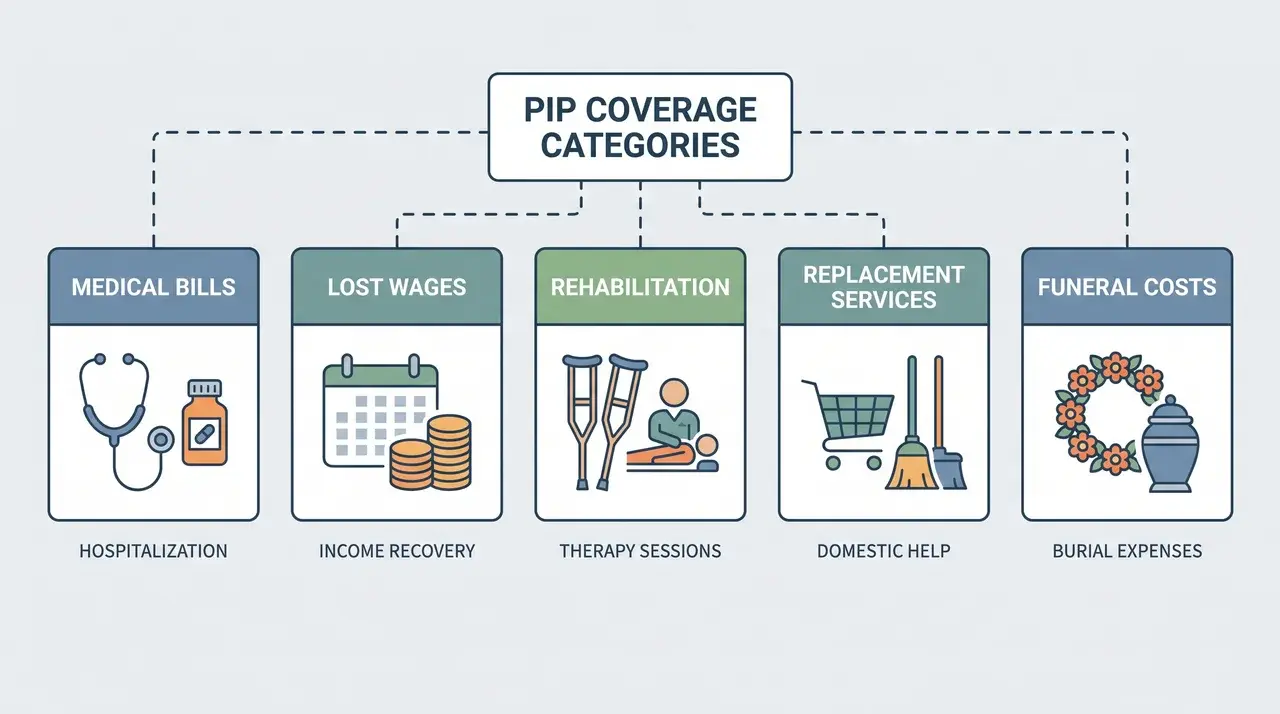
No-fault coverage, usually called Personal Injury Protection or PIP, pays for specific costs tied to your injuries. Here’s what that includes:
- Medical bills: Doctor visits, surgery, hospital stays
- Lost wages: A portion of your income while you can’t work
- Rehabilitation: Physical therapy and medical equipment you need to recover
- Replacement services: Help with tasks you can’t do yourself, like childcare or cleaning
- Funeral costs: If the crash is fatal
These categories are fairly consistent across policies. What changes is the dollar amount.
Every PIP policy has a limit. Once you hit it, the coverage stops paying, even if your medical bills keep coming. Your policy or state sets that limit, so check yours before you assume you’re covered for everything.
What Doesn’t No-Fault Insurance Cover?
No-fault insurance only pays for your injuries. It doesn’t touch anything else the crash damaged.
Your car’s repairs aren’t included. Neither is the other driver’s car. Liability or collision coverage handles that damage instead, and it’s a completely separate part of your policy.
This is where a lot of confusion starts. People assume “no fault” means one policy handles the whole accident. It doesn’t. You could easily have two claims running side by side: PIP paying your medical bills, and liability coverage sorting out the vehicles.
The same split applies to people. No-fault won’t pay for injuries to anyone in the other car. Their own PIP coverage handles that, just like yours handles you.
The system also has an exit door. If your injuries are severe enough to meet your state’s legal definition of “serious,” you can step outside no-fault and sue the other driver directly. Minor injuries usually don’t qualify.
One more thing PIP skips entirely: theft or vandalism. Those aren’t crash injuries, so they fall under a different type of coverage altogether.
What Are The States With No-Fault Insurance?
Twelve states currently run mandatory no-fault systems.
- Florida
- Hawaii
- Kansas
- Kentucky
- Massachusetts
- Michigan
- Minnesota
- New Jersey
- New York
- North Dakota
- Pennsylvania
- Utah
Three of those states work a little differently. New Jersey, Pennsylvania, and Kentucky let drivers choose between no-fault coverage and traditional tort coverage, so you’re not locked into one system just by living there.
A handful of other states offer “add-on” no-fault coverage instead of requiring it. Drivers there can buy PIP coverage voluntarily, but it sits inside a fault-based system rather than replacing it.
This list isn’t permanent. States adjust their insurance laws over time, so check your state’s department of insurance site for the current rule before you assume anything about your coverage.
Why Does No-Fault Insurance Matter?
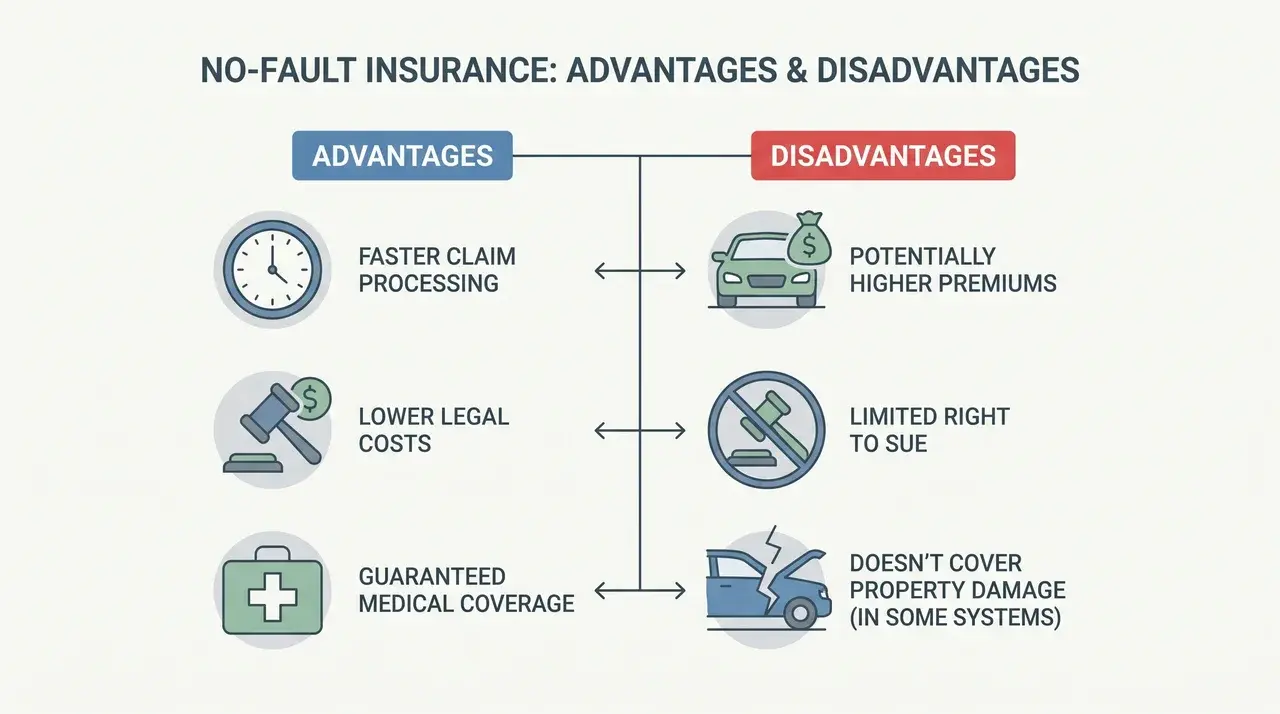
No-fault insurance comes with a trade-off built into the system. Here’s how the advantages and disadvantages stack up.
| Advantages | Disadvantages |
|---|---|
| Your medical bills get paid faster, without waiting on a fault investigation | You typically can’t sue for minor injuries, even if the other driver was clearly at fault |
| No arguing with the other driver’s insurer to get your injury costs covered | Coverage stops once your PIP limit is reached, no matter your actual costs |
| Fewer lawsuits mean fewer delays tied up in court | Strict filing deadlines apply, sometimes just days after the crash |
| Works the same way regardless of who caused the accident | You lose this protection entirely if you miss your treatment window |
The core trade is speed for rights. You get paid faster, but you give up some ability to pursue the other driver directly. Knowing your policy’s limits and deadlines is what makes that trade work in your favor.
Conclusion
No fault insurance can feel confusing after a crash, but I want you to know it does not decide who caused accident or remove fault rules.
Your insurer usually handles your injury costs first, while damage claims and other losses follow separate coverage paths based on your policy and the situation.
The trade-off becomes clearer when you compare speed with legal options because faster payments may mean fewer chances to sue for minor injuries after crashes.
I recommend checking your declarations page now so you know your PIP limits and deadlines before a crash happens and decisions become harder under stress.
Frequently Asked Questions
What Does No-Fault Insurance Mean?
It means your own insurer pays your medical bills and lost wages after a crash. This happens no matter who caused it. The name refers to who pays first for your injuries, not to whether fault gets determined. Vehicle damage and other people’s injuries still go through separate liability coverage.
Is No-Fault Insurance a Good Thing?
It depends on what you value more. You get medical bills paid faster, without waiting on a fault investigation. In return, you give up the right to sue over minor injuries unless they meet your state’s threshold for a serious injury.
How Does Insurance Work when It’s Not Your Fault?
Your PIP coverage still pays your injury costs first, regardless of fault. Liability coverage separately handles vehicle damage based on who actually caused the crash. Both can apply to the same accident at once, just through different parts of your policy.
What Happens After a Car Accident that Is Your Fault?
Your PIP coverage still pays your own injury costs. It doesn’t depend on fault at all. Being at fault mainly affects your liability coverage, which pays for the other driver’s vehicle damage and injuries instead.