

You can feel a dispute building before anyone files a single paper in court. Every day you wait without clarity is another day the other side holds the advantage.
The legal system has a specific remedy for exactly this kind of uncertainty, and most people never hear about it until they are already deep in a fight they could have avoided.
A declaratory judgment lets you bring the question to a court early. You secure a binding ruling on where the law actually stands and move forward with real clarity instead of a guess.
Here is what it covers, when it applies, what courts expect, and what the ruling can and cannot do once it lands.
Note: This content is for general informational purposes only and does not constitute legal advice. Consult a qualified attorney regarding your specific situation.
What is a Declaratory Judgment?
A declaratory judgment is a court’s official ruling on what the law, a contract, or a party’s legal rights mean in a given situation.
Unlike most court orders, it stops at the declaration and does not extend to enforcement.
The court does not direct anyone to pay money, surrender property, or change their behavior. The remedy exists to declare the legal position clearly and enter it into the permanent record.
That distinction carries more practical weight than it appears to on the surface.
Many people assume that winning in court automatically forces the other side to do something concrete. With this remedy, prevailing means the legal question is settled formally and permanently.
That is a different kind of victory, but it can be just as valuable depending on what you actually need from the court. The ruling carries the same legal authority as any final court order.
Neither party can revisit or relitigate that question in a future proceeding once it is entered into the record.
What Situations Call for This Type of Court Ruling?

The remedy fits a specific kind of problem: you are already in a live legal dispute, but no one has technically done anything wrong yet.
You are not waiting for harm to happen. Instead, you ask a court to settle the legal question before it becomes far more expensive and time-consuming.
Here is where it shows up most often in practice.
1. Insurance Disputes

A policyholder files a claim, and the insurer believes the policy does not cover it. Neither side wants to wait for a full lawsuit to find out who is right.
An insurer can seek a declaratory judgment to get the court’s decision on whether the policy covers the situation at all.
A policyholder can do the same, forcing clarity before the insurer walks away from the obligation. The specific question courts are most often asked to resolve is the duty to defend.
This asks whether the insurer is legally required to cover the cost of defending the policyholder in related litigation.
The same early-clarity logic applies across many kinds of business litigation, not just insurance coverage fights.
The United States Courts’ official resource on civil cases confirms that declaratory relief is a recognized civil remedy for resolving disputes like these before they escalate into damages suits.
2. Patent and Intellectual Property Actions

A manufacturer is ready to launch a product. A competitor holds a patent and has made clear suggestions about infringement.
Filing for a declaratory judgment lets the manufacturer ask the court to confirm the product does not infringe before the competitor sues.
This is the clearest example of why the remedy exists: the commercial harm is real and immediate, even though no breach has technically occurred yet.
Waiting for the competitor to sue first means losing control of the timeline. Filing proactively puts the party seeking clarity in a much stronger strategic position from the start.
Patent non-infringement actions like this one are a standard legal tool for businesses navigating competitive intellectual property disputes.
3. Contract and Property Disputes

When a contract contains genuinely ambiguous language, both parties can spend years operating under different assumptions about what it requires.
In my years reviewing contract files, the disputes that drag on longest are almost always the ones where neither side sought a ruling on the ambiguous language early.
Seeking a court ruling on interpretation resolves that uncertainty before one side acts on their reading and the other side calls it a breach.
Property boundary disputes and zoning questions follow the same logic. The legal position gets established early, so both parties know exactly where they stand going forward.
What This Ruling Cannot Do?

Winning feels like a clear legal victory, and in formal terms it is. But many people walk away expecting something to happen immediately, only to find that nothing does.
The court has declared the legal position, and that carries real weight. But it has not handed the winning party a way to force the other side to comply, pay, or change course right away.
This is different from a standard civil lawsuit, where the losing side is typically ordered to pay damages or comply with an injunction.
Here is what the ruling does not cover:
- No payment ordered: The court confirms who holds the right but does not direct any transfer of money, compensation, or financial remedy to either party involved in the dispute.
- No behavioral mandate: Neither party receives an instruction to act, stop acting, or reverse a prior decision. The decision defines legal reality without compelling anyone to respond to it physically.
- No built-in enforcement: If the other party ignores the ruling, the winning side cannot act on the order alone. Returning to court with additional claims becomes the next step.
What the ruling does accomplish is fixing the legal ground permanently. When you do return to court, the declared position cannot be challenged or relitigated.
That is precisely what separates it from injunctive or compensatory remedies under civil law.
What Courts Require Before They Will Issue One?
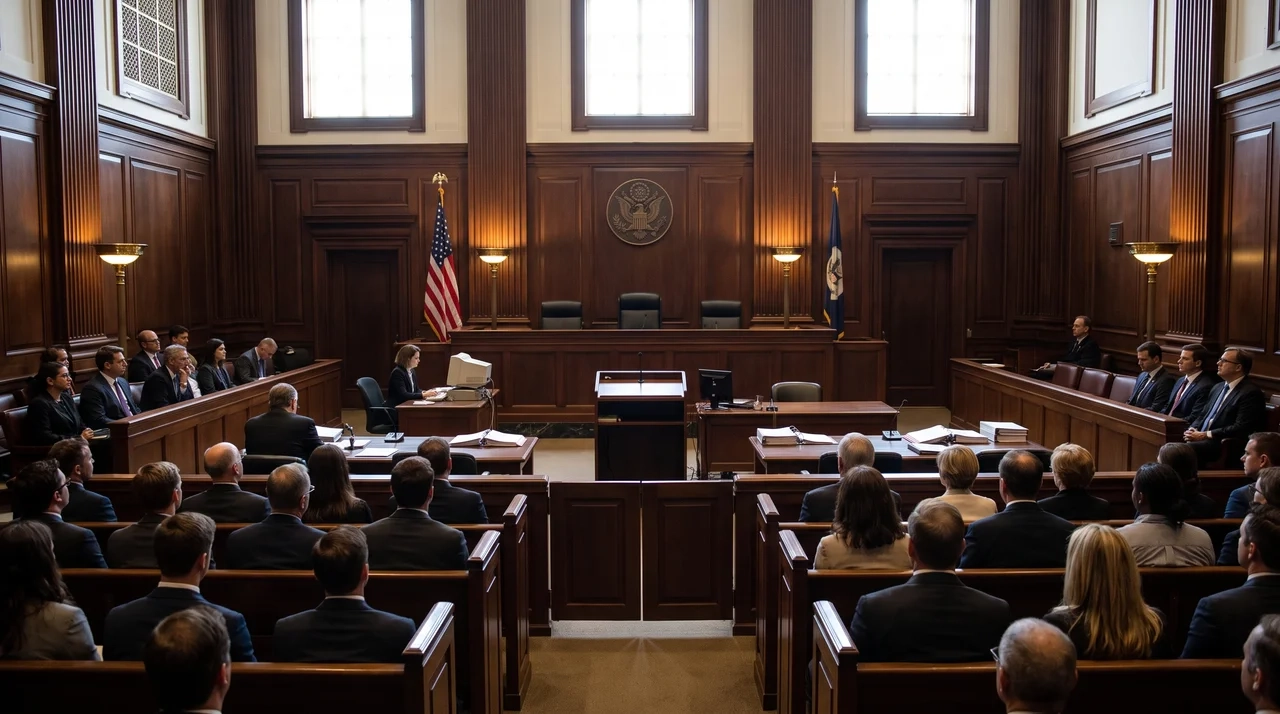
Courts do not grant this form of relief freely. Understanding what they look for before agreeing to hear a case can save you from filing something that gets dismissed early.
The threshold question every court asks is whether a real, live controversy exists between the parties right now. It is not enough to raise a concern about something that might happen down the line.
The Declaratory Judgment Act, 28 U.S.C. § 2201, requires that an actual controversy exist between the parties at the time of filing.
Speculative disputes and hypothetical concerns do not meet that standard, no matter how genuine the underlying anxiety feels to the party seeking relief.
Before a court will agree to hear your case, it will look for evidence that all of the following conditions are satisfied:
- Concreteness: The dispute is concrete and immediate, not built on events that may or may not occur in the future.
- Opposing positions: Both parties have already taken opposing legal positions, locking them into a genuine, identifiable conflict.
- Standing: The person filing has real legal standing, meaning they face actual exposure or harm tied directly to the unresolved legal question.
- Ripeness: The matter is ripe, meaning the legal question is developed enough to resolve without speculating about facts that have not yet materialized.
The real conflict has to have fully crystallized between the parties first.
According to the Legal Information Institute at Cornell Law School, the ripeness doctrine prevents courts from ruling on abstract questions.
The dispute must have produced a concrete legal conflict between real parties with genuinely opposing interests.
Conclusion
A declaratory judgment gives you a way to resolve legal uncertainty before it turns into a full dispute, and understanding how it works puts you in a much stronger position than waiting for the other side to act first.
You now know what the remedy actually does, where courts draw the line on what qualifies, and what the ruling can and cannot accomplish once it is issued.
If you came here wondering whether this applies to your situation, the honest answer is that it depends on whether a real, ripe controversy exists between you and the other party right now.
Speaking with a qualified attorney who handles court-issued declaratory judgment actions is the clearest next step you can take toward getting that question answered properly.
Frequently Asked Questions
What is an Example of a Declaratory Judgment?
A manufacturer facing a competitor’s patent infringement warning files suit asking a judge to confirm its product does not infringe. The court issues a binding ruling settling the question before any lawsuit or damages claim arises. This lets the manufacturer launch the product with legal clarity instead of waiting for the competitor to sue.
What Happens After the Court’s Declaration is Issued?
The ruling becomes part of the legal record with the same binding force as any final court order. Neither party can reopen or relitigate the declared question in later proceedings. If the losing party defies the ruling, the winner returns to court with a stronger, already-settled legal position.
What is the Difference Between a Declaratory Judgment and a Summary Judgment?
A summary judgment ends an active case by deciding who wins when no factual dispute remains to be tried. A declaratory judgment is a standalone remedy that clarifies a legal question, often before any breach occurs. Courts can combine the two, but their core purposes remain distinct.
What are the Disadvantages of a Declaratory Judgment?
The ruling clarifies the law but does not force either party to act on it. A winning party may still need to return to court if the other side ignores the declaration. Courts also retain discretion to decline these cases even when a valid, ripe controversy exists, under 28 U.S.C. § 2201.