

If you searched for the Venmo class action lawsuit, you probably found a mix of old news and new investigations mashed together, and it is hard to tell which one actually applies to you.
Here is the part most searches skip: there are three separate situations right now, and most Venmo users only match one of them, if any at all.
A linked bank account points to one track. A random referral text points to another. A transfer dispute points to a third.
None of them overlap, so knowing which one fits your account matters more than knowing all three exist.
Before matching your situation to one, it helps to know exactly what this kind of case involves.
What is the Venmo Class Action Lawsuit?
A Venmo class action lawsuit is a case in which one or more people sue Venmo or PayPal on behalf of a larger group with similar legal complaints.
These lawsuits can involve unauthorized transactions, privacy concerns, disputed fees, or claims that Venmo used misleading or unfair business practices affecting many users at once.
Because the claims are combined into one case, users with similar experiences may automatically become class members if they meet the court’s specific eligibility requirements.
If the lawsuit succeeds or settles, eligible users may receive money, account credits, refunds, or another form of relief depending on the final settlement agreement.
What Signs Suggest You Might Be Affected by a Venmo Investigation?
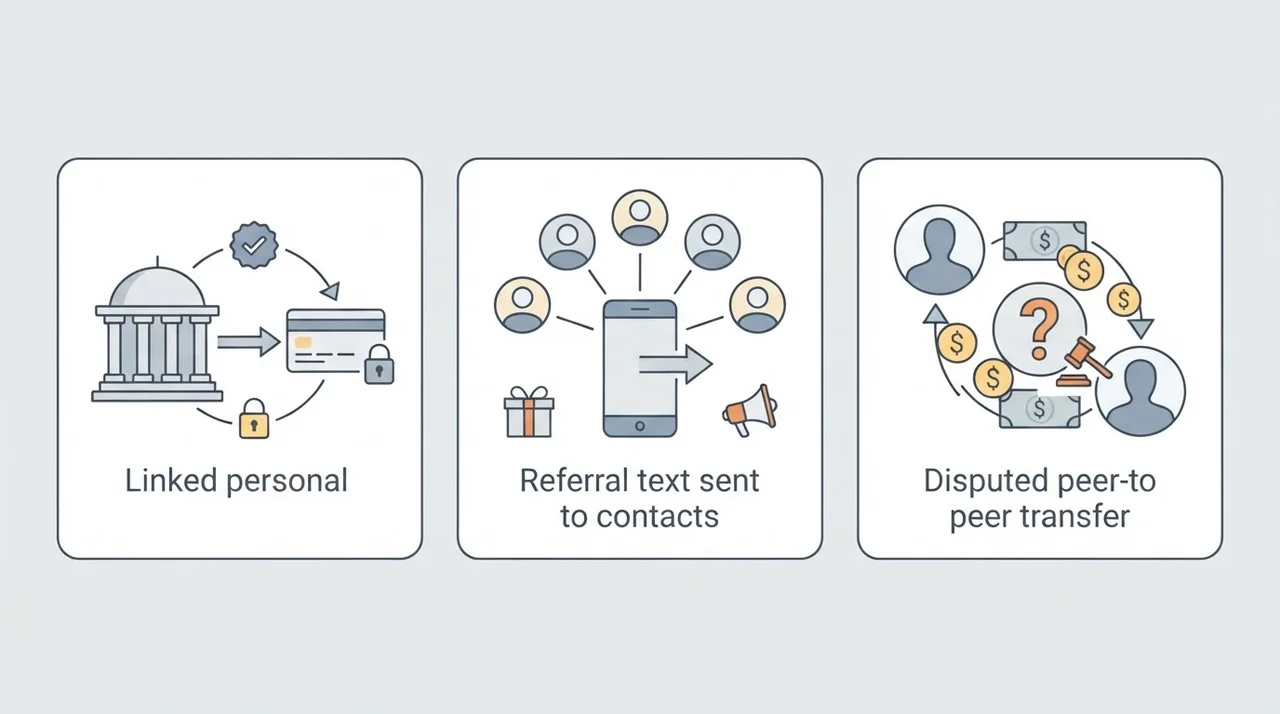
There are three separate Venmo-related investigations right now. Each one ties to a different type of account activity. You could match one, two, or none of them; matching one doesn’t mean the others apply to you.
1. Linked Bank Account Through Plaid
If your Venmo account connects to a personal bank account, check the first. The concern is whether that verification screen handled your login details and financial data properly.
If you don’t have a linked bank account, this track doesn’t apply to you.
2. Received a “Refer a Friend” Text
Did Venmo’s referral feature send a text to your contacts without clear permission? That’s the trigger here.
This one centers on state anti-spam text laws, not your account settings.
3. Disputed or Unresolved Transfer
If you’ve had a peer-to-peer transfer go wrong and felt the resolution process fell short, this is your track. It’s the least developed of the three right now.
Why are There Both Old Settlements and New Investigations? Understanding the Difference

The confusion comes from treating every legal matter connected to Venmo or Plaid as part of the same case. In reality, past settlements and current investigations serve very different purposes.
The table below separates completed matters from ongoing reviews, so you can see what has already happened and what remains possible.
| Issue | Current Status | What It Means for You |
|---|---|---|
| Plaid $58 million settlement | Closed and paid out | New claimants cannot join it |
| FTC action involving Venmo | Closed in 2018 | No current payout is available |
| Bank verification privacy | Under investigation | A lawsuit has not been certified |
| Referral texts | Under investigation | No settlement fund exists |
| Disputed transfers | Under investigation | A case may or may not be filed |
Submitting your information to a law firm now does not mean you have filed a claim. It usually helps attorneys decide whether enough similar complaints exist.
That distinction matters because an investigation can end without a lawsuit. Until a case moves forward, there is no guaranteed class membership, settlement, or compensation.
This same two-track pattern shows up across other tech privacy disputes, too.
The Google Incognito lawsuit spent years as a private case before any settlement terms were finalized, which is a useful reminder that an active investigation and an active payout are two very different stages.
How Do You Confirm Eligibility and Verify a Sign-Up Site Is Legitimate?
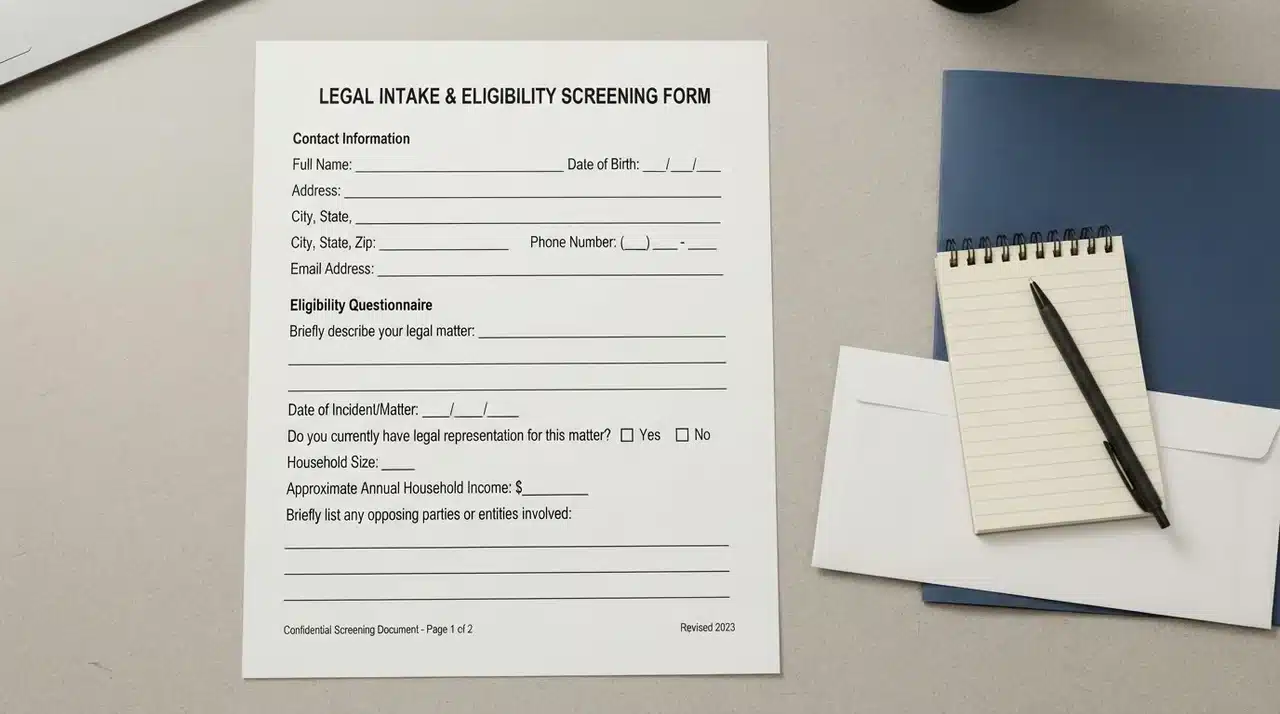
Checking eligibility is usually simple. The harder part is deciding whether the website asking for your personal details is actually connected to a legitimate law firm.
A genuine screening form normally asks only for basic contact information and a few questions about your account or experience. Anything more sensitive deserves caution.
- Basic details only: Name, email, phone number, and simple eligibility questions are normal requests during an initial case screening.
- No banking credentials: A law firm should not need your bank login, Venmo password, debit card PIN, or other financial credentials to check eligibility.
- Check the firm behind it: Established firms usually provide attorney information, past case results, contact details, and a physical business address you can verify.
- Watch for anonymity: If you cannot identify who operates the website or find reliable information about the firm, treat the form as a warning sign.
A legitimate firm has a public reputation attached to its name. An anonymous website asking for sensitive information gives you far less reason to trust it.
In practice, the intake forms worth avoiding are almost always the ones that ask for something a real screening never needs, like a bank password or a one-time verification code.
If a form clears these checks and a case does eventually move forward, a class action lawyer can walk you through what comes next and what your specific rights are.
What If You Already Shared Your Banking Details?
If you already entered a bank login, card number, or Venmo password into a site you’re now unsure about, treat it as a security issue first and a legal question second.
Contact your bank or card issuer right away to flag possible unauthorized access. Change your Venmo password and any reused passwords elsewhere.
Watch your account statements closely for a few billing cycles, and report the site to the FTC at ftc.gov/complaint so it becomes part of the record.
What Should You Do Next?
No current Venmo investigation has reached a certified class or a settlement. Right now, the only realistic move is to watch, not wait for a check.
Registering with a law firm or a class-action tracking site costs nothing. It doesn’t commit you to anything either. You’re just adding your name to a list, in case the case moves forward.
If it never gets certified, nothing happens. If it does, you’ll already be on record. One thing to skip no matter what: never type your banking password or account credentials into one of these forms.
Your name, email, and basic account facts are enough. That’s all any legitimate registration needs from you.
Conclusion
The Venmo class action lawsuit discussion is easy to misunderstand because old settlements and current investigations often appear together online. The important point is that each situation has its own trigger.
A linked bank account, referral text, or disputed transfer does not automatically place every user in the same group.
Past payouts are already closed, while current reviews have not yet become certified class actions or confirmed settlement funds.
That means your safest step is to check which issue matches your account, use only trusted law firm or case tracking pages, and never share banking passwords.
Think one of these signs applies to you? Register your interest carefully and keep watching for official updates.
Frequently Asked Questions
Is the Venmo Class Action Lawsuit Legitimate?
Real law firms and legal-tracking sites are running these investigations, but none has become a certified class action yet. Legitimate intake forms only ask for basic contact and account details, never a full bank login. Treat any request for your banking password as a red flag, no matter which site is asking.
How Do I Join the Venmo Class Action Lawsuit?
There is no single lawsuit to join yet, since these are still pre-litigation investigations. You can register your interest through a law firm’s evaluation page or a class-action tracking site by sharing basic contact details and confirming which trigger matches your account, such as a linked bank connection or an unwanted referral text.
How Much is the Venmo Class Action Lawsuit Payout?
There is currently no confirmed payout, since no active Venmo investigation has been certified as a class action or settled. For comparison, the related but separate Plaid settlement paid eligible users from a $58 million fund back in 2022. Any future Venmo-specific payout would depend on case certification and negotiated terms.
What’s the Difference Between the Plaid Settlement and Current Venmo Investigations?
The Plaid settlement is closed: it paid $58 million to eligible users back in 2022 over bank-login screen practices. Today’s Venmo-related items are different. Bank verification privacy, referral texts, and disputed transfers are separate, ongoing investigations with no certified class and no guaranteed payout at this stage.