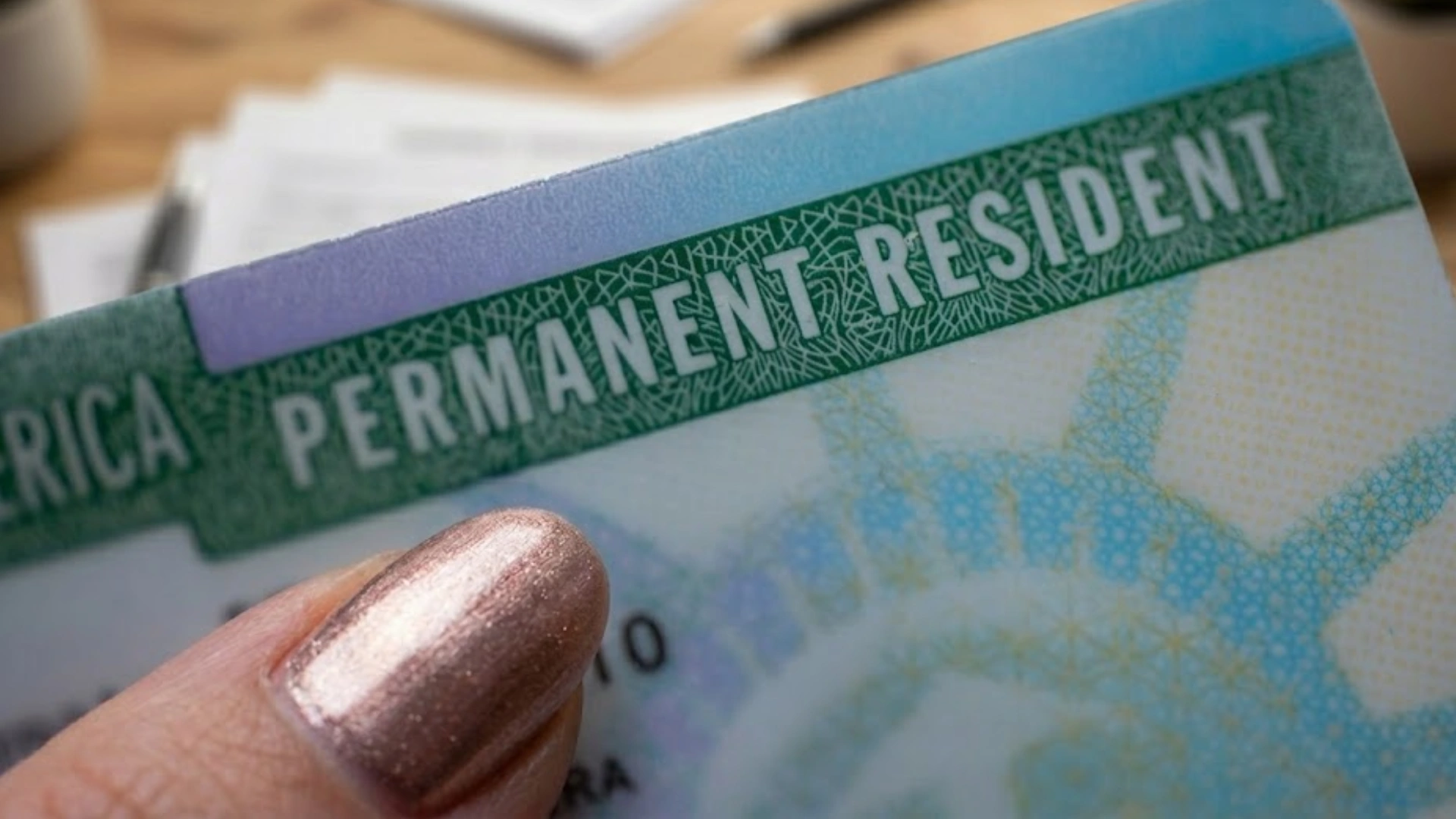
Many people look at their green card and feel confused about which number to use, especially since there are several numbers printed on it and all of them seem important at first glance.
This confusion usually shows up when filling out forms, applying for jobs, or handling official paperwork, where even a small mistake can cause delays.
Knowing where to find the card number on a green card can save time and help avoid errors that are easy to make under pressure.
This blog keeps things simple and clear. It explains what the number is, where it appears on the card, how it differs from other numbers, and when it is actually required in real situations.
By the end, the details around this small but important number will feel easy to understand.
What is the Card Number on a Green Card
The card number on a green card is a unique 13-character mix of letters and numbers printed on every Permanent Resident Card issued by USCIS.
It is linked to the physical card, not the person using it. If the card gets renewed or replaced, this number changes with it.
This number is often called the receipt number or USCIS number in casual use, but those terms can mean different things in official records.
It is easy to mix it up with the A-number, which stays the same for life. The card number does not work that way since it is tied to one specific card version.
It usually starts with three letters followed by ten digits. This pattern helps USCIS track that exact document in their system.
On the card, it may appear as USCIS# or Card#. Some forms may also call it the document number or I-551 receipt number, but they all point to the same detail.
For those who are still sorting out the difference between immigration documents, understanding the green card and visa differences can help clarify why each document carries its own set of identifiers.
What Each Part of the Card Number Means
The card number is not a random string. Each part has a purpose, and understanding it makes the whole number easier to read and verify. Here is how it breaks down using an example like MSC2503054321:
First 3 letters (e.g., MSC): This shows the USCIS service center that handled the application. Common codes include:
- EAC: Vermont Service Center
- WAC: California Service Center
- MSC or NBC: National Benefits Center
- TSC: Texas Service Center
- VSC: Vermont Service Center
- SRC or LIN: Nebraska Service Center
Next 2 digits (e.g., 25): These represent the USCIS fiscal year in which the case was received. The fiscal year runs from October 1 to September 30, so 25 means the case was filed between October 2024 and September 2025.
Next 3 digits (e.g., 030): This shows the working day of that fiscal year when the case was opened. It does not include weekends or federal holidays.
Final 5 digits (e.g., 54321): This is the unique case number assigned to that specific application.
I have found that knowing how to read this number becomes useful when there is a chance of an error in earlier paperwork.
When I break it down step by step, it becomes easier to check if the details match the original petition records. Even a small mismatch in the service center code or number sequence can point to a typing mistake.
Catching these errors early helps avoid processing delays and keeps everything on track when dealing with official forms.
Why the Card Number Matters
The card number does more than just sit on the card. It plays an important role in how your details are checked and processed across different systems.
First, it is used for identity verification. Employers, government offices, and agencies use it to confirm that a Permanent Resident Card is valid and matches USCIS records.
Second, the card number is required on several official forms. One common example is Form I-90, which is used to replace a green card. This number helps USCIS pull up the correct record without confusion.
Third, it helps track your application history. USCIS uses it to link past filings and status updates to your profile, which becomes useful if there is ever a mismatch or review.
When a form specifically asks for the card number on a green card instead of the A-number, entering the correct one from the right place helps avoid delays or rejection.
Where Exactly is the Card Number on a Green Card?
The location of the card number depends on when your card was issued, and getting this wrong is one of the most common sources of confusion.
Cards issued after May 2010 (modern cards): The card number is on the back of the card, embedded in the machine-readable zone (MRZ).
(13 characters of the first line, starting at position 16 and ending at position 28 of that 30-character line.
The less-than symbols are simply placeholders, not part of the number itself.
Cards issued before May 2010 (older cards): The card number typically appears on the front of the card, often near the bottom or the lower-right corner. The format is the same 13-character code, but the placement differs from newer versions.
Card Number on Green Card vs A-Number
These two numbers may look similar at first, but they serve different roles and are used in different situations across immigration and official records.
| Feature | Card Number | A-Number (Alien Registration Number) |
|---|---|---|
| What it is | Identifier tied to the physical card | Identifier tied to the individual person |
| Format | 13 characters: 3 letters + 10 digits | 7 to 9 digits, often with “A” |
| Changes on renewal? | Yes, it changes with a new card | No, it stays the same for life |
| Where found | Front lower right or back MRZ on older cards | Front of card, labeled A# or USCIS# |
| Primary use | Verifying the card and Form I-90 | Used in most immigration filings and checks |
| Used by the employer? | Sometimes, for Form I-9 | Commonly used across documents |
When You Will Need the Card Number
There are certain situations where this is the exact number you need to provide instead of the A-number, and understanding these cases helps avoid confusion while handling official tasks.
One of the most common uses is in immigration forms, especially Form I-90, which is used to replace or renew a green card, where USCIS relies on this number to locate the correct document in its system.
It may also be used during employment verification through Form I-9, where employers sometimes record the card number when a green card is presented as a List A document.
In addition, background check services and government agencies may request it to match the card with federal records for identity verification.
It can also come into use during international travel, where officers at ports of entry may check this number to confirm the validity of the re-entry document.
Applicants preparing for a USCIS appointment should also review common immigration interview questions to feel confident when their documents are reviewed in person.
Common Mistakes to Avoid
Small errors with this number can lead to delays or rejected forms, so it helps to stay careful and double-check details before submitting anything official.
- Confusing the A-Number with the card number: The “USCIS#” label on the front of your card refers to the A-Number, not the card number. These are different identifiers used in different fields on official forms.
- Wrong format entry: Missing letters or adding spaces can lead to errors since the number follows a fixed 13-character pattern
- Using old card details: Entering a number from an expired or replaced card can cause mismatches in USCIS records
- Confusing the pre-2010 and post-2010 card layout: On older cards, the number appears on the front. On newer cards, it is on the back in the MRZ. Checking the issue date helps you know where to look.
- Typing errors: Even a single incorrect digit or letter can delay verification or result in rejection of forms
What to Do If You Can’t Find the Card Number
If the number is not easy to spot, there are a few simple ways to locate it without guessing or using the wrong detail on forms.
- Check the back of your card first (if issued after May 2010): Look at the machine-readable zone at the bottom. The card number is the last 13 characters of the first line; it starts with three letters.
- Check the front (if your card is older, issued before May 2010): The number will be near the lower section of the front face in a similar 13-character format.
- Review USCIS notices and letters: Approval notices, receipt letters, or related documents may include the same number for easy reference
- Match with previously submitted forms: Any earlier immigration forms you filled out may already have the correct number recorded
- Contact USCIS support if needed: If you still cannot find it, reaching out to USCIS can help confirm the correct number safely
How to Protect Your Card Number?
While the card number is not as sensitive as your Social Security Number, it is still a document identifier that can be used to reference your immigration record. A few simple precautions help keep it secure.
- Do not post photos of your green card on social media or share them through unsecured channels.
- When photocopying your card for employers or agencies, confirm how the copy will be stored and who will have access to it.
- If storing a digital image of your card, use a password-protected or encrypted file rather than a standard folder or email attachment.
- Give out the card number only when it is specifically requested, for example, on Form I-90, Form I-9, or at a USCIS appointment.
Conclusion
Handling immigration paperwork is not always easy, and every number on a document has its own purpose.
Knowing how to find and correctly use the card number on a green card can help avoid mistakes and keep things moving without delays.
This number connects your physical card to USCIS records and helps confirm your status in different situations, like renewals, job verification, or travel checks.
Before filling out any form, it helps to double-check that the number entered is correct and not confused with the A-number.
Keeping a clear and secure digital copy of the card can make things easier when the details are needed quickly. If the card is damaged or hard to read, getting it replaced on time can prevent future issues.
Have you ever had trouble finding the right number on your card? Drop your experience in the comments below.
Frequently Asked Questions
Can Two Green Cards have the Same Card Number?
No, each card number is unique to a specific physical card, so even replacements or renewals will always have a different number.
Is the Card Number Printed the Same Way on All Green Cards?
The format stays the same, but the placement can differ slightly depending on when the card was issued.
Can I Use the Card Number to Check My Immigration Status Online?
No, this number is not meant for tracking status online, as USCIS usually requires a receipt number for that purpose.
What Happens if I Enter the Wrong Card Number on a Form?
It can lead to delays, requests for correction, or even rejection of the form if the mismatch is not resolved.
Is the Card Number Needed for Everyday Identification?
Not usually, as most general identification processes rely on other details unless the green card itself is being verified.