
April 15, 2026

Types of child custody can feel confusing at first. Separation or divorce is already tough, and when kids are involved, things tend to get more complicated, especially when parents have to decide how custody will work. Understanding this early can help reduce stress and avoid unnecessary conflict. Many parents assume custody is simple, where one parent has it and the other does not, but that is not how it actually works. Custody includes different rights and responsibilities, and each situation can look very different depending on the family. Courts do not follow a fixed pattern; their main focus is what works best for the child, so the final arrangement can vary from one case to another. This blog explains the main custody arrangements in a clear, simple way, while also covering how courts decide and the factors that matter most, so you can better understand the process. What is Child Custody? Child custody refers to the legal rights and responsibilities a parent has over a child after separation or divorce, including where the child lives, who makes important decisions, and how time is shared between parents. Courts do not automatically favor one parent; they focus on what works best for the child, known as the best interests of the child standard. Judges consider several factors when deciding custody, including the child’s age, each parent’s ability to provide a stable environment, and the relationship the child has with both parents. In some cases, parents can agree on custody terms through mediation or negotiation, and the court usually reviews and approves that agreement. Custody is not limited to divorce cases, as unmarried parents, grandparents, or even other relatives can request custody, and courts handle these situations using the same approach. The legal process can vary depending on the type of case, such […]
Getting a deposition notice in the mail can feel like the legal ground just shifted under your feet. If you
Lately, there has been a lot of chatter around one question: What is the new rule for senior drivers? Some
When a loved one passes away, most people expect their will to reflect clear and fair decisions. But sometimes, things
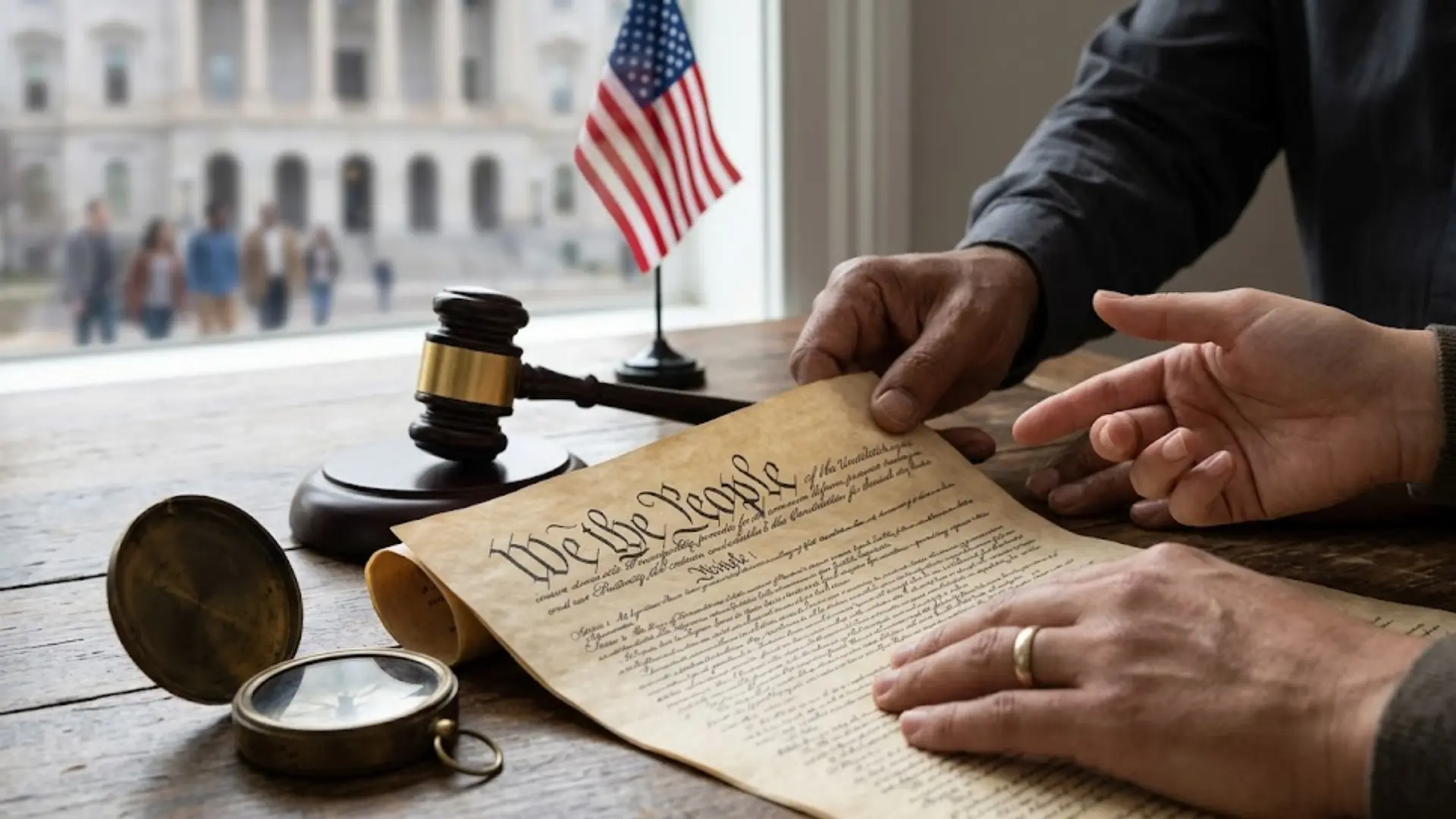
Questions about legal rights often spark strong opinions, confusion, and plenty of misinformation, especially when the topic is immigration. Many people assume the Constitution draws a clear line between citizens and non-citizens, but the reality is not always that straightforward. Legal protections, court interpretations, and real-world enforcement create a more layered picture than most expect. Understanding where those lines are drawn and why requires looking beyond assumptions and into how the law actually works in practice. From courtroom procedures to everyday interactions with authorities, the rules can shift depending on context, status, and location. This blog breaks down those complexities, helping clarify what the Constitution says, how courts interpret it, and where the boundaries begin and end. Does the U.S. Constitution Apply to Non-Citizens? Yes, the U.S. Constitution applies to non-citizens, including undocumented immigrants, but the scope of their rights is not identical to that of citizens. The Supreme Court first established this principle in Yick Wo v. Hopkins (1886), ruling that the Fourteenth Amendment applies to “all persons within the territorial jurisdiction, without regard to any differences of race, of color, or nationality.” That precedent has held for over 130 years. Courts, including the Supreme Court, have consistently affirmed that non-citizens are entitled to certain constitutional protections, particularly the rights to due process and equal protection under the law. I often explain it to clients this way: if you’ve lived in the same city for many years, have U.S.-born children, and pay taxes, your constitutional standing is meaningfully different from someone who crossed the border last week. The law recognizes that connection. This creates a balance where constitutional protections exist, but certain rights are restricted depending on immigration status and context. Key Constitutional Amendments That Apply Certain constitutional amendments play a central role in shaping how rights are applied […]

Most people preparing for their green card interview spend hours memorizing facts. Then they walk into the room, the officer asks something they didn’t expect, like what color their spouse’s toothbrush is, and everything goes blank. That’s not a failure of knowledge. That’s a failure of preparation strategy. After years of helping clients navigate USCIS interviews, I’ve seen the difference between people who pass on the first try and those who get sent back for more documentation. It almost never comes down to the paperwork. It comes down to how prepared they were for the conversation itself. This guide covers the actual immigration interview questions you are likely to face, organized by case type, with honest preparation advice built around the most common stumbling points I see. No matter whether you are preparing for a marriage-based, family-based, or employment-based green card interview, the same core principle applies: your answers need to match your application, and your documents need to back all of it up. What Actually Happens at a Green Card Interview A USCIS officer will review your I-485 application, verify your documents, and ask questions to confirm you’re eligible for permanent residency. That’s the official description. In practice, it’s a structured conversation where the officer checks two things: does your story match your paperwork, and does your paperwork match reality? Most interviews last 20 to 30 minutes. If your case is straightforward, clean history, solid documents, and no red flags, it can feel almost routine. If your case has complications, such as prior overstays, criminal records, or inconsistencies in your application, expect it to run longer and become considerably more specific. You’ll be asked to swear an oath to tell the truth before answering any questions. This isn’t a formality. Any false statement made after that oath is a […]

Most people writing a letter of recommendation for immigration have good intentions. They want to help. But good intentions don’t automatically translate into a useful letter, and in immigration, a weak recommendation can quietly work against the very person you’re trying to support. After years of reviewing immigration files, I’ve seen officers set aside letters that were full of warm words but short on substance. I’ve also seen a single well-written paragraph from a neighbor tip a discretionary decision in the applicant’s favor. The difference usually comes down to knowing what to include, who should write it, and how to frame it for the person reading it. This guide covers all of that, without the complex legal terms. What is a Letter of Recommendation for Immigration? An immigration letter of recommendation is a written statement from someone who knows the applicant, personally, professionally, or academically, that supports their visa, green card, or citizenship application. Under U.S. immigration law, specifically the Immigration and Nationality Act (INA), officers reviewing applications may consider evidence of good moral character and community ties when making discretionary decisions. A well-constructed letter of recommendation directly addresses both of those factors. It gives U.S. Citizenship and Immigration Services or an immigration judge a human picture of the applicant that paperwork alone can’t provide. It’s not always required, but when it’s done right, it adds real weight. It can reinforce moral character, show community ties, or demonstrate professional value depending on what the application needs. Who Should Write It? It matters more than most people realize. The best letters come from people who have known the applicant for at least a year or two, can speak from firsthand experience, and have some credibility. It includes an employer, professor, community leader, clergy member, or long-time friend, who is a U.S. […]

Many people look at their green card and feel confused about which number to use, especially since there are several numbers printed on it and all of them seem important at first glance. This confusion usually shows up when filling out forms, applying for jobs, or handling official paperwork, where even a small mistake can cause delays. Knowing where to find the card number on a green card can save time and help avoid errors that are easy to make under pressure. This blog keeps things simple and clear. It explains what the number is, where it appears on the card, how it differs from other numbers, and when it is actually required in real situations. By the end, the details around this small but important number will feel easy to understand. What is the Card Number on a Green Card The card number on a green card is a unique 13-character mix of letters and numbers printed on every Permanent Resident Card issued by USCIS. It is linked to the physical card, not the person using it. If the card gets renewed or replaced, this number changes with it. This number is often called the receipt number or USCIS number in casual use, but those terms can mean different things in official records. It is easy to mix it up with the A-number, which stays the same for life. The card number does not work that way since it is tied to one specific card version. It usually starts with three letters followed by ten digits. This pattern helps USCIS track that exact document in their system. On the card, it may appear as USCIS# or Card#. Some forms may also call it the document number or I-551 receipt number, but they all point to the same detail. For […]