

No weapon was ever found. No clear crime scene was ever proven. No confession ever came, but a person still ended up on death row.
That man was Scott Peterson, who was convicted of killing Laci Peterson and their unborn son, Conner, after a trial watched across America.
The Scott Peterson appeal matters because people still question the evidence, the jury issues, and the rulings that followed years later.
Even today, after all these years, this case still shows up in news coverage, true-crime shows, and everyday conversations.
I will explain the case background, trial timeline, evidence, appeal claims, media coverage, and latest updates without turning it into a messy recap.
But before the court fight begins, we need to understand who Scott and Laci Peterson were.
Who were Scott & Laci Peterson?
Scott Peterson and Laci Peterson were American citizens living in Modesto, California, when the case began in 2002.
Scott was 30 years old and worked as a fertilizer salesman. Laci was 27 years old, worked as a substitute teacher, and was 8 months pregnant with their unborn son, Conner.
Laci went missing on Christmas Eve after Scott said he had gone fishing at Berkeley Marina.
What began as a missing persons case in California’s Central Valley became one of the most heavily covered criminal stories in American broadcast history.
The Scott Peterson appeal that followed would keep the case alive in courtrooms for the next two decades.
Without knowing who Laci was, the rest of the Scott Peterson case loses its real weight, because this was about a woman, her unborn baby, and a family waiting for answers.
The First Trial of Scott Peterson
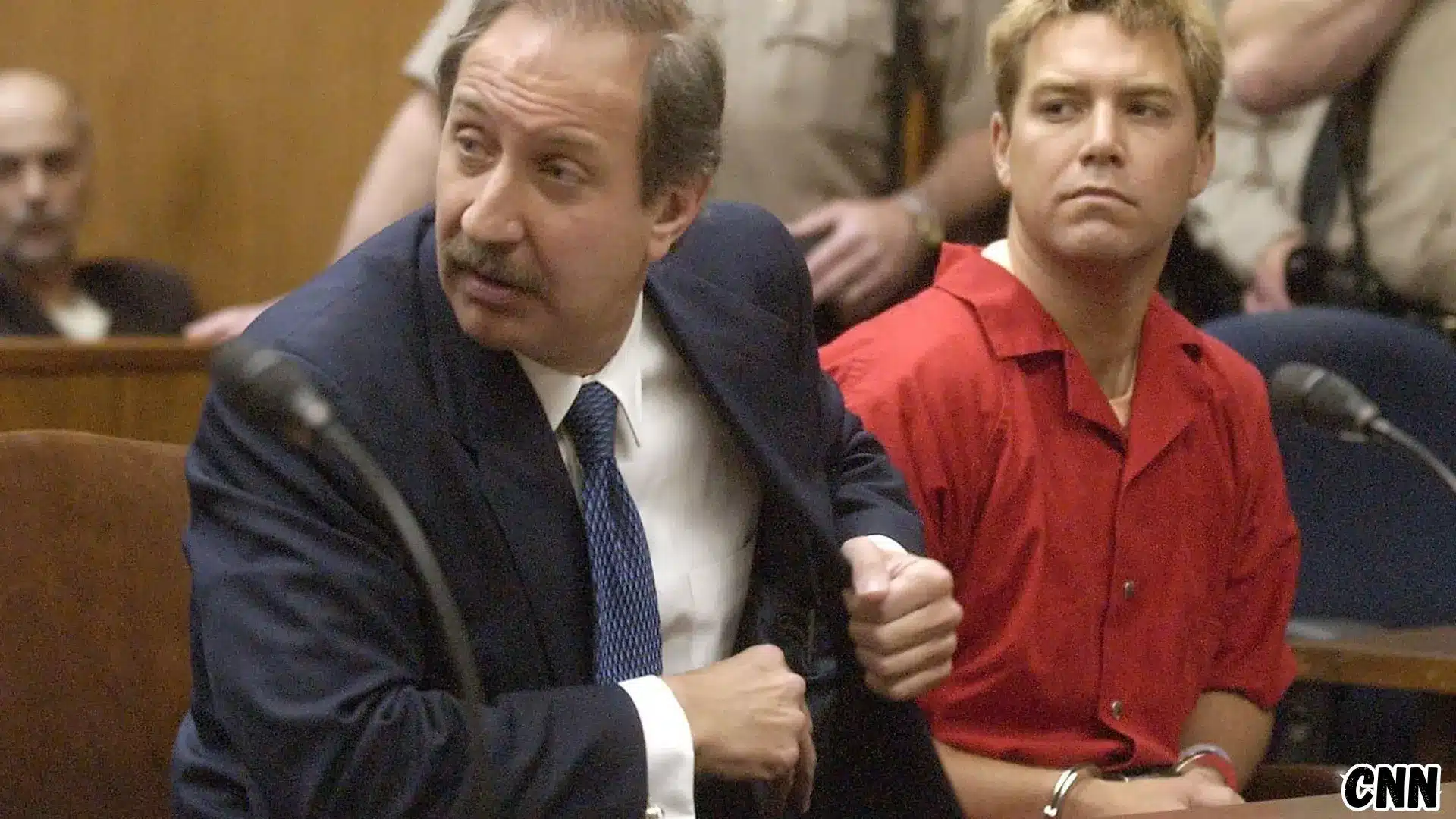
Scott Peterson’s first trial began on June 1, 2004, in Redwood City, California.
The case was moved from Modesto because the media coverage had already been so heavy that finding an impartial local jury was considered nearly impossible.
Scott was charged with first-degree murder for Laci Peterson and second-degree murder for Conner. Prosecutors argued that Scott killed Laci because he wanted to escape his marriage, his affair, and becoming a father.
The defense argued that Laci may have been taken after seeing a burglary near the Peterson home.
In November 2004, the jury found Scott guilty on both counts. On March 16, 2005, Judge Alfred Delucchi sentenced him to death by lethal injection.
That sentence was later overturned in 2020 due to jury selection errors, though his murder conviction remained in place. In December 2021, he was resentenced to life in prison without the possibility of parole.
Amber Frey’s Testimony And Recorded Calls
Amber Frey became one of the biggest parts of the trial because she showed Scott’s double life.
She had dated Scott before Laci went missing, and she said he told her he was single. After Laci’s case became public, Amber went to the police and helped record calls with Scott.
She recorded more than 300 calls over the course of the investigation. Those recordings hurt Scott’s defense badly.
Jurors heard him constructing false stories for Amber while his pregnant wife was still missing. Several jurors later cited those calls as a significant factor in their deliberations.
Scott Peterson Case: Full Timeline
Here is the simple timeline of the Scott Peterson case, from Laci’s disappearance to the latest appeal update.
| Date | Event |
|---|---|
| December 24, 2002 | Laci Peterson, who was eight months pregnant, was reported missing from Modesto, California. Scott told police he had gone fishing at Berkeley Marina. |
| January 24, 2003 | Amber Frey went public and said she had been dating Scott, while also helping police record their phone calls. |
| April 13 to 14, 2003 | The bodies of Conner and Laci were found near San Francisco Bay, close to the area where Scott said he had been fishing. |
| April 18, 2003 | Scott Peterson was arrested near San Diego with cash, several phones, dyed hair, and his brother’s ID. |
| June 1, 2004 | Scott’s trial began in Redwood City after the case was moved from Modesto because of heavy media coverage. |
| November 12, 2004 | The jury found Scott guilty of first-degree murder for Laci and second-degree murder for Conner. |
| March 16, 2005 | Judge Alfred Delucchi sentenced Scott Peterson to death by lethal injection. |
| August 24, 2020 | The California Supreme Court overturned Scott’s death sentence, but his murder conviction stayed in place. |
| December 2021 | Scott was resentenced to life in prison without the possibility of parole. |
| November 2023 | The Los Angeles Innocence Project formally took over Scott Peterson’s case. |
| August 4, 2025 | LAIP filed a habeas corpus petition with 14 claims about new evidence and suppressed evidence. |
| April 28, 2026 | Judge Elizabeth Hill denied the petition, and LAIP said it would take the case to a higher court. |
What Evidence was Used Against Scott Peterson?
The case against Scott Peterson was mainly built on circumstantial evidence, meaning prosecutors used many connected details instead of one direct confession, weapon, or crime scene.
1. Location Evidence
Scott told investigators he spent Christmas Eve alone on San Francisco Bay near Berkeley Marina.
In April 2003, the bodies of Laci and Conner were found near Richmond’s Point Isabel, in the same general waterway. Prosecutors argued this was not a coincidence.
The defense argued that if Scott had dumped the bodies there, he would not have chosen a place tied so directly to himself.
2. Forensic And Physical Evidence
Police found traces of blood on the couple’s bedspread and on the door of Scott’s truck.
Scott said both could be from the manual labor he did for work. Investigators also found a strand of hair on the pliers in Scott’s fishing boat.
Analysts said it was consistent with Laci’s hair, but no confirmed DNA match was made from that strand.
3. Suspicious Behavior And Flight Risk Evidence
When police arrested Scott on April 18, 2003, his vehicle contained over $15,000 in cash, four cell phones, his brother’s driver’s license, his sister’s credit card, camping and survival gear, multiple changes of clothing, and recently dyed hair.
Prosecutors used these details to argue that he looked ready to run. The defense said he was visiting family in San Diego and was not crossing the border.
4. Scott’s Own Contradictions
Scott kept saying he went to the marina, launched his boat, fished for sturgeon, and came home to find Laci gone. What hurt him badly were his recorded calls with Amber Frey.
In those calls, he created false stories for her while his pregnant wife was still missing. Jurors later said many small details, including Scott’s behavior, shaped their view of the case.
5. The Defense’s Alternative Theory
The defense argued that Laci may have been abducted by people connected to a burglary across the street from the Peterson home.
At trial, Mark Geragos could not prove that the burglary happened on December 24. Prosecutors said it happened later.
The Los Angeles Innocence Project has since argued that evidence tied to the December 24 burglary was suppressed.
If you want a deeper look at how courts categorize evidence, the types of evidence presented at trial varied significantly, and understanding those distinctions matters when evaluating how strong the case really was.
Why was the Death Sentence Overturned in 2020?
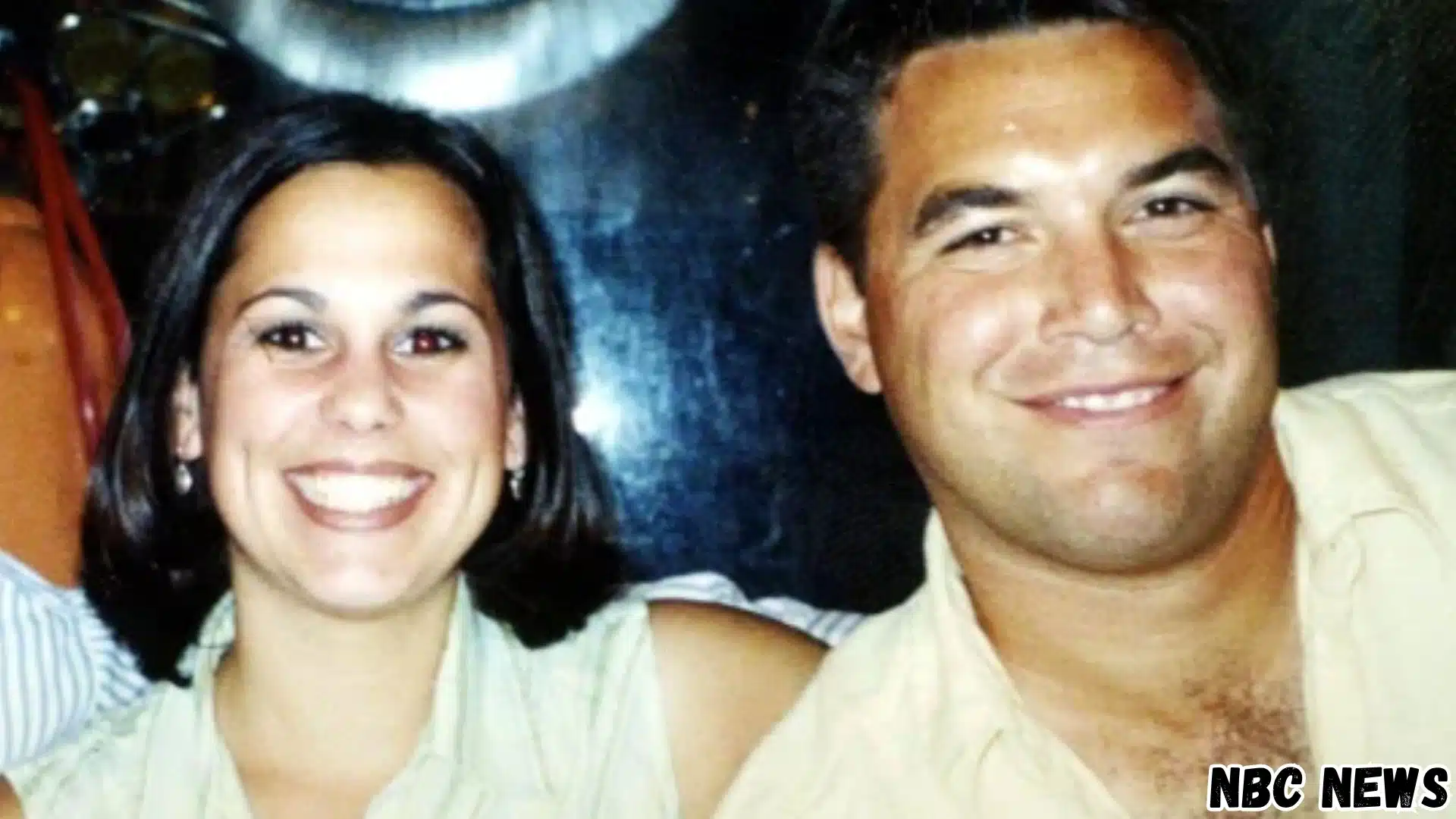
This is one of the most misunderstood parts of the Scott Peterson appeal.
On August 24, 2020, the California Supreme Court overturned Peterson’s death sentence because of jury selection errors.
The court said the trial judge improperly dismissed some possible jurors who had concerns about the death penalty. The ruling did not clear Scott Peterson. It upheld his murder conviction and changed only the sentence.
The juror misconduct issue centered on Richelle Nice, Juror No. 7. During jury selection, she said she had not been a crime victim or involved in a lawsuit.
A new trial was denied. Prosecutors also declined to retry the penalty phase, so Peterson was resentenced in December 2021 to life without parole.
Scott Peterson’s Appeal & The Innocence Project
The Scott Peterson appeal has continued for years because his legal team keeps arguing that the original trial did not show the full picture.
Since 2005, they have tracked filings, rulings, and legal updates connected to Peterson’s claim of innocence.
1. What is the Los Angeles Innocence Project?
The Los Angeles Innocence Project is a nonprofit legal group connected with California State University, Los Angeles. It works on cases where its team believes a person may have been wrongly convicted.
In November 2023, LAIP formally became Peterson’s counsel of record, replacing court-appointed attorney Correen Ferrentino.
2. Why Did LAIP Take Scott Peterson’s Case?
LAIP took the case because it argues that new evidence and suppressed evidence were never fully reviewed in the original proceedings.
On August 4, 2025, LAIP filed a habeas corpus petition in San Mateo County Superior Court, raising 14 separate claims.
A habeas corpus petition is a legal challenge asking a court to review whether a conviction resulted from constitutional violations, including the suppression of evidence, the use of false testimony, or scientifically unreliable forensic conclusions.
It is not the same as a new trial. It asks a court to examine whether the original proceeding was fundamentally fair.
3. What is LAIP Asking The Court To Review?
The petition focuses on three main claims. LAIP argues that new oceanographic science challenges the claims that prosecutors made about where the bodies entered the water.
Specifically, LAIP’s analysis points toward the Albany Bulb area rather than the location prosecutors argued Scott used. The modeling technology that supports this analysis did not exist when Peterson was tried.
It also claims police suppressed evidence tied to the December 24 burglary near the Peterson home. The group also challenges forensic claims about Conner’s date of death, saying the science is no longer reliable.
On April 28, 2026, Judge Elizabeth Hill denied the petition in its entirety, finding the new evidence claims either procedurally barred or lacking in merit.
Media, Public Opinion, & the Case that Never Closed
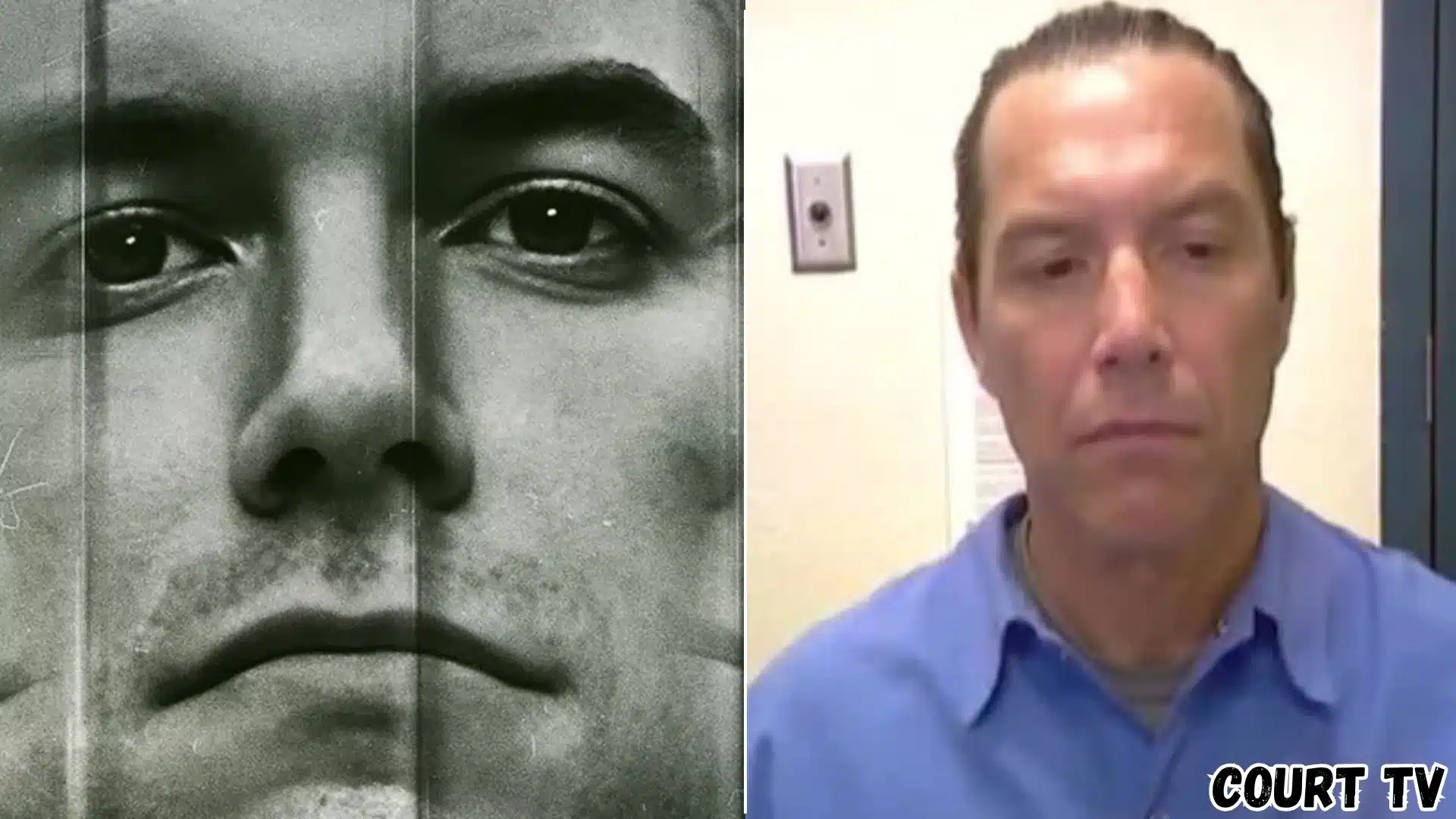
The Scott Peterson case became bigger than the courtroom because cable news, tabloids, documentaries, and true-crime shows kept returning to it.
The coverage was so heavy that the trial moved from Modesto to Redwood City before the first witness testified. Peterson’s legal team has argued that this media pressure shaped public opinion before the jury heard the full case.
Scott Peterson returned to public view in 2024 through Face to Face with Scott Peterson, his first on-camera prison interview in more than 20 years.
He maintained his innocence and spoke about his affair with Amber Frey, while Nancy Grace and other crime commentators strongly criticized his claims.
His earlier Diane Sawyer interview, police interviews, and Christmas Eve fishing story also kept the public debate alive. Few cases generated the same sustained public divide.
The combination of a victim who was eight months pregnant, a husband with a documented affair, and a conviction built on circumstantial evidence gave the case a narrative pull that most true-crime stories don’t sustain for two decades.
Why is This Case Still Discussed Today?
The Scott Peterson case is still discussed today because the legal, media, and evidence questions never fully stopped.
- Evidence gaps: Scott Peterson was convicted without a murder weapon, a clear crime scene, or a confirmed cause of death. Those gaps still make people question how strong the case really was.
- Laci and Conner’s story: Laci was eight months pregnant, and her unborn son already had a name. Their deaths made the case emotional, personal, and hard for the public to forget.
- Ongoing appeals: The Scott Peterson appeal keeps the case active because new filings, DNA testing requests, and Innocence Project claims continue to reach the courts.
- Media attention: True-crime shows, documentaries, old interviews, and the 2024 series keep bringing the case back into public view.
- Public divide: Some people believe the jury got it right, while others think important evidence was missed or never fully tested.
Where is Scott Peterson Today & Latest Updates?
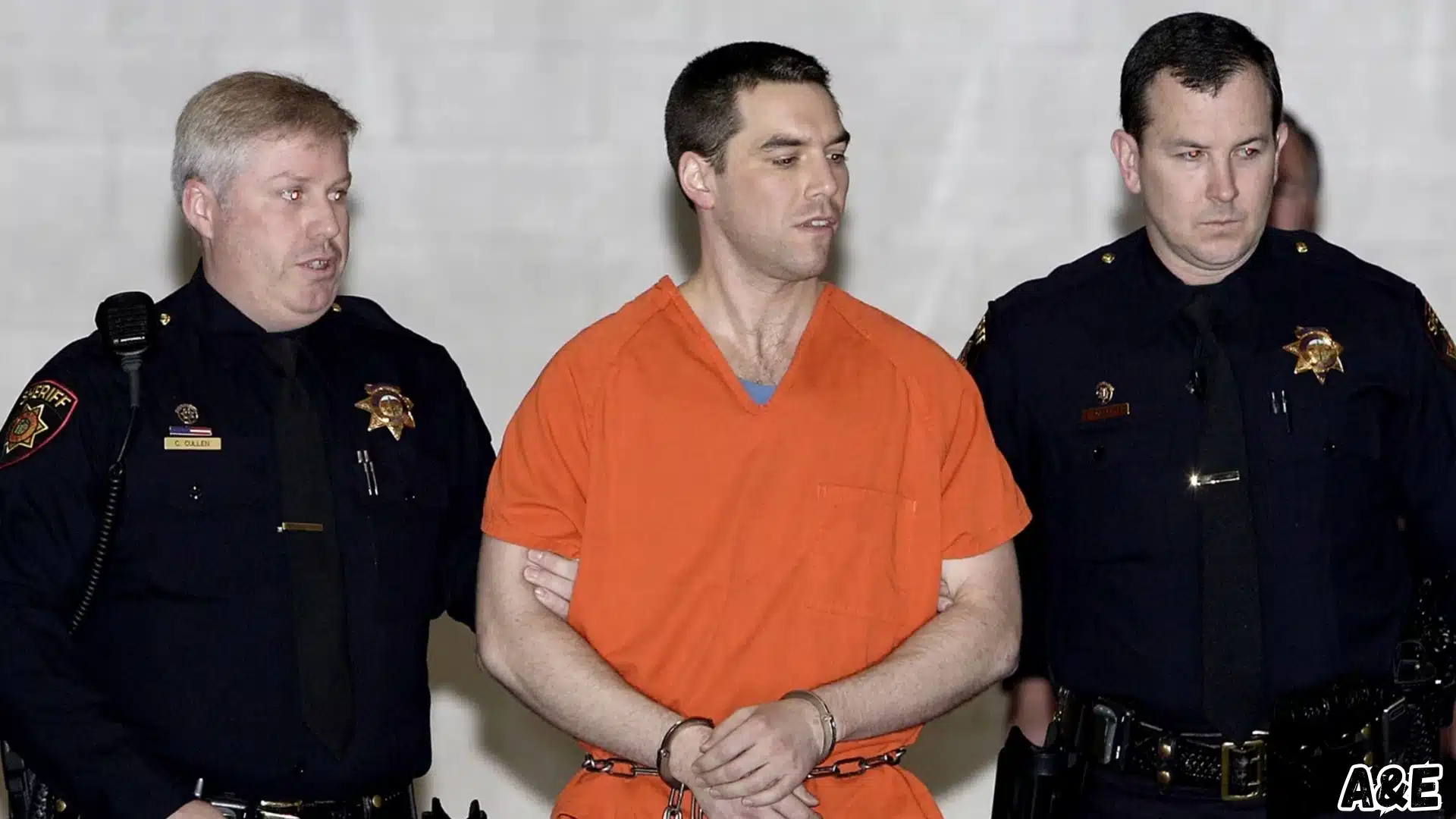
Scott Peterson is alive and serving life without parole at Mule Creek State Prison in Ione, California.
He was transferred there in late 2022 after spending years on death row at San Quentin. His death sentence was removed, but his murder conviction remains in place.
Peterson also withdrew a post-conviction discovery motion in early May 2026 before that matter reached a hearing.
The petition raised 14 claims about new evidence, suppressed evidence, and forensic questions. LAIP Deputy Director Hannah Brown criticized the ruling and said the group would take the petition to a higher court.
A separate juror misconduct petition also remains pending before the California Supreme Court.
What Could Happen Next in the Scott Peterson Appeal?
These are possible legal outcomes based on past rulings and current filings, not confirmed facts or guaranteed next steps.
- Higher court review: The Los Angeles Innocence Project may ask a higher court to review Judge Elizabeth Hill’s April 2026 ruling. If that court disagrees with the denial, the case could return for deeper review of the new evidence.
- Juror misconduct petition: A separate petition about Juror No. 7, Richelle Nice, remains pending before the California Supreme Court. If the court finds the issue serious enough, Scott Peterson’s team could get another chance to argue for a new trial.
- DNA testing result: The court allowed testing on duct tape found on Laci Peterson’s clothing during her autopsy. If new DNA points away from Scott Peterson, it could become an important part of his appeal.
- Conviction remains in place: The court could also reject every remaining claim. If that happens, Scott Peterson would keep serving life without parole at Mule Creek State Prison.
Conclusion
The Scott Peterson appeal is not only about one old verdict, because the questions around this case still feel active today.
Laci Peterson and Conner remain at the center, but the trial, evidence, jury issues, and later filings keep the debate alive.
I think this case stays hard to close because readers are not only asking what happened, but also whether every key detail was tested fairly.
If you came here searching for Scott Peterson today, the answer is clear, but the legal story is still moving. The courts may reject every remaining claim, or they may allow another review that changes how people see the case.
Either way, this case remains one of America’s most discussed criminal trials.
Do you think the Scott Peterson case was fully settled, or do the appeal claims deserve more review? Tell us in the comments below.
Frequently Asked Questions
Did Scott Peterson Ever Confess to the Murders?
Scott Peterson has never confessed.
He maintained his innocence at the time of his arrest in 2003, continued to assert it throughout the trial, and has filed multiple petitions since his conviction, arguing he did not kill Laci or Conner.
What Was Scott Peterson’s Demeanor During the Trial?
Jurors and courtroom observers noted that Peterson showed little visible emotion throughout the proceedings. Several jurors cited his apparent lack of reaction to evidence and testimony as a factor in their deliberations.
His defense team argued this was a reflection of his personality, not evidence of guilt.
What Happened to Amber Frey After the Peterson Trial?
Amber Frey published a memoir about her experience in 2005 and has given selective interviews about the case in the years since. She has largely stayed out of public life.
Her cooperation with Modesto police in recording over 300 calls with Scott is widely credited as one of the prosecution’s most consequential moves in building the case against him.
Could Scott Peterson Be Released through a Pardon in California?
A California governor has the authority to grant a pardon, but no sitting governor has indicated any intention to pardon Peterson.
Pardons in high-profile murder cases are uncommon in any state.