
In October 2016, 10-year-old Maya Kowalski was taken to a Florida emergency room with a documented diagnosis confirmed by specialists.
Her family had medical records, treating physicians, and an existing treatment plan. Within 24 hours, the hospital reported her mother for suspected abuse.
That is where the Maya Kowalski case began. Not in a courtroom or a Netflix documentary, but inside a hospital room where a mother pushed for the treatment her daughter’s doctors had prescribed, and the hospital decided that request raised red flags.
Nearly a decade later, the legal fight is still not over. As a personal injury attorney, I have seen how quickly medical disputes can turn into institutional battles.
This case raises a difficult question every family should understand: where does hospital authority end, and where do parental rights begin?
What is the Maya Kowalski Case?
Maya Kowalski is a young Florida woman whose family filed a civil lawsuit in 2018 against Johns Hopkins All Children’s Hospital (JHACH) in St. Petersburg.
The lawsuit alleged that hospital staff falsely imprisoned Maya during a 2016 hospital stay, separated her from her parents without a proper legal basis, and subjected her to conditions that drove her mother, Beata Kowalski, to take her own life.
The civil claims filed against JHACH and related defendants included:
- False imprisonment: Maya was held at the hospital for nearly three months under DCF custody without her parents’ consent
- Battery: Social worker Catherine Bedy was accused of inappropriately touching Maya during her stay
- Medical negligence: Dr. Sally Smith was accused of failing to properly evaluate and treat Maya’s confirmed CRPS diagnosis
- Wrongful death: the lawsuit alleged that the hospital’s conduct directly caused Beata Kowalski’s suicide
- Intentional infliction of emotional distress (IIED): the family alleged the hospital’s actions caused severe and foreseeable psychological harm
- Fraudulent billing: Jack Kowalski alleged that the hospital billed for services related to the wrongful detention
A jury found JHACH liable in November 2023, but a Florida appeals court reversed the judgment two years later, setting the stage for a new trial.
Maya Kowalski Case Timeline
Here’s a timeline of the key events, legal rulings, and turning points that shaped the Maya Kowalski case from Maya’s 2016 hospitalization to the ongoing appeals battle.










Maya Kowalski’s CRPS Diagnosis and Early Treatment
In the summer of 2015, then-9-year-old Maya began experiencing severe pain in her legs and feet. Her skin felt as though it was on fire. She had difficulty walking.
Her parents took her to multiple doctors, none of whom initially had an answer.
Eventually, Dr. Anthony Kirkpatrick, a specialist in pain management, diagnosed Maya with Complex Regional Pain Syndrome (CRPS) in September 2015.
CRPS is a central nervous system disorder that causes chronic, severe pain, typically in a limb. The condition is poorly understood and notoriously difficult to treat.
It has been described by the medical community as one of the most painful chronic conditions a person can have, and it is sometimes referred to informally as “the suicide disease” because the pain can become so intolerable.
Under Dr. Kirkpatrick’s supervision, Maya received ketamine infusions to manage her symptoms. The treatment worked.
JHACH’s own records from March, May, and August 2016 noted that Maya had CRPS and that she had improved significantly with treatment.
Her primary treating physician, a recognized CRPS specialist, confirmed the diagnosis multiple times and supported the treatment protocol her parents were following.
What Happened to Maya Kowalski in 2016?

The sequence of events during those 87 days, as established in court records, followed a pattern that became central to every claim in the lawsuit:
- October 7, 2016: Maya is admitted to JHACH; the pain management team questions her ketamine treatment plan
- October 8, 2016: social worker files Florida Child Abuse Hotline report; DCF opens investigation
- Mid-October 2016: DCF files a dependency shelter petition; Maya is placed in JHACH’s formal custody
- October through December 2016: Beata denied contact with Maya; supervised visits allowed only for Jack Kowalski and Maya’s brother
- November and December 2016: Maya was subjected to physical therapy described in court records as causing pain akin to torture for CRPS patients; CRPS treatment was withheld
- January 3, 2017: A judge rules the mother-daughter separation should continue
- January 7, 2017: Beata Kowalski dies by suicide; Maya is released from the hospital one week later
Court records described conditions during Maya’s stay as causing pain “more intense than childbirth, more intense than kidney stones, more intense than amputating one’s limb.” Throughout this entire period, Maya’s confirmed CRPS was going untreated.
Legal exposure becomes serious. You can read more about how medical malpractice cases are built around exactly these kinds of institutional failures.
Beata Kowalski’s Death and the Lawsuit that Followed
Beata Kowalski died by suicide in her garage on January 7, 2017. She left behind notes describing the anguish of being separated from her daughter and the despair of being unable to protect her.
A judge had ruled just days before her death that the separation from Maya should continue.
Maya was released from the hospital one week after her mother’s death and returned home to her father and brother.
In 2018, Jack Kowalski filed a civil lawsuit against JHACH, Dr. Sally Smith, and social worker Catherine Bedy.
The lawsuit alleged wrongful death, false imprisonment, battery, fraudulent billing, and intentional infliction of emotional distress.
The case was delayed by an appeal from the hospital and did not go to trial until September 2023.
Cases like this one, where institutional decision-making is at the center, tend to produce larger claims because both compensatory and punitive damages may be available.
Take Care of Maya: the Netflix Documentary and Media Coverage
Source: Netflix
In June 2023, Netflix released “Take Care of Maya,” directed by Henry Roosevelt.
The documentary focused on Maya Kowalski’s CRPS diagnosis, her 2016 hospital stay, and the events surrounding Beata Kowalski’s death. It quickly gained international attention.
The film included Beata’s voice through phone recordings and diary entries, showing her experience during the separation from her daughter.
The directors said the case reflected a broader issue where families accused of child abuse struggle against institutional systems.
Released two months before the civil trial, the documentary later became part of the appeal. JHACH’s legal team argued the film influenced public opinion and affected the jury’s fairness.
Hospital attorneys called it one-sided and argued it could not replace a proper judicial process.
The case received widespread media coverage from outlets including NBC News, NPR, Fox News, and Court TV, which livestreamed the trial.
The November 9, 2023, verdict, announced with Maya present in court, was widely shared online.
Public Reaction and National Response
Public reaction to the case was deeply divided.
Many viewers of the Netflix documentary supported the Kowalski family, believing the hospital had misused its authority against a mother challenging medical decisions.
Others, including medical professionals and child advocacy groups, defended mandatory reporting laws, arguing hospitals must report suspected abuse in good faith.
In January 2024, JHACH’s CEO told staff the hospital had “followed the law” and protected vulnerable children, comments that later drew criticism.
Advocates for family justice used the case to push for reforms in child abuse investigations involving rare medical conditions.
The CRPS community also rallied around the verdict, seeing it as recognition of a condition often misunderstood or dismissed. Maya’s statement that her pain felt like being “born with gasoline in my body” spread widely online after the trial.
The case became a major public discussion about patient rights, mandatory reporter immunity, and accountability within healthcare systems.
The 2023 Trial Verdict: What the Jury Decided?
After an eight-week civil trial in Venice, Florida, a six-person jury deliberated for just over 16 hours before returning a verdict on November 8, 2023. The jury’s findings against each defendant are summarized below:
The jury initially awarded the Kowalski family $261 million in compensatory damages, plus an additional $50 million in punitive damages. A judge later reduced the judgment to approximately $213.5 million following post-trial motions. JHACH immediately announced plans to appeal.
In January 2024, the trial judge issued a post-trial ruling describing JHACH’s conduct toward Maya and her family in terms akin to “torture” and criticized the hospital for continuing to defend its actions as exemplary medical care in the face of the jury’s findings.
This was one of the largest medical malpractice cases tried in Florida in recent years.
The legal complexity in cases of this kind is comparable to that in high-profile Florida cases like the Casey Anthony case, where public attention and legal procedure intersected in ways that complicated proceedings on both sides of the courtroom.
The 2025 Appeals Court Reversal: What Changed and Why?
On October 29, 2025, Florida’s Second District Court of Appeal issued a nearly 50-page ruling that reversed the full $213.5 million judgment against JHACH and ordered a new trial with significant limitations.
The core legal issue was Florida Statute Section 39.203(1)(a), which provides immunity to individuals and institutions that report suspected child abuse in good faith and participate in child protection proceedings in good faith.
The appeals court found that the trial judge had misinterpreted and misapplied this statute.
Once JHACH reported to DCF and DCF filed a dependency shelter petition placing Maya in the hospital’s custody, the court found that JHACH became an agent of the department and had legal authority to detain Maya under the statutory immunity framework.
Judge Black, writing for the court, stated that the trial court’s errors in applying the immunity statute, along with the erroneous denial of JHACH’s motions for directed verdicts, required reversal of the final judgment.
A concurring opinion from Judge Smith acknowledged JHACH’s conduct toward Maya as outrageous, but agreed on the statutory immunity issue. The table below summarizes what the appeals court reversed, dismissed, and allowed to proceed:
The ruling sorted each claim into one of two categories: dismissed under immunity or surviving for retrial.
From a legal standpoint, this ruling is not an endorsement of the hospital’s actions. The concurring opinion made that clear. What the court found was that the trial judge applied the wrong legal standard. That is a procedural error requiring a new trial regardless of how the jury felt about the underlying facts.
What Happens Next: the Retrial and New Allegations
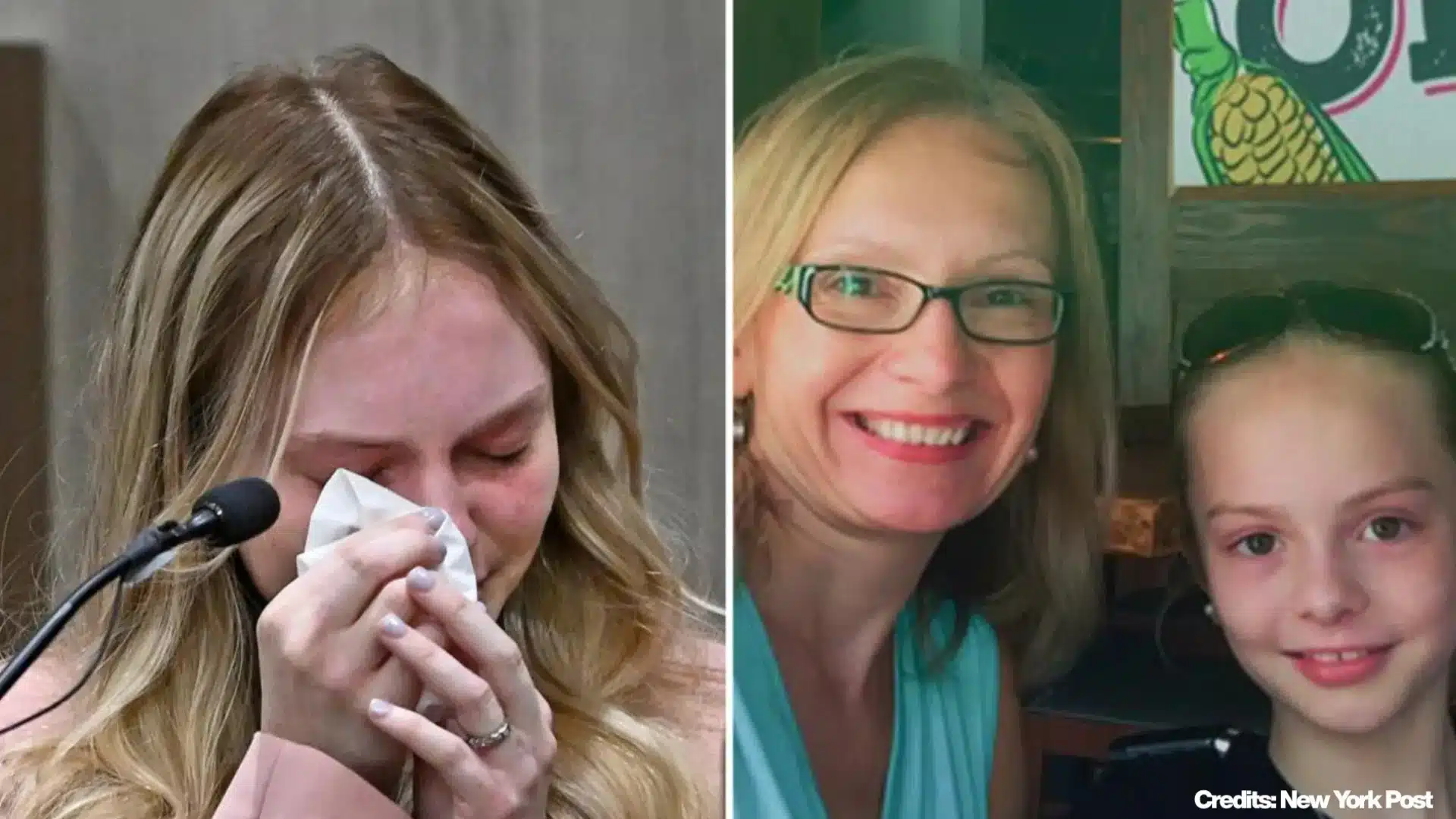
The case has been remanded to the Sarasota County Circuit Court for a limited retrial.
In March 2026, Maya filed a sworn declaration alleging that former lead attorney Greg Anderson crossed professional and personal lines during his representation of the family.
The declaration describes private communications, gifts, and an arranged hotel room, all of which occurred after Maya turned 18 in December 2023.
Maya also alleges Anderson asked her to sign a fee agreement without explaining its interest terms or how it might affect decisions about settling or retrying the case.
Anderson has denied wrongdoing, and his team has indicated a formal response will be filed in court.
Families watching this case should understand that personal injury law news of this magnitude often takes years beyond a first verdict to fully resolve. That is the nature of complex civil litigation involving institutional defendants with significant legal resources.
What This Case Means for Medical Malpractice Law
The Maya Kowalski case has implications that extend well beyond the Kowalski family. A few of the most significant legal questions it has forced into public discussion:
- Mandatory reporter immunity scope: The appeals ruling confirms that Florida’s Section 39.203(1)(a) immunity is broader than many trial courts have applied it. Once a hospital reports to DCF and becomes an agent of the department, its liability exposure narrows significantly.
- Rare disease diagnosis and institutional responsibility: When a hospital’s own records confirm a diagnosis that a different team then ignores, does that change the good-faith standard? The retrial will have to address this.
- Wrongful death causation chain: The appeals court dismissed the wrongful death claim under immunity. That does not mean the causation theory was legally wrong. It means immunity blocked that path. The question of whether a hospital can be responsible for a parent’s death caused by a prolonged separation remains unresolved.
- Attorney conduct in high-stakes civil cases: Maya’s March 2026 declaration against her former attorney adds a dimension that rarely appears this publicly in an ongoing case. It may affect the retrial team, the fee structure, and how the remaining claims are argued.
For families dealing with hospitals that have questioned their medical decisions or threatened to involve DCF, this case is a reminder that legal options exist. Understanding your rights when a hospital’s conduct causes injury or wrongful death is not something to sort out after the fact.
Conclusion
The Maya Kowalski case is one of the most legally and medically complex civil cases in recent Florida history.
I have followed this case because it raises questions every personal injury attorney thinks about: what happens when a hospital’s institutional judgment overrides a patient’s documented medical history, and what recourse does a family have when the result is catastrophic?
The retrial will attempt to answer part of that question under a corrected legal framework.
Drop your thoughts in the comments: where do you think hospital authority should end when a family has documented medical records and a treatment plan?
Frequently Asked Questions
Is CRPS recognized as a Legitimate Medical Condition in Legal Proceedings?
Yes. CRPS is widely recognized by both medical and legal communities. Courts regularly accept specialist diagnoses and related damages claims in civil cases.
Can a Hospital Be Sued for Wrongful Death if a Parent Dies by Suicide Due to the Hospital’s Actions?
Yes, if the hospital’s actions are proven to be a direct and foreseeable cause of the death. In the Kowalski case, this claim was later reversed on appeal due to statutory immunity.
What Does “Intentional Infliction of Emotional Distress” Mean in a Medical Malpractice Context?
IIED involves extreme or reckless conduct that causes severe emotional harm. In medical cases, it can include actions far beyond ordinary negligence.
What is Mandatory Reporter Immunity in Florida?
Florida law protects individuals and institutions from liability when reporting suspected child abuse in good faith. This immunity played a major role in the Kowalski appeal ruling.