If you’ve been injured or forced to live in unsafe rental conditions because your landlord ignored serious maintenance issues, you may be dealing with landlord negligence.
From broken staircases and faulty wiring to mold and water leaks, a landlord’s failure to maintain a safe property can have serious legal consequences.
Understanding your rights is the first step toward protecting yourself and seeking compensation.
Whether you’re wondering how to report your landlord for negligence or considering whether it’s time to speak with a lawyer for tenants.
This explains what landlord negligence is, how to prove it, and the legal options available to you.
What Landlord Negligence Means Under the Law
Landlord negligence is a legal standard, not just a description of a bad landlord.
Property owners have a duty to keep rental units and common areas reasonably safe for tenants, guests, and others who legally access the property.
Courts determine negligence by asking whether a reasonable landlord would have acted differently under the same circumstances.
Most states also recognize an implied warranty of habitability, requiring landlords to provide safe and livable housing.
According to HUD’s Office of Policy Development and Research, this includes maintaining adequate heating, plumbing, structural integrity, and protection from health hazards such as mold.
However, not every maintenance issue constitutes negligence; it generally requires a dangerous condition, the landlord’s knowledge of it, a failure to address it, and resulting harm.
Common Examples of Landlord Negligence
Landlord negligence takes many forms, and not all of them involve dramatic collapses or fires.
According to Justia’s Landlord-Tenant Law Center, courts evaluate whether the landlord controlled the area where the harm occurred, whether the accident was foreseeable, and what it would have cost the landlord to prevent it.
These factors help clarify why some conditions trigger liability and others do not. Common conditions that courts have found to constitute landlord negligence include:
- Broken stairs, handrails, and flooring: Structural defects that pose a clear fall risk, particularly in stairwells and common areas that landlords directly control.
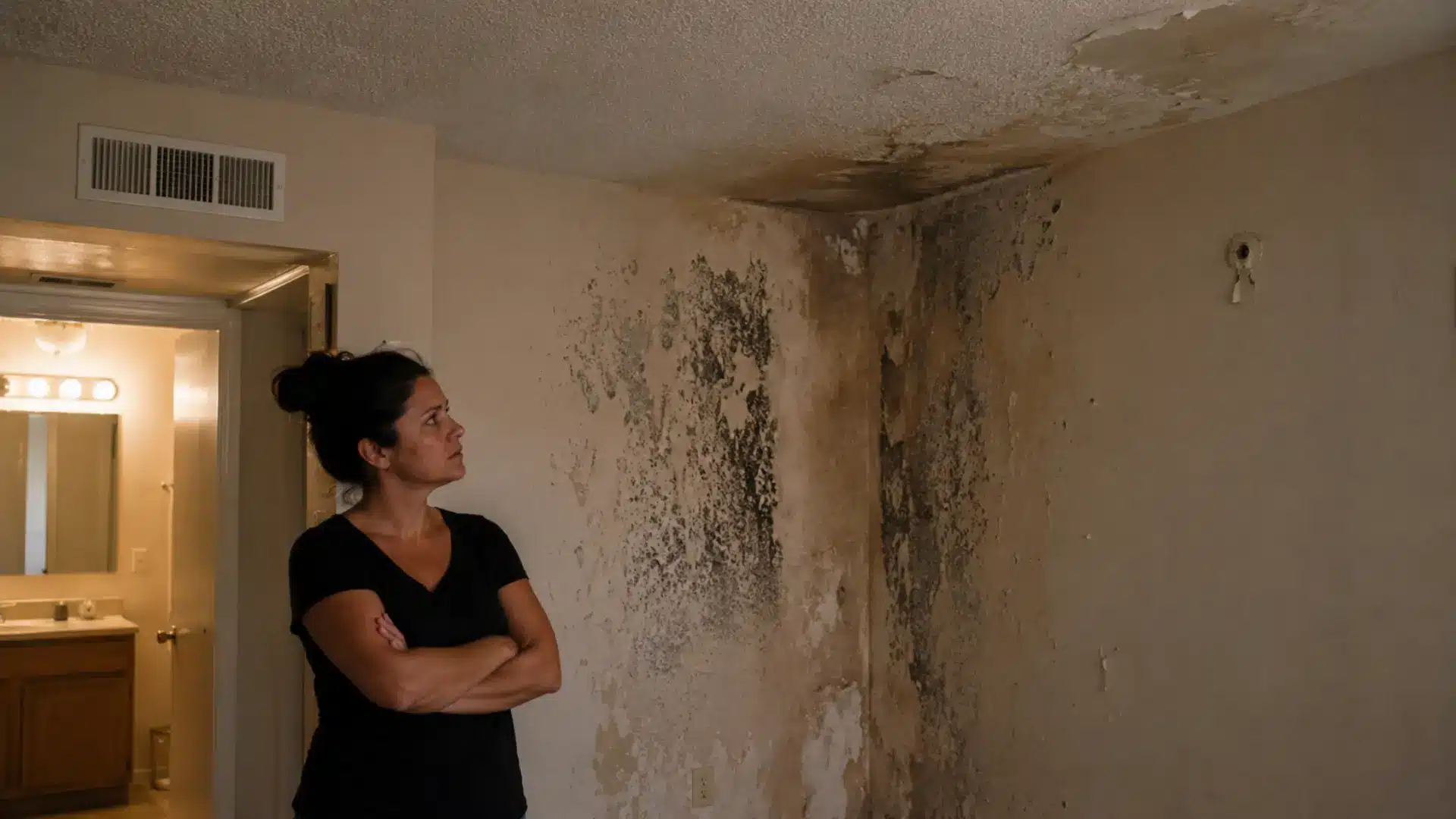
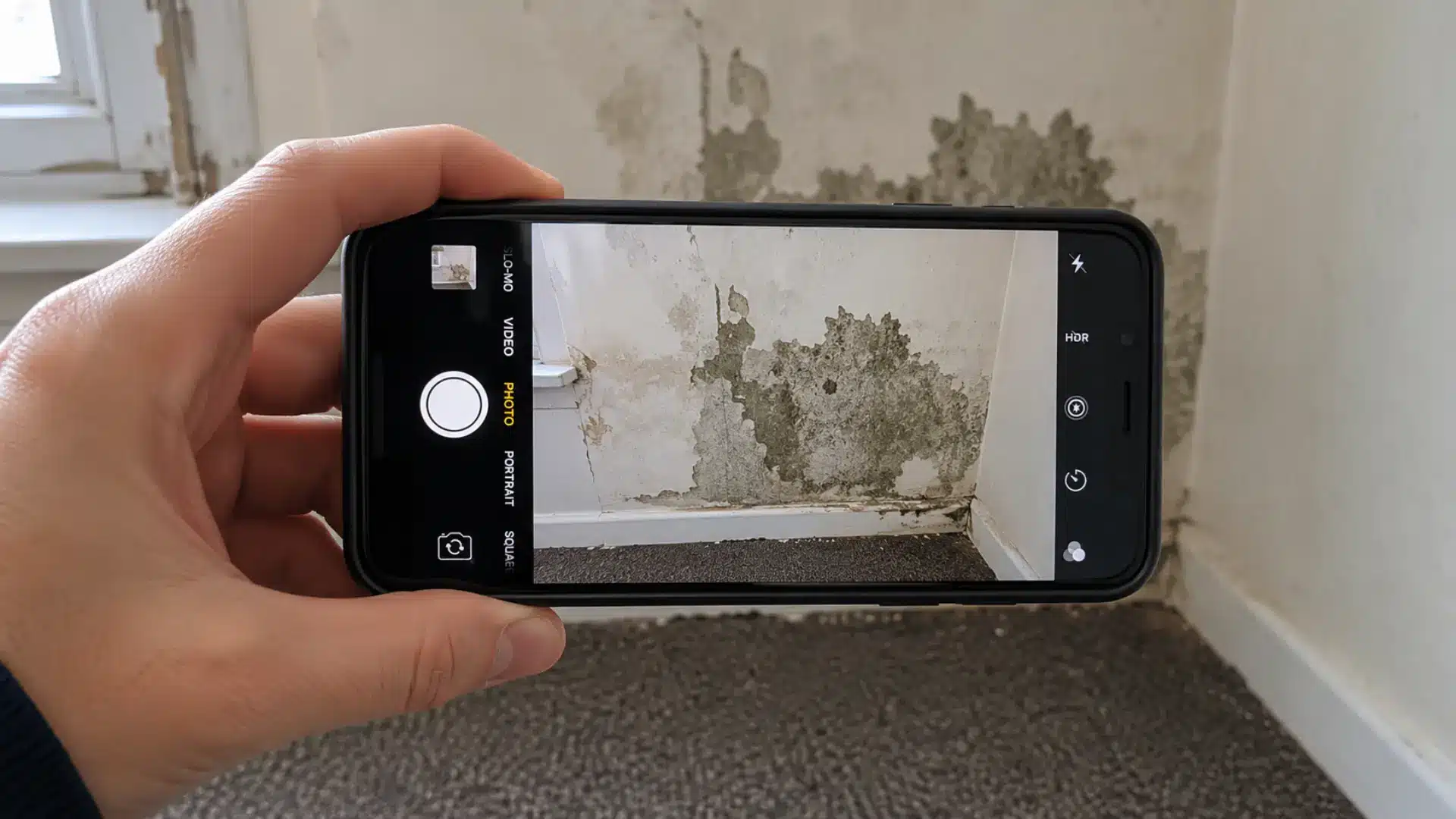
- Mold and water damage ignored after notice: When a tenant reports a leak or visible mold in writing and the landlord fails to address it, the resulting health harm is directly traceable to that inaction.
- Faulty or exposed electrical wiring: Outdated panels, ungrounded outlets, or wiring done by unlicensed contractors are code violations that courts treat as automatic negligence in many jurisdictions.
- Pest infestations left unaddressed: Rodent or insect infestations that a landlord knew about and did not remediate, particularly where the infestation originated from building conditions rather than tenant behavior.
- No heat, hot water, or working plumbing: Failure to provide essential services violates the implied warranty of habitability and is among the clearest forms of landlord negligence.
- Inadequate security in common areas: If a landlord is aware of crime risks in or around the building and takes no steps to secure entry points or improve lighting, they may be liable for harm to tenants caused by third parties.
- Fire hazards: Missing smoke detectors, blocked emergency exits, and uncorrected fire code violations can expose a landlord to liability, even if they did not directly cause a fire.
The key is notice: landlords are usually liable only if they knew or should have known about the problem. Written reports make it that much easier to prove.
Four Legal Elements You Need to Prove Landlord Negligence
Proving landlord negligence in court or in a settlement negotiation requires showing four distinct legal elements.
Missing any one of them can weaken or eliminate a claim. Understanding what each element requires helps you build your case from the moment a dangerous condition appears.
1. Duty of Care
This refers to the landlord’s legal obligation to maintain the property.
This is generally straightforward: the moment someone becomes a landlord, the law imposes a duty to keep the property in a reasonably safe condition for tenants and guests.
For example, if you rent an apartment and the building has a shared staircase, your landlord has a legal duty to keep the staircase safe, regardless of what your lease says.
2. Breach of Duty
This is where most cases are won or lost. A breach occurs when the landlord fails to meet the standard of care a reasonable property owner would apply.
If you notified your landlord in writing about a ceiling leak three weeks before it caused a section of drywall to collapse, the written record of notice, combined with the failure to repair, is strong evidence of a breach.
The longer the gap between notice and inaction, the clearer the breach tends to be.
3. Causation
Causation connects the landlord’s failure to your specific injury or loss. Courts require you to show that the breach directly caused the harm.
This is why seeking medical attention immediately after an injury matters. A delay in medical care creates room for a landlord’s insurer to argue the injury came from something else.
As I advise clients in premises liability cases, document the hazard the same day you notice it, and document the injury the same day it happens. That timeline is often what a case turns on.
4. Damages
This requires that you have suffered actual, measurable harm.
This includes medical bills, missed work, personal property loss, pain and suffering, and, in cases involving extreme neglect, possibly relocation costs.
Without verifiable damages, even a clear breach of duty may not produce compensation because there is nothing for the court to award.
How to Document a Landlord Negligence Case Before Calling a Lawyer
Documentation separates a viable claim from a story without proof. Insurance adjusters and defense attorneys are trained to exploit gaps in evidence. If you suspect landlord negligence, start building your record immediately.
- Photos and video with timestamps: Use your phone with location data enabled and back everything up to cloud storage right away.
- Written notice to your landlord: Send complaints by email or text. Describe the condition, request repairs, and keep the thread. Verbal complaints are nearly impossible to prove.
- A running log: Record every communication, non-response, worsening condition, and related event with dates and details.
- Medical records: Seek treatment immediately after an injury and save all records, prescriptions, and reports. The medical timeline needs to connect directly to the hazardous condition.
- Prior code violations: Request copies of inspection reports or code violation records from your local building department. These can show the landlord had prior knowledge of ongoing issues.
- Witness statements: If a neighbor or visitor saw the hazard or witnessed the incident, get a written statement from them.
According to the USA.gov tenant rights portal, tenants with well-documented evidence are in a much stronger position if disputes lead to formal complaints or legal action.
How to Report Your Landlord for Negligence

Before filing an official complaint, follow these key steps to strengthen your case and improve your chances of a successful resolution.
Step 1: Send a Written Notice, notify your landlord in writing about the issue, include relevant dates, and request repairs. Set a reasonable response deadline (typically up to 30 days for non-emergencies).
Step 2: Contact Your Local Housing Authority, if the problem isn’t fixed, report it to your local housing or building code enforcement office. They can inspect the property and issue violations if necessary.
Step 3: File a Complaint with HUD (If Applicable), if the property is HUD-assisted or covered by a HUD program, submit a complaint through HUD’s Multifamily Housing Complaint Line.
Step 4: Report to Your State Attorney General, for repeated negligence, fraud, or issues affecting multiple properties, file a complaint with your state’s attorney general’s office.
Step 5: Reach Out to a Tenant Union; contact a local tenant advocacy group for free guidance, legal resources, and support if your landlord’s behavior is part of a larger pattern.
Following these steps creates a clear record of your efforts, strengthens your legal position, and helps protect your rights if further action becomes necessary.
What Nevada Law Says About Your Landlord’s Duties
Nevada’s landlord obligations are written into the Nevada Revised Statutes, and tenants have defined rights when those obligations are ignored.
Under NRS 118A.290, Nevada, landlords must maintain rental units in a habitable condition throughout the tenancy. That includes:
- Functioning plumbing and hot water
- Working heating and air conditioning
- Electrical systems that meet safety codes
- Floors, walls, and ceilings in reasonable repair
- Protection from rodents, insects, and mold
- Adequate weatherproofing and garbage facilities
When a landlord violates NRS 118A.290, tenants have defined remedies. For essential service failures (no heat, no water, no electricity), NRS 118A.380 gives the landlord 48 business hours to fix the problem after written notice.
If they fail to act, you may be able to withhold rent, repair the problem yourself and deduct the cost, or terminate the lease. For non-essential habitability repairs, NRS 118A.355 gives the landlord 14 days after written notice before those same remedies become available to you.
Also worth knowing: NRS 118A.220 prohibits lease clauses that limit a landlord’s liability for their own negligence. If your rental agreement contains that type of language, it is unenforceable under Nevada law.
These statutes give tenants in Las Vegas and Clark County real leverage. Using it effectively requires written notice, documentation, and, in cases involving serious injury, experienced legal representation.
Disclaimer: The following is general information about Nevada statutes. It is not legal advice. Speak with a licensed Nevada attorney about your specific situation.
When to Contact a Lawyer for Tenants
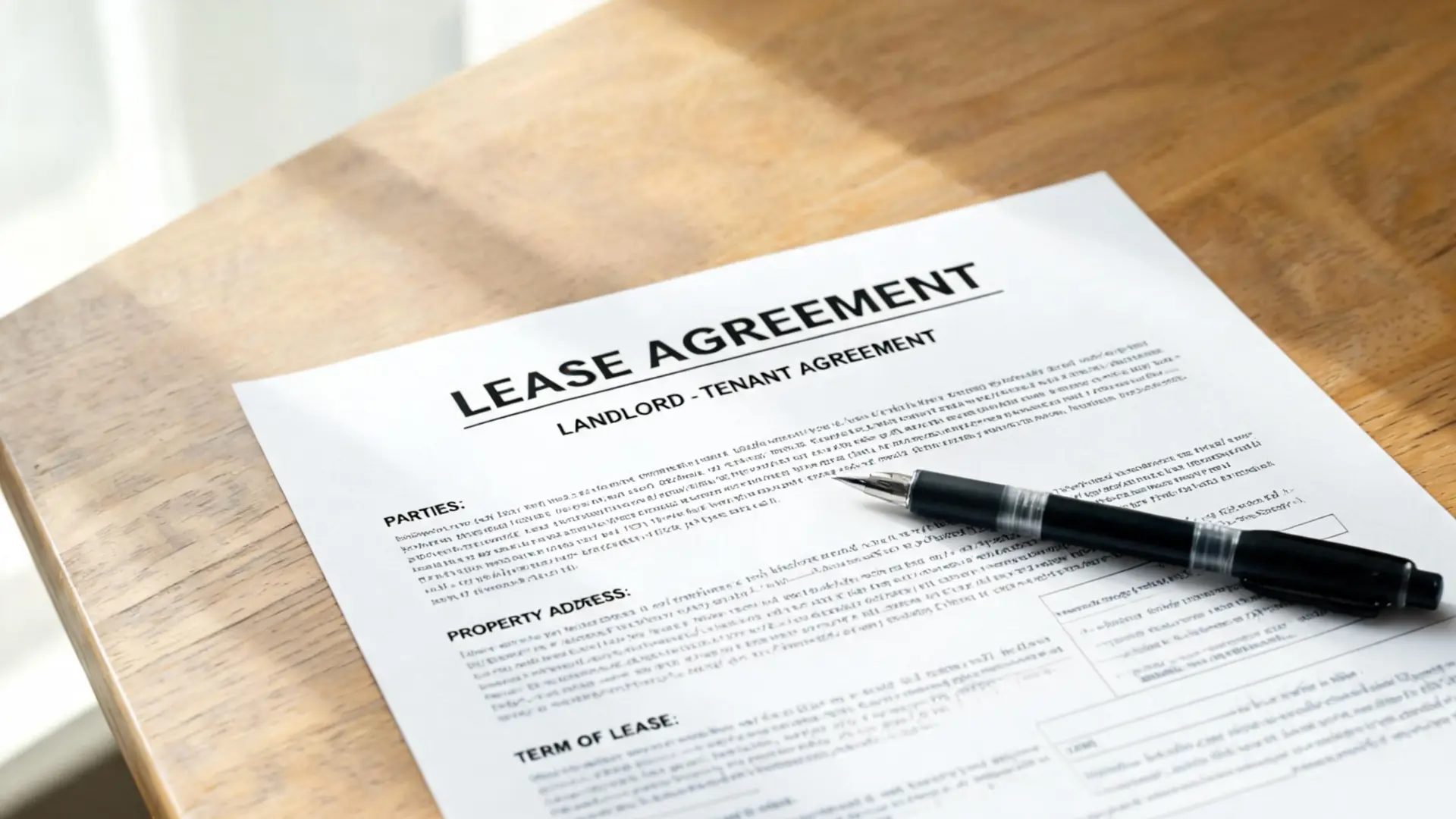
Some landlord disputes can be resolved with a formal complaint letter, but more serious cases require legal representation.
You should hire a lawyer if you suffered injuries from unsafe property conditions that required medical treatment, especially in a slip and fall liability claim.
An attorney is also important if your landlord ignores written complaints, offers an unfair settlement, or if legal deadlines are approaching.
In Nevada, the statute of limitations for personal injury claims is two years from the date of the injury, and missing this deadline can prevent you from recovering compensation.
Having legal representation is especially valuable in a premises liability case in Nevada, where landlords and their insurers often try to minimize payouts.
An experienced attorney can negotiate with insurance companies and protect your legal rights. Many personal injury lawyers work on a contingency fee basis, so you typically pay nothing upfront.
Early legal guidance can improve your chances of receiving fair compensation.
What Compensation Can You Recover
If you prove landlord negligence, the damages available to you go beyond just the cost of the injury.
The goal of a personal injury award is to restore you, as much as the law allows, to where you would have been if the negligence had never occurred.
The types of recoverable damages typically include:
- Medical expenses: All costs related to diagnosis, treatment, follow-up care, and projected future medical needs directly caused by the injury.
- Lost wages: Income you could not earn while recovering, including reduced earning capacity if the injury caused long-term limitations.
- Pain and suffering: Non-economic damages for the physical pain and emotional distress the injury caused. These are harder to calculate but can be documented through medical records, personal journals, and testimony.
- Property damage: The value of belongings damaged or destroyed by the negligent condition, such as personal items destroyed by a water leak the landlord refused to fix.
- Relocation costs: In cases where the property became uninhabitable due to the negligent condition, costs incurred to find and secure alternative housing may be recoverable.
- Punitive damages: In cases involving gross or reckless negligence rather than ordinary carelessness, courts may award additional damages intended to punish the landlord’s conduct. These are less common but are a real possibility in extreme cases.
Understanding the full range of personal injury settlement amounts helps you evaluate whether an initial offer from an insurer reflects the actual scope of your losses. It rarely does.
Conclusion
Landlord negligence is more than an inconvenience; it can have serious consequences for your health, safety, and financial well-being.
Understanding what qualifies as negligence, recognizing the warning signs, and documenting unsafe conditions can make a significant difference if you need to pursue legal action.
Whether you’re dealing with unresolved repairs, hazardous property conditions, or injuries caused by a landlord’s inaction, knowing your rights is an important first step.
Have you experienced landlord negligence, or do you have questions about tenant rights? Share your thoughts or experiences in the comments below; we’d love to hear from you.
Frequently Asked Questions
Can You Sue a Landlord for Negligence without a Physical Injury?
Most negligence claims require proof of injury or financial loss. If not, you may still have options, such as rent reductions or lease termination, depending on the circumstances.
Does a Verbal Complaint to My Landlord Count as Legal Notice?
Verbal complaints are hard to prove. Follow up with an email or text documenting what you reported and when.
How Long Do I Have to File a Landlord Negligence Claim?
In Nevada, personal injury claims generally must be filed within two years of the injury. Missing the deadline usually means losing your right to recover damages.
Can My Landlord Retaliate Against Me for Reporting Negligence?
Most states prohibit landlord retaliation, such as eviction, rent hikes, or reduced services, after a tenant reports code violations. If this happens, document everything and seek legal advice.