
July 23, 2026

One store stop can follow you long after you leave the parking lot. If loss prevention stopped you, you may now be holding a citation, waiting for a court date, or replaying what happened after police arrived. A shoplifting charge is not just a store problem. It can affect your record, job options, school plans, housing applications, and future background checks. I have seen how one rushed decision after an accusation can make a legal matter harder to fix later. This post explains what shoplifting means under the law, how charges usually begin, what penalties may follow, and when a shoplifting attorney can help protect your rights before the case moves too far. Instead of guessing what comes next, use this as a clear starting point. What is Shoplifting? Shoplifting is taking, hiding, carrying away, or trying to leave a store with items without paying for them. It can also include switching price tags, using a fake barcode, under-ringing items at self-checkout, or putting products in a bag with no plan to pay. The value of the item can affect how serious the charge becomes. A low-value item may lead to a lesser charge, while higher-value goods can bring stronger penalties. Store security, video footage, receipts, witness reports, and the person’s actions inside the store can all become part of the case. Even when the item is returned, the charge may not disappear on its own. What Does Shoplifting Mean Under the Law? Most states do not treat shoplifting as a standalone crime. It falls under general theft statutes, which define theft as knowingly obtaining or exercising control over another person’s property without authorization and with intent to permanently deprive the owner of it. In practical terms, that covers more than walking out of a store with unpaid merchandise. The […]
If you’re over 40 and something at work has felt off, you’re not imagining things. Age bias in the workplace
When an HOA dispute escalates, it can feel like the rules are always tilted against homeowners, especially when fines, restrictions,
A mesh lawsuit can help injured patients hold medical device manufacturers accountable when a surgical mesh implant causes serious complications.

If you’re searching for the latest PFAS lawsuit update today, there’s growing reason for optimism among individuals affected by PFAS exposure. After years of slow progress, the federal PFAS multidistrict litigation has entered a more active phase, with settlement negotiations advancing and thousands of claims moving closer to resolution. While no global personal injury settlement has been reached, discussions surrounding PFAS lawsuit settlement amounts per person suggest that eligible cancer-related claims could receive significant compensation. With filing deadlines, ongoing court reviews, and state statutes of limitations narrowing the window for action, understanding the current status of the litigation is more important than ever for potential claimants. What is the PFAS Lawsuit About? The PFAS lawsuit is about claims that companies made or used “forever chemicals” that contaminated drinking water, soil, and workplaces. PFAS are man-made chemicals used in products like firefighting foam, nonstick cookware, stain-resistant fabrics, food packaging, and industrial materials. The main concern is that these chemicals do not break down easily and can build up in the human body over time. Many lawsuits say manufacturers knew or should have known about the risks but failed to warn the public, workers, and communities. People filing PFAS claims often say exposure led to health problems, medical costs, property damage, or unsafe water supplies. The lawsuits aim to hold companies responsible for cleanup costs, health-related damages, and compensation for those affected by long-term PFAS exposure. Quick Facts: PFAS Lawsuit Update Today The AFFF multidistrict litigation continues to evolve as the court reviews thousands of claims, addresses procedural issues, and prepares the cases for future trial activity. Here are the latest developments: Pending cases: Approximately 15,200 personal injury claims are consolidated in AFFF MDL 2873, a figure that shifts monthly as new filings arrive and others are dismissed or resolved. No global settlement […]
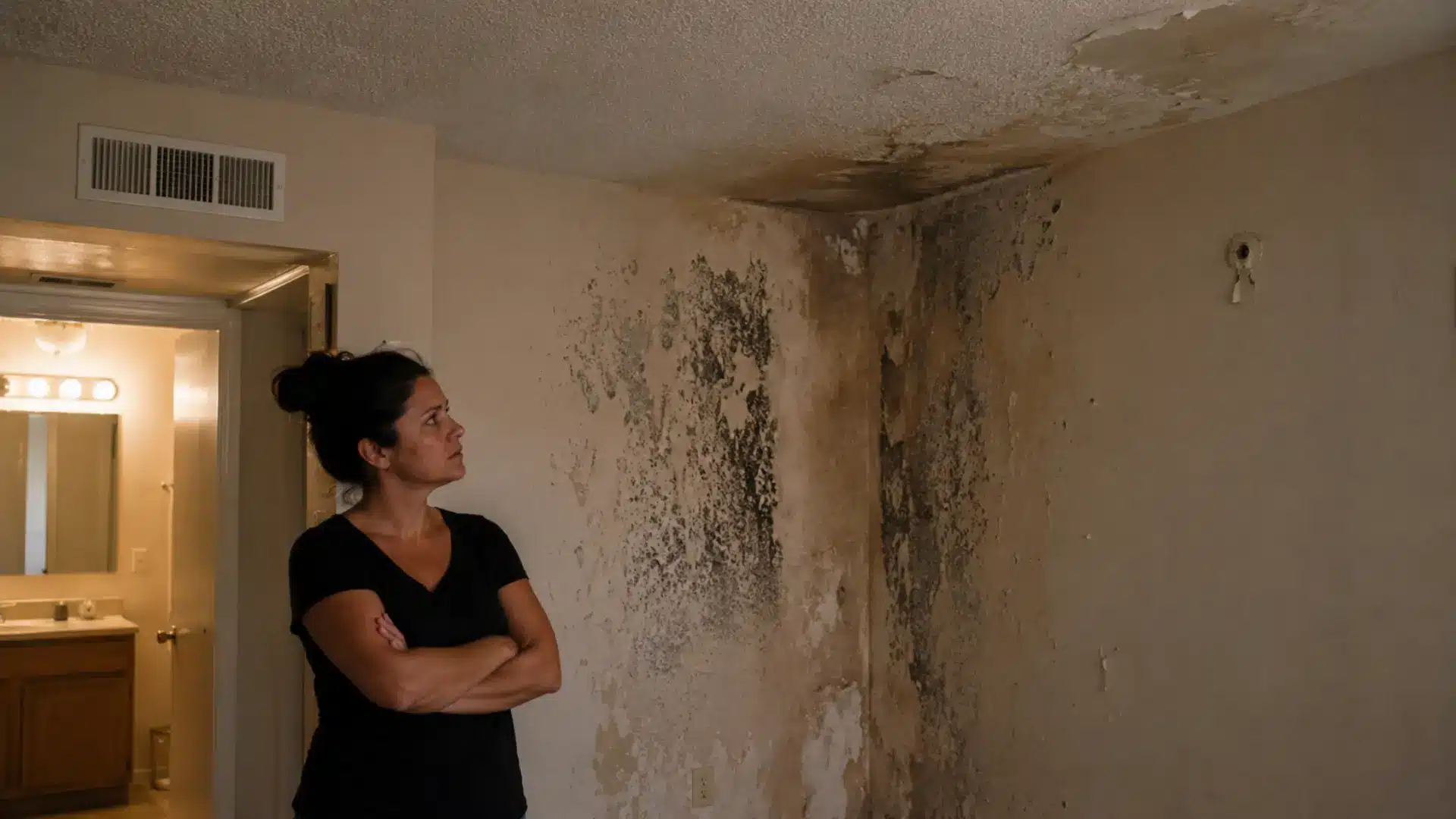
If you’ve been injured or forced to live in unsafe rental conditions because your landlord ignored serious maintenance issues, you may be dealing with landlord negligence. From broken staircases and faulty wiring to mold and water leaks, a landlord’s failure to maintain a safe property can have serious legal consequences. Understanding your rights is the first step toward protecting yourself and seeking compensation. Whether you’re wondering how to report your landlord for negligence or considering whether it’s time to speak with a lawyer for tenants. This explains what landlord negligence is, how to prove it, and the legal options available to you. What Landlord Negligence Means Under the Law Landlord negligence is a legal standard, not just a description of a bad landlord. Property owners have a duty to keep rental units and common areas reasonably safe for tenants, guests, and others who legally access the property. Courts determine negligence by asking whether a reasonable landlord would have acted differently under the same circumstances. Most states also recognize an implied warranty of habitability, requiring landlords to provide safe and livable housing. According to HUD’s Office of Policy Development and Research, this includes maintaining adequate heating, plumbing, structural integrity, and protection from health hazards such as mold. However, not every maintenance issue constitutes negligence; it generally requires a dangerous condition, the landlord’s knowledge of it, a failure to address it, and resulting harm. Common Examples of Landlord Negligence Landlord negligence takes many forms, and not all of them involve dramatic collapses or fires. According to Justia’s Landlord-Tenant Law Center, courts evaluate whether the landlord controlled the area where the harm occurred, whether the accident was foreseeable, and what it would have cost the landlord to prevent it. These factors help clarify why some conditions trigger liability and others do not. Common […]