Getting sick from contaminated food is distressing enough without navigating the legal process alone. A food poisoning lawyer exists to handle exactly that investigative and legal burden for you.
These cases are more evidence-dependent than people expect. Proving that a specific food source caused your illness requires medical records, lab results, and a documented timeline working together.
What many people do not realize is how quickly the window to build a strong case closes. The actions taken in the first 48 hours often determine whether a claim is viable at all.
Reading through what follows will give you a clear picture of how these cases work, what attorneys actually do, and exactly what you need to protect your legal options.
Disclaimer: This content is for informational purposes only and does not constitute legal advice. Always consult a licensed attorney for guidance specific to your situation.
What Does a Food Poisoning Lawyer Actually Do?
A food poisoning lawyer does far more than what a personal injury lawyer typically handles in a general sense. Their core job is building a chain of evidence that proves a specific food source caused your specific illness.
The assumption is that finding a lawyer is the hard part. It is not. Proving causation is where these cases are won or lost, and that is exactly what these attorneys are trained to do.
They dig into lab results, health department inspection records, and CDC outbreak reports to trace a pathogen like Salmonella or E. coli back to its source, whether that is a restaurant kitchen or a supplier.
When your illness is tied to a confirmed outbreak, that investigative work becomes significantly easier because health authorities have already begun connecting the dots on your behalf.
Can You Actually Win a Food Poisoning Lawsuit?
Winning a food poisoning lawsuit comes down to three things. You need to prove the food was contaminated, that it made you sick, and that someone was legally responsible for it.
Getting sick is not enough on its own. Your case lives or dies on whether you can establish all three conditions together, not just one or two.
- The food was contaminated: Lab testing, health inspection records, or a confirmed outbreak report must show the food carried a harmful pathogen before it reached you.
- That specific food caused your illness: A named pathogen on your medical report, like E. coli O157:H7 or Salmonella Typhimurium, ties your diagnosis directly to the contamination and rules out other causes.
- A legal duty was breached: The restaurant, manufacturer, or supplier had a responsibility to keep food safe and evidence that they failed that duty is what creates legal liability.
- Incubation periods make causation harder than it looks: Symptoms can appear within hours with norovirus or take several weeks with Listeria making it genuinely difficult to pinpoint which meal was responsible.
- A vague diagnosis rarely holds up: A general stomach illness label without a named pathogen gives attorneys very little to work with and specificity in your medical records is what makes a claim viable.
A clear lab result paired with a documented timeline can change the entire direction of your case. Those two things give an attorney something concrete to build on and significantly improve your chances of moving forward successfully.
Steps to Take After Suspected Food Poisoning
Knowing the steps that protect a personal injury claim in the first 24 to 48 hours after suspected food poisoning matters more than most people realize. Acting quickly protects both your health and your legal options.
Each step below is time-sensitive. Skipping one or doing it too late can quietly destroy the evidence a lawyer needs to build your case.
1. Seek Medical Care and Request Specific Testing
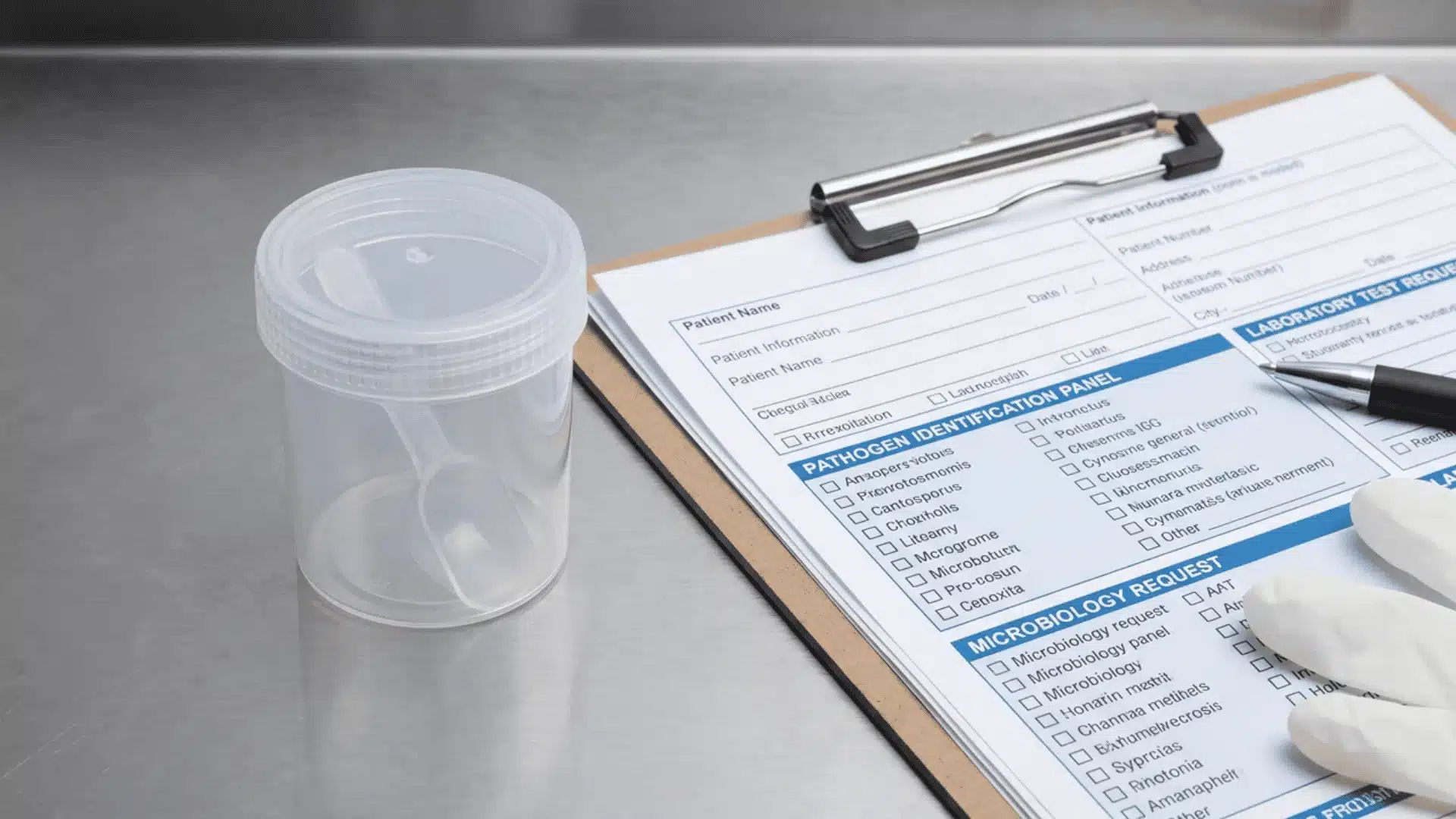
Do not settle for a general stomach bug diagnosis. When you visit a doctor, ask for a stool culture and pathogen identification test for a precise diagnosis.
A named pathogen on your report, like Salmonella or E. coli, is what separates a documentable legal claim from a story with no proof attached to it.
2. Preserve Physical Evidence Before It Is Gone
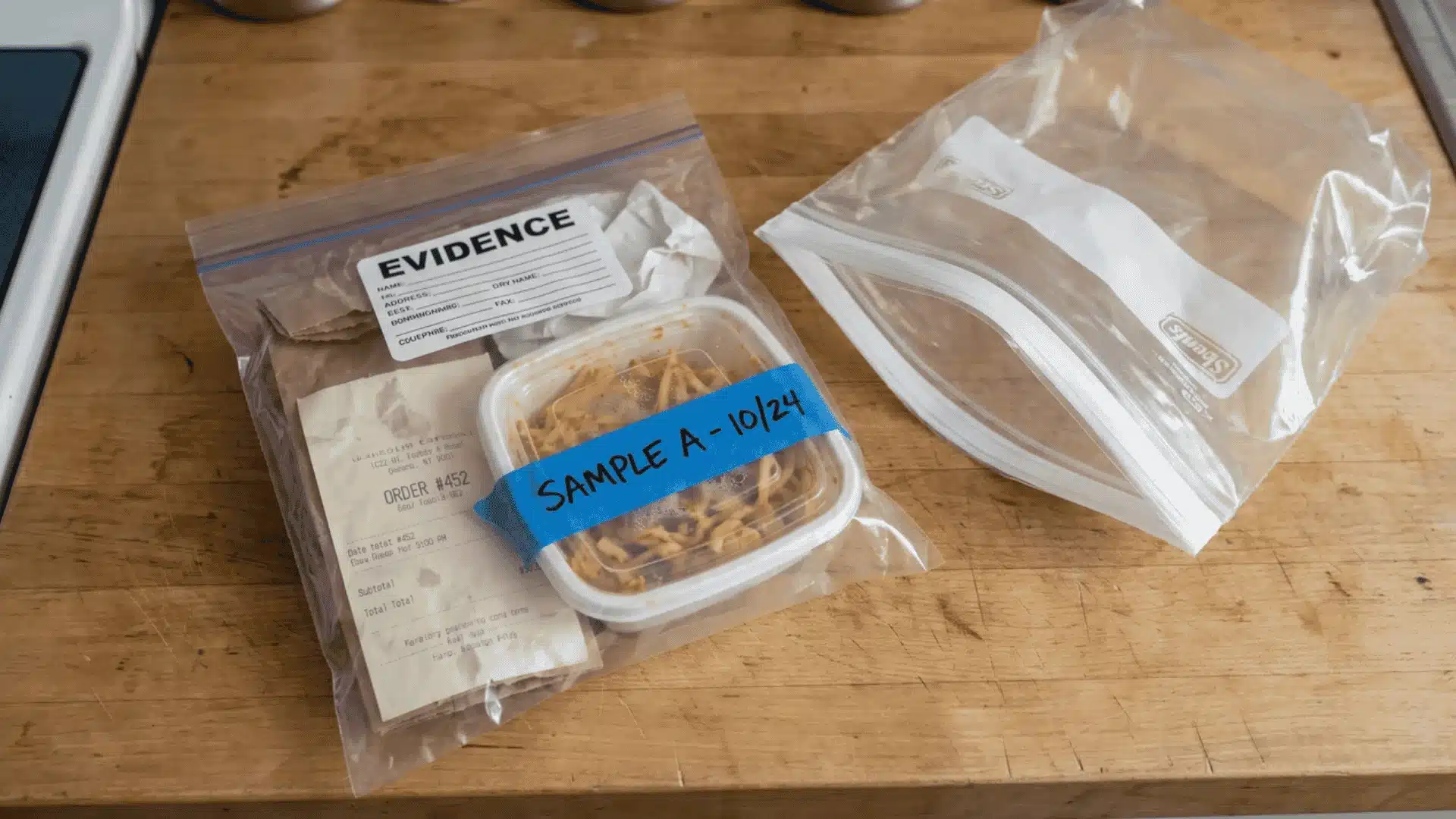
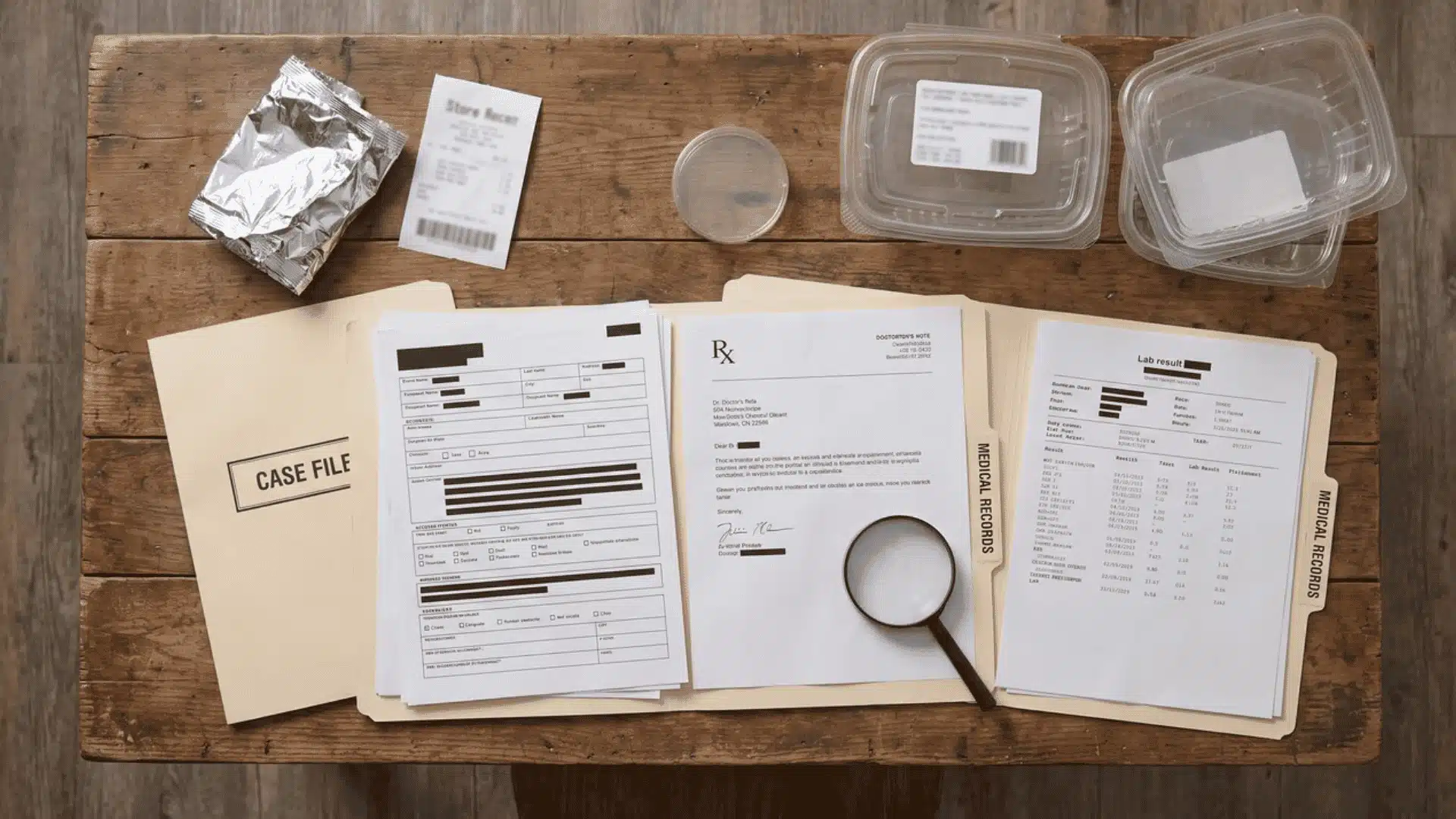
Photograph any remaining food, save the packaging, and hold onto your receipt or card statement showing where you ate. These feel like small details but become critical evidence within days.
If any contaminated food remains, seal it in a bag and store it in the freezer immediately. Throwing it away is one of the most common mistakes that quietly kills otherwise strong cases.
3. Report Your Illness to the Health Department
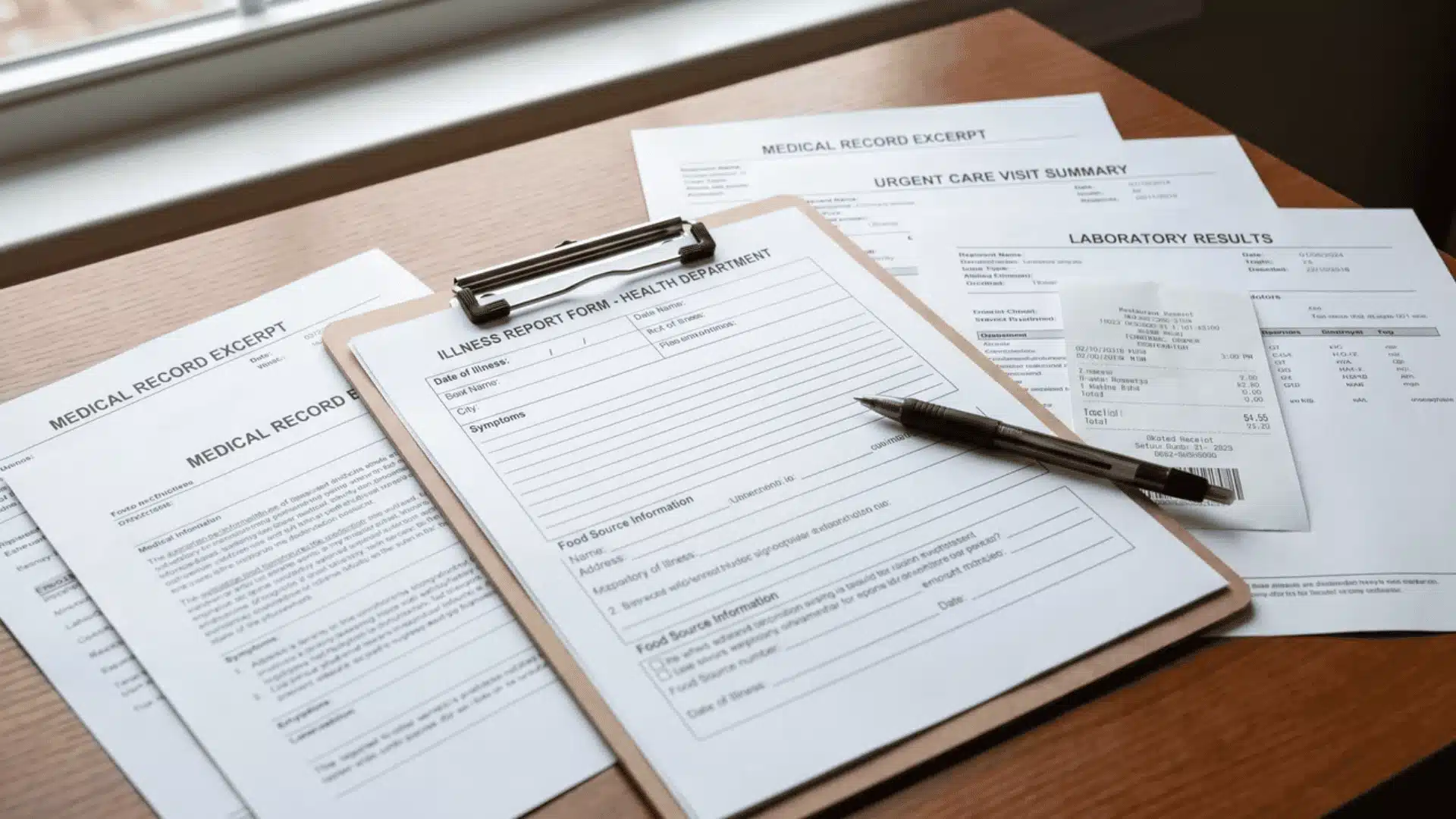
Contact your county health department and report your illness as soon as possible. This creates an official timestamped record that an attorney can reference when building your claim.
If an active outbreak is already linked to the place you ate, reporting connects you directly to that investigation and significantly reduces the causation burden on your legal team.
4. Document Your Symptoms and Timeline in Writing
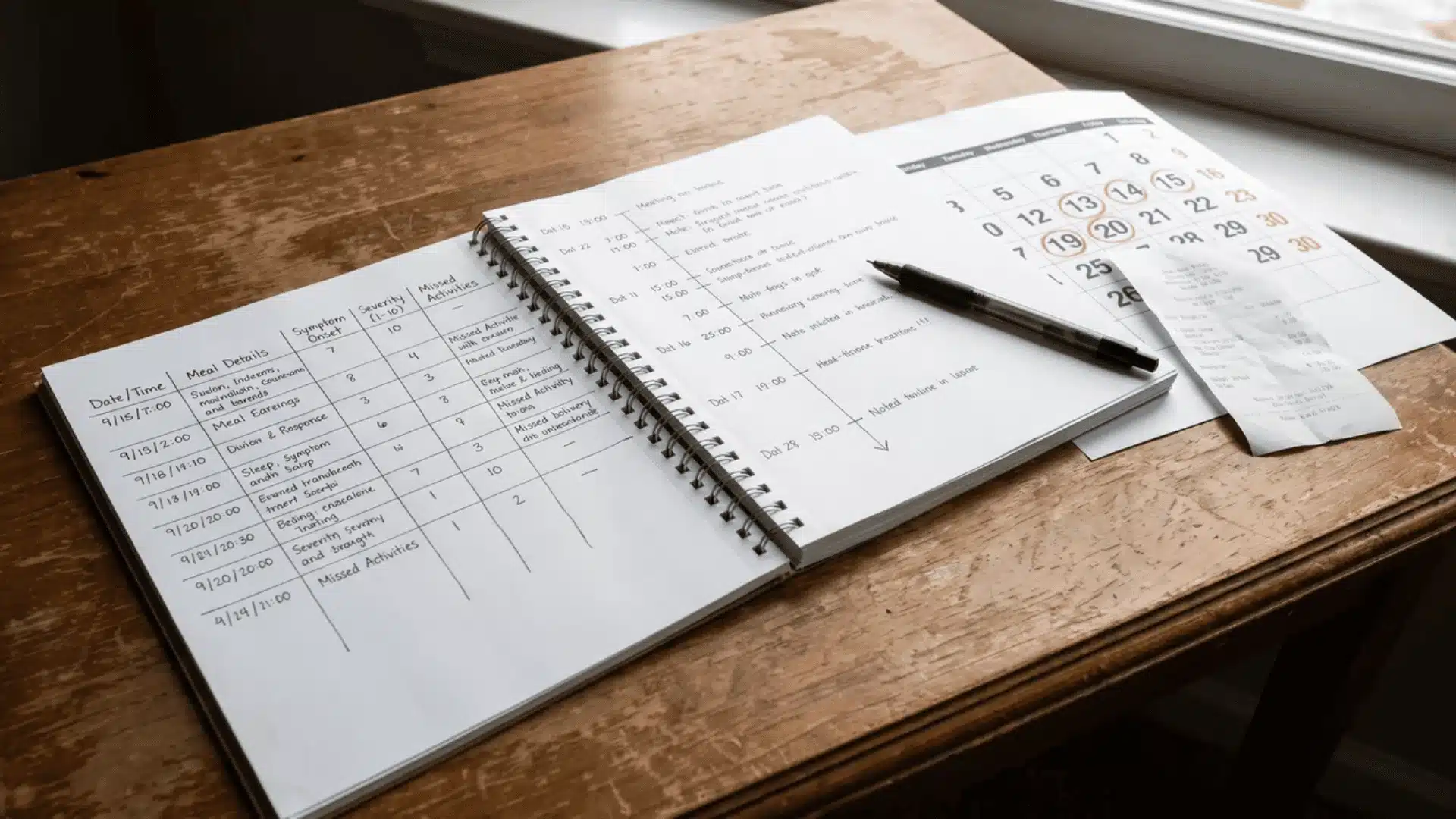
Start a daily log from the moment symptoms begin. Record what you ate, when symptoms appeared, how severe they were, and any work or activities you had to miss.
This written timeline directly supports the damages portion of your claim and gives your attorney concrete material to work with during settlement negotiations.
Taking these steps does not guarantee a lawsuit but it does guarantee that your options stay open. The evidence you preserve today is the foundation everything else gets built on.
What Evidence Do You Need Before Calling a Lawyer?
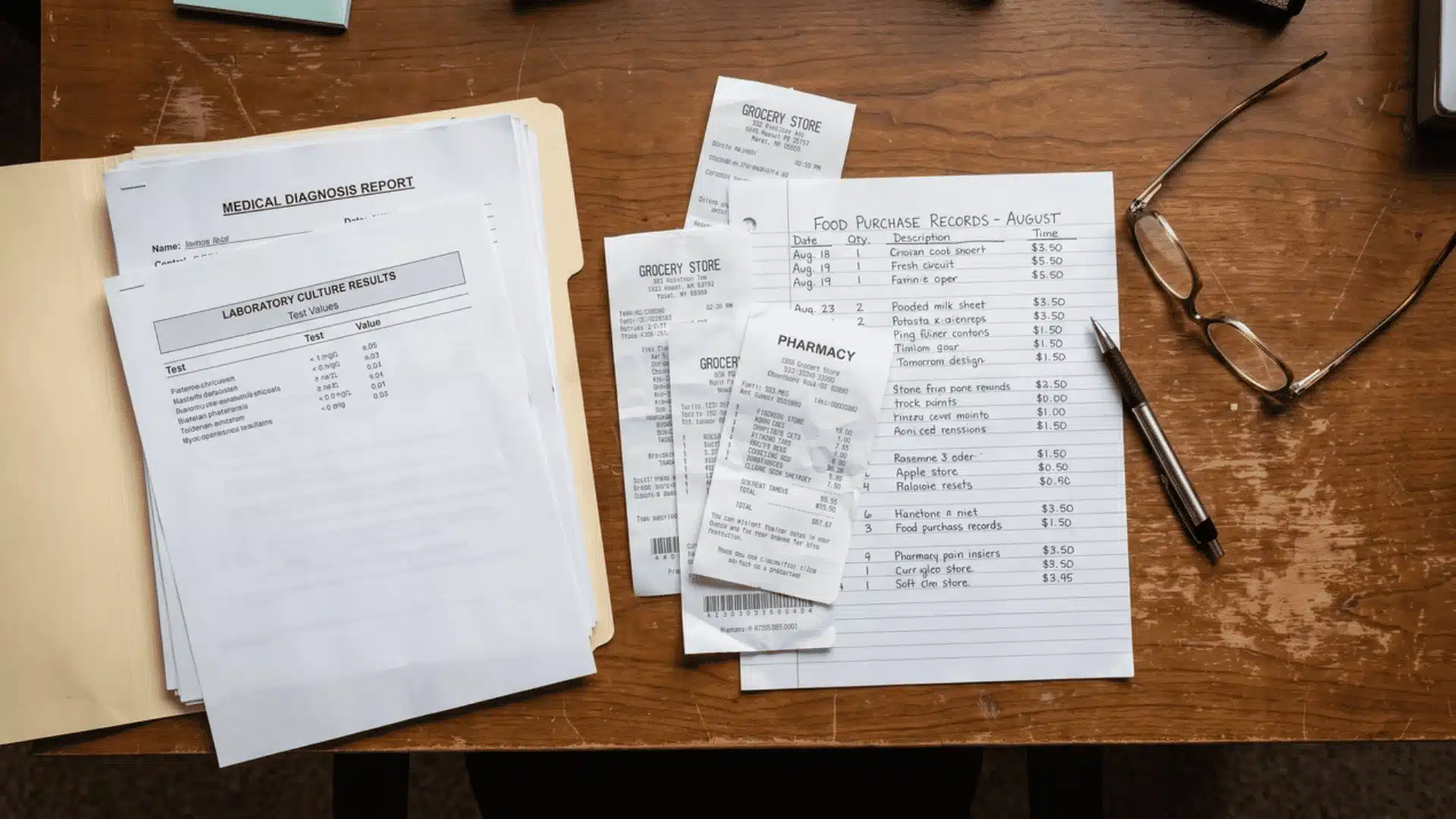
Before you pick up the phone to call a food poisoning attorney, understanding the categories of evidence matters enormously. The right evidence can make or break your entire claim.
A physician’s diagnosis naming a specific pathogen is the single most important thing you can have. Without it, connecting your illness to a food source becomes nearly impossible.
- Physician diagnosis with pathogen identification: Your doctor’s report needs to name the exact pathogen, such as Salmonella or Listeria, not just confirm you were unwell. Vague diagnoses rarely hold up.
- Lab culture results: These are the scientific backbone of your claim. A positive culture identifying the specific strain gives your attorney something concrete and defensible to work with in negotiations.
- A dated record of what you ate and where: Written notes, screenshots of online orders, or reservation confirmations help establish a clear timeline that connects your illness to a specific meal or establishment.
- Receipts or card statements: A transaction record proving you were at that restaurant or purchased that product on a specific date is simple evidence that carries significant legal weight.
Tip: If your illness is part of a confirmed outbreak, your burden of proof drops significantly. Health authorities may have already identified the source, which means your attorney connects you to an existing investigation rather than building causation from scratch.
The one evidence failure that cannot be fixed after the fact is the absence of a pathogen-specific diagnosis. Every other gap can be worked around but that one cannot be recovered once your illness resolves.
Specialist vs. General Personal Injury Attorney: Does It Matter for Food Poisoning Cases?
Not every personal injury attorney is equipped to handle a food poisoning case well. The difference between winning and losing often comes down to investigative infrastructure, not courtroom skill.
Food poisoning litigation sits within a subspecialty called toxic tort law. The tools required to build these cases, from outbreak databases to epidemiologist relationships, take years to develop and are rarely found at general PI firms.
| What You Need | General PI Attorney | Food Safety Specialist |
|---|---|---|
| Outbreak database access | Rarely available | Core part of practice |
| Epidemiologist relationships | Not typically maintained | Established and ongoing |
| Chain-of-custody food sample protocols | Not standard | Built into case process |
| Multi-plaintiff outbreak experience | Limited | Primary case type |
| Single-incident modest damage cases | Fully capable | Capable but may decline |
For a straightforward single-incident case with modest damages, a general PI attorney can handle things effectively. Not every case needs specialized infrastructure to move forward successfully.
For outbreak cases, multi-plaintiff claims, or cases against national chains, a specialist provides a measurable advantage. Their existing relationships and systems compress the investigative timeline significantly.
The contingency fee is identical at both firm types so the decision comes down entirely to one thing: what level of investigative capacity your specific case actually needs.
Conclusion
A food poisoning lawyer does not just file paperwork. Their job is building the forensic chain of evidence that connects contaminated food directly to your documented illness and legal damages.
You now have a clear picture of what makes these cases succeed and what quietly kills them. The evidence you gather early and the attorney you choose both carry significant weight.
Looking back at everything covered here, the throughline is the same at every stage: specificity and timing matter more than anything else in food poisoning litigation.
If you believe contaminated food made you sick, do not wait. Speak with a food poisoning lawyer as soon as possible and give your case the strongest possible foundation from day one.
Frequently asked questions
What Does a Food Poisoning Lawyer Do?
A food poisoning lawyer investigates and builds the legal case that proves contaminated food caused your illness. They review lab results, health department records, and outbreak data to establish causation, then pursue compensation for your medical costs, lost wages, and pain and suffering through negotiation or litigation.
How Do you Prove a Food Poisoning Lawsuit?
To prove a food poisoning lawsuit, you must establish three things: the food was contaminated, that specific food caused your illness, and the defendant had a legal duty they breached. A lab-confirmed pathogen diagnosis, such as E. coli or Salmonella, is the most critical piece of evidence required.
Is It Worth Hiring a Specialist Food Poisoning Lawyer Over a General Attorney?
For single-incident cases with modest damages, a general personal injury attorney can be sufficient. For outbreak cases, multi-plaintiff claims, or cases against national food chains or manufacturers, a specialist food poisoning lawyer provides a significant advantage through their access to outbreak databases, epidemiologist relationships, and established food safety investigation protocols.
What Evidence Do you Need for a Food Poisoning Claim?
The most critical evidence is a physician’s diagnosis naming a specific pathogen, supported by lab culture results. You also need a dated record of what you ate and where, along with receipts or card statements confirming your visit. If your illness is tied to a confirmed outbreak, your burden of proof is significantly lower.