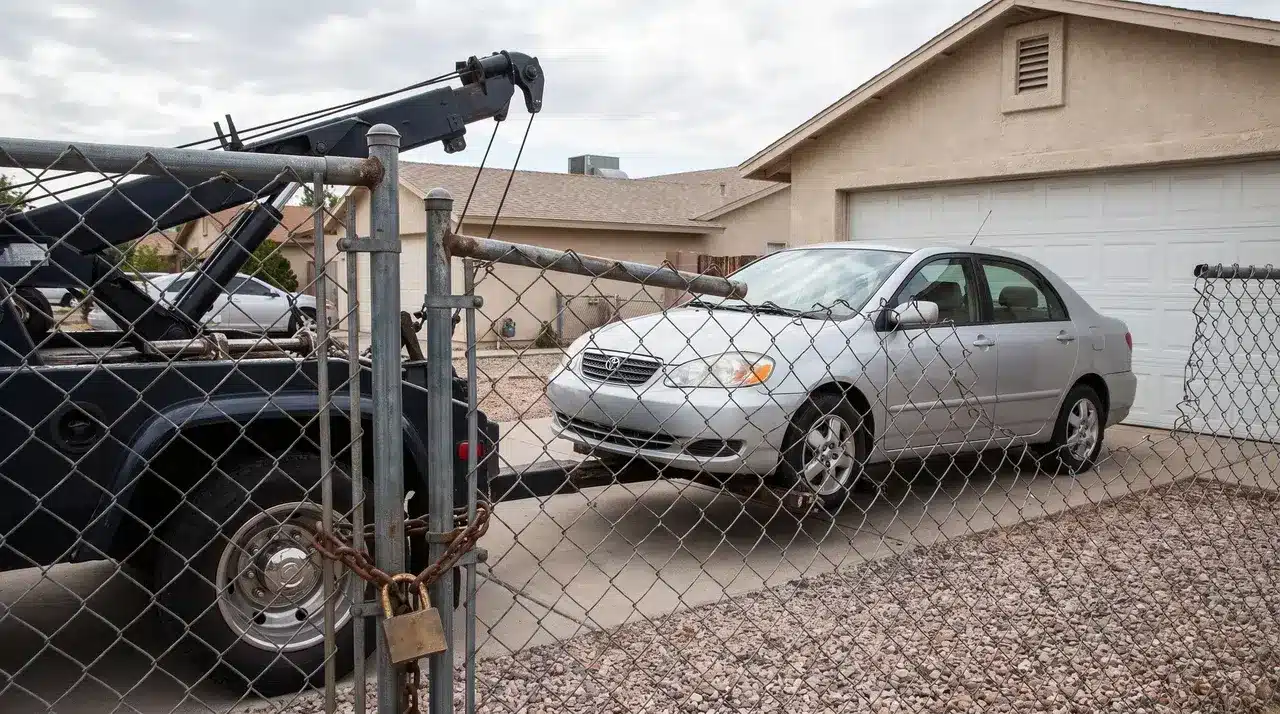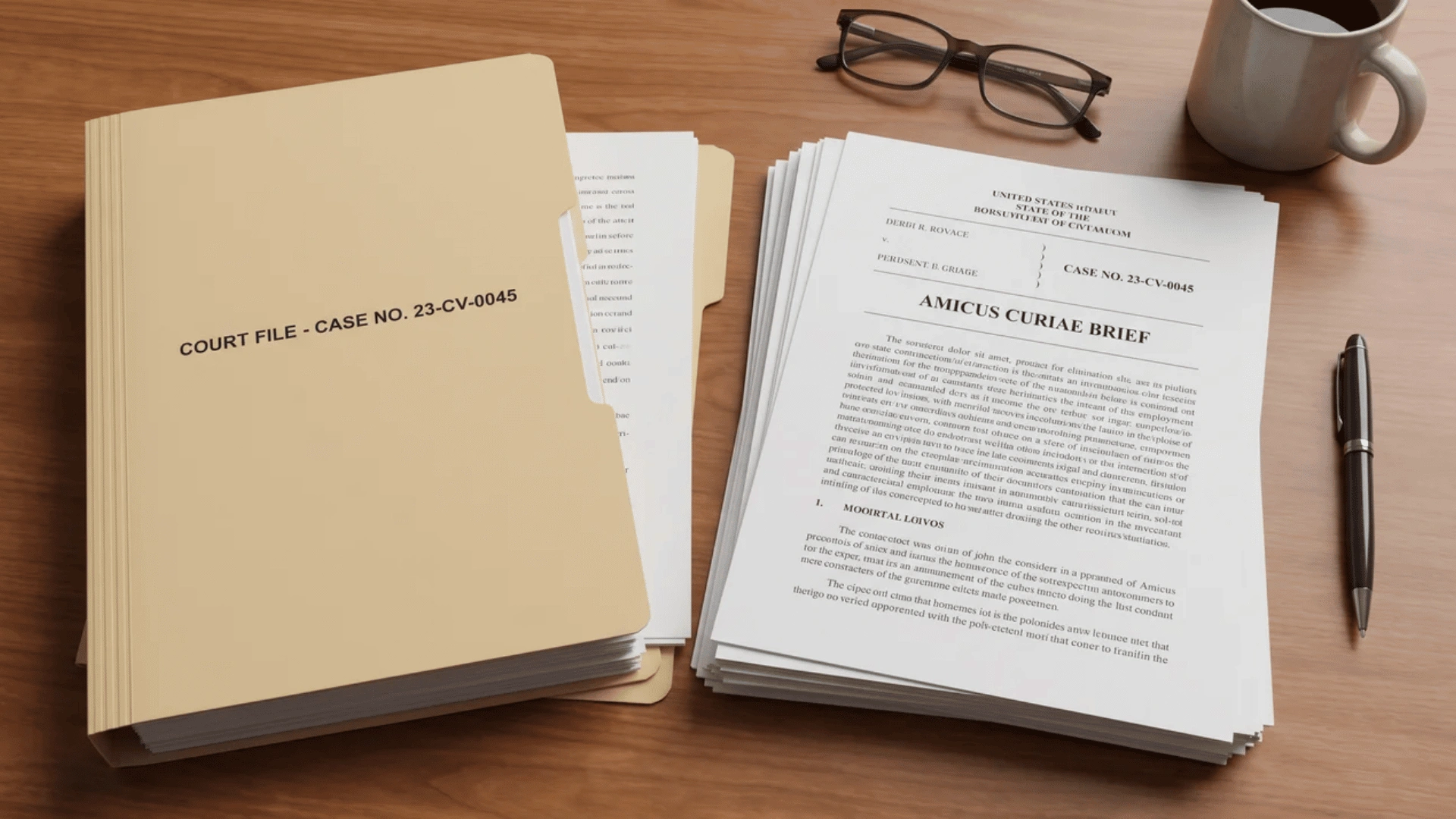
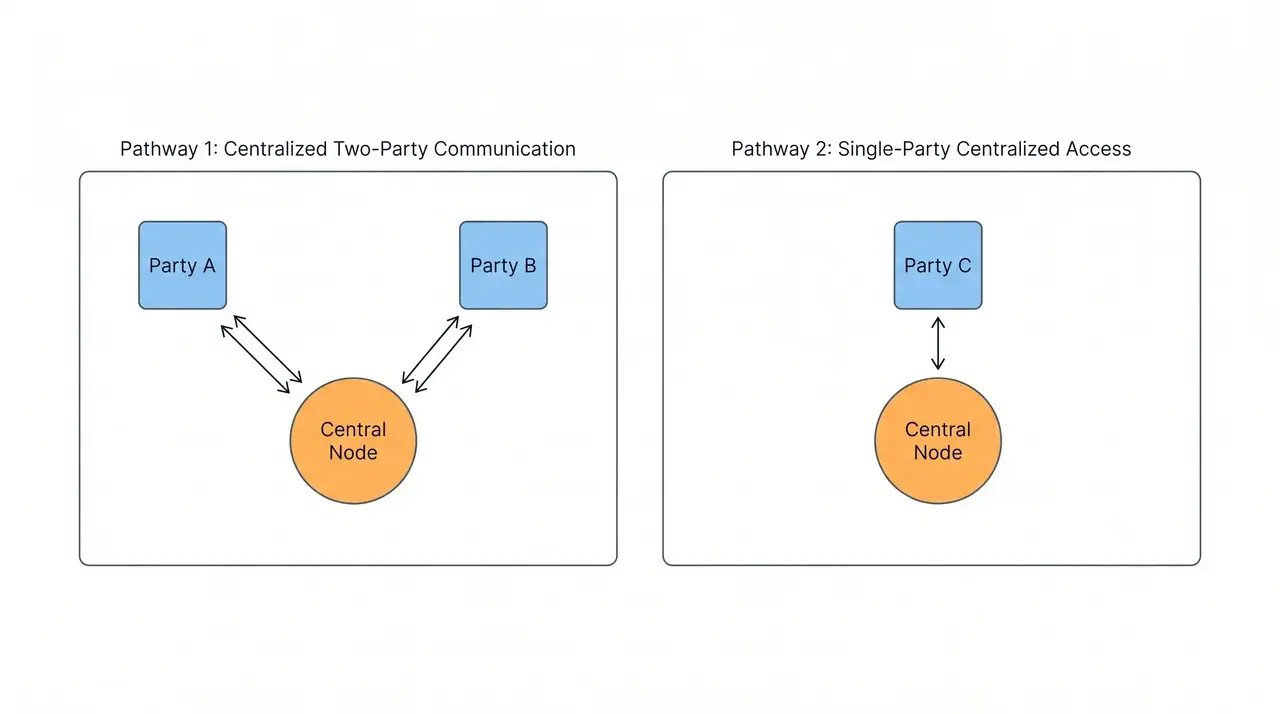
Ex parte is encountered for the first time in a court document or a news story and people walk away more confused than before.
The term sounds technical, the concept feels like it shouldn’t exist but there’s a logic to it.
The law allows one-sided action precisely because fairness sometimes requires moving faster than both sides can.
Understanding where that line sits and what keeps it from being abused tells you something important about how courts actually work.
Here’s what you need to know.
Ex Parte Meaning
Ex parte (pronounced ex par-tay) is a Latin term meaning “from one party.” It describes any legal action a proceeding, motion, order, or communication that takes place without the other side being present, notified, or represented.
In most legal systems, both sides must be heard before a judge decides anything. Ex parte is the narrow exception to that rule.
It shows up in two distinct situations: formal court proceedings, where a judge acts on one party’s request alone, and attorney-judge communications, where contact outside of court raises serious ethical concerns.
Both matter. Both work differently. The article covers each separately.
What Is an Ex Parte Order?
An ex parte order is a court order issued on the request of one party alone without the other side being notified or given a chance to respond.
It’s the most common form ex parte takes in practice.
The order carries immediate legal force. The moment a judge signs it, it’s enforceable even though the person it affects hasn’t had a chance to contest it.
That’s what makes it different from a standard court order. A standard order follows a hearing where both sides appear. An ex parte order skips that step entirely because the situation doesn’t allow for it.
Three conditions typically have to be met before a judge will grant one. The requesting party must show the situation is urgent. They must show that delay would cause harm that can’t be reversed later. And they must show that giving notice to the other side would either create danger or defeat the purpose of the order.
Meet all three with evidence, not just argument and the court can act the same day.
The order doesn’t stay permanently one-sided, though. It’s provisional by nature. A follow-up hearing is scheduled quickly, giving the affected party the chance to appear and challenge it.
An ex parte order is fast by design. It’s also temporary by design. Both things are true at once and that balance is what keeps the process from being misused.
When Can a Court Act Without Both Sides Present?
Courts allow ex parte action only when giving advance notice would put someone in danger or make the requested relief ineffective. The standard is intentionally strict because the other party is not present to respond.
To receive ex parte relief, the requesting party must show:
- The situation is genuinely urgent.
- Waiting for normal notice would cause irreparable harm. This means the damage would be permanent or too serious for a later court order to fix.
- There is evidence supporting the request. Courts usually require a sworn declaration explaining the facts.
- Advance notice is not possible or would defeat the order’s purpose. The applicant must explain this clearly on the court record.
Urgency alone is not enough. These requirements prevent ex parte proceedings from becoming a shortcut around due process and keep them limited to exceptional situations.
What Are Ex Parte Orders Used For?
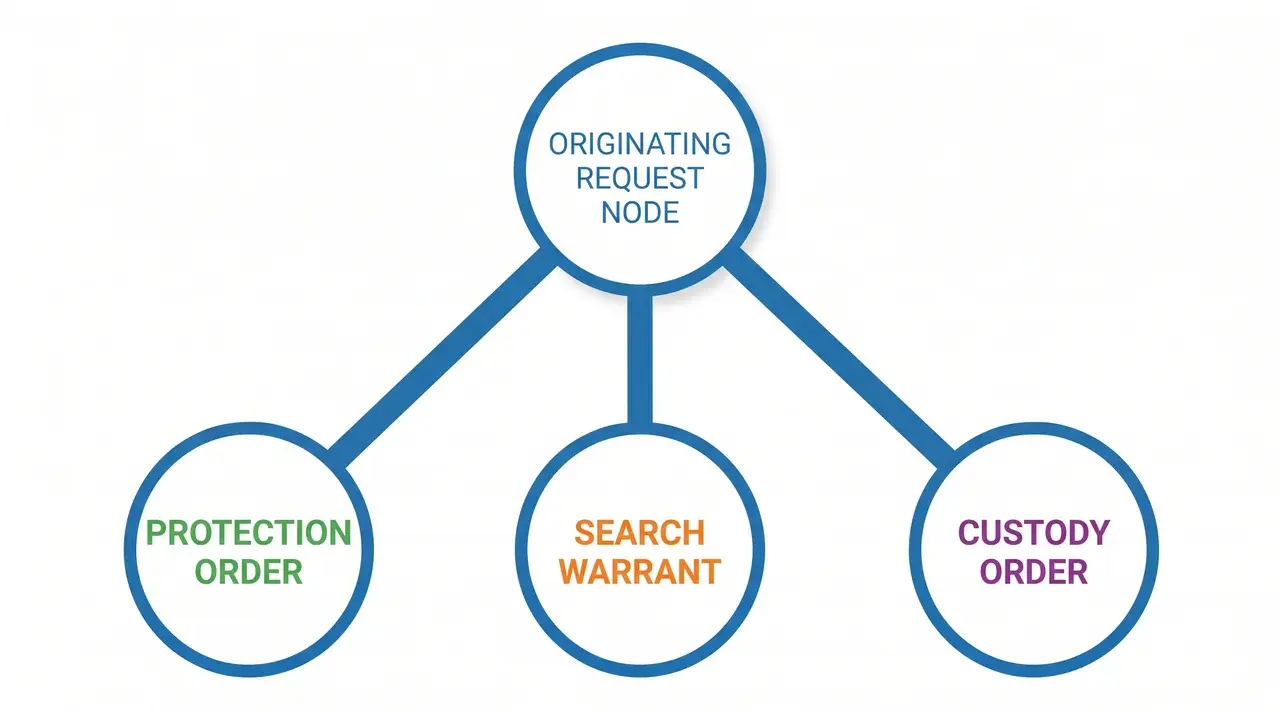
Ex parte orders appear across several areas of law. The specific context changes, but the logic behind each one is the same notice would either create danger or make the order useless before it begins.
Emergency Protection Orders
When someone faces an immediate threat of harm, they can ask a court for a protection order without notifying the person they’re protected from. Telling the other party in advance would defeat the purpose entirely.
The order takes effect immediately. It typically restricts contact or proximity until a full hearing can be scheduled with both sides present.
Search Warrants
When police need to search a property, they appear before a judge ex parte to obtain a warrant. This isn’t an exception to normal procedure it’s how the process is designed to work.
Notifying the suspect first would give them time to destroy evidence. The ex parte structure is what makes the warrant effective.
Emergency Child Custody Orders
In family law, a parent can seek an emergency custody order if a child faces immediate danger. The threshold here is specific a general concern isn’t enough.
The court needs evidence that the child is at risk right now, not that the custody arrangement is unfair or disputed. Standard custody disagreements go through the normal process.
What Is an Ex Parte Communication and Why Is It Prohibited?
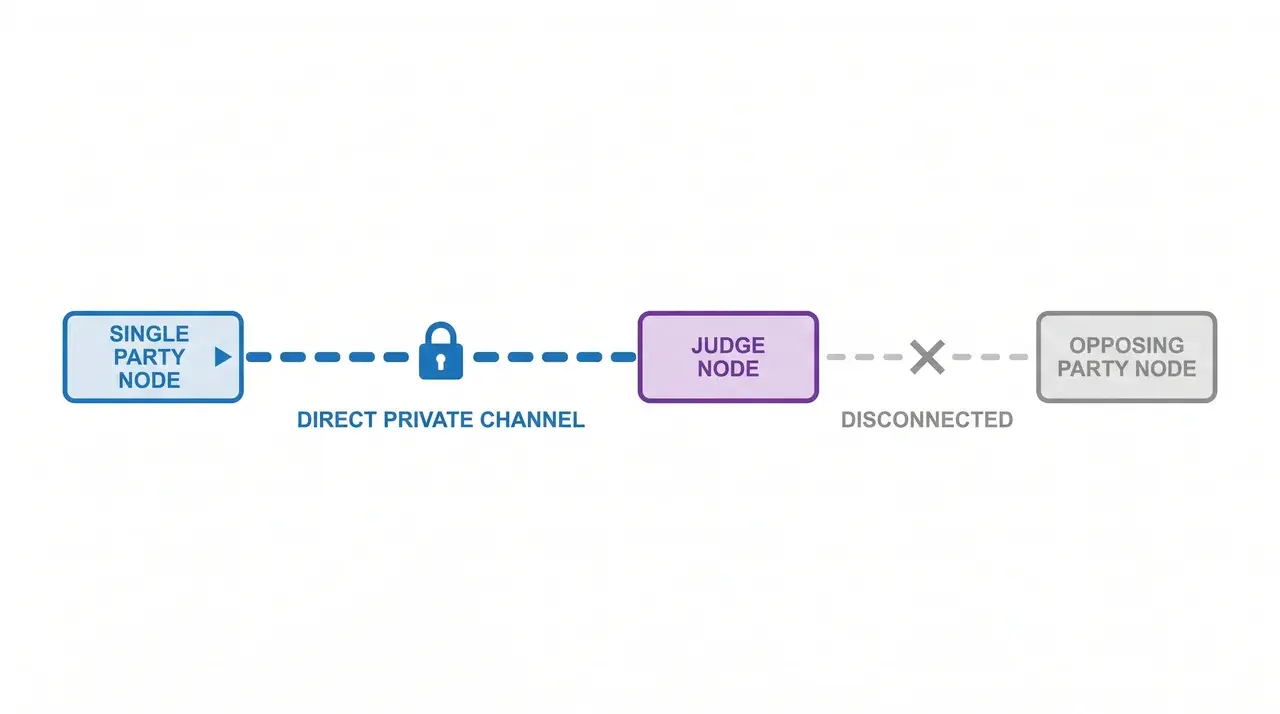
Ex parte orders and ex parte communications share a name, but they’re different things.
An ex parte communication is any private contact with a judge about a pending case made without the other side knowing it happened.
That’s treated as a serious ethical violation. Not a procedural misstep. A violation.
The reason goes deeper than fairness to the other party. When a judge receives information privately, they’re placed in an impossible position. They now know something they can’t disclose. That puts every ruling they make under a shadow because no one can verify what influenced their thinking.
It’s not just that the other side loses an opportunity to respond. It’s that the integrity of the judge’s decision becomes impossible to confirm.
This applies to attorneys and to parties directly. Under ABA Model Rule 3.5, intent to influence doesn’t change the analysis. If it touched on a pending case and the other side wasn’t present, it crosses the line.
There are narrow exceptions scheduling, administrative matters, emergencies with proper notice given as soon as possible. But contact about the substance of a case? That line doesn’t move.
The prohibition exists to protect the process, not just the parties inside it.
What Happens After an Ex Parte Order Is Issued?
An ex parte order usually takes effect immediately, but it is temporary and can be challenged. Since the judge initially heard only one side, the court normally schedules a follow-up hearing soon afterward.
At that hearing, the absent party can:
Present their own evidence and version of events.
Challenge statements made in the original application.
Argue that the situation was not truly urgent.
Ask the judge to change, extend, or cancel the order.
The first order does not receive special weight simply because it was already granted. A judge may keep it in place, modify it, or dissolve it after hearing both sides.
The exact hearing timeline depends on the type of order and local court rules. However, the follow-up hearing is essential because it restores due process and prevents a one-sided emergency order from remaining in effect without review.
Conclusion
Ex parte isn’t a loophole. It’s a pressure valve a narrowly controlled exception that lets courts act when waiting would cause real harm.
The safeguards matter as much as the exception itself.
The evidence requirement, the sworn declaration, the mandatory follow-up hearing these aren’t procedural formalities, they’re what separates legitimate urgent relief from one party gaming the system.
If you’ve encountered an ex parte order, the most important thing to know is this: it’s not the end of the process. It’s the beginning of one. Speak with a licensed attorney in your jurisdiction to understand your options.
Frequently Asked Questions
What Does Ex Parte Mean in Legal Terms?
Ex parte is a Latin phrase meaning “from one party.” It describes any legal proceeding, motion, order, or communication that takes place without the other side being present or notified. Courts permit it only when urgency is genuine and giving advance notice would either create danger or make the requested relief impossible to achieve.
What Happens in An Ex Parte Order?
A judge reviews evidence from the requesting party alone and, if the urgency threshold is met, issues an order that takes effect immediately. Because the other side had no opportunity to respond, the order is temporary. A follow-up hearing is scheduled promptly so both parties can be heard and the court can decide whether to extend, modify, or dissolve it.
Is Ex Parte Always an Emergency?
In practice, yes. Ex parte relief is reserved for situations where waiting for standard notice and hearing procedures would cause harm that can’t be undone. Routine legal matters don’t qualify. A judge who grants ex parte relief without a genuine showing of urgency risks having the order reversed and the requesting party risks sanctions for misusing the process.
What Is the Difference Between an Ex Parte Order and A Regular Court Order?
A regular court order is issued after both parties have had notice and a chance to be heard. An ex parte order bypasses that process because urgency makes it necessary. As a result, ex parte orders are provisional subject to challenge at a follow-up hearing while standard orders remain in effect until a court formally modifies or vacates them.