A case dismissed with prejudice is generally closed permanently, meaning the same claim usually cannot simply be filed again.
But what does that actually mean for the people involved? The answer can change based on the type of case, the court involved, and why the dismissal happened.
In this guide, you’ll learn what happens after this ruling, how it differs from a dismissal without prejudice, and why it is not the same as being found not guilty.
First, let’s look at what this legal phrase really means.
What Does “Dismissed With Prejudice” Mean?
A case dismissed with prejudice is generally closed permanently. The person who brought the claim usually cannot file the same claim again after the court issues this type of dismissal.
The phrase “with prejudice” means the dismissal is meant to be final, not a temporary pause.
Unlike a dismissal without prejudice, the party usually cannot fix the same issue and return to court with the same claim.
This connects to a legal concept called claim preclusion, also known as res judicata.
In simple terms, it prevents the same legal claim from being brought again after it has already received a final resolution. The goal is to stop repeated lawsuits over the same dispute.
However, a dismissal with prejudice does not always mean a judge held a trial and decided every fact in the case. The reason for the dismissal and the court’s order can affect what the ruling means in practice.
For example, a court may permanently dismiss a claim because a legal problem cannot be corrected through another filing.
The exact effect can depend on the court, the type of case, and the wording of the dismissal order.
Dismissed With Prejudice Vs. Without Prejudice
The main difference is what happens after the dismissal.
A dismissal with prejudice generally closes the door on filing the same claim again, while a dismissal without prejudice usually leaves the option to file again open.
The meaning of “without prejudice” is different because the dismissal generally does not permanently prevent the claim from being filed again.
However, that does not mean a person can always restart the case whenever they want. Filing deadlines, court rules, and other legal requirements may still apply.
| Question | With Prejudice | Without Prejudice |
|---|---|---|
| Can the claim usually be refiled? | No, the same claim generally cannot be filed again. | Yes, refiling may be possible. |
| Is the dismissal intended to be final? | Yes, it is meant to permanently end the claim. | Not necessarily, since the claim may return. |
| Can a correctable problem be fixed? | Usually not by filing the same claim again. | Sometimes, if the issue can be corrected. |
| Does the case continue? | No, the current case ends. | No, but a new case may be possible. |
Under Federal Rule of Civil Procedure 41, many voluntary federal civil dismissals are treated as without prejudice unless the dismissal notice, agreement, or court order states otherwise.
The wording of the dismissal order matters because it determines what options remain.
What Falls Under a Dismissal With Prejudice?
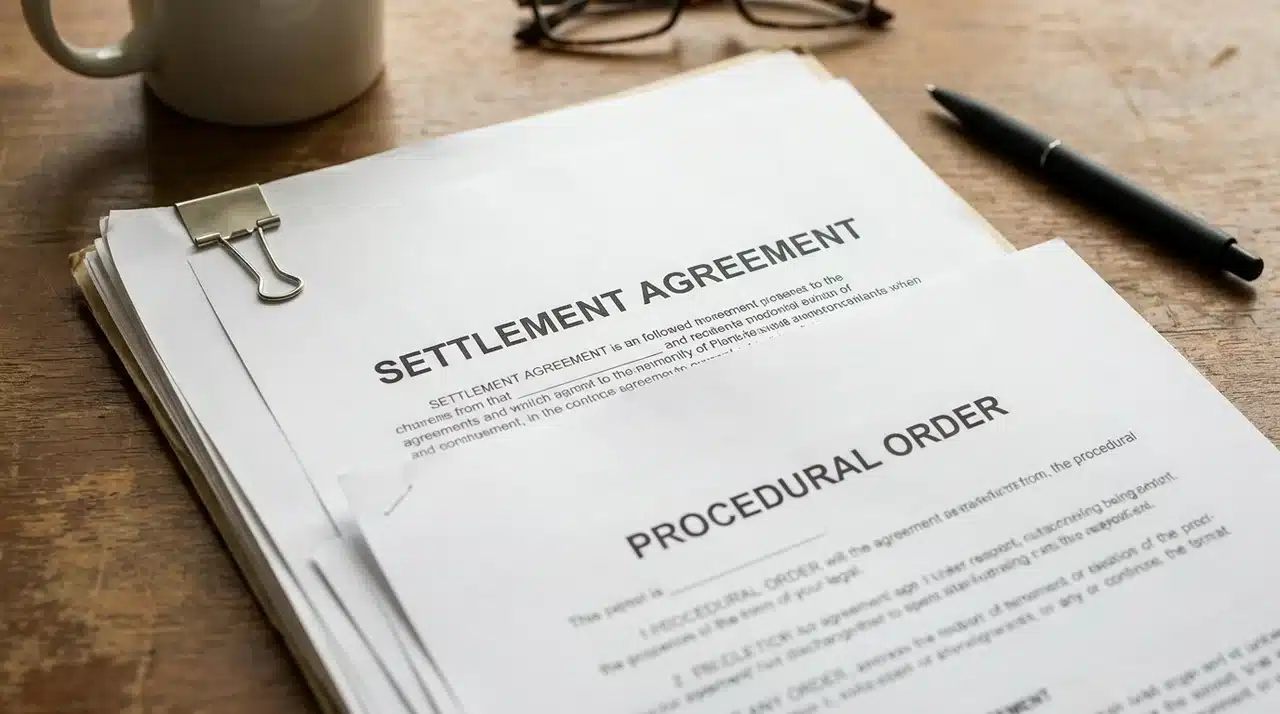
The reason a court dismisses a case with prejudice depends on the type of case involved. While the final effect is generally the same, the situation behind the dismissal can vary widely.
A settlement, a filing problem, or a serious procedural issue can all lead to this outcome. The reason matters because it explains why the court decided the case should end permanently.
The case disposition record will typically note this reason alongside the dismissal itself. A dismissal with prejudice may still be reviewed through an appeal.
The trial court’s decision is final for that court, but a higher court may review certain legal errors or issues.
Common Civil Case Reasons
In civil cases, a dismissal with prejudice usually traces back to one of a few recurring situations:
- A completed settlement: The parties reach an agreement and end the dispute for good. Once the terms are completed, the court may close the case so the same claim cannot be brought again.
- An uncorrectable legal issue: The claim cannot move forward, for example because it was filed after the deadline or lacks enough legal support to continue.
- Repeated failure to follow court requirements: If a party ignores court orders or does not correct serious filing problems, the judge may dismiss the case permanently.
Common Criminal Case Reasons
Criminal cases work differently because the government is bringing charges against the defendant.
A dismissal with prejudice in this setting often focuses on problems with the prosecution process rather than the strength of the claim itself.
For example, a violation of a defendant’s Sixth Amendment right to a speedy trial requires dismissal with prejudice, along with certain forms of government misconduct. The key difference is what caused the dismissal.
In civil cases, the issue often relates to the claim or the parties’ actions. In criminal cases, it may relate to whether the government followed the required legal process.
What Dismissal With Prejudice is Not
A common mistake is assuming that “with prejudice” means the court decided who was right or wrong. It does not.
The phrase refers to the final nature of the dismissal, not a verdict on the facts or who was responsible.
In practice, this is the point where clients get confused most often, since a dismissal with prejudice can look like a clean win without the court ever actually deciding who was right.
A dismissal with prejudice does not mean the defendant was found not guilty. It also does not automatically decide guilt, innocence, or fault.
The case ends, but the court may not have decided what actually happened, similar to how the criminal case process can end at several different points without a verdict ever being reached.
The difference becomes clearer when compared with a dismissal without prejudice.
A dismissal without prejudice may allow the person who filed the claim to fix a problem and bring the case again. A dismissal with prejudice generally closes that option for the same claim.
This can still be confusing after a settlement.
A case dismissed with prejudice after both sides reach an agreement may look like a victory for one party, but it does not mean the court ruled on fault.
The parties resolved the dispute, and the dismissal made that resolution final.
Why Dismissal With Prejudice Matters
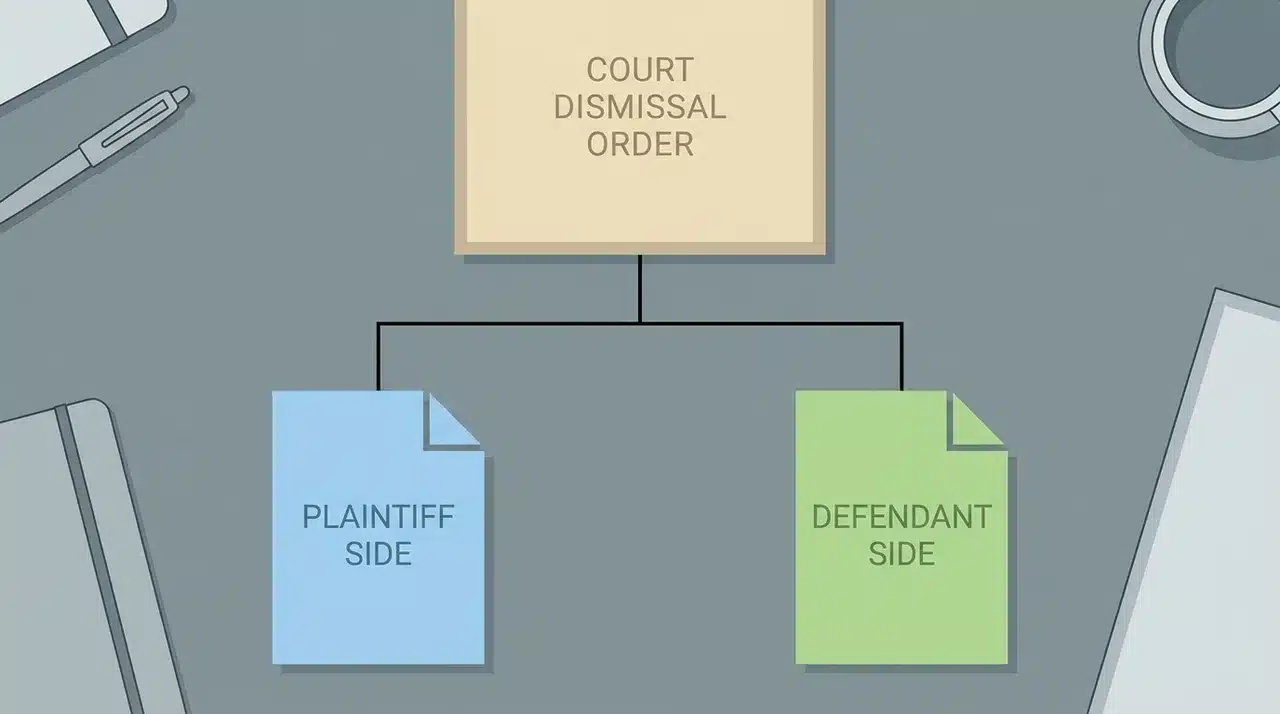
The practical impact of a dismissal with prejudice depends on why it was issued, not just the fact that the case ended permanently. The same ruling can help one side while creating problems for the other.
For a plaintiff, the key question changes from “Can I continue pursuing this claim?” to “Is there a legal reason to challenge the dismissal?”
Once the claim is dismissed with prejudice, the focus usually shifts away from filing again and toward whether the dismissal itself can be reviewed.
For a defendant, the outcome is often favorable because the specific claim has reached an endpoint. However, the effect only applies to that particular case and claim.
It does not prevent either side from bringing or defending against separate legal disputes involving different issues.
A settlement-based dismissal can also benefit both parties. The plaintiff may receive an agreed resolution, while the defendant gains finality. The meaning of the ruling depends on the circumstances behind it.
How is Dismissed Without Prejudice Different?

A dismissal without prejudice works differently because it usually does not permanently block the person who filed the case from trying again.
Instead of ending the claim forever, it leaves open the possibility of correcting a problem and bringing the matter back to court. This does not mean the original case stays active.
The court case is still closed, but the person who filed it may have another opportunity if the legal requirements are met.
A high-profile dismissed without prejudice case can show how this plays out, since prosecutors sometimes refile the same charges once the original problem is fixed. The biggest difference is what happens afterward.
A dismissal with prejudice generally ends the claim permanently, while a dismissal without prejudice may allow a new filing based on the same issue.
For example, a case may be dismissed without prejudice because of a correctable filing problem rather than because the claim can never move forward.
However, refiling is not always guaranteed. Deadlines, court rules, and other legal requirements can still prevent someone from bringing the case again.
The reason behind the dismissal and the wording of the court order usually determine what options remain.
Conclusion
A case dismissed with prejudice closes that specific claim for good, but it does not always answer every question a person is facing.
The reason behind the ruling matters just as much as the ruling itself, whether that reason is a settlement, a missed deadline, or a violation of someone’s rights.
A dismissal without prejudice still leaves a door open, while this type generally does not. Court records, appeal options, and filing deadlines all work differently depending on which one applies to a case.
Because the details shift so easily, anyone facing a real dismissal should talk to a licensed attorney in their state before deciding what comes next.
Frequently Asked Questions
Can a Judge Change a Dismissal From Without Prejudice To With Prejudice?
Yes, a court may change the effect of a dismissal in some situations, depending on the case circumstances and applicable rules. The wording of the court order plays an important role.
Does a Dismissal With Prejudice Affect Other Lawsuits?
Usually, it only affects the specific claim that was dismissed. It does not automatically prevent someone from bringing a different lawsuit involving separate legal issues or facts.
Does a Dismissed Case Still Appear on Court Records?
In many cases, yes. A dismissed case may remain part of the public court record unless it is sealed or removed under specific legal procedures.
How Can Someone Know If a Dismissal Was with Prejudice?
The best way to confirm is to review the court’s dismissal order. The order usually states whether the case was dismissed with prejudice or without prejudice.