In a courtroom, everything can come down to a few final minutes that decide a person’s future. That last stretch is where pressure is highest, and every word carries weight.
Many people look for real trial speeches because they want to see exactly what was said when the stakes were real.
The final minutes of a trial can shape how jurors think about the facts, the people involved, and the story they just heard.
That is where closing statement examples become so powerful, because they show how lawyers guide those final thoughts.
A strong closing can shift doubt, build trust, and leave a lasting image in the jury’s mind. In this blog, you will read real quotes from actual trials and see how lawyers structure their arguments.
You will also understand the strategy behind those words, from emotional appeal to logical framing.
What Makes a Strong Closing Statement in Court?
The purpose of a closing argument is to bring the entire case together in a clear and focused way.
After weeks of testimony and evidence, the lawyer connects the facts into one steady message that reminds the jury what truly matters and how the pieces fit.
A strong closing blends emotional appeal with logical reasoning, making the argument feel balanced and convincing.
Facts create trust and show structure, while emotion helps jurors understand the human impact behind those facts.
Storytelling plays an important role because it turns scattered details into a clear narrative that is easier to follow and remember.
Repetition of key themes reinforces the central idea, and direct address to the jury builds a connection and keeps their attention focused on the final decision.
Closing Statement Examples from Real Trials
Some of the most powerful courtroom moments came down to a few final words. These closing statement examples show how strategy, timing, and phrasing shaped real verdicts.
1. Johnnie Cochran in the O.J. Simpson Trial, 1995
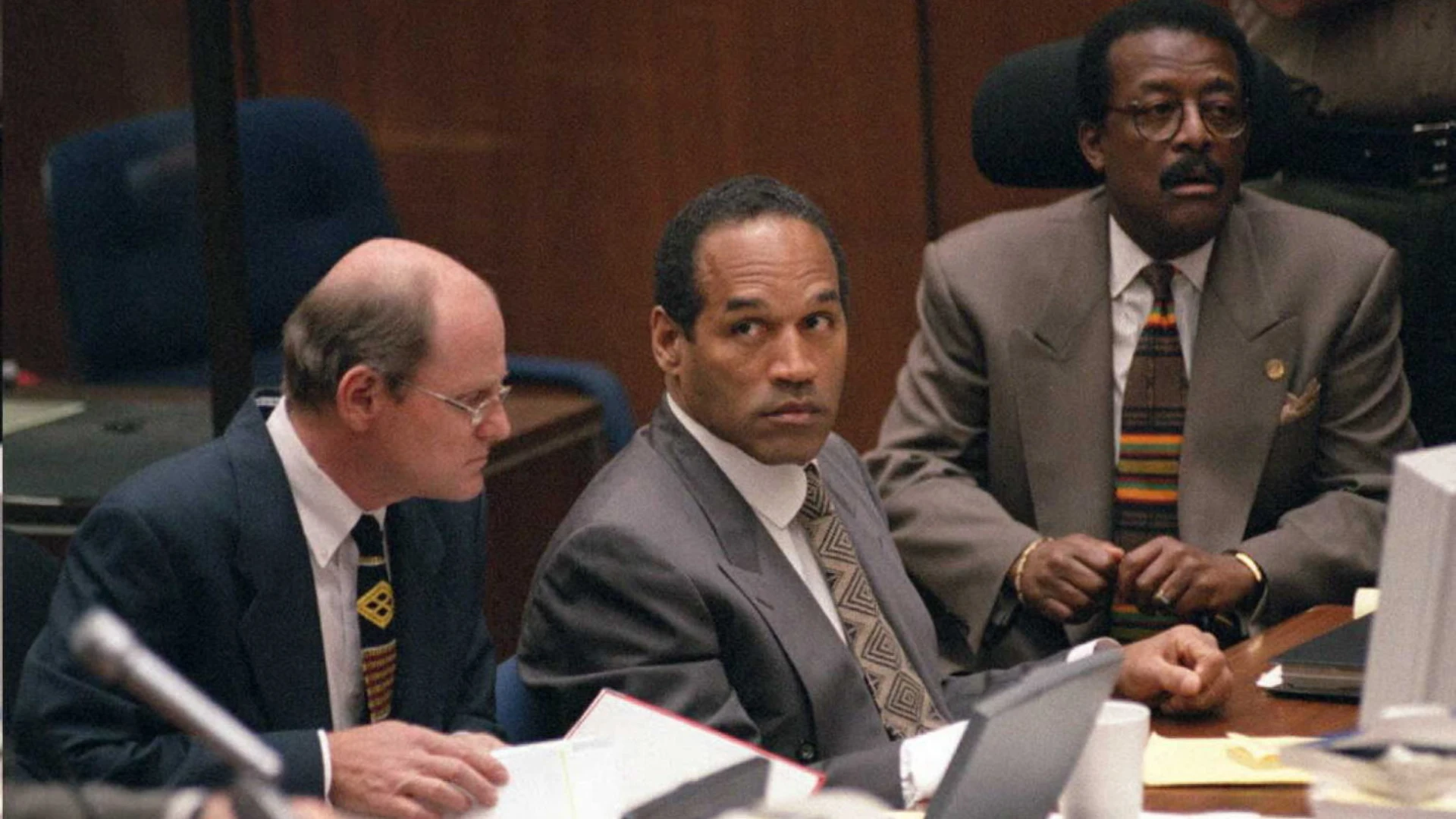
Johnnie Cochran defended O.J. Simpson against murder charges for the deaths of Nicole Brown Simpson and Ron Goldman.
In his closing argument, he focused on police mistakes and the glove found at the scene. He told the jury, “If it doesn’t fit, you must acquit.“
That single line became the center of the defense. It was simple and easy to remember. Cochran tied the glove to the larger issue of doubt in the case.
By repeating that theme, he pushed the jury to question the evidence. Simpson was found not guilty. This remains one of the most cited examples of a closing statement in modern trials.
What is less often discussed is what the prosecution’s closing also attempted. Lead prosecutor Marsha Clark built her closing around the physical evidence, the blood, the timeline, the glove, and argued that the defense had offered only far-fetched notions to explain it away.
Her argument was comprehensive and factually dense. Cochran’s was simple and thematic.
The verdict suggests that thematic simplicity, anchored to a single powerful image, is often more persuasive in the jury room than an exhaustive evidence review.
2. Clarence Darrow in the Leopold and Loeb Case, 1924
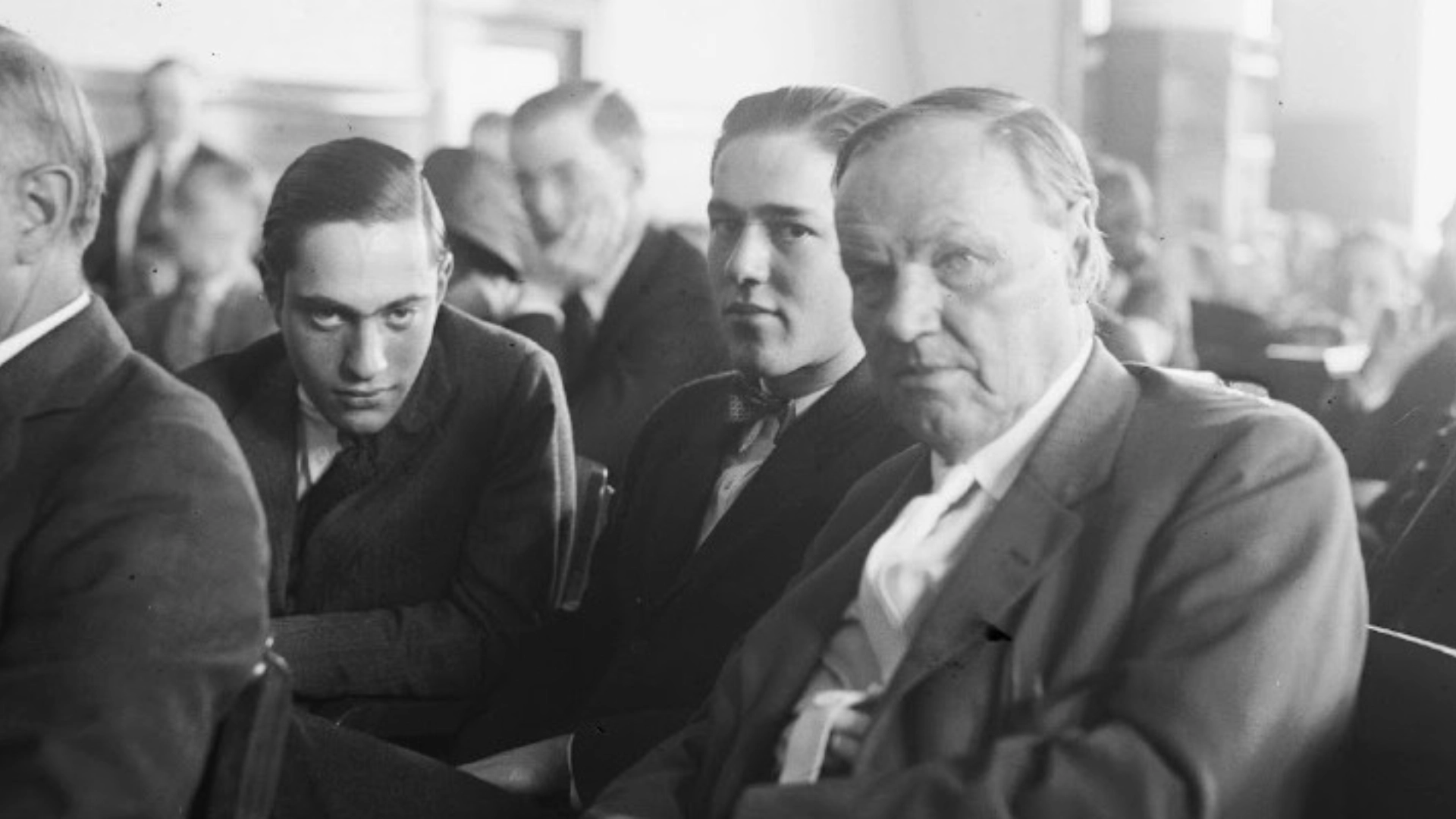
Nathan Leopold and Richard Loeb kidnapped and killed 14-year-old Bobby Franks. The evidence against them was clear.
Clarence Darrow chose not to argue innocence. Instead, he focused on saving them from the death penalty.
His closing lasted almost 12 hours across two days. He spoke about youth, psychology, and human weakness. He argued that executing them would not fix the harm done.
The judge sentenced them to life in prison. Among historic closing statement examples, this one stands out for its emotional and moral appeal rather than a fight over facts.
Darrow’s approach in Leopold and Loeb reflected a broader philosophy he carried into many of his cases: that environment, upbringing, and circumstance shape human behavior in ways that courts must reckon with.
He essentially asked the judge to weigh determinism against punishment. That argument, however controversial, was legally permissible, and it worked.
3. Thurgood Marshall in Brown v. Board of Education, 1952 to 1954
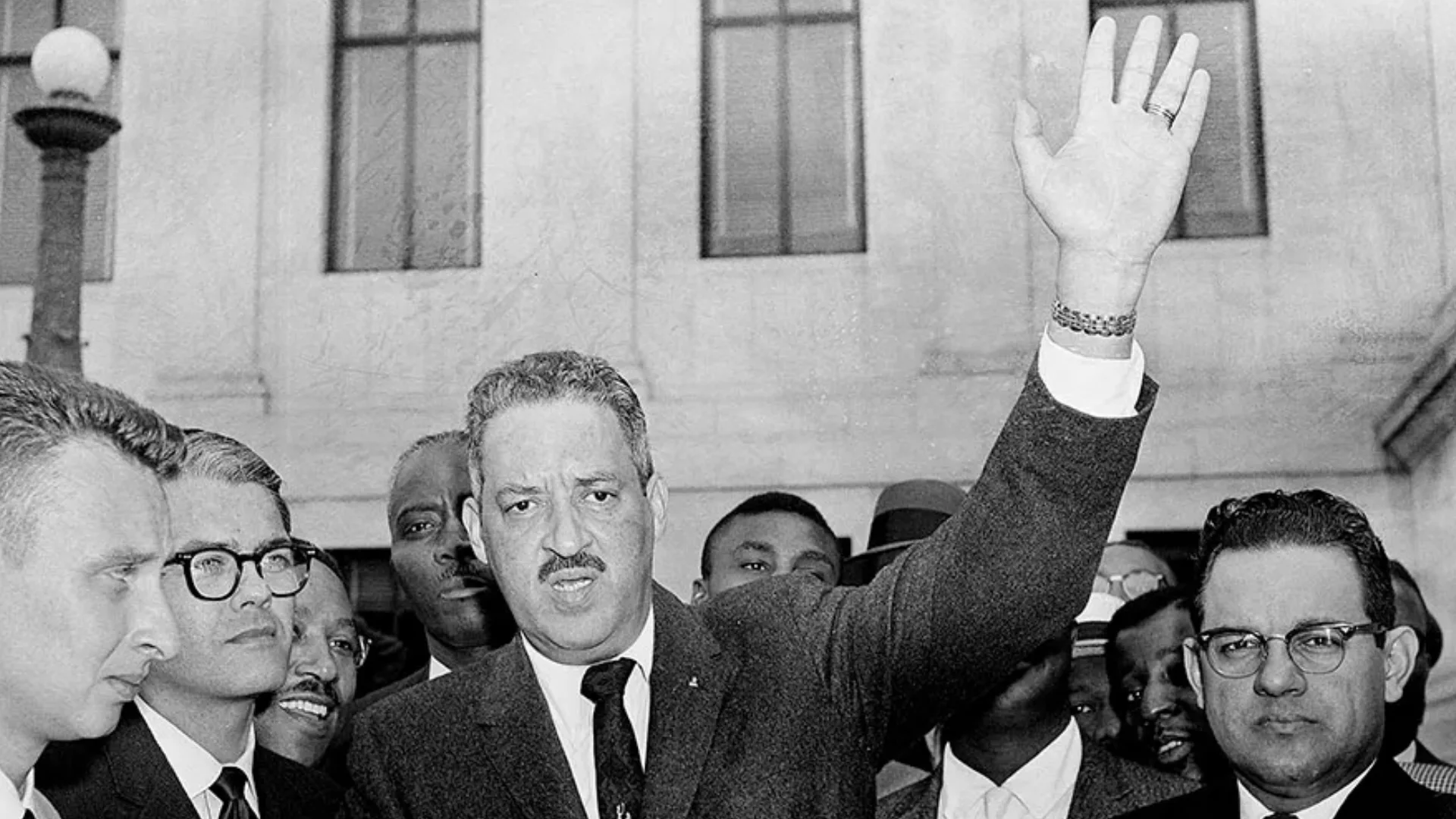
Thurgood Marshall argued that racial segregation in public schools violated the Constitution. His closing approach was calm and grounded in evidence.
He relied on research, including the Doll Test by Dr. Kenneth Clark, to show the harm caused to Black children.
Marshall challenged the idea that separate could ever be equal. The Supreme Court ruled in favor of ending segregation in public schools.
This case remains one of the most important closing statement examples because it shows how clear reasoning and strong proof can shape national change.
As a civil rights attorney, I find this argument particularly instructive. Marshall did not appeal to moral outrage alone.
He built a factual and constitutional structure that left the Court with no doctrinal off-ramp.
That combination of lived harm documented through research and constitutional principle argued without hyperbole is a model for any lawyer working in rights-based litigation today.
4. Abraham Lincoln in People v. Armstrong, 1858
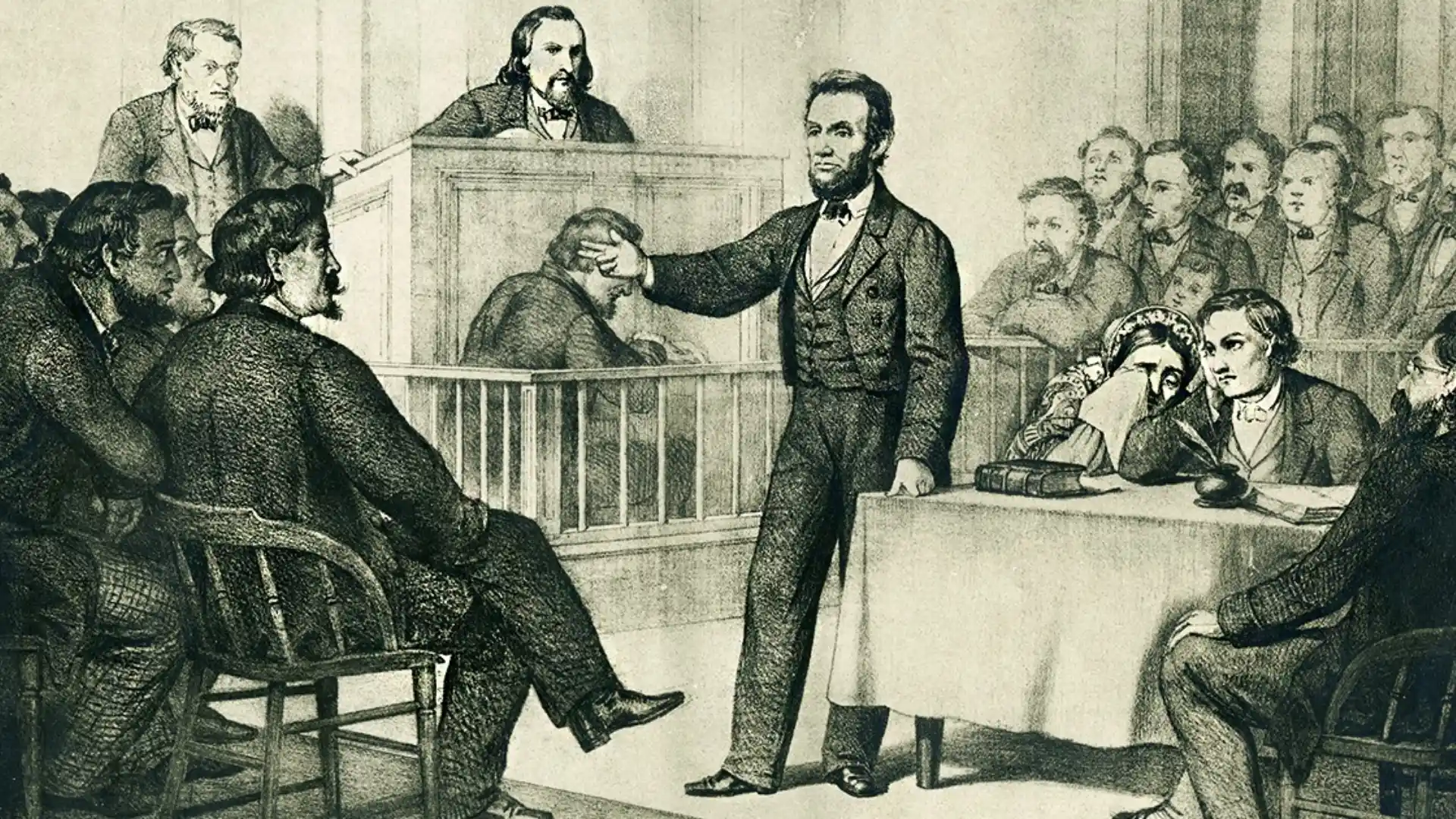
Abraham Lincoln defended Duff Armstrong, who was accused of murder. A witness claimed he saw the crime clearly under a bright moon.
Lincoln checked a Farmer’s Almanac and proved that the moon was low that night, which weakened the witness’s claim.
In his closing, he reminded the jury of his long connection with Armstrong’s family and asked them to weigh the facts carefully.
The jury acquitted Armstrong quickly. This is one of those closing statement examples that shows how evidence, timing, and personal appeal can work together in a powerful way.
5. Joseph Hartzler in the Trial of Timothy McVeigh, 1997
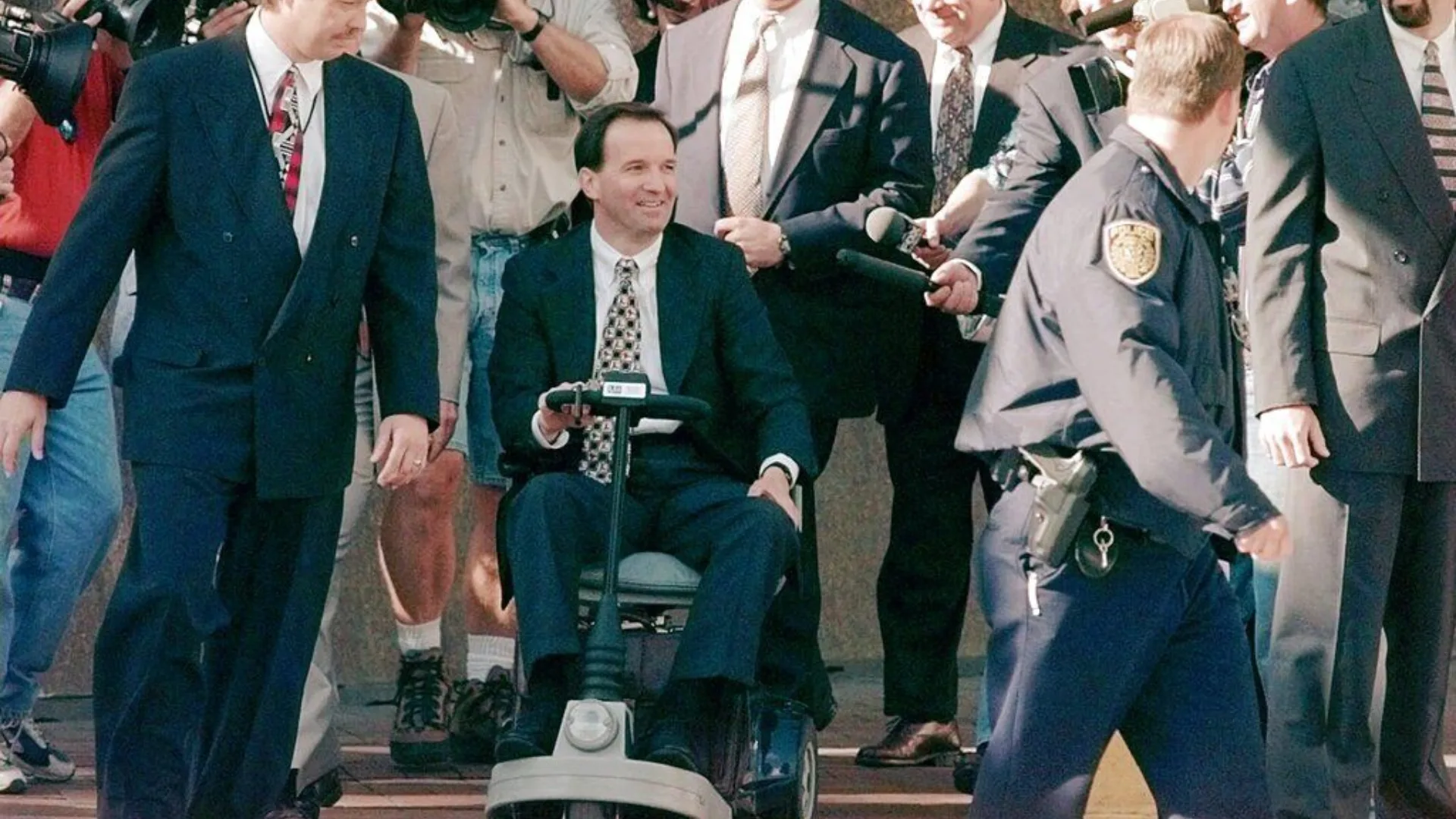
The prosecution’s closing argument in the Oklahoma City bombing trial is one of the clearest examples of how to handle an evidence-heavy, high-emotion case without letting emotion overtake structure.
Prosecutor Joseph Hartzler and his team built their closing around a single framing device: the promise they had made to the jury in opening statements, and whether the evidence had kept that promise.
The closing asked jurors to compare what the government said it would prove against what it actually proved and argued that the wall of evidence still stood, undisturbed by the defense’s challenges.
McVeigh was convicted and sentenced to death. The lesson from this closing is a structural one: accountability to your opening statement builds credibility with jurors who have been paying attention for weeks.
6. Captain Aubrey Daniel in the Trial of Lt. William Calley, 1971
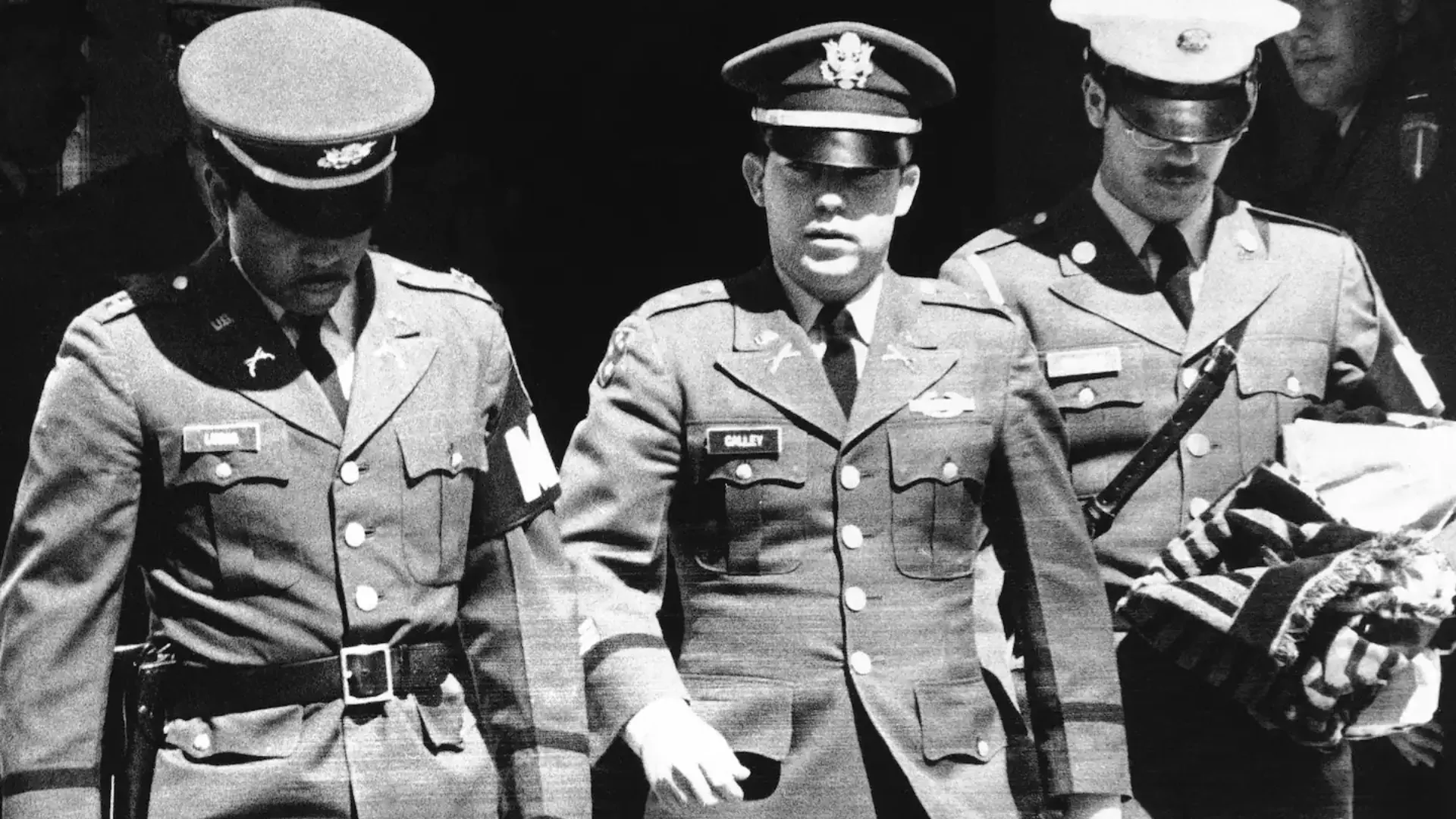
The court-martial of Lieutenant William Calley for his role in the My Lai Massacre produced one of the most studied prosecution closings in military legal history.
Captain Aubrey Daniel, then just 29 years old, gave what legal scholars have described as a clean, classic argument: methodical, corroborated, and stripped of excess.
Rather than relying on dramatic appeals, he built his closing charge by charge, linking witnesses across incidents to establish the pattern of conduct.
The military jury convicted Calley on all counts. For anyone studying closing statement examples from a prosecution standpoint, Daniel’s argument is a model of how controlled precision can be more powerful than courtroom theater.
Clients sometimes ask whether calm, structured arguments actually work in front of juries, or whether jurors only respond to emotion.
Cases like the Calley court-martial and Brown v. Board of Education suggest that the answer depends entirely on what the evidence supports.
When the facts are overwhelming, restraint signals confidence. Emotion is most effective when it fills a gap that evidence alone cannot close.
Breaking Down the Strategy Behind These Closing Statements
When you study these closing statement examples closely, you can see how skilled lawyers frame doubt with precision and restraint.
Rather than attacking every detail presented during the trial, they highlight one or two weaknesses and return to them in a steady way, allowing reasonable doubt to grow naturally in the minds of the jury.
- Emotion is carefully measured, as the lawyers connect the evidence to real human impact, but they avoid sounding dramatic or exaggerated, which helps maintain credibility and trust.
- Facts and timeline are presented in a clear sequence, so the events feel organized and easy to follow. Each detail supports a central theme instead of standing alone.
- Strong closings also end with a memorable final sentence that reinforces the main idea and leaves the jury focused on one clear conclusion as they begin deliberation.
One pattern that runs through nearly all of these examples is that the attorney began preparing the closing argument long before the trial ended.
The best closings are not assembled after the last witness steps down. They are built backward from the verdict the attorney is trying to reach, with every trial decision made to support that final argument.
Understanding how closing arguments fit within the larger structure of a trial also requires knowing how those final words interact with what came before.
The broader litigation process shapes what arguments are even available to an attorney by the time closing begins, since evidence admitted, witnesses examined, and objections ruled on all determine the raw material a lawyer has to work with in those final minutes.
Prosecution vs. Defense: How Closing Strategy Differs
A distinction that many discussions of closing statement examples gloss over is that prosecution and defense closings are not simply mirrors of each other. They operate under different legal constraints and pursue fundamentally different goals.
The prosecution carries the burden of proof. In criminal trials, that standard is proof beyond a reasonable doubt, the highest evidentiary threshold in the American legal system.
A prosecution closing must therefore accomplish two things at once: reinforce the strength of the evidence and preemptively neutralize the reasonable doubt the defense has been planting throughout the trial.
Hartzler’s closing in the McVeigh case and Marsha Clark’s in the Simpson trial both tried to do exactly this, with different results.
The defense, by contrast, does not need to prove innocence. It needs only to create doubt. Cochran’s closing in the Simpson trial is the textbook illustration of this asymmetry.
He did not need to explain what happened that night. He only needed the jury to believe that someone, somewhere in the investigation, had handled evidence improperly. One memorable rhyme carried that idea across the finish line.
This asymmetry matters in civil cases as well, where the standard shifts from beyond a reasonable doubt to a preponderance of the evidence, meaning more likely than not.
What Can Make a Closing Argument Legally Impermissible?
Not everything an attorney says in closing is protected by the latitude courts give to oral argument. Closing argument misconduct is a recognized ground for mistrial and, in some cases, for reversal on appeal.
Courts have identified several categories of impermissible conduct.
Misstating the burden of proof, introducing facts not in evidence, making personal attacks on opposing counsel, and explicitly asking jurors to place themselves in the plaintiff’s or victim’s position, sometimes called a “Golden Rule” argument.
In State v. Muniz, 548 P.3d 172 (Or. Ct. App. 2024), an Oregon appellate court reversed a murder conviction after finding that the prosecutor had misstated the presumption of innocence, interjected personal reactions to the case, and urged the jury to decide based on emotion rather than evidence.
The case is a useful reminder that the power of a closing argument has limits and that crossing those limits can undo an otherwise solid prosecution.
Common Techniques Used in Powerful Closing Arguments
Strong closing arguments follow clear patterns that make them persuasive, memorable, and easy for jurors to understand and reflect on during deliberation.
- Story structure: Lawyers shape evidence into a clear beginning, middle, and end so the case feels logical and complete.
- Simple language: Clear and direct words help jurors focus on the message without getting distracted by complex terms.
- Pauses and emphasis: Strategic pauses and vocal stress highlight key points and give jurors time to absorb important ideas.
- Appeals to fairness: Reminding jurors of their duty encourages them to base decisions on justice and responsibility.
- Turning weaknesses into strengths: Skilled lawyers address flaws openly and reframe them to support their overall argument.
- Accountability to the opening statement: Jurors notice when an attorney’s closing delivers on what was promised in the opening. Pointing to fulfilled promises builds credibility; exploiting the opposing side’s broken ones builds doubt.
- Jury instruction language: Weaving the judge’s exact jury instructions into the closing argument, rather than paraphrasing them, gives jurors a direct bridge between the law and the attorney’s argument.
Famous Lines from Historic Trials
These historic courtroom lines show how powerful words, grounded in context and conviction, can influence verdicts and reflect larger social and legal battles.
- “Justice too long delayed is justice denied.”: Thurgood Marshall echoed Frederick Douglass in 1950s civil rights cases, pressing courts to deliver timely justice.
- “To be is to do.”: Clarence Darrow used philosophical reasoning in 1924 to argue that environment and upbringing shape criminal behavior.
- “Separate but equal is a contradiction in terms.”: During Brown v. Board of Education, Marshall showed segregation was inherently unequal and unjust.
- “The law is reason, free from passion.”In the 1933 Scottsboro Boys trial, Samuel Leibowitz urged fairness over fear and public pressure.
- “I am not guilty.”: Nelson Mandela’s 1964 Rivonia Trial statement carried quiet strength and symbolized a broader fight for freedom.
- “The wall still stands.” Prosecutor Joseph Hartzler used this image in the McVeigh closing to tell jurors that, despite weeks of defense challenges, the evidence remained intact and unbroken.
Closing Arguments in Civil vs. Criminal Trials
Most discussion of closing statement examples focuses on criminal trials, where the stakes, freedom, life, and death, are most dramatic. Civil closings operate differently and deserve attention on their own terms.
In a civil personal injury or wrongful death case, the plaintiff’s attorney uses the closing to connect the evidence to a monetary figure that the jury must award.
This requires a different kind of argument, one that asks jurors to translate harm into dollars, which is a far less intuitive task than deciding guilt.
Skilled civil litigators often spend the bulk of their closing walking jurors through the damages framework the judge will provide, ensuring that the jury understands exactly how to calculate what a life, a limb, or a lost income is worth under the applicable instructions.
Closing arguments in automobile accident cases follow a clear pattern: prove liability, then guide the jury through each category of damages using the language of the jury instructions.
Jurors often want to reach a fair outcome but need clarity on applying the law to the facts.
The attorney who provides that clarity typically secures a more precise verdict, often favoring the plaintiff when liability is clear.
This approach also applies in complex cases like medical malpractice.
The closing argument in a personal injury context is only as strong as the damage evidence the attorney built during the trial.
Conclusion
These closing statement examples show how much weight a few final words can carry in a courtroom. From criminal trials to civil rights battles, each example proves that strong closings are never random.
They are built on strategy, structure, and careful choice of language. Some rely on doubt, while others lean on emotion or clear logic.
Many use a single sharp line that stays in the jury’s mind long after the trial ends. Looking at these cases, it becomes clear that the real power lies beneath the surface.
The phrasing matters, but the framing, timing, and theme matter just as much. Every strong closing brings facts together into one clear message that guides the final decision.
Which example stood out to you the most and why? Share your thoughts in the comments below.
Frequently Asked Questions
Can a Defendant Give Their Own Closing Statement Instead Of Their Attorney?
Yes, under the Sixth Amendment, defendants who represent themselves have the right to deliver their own closing argument directly to the jury.
Is a Closing Argument The Same as a Closing Statement?
Yes, both terms refer to the same thing: the attorney’s final address to the jury, summarizing evidence and requesting a specific verdict.
What is a Rebuttal Closing Argument, and Who Delivers It?
A rebuttal closing is the prosecution’s second address, delivered after the defense closes, specifically to counter the defense’s final arguments.