
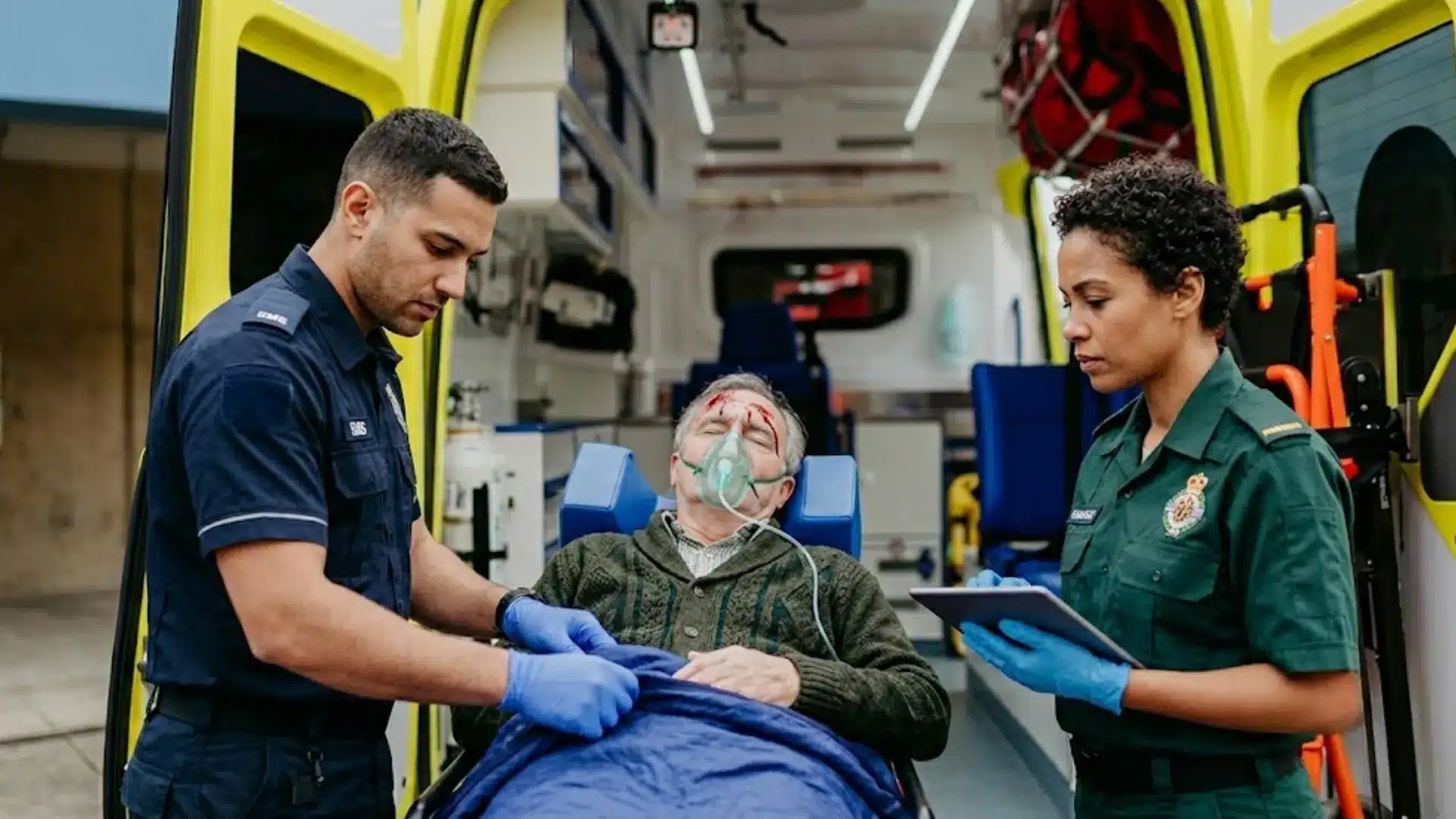
One moment can split life into before and after. A crash, fall, medical mistake, or workplace accident can leave someone asking whether this is the worst injury ever.
Not because of pain alone, but because everything suddenly feels uncertain.
A catastrophic injury reaches far beyond the hospital room. It can affect walking, thinking, working, caring for family, or simply feeling like yourself again.
For many people, the hardest part is not knowing what this injury means, what recovery may look like, or who can help when bills and stress begin to pile up.
That is where understanding the term matters. It can also explain why speaking with a catastrophic injury lawyer may become important.
What is a Catastrophic Injury?
A catastrophic injury is a severe injury that changes a person’s life for a long time or forever.
It can affect the brain, spine, limbs, organs, skin, or ability to move, work, speak, think, or care for daily needs.
These injuries are different from minor injuries because the person may not fully recover, even after surgery, therapy, or long medical care.
Examples include traumatic brain injury, spinal cord damage, paralysis, amputation, severe burns, and major organ damage.
A catastrophic injury can also create emotional stress, high medical bills, lost income, and a need for help at home.
In simple terms, it is an injury that does not just cause pain for a few weeks. It changes health, independence, family life, and future plans in a serious way.
What Makes an Injury Catastrophic?
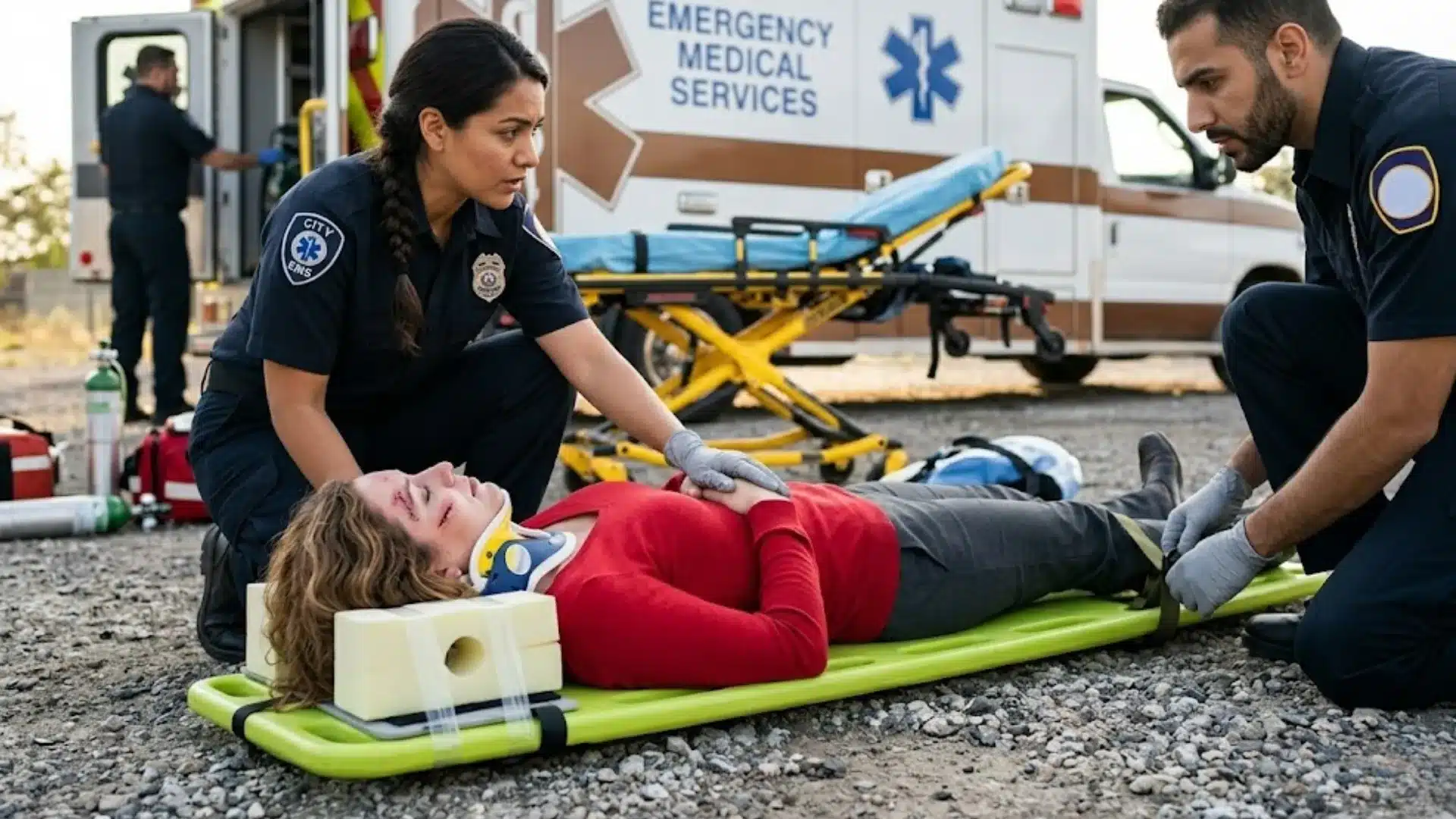
A catastrophic injury is not judged only by how painful it is at the moment. It becomes catastrophic when the injury causes lasting damage, affects daily life, or changes the person’s future.
Establishing the legal basis for a catastrophic injury claim usually comes down to proving negligence.
- Permanent damage: The injury causes lasting harm to the body or mind, such as paralysis, brain damage, loss of a limb, or serious nerve damage.
- Loss of independence: The injured person may need help with walking, bathing, eating, working, driving, or other daily tasks.
- Long medical treatment: The injury may require surgery, therapy, medication, hospital stays, or care that continues for months or years.
- Major financial impact: Medical bills, lost wages, and future care costs can place heavy pressure on the injured person and their family.
- Life-changing effect: The injury affects work, relationships, mental health, personal plans, and overall quality of life.
Catastrophic Injury vs Serious Injury: What is the Difference?
A serious injury can be painful and may need medical care, but it may still heal over time. A catastrophic injury is different because it often causes long-term or permanent damage.
| Point of Difference | Serious Injury | Catastrophic Injury |
|---|---|---|
| Meaning | A serious injury causes pain, medical problems, or temporary limits. | A catastrophic injury causes major, long-lasting, or permanent life changes. |
| Recovery | The person may recover fully with treatment, rest, or therapy. | Full recovery may not be possible, even with surgery or long-term care. |
| Daily life impact | Daily tasks may be hard for a short time. | Daily tasks may require help, medical equipment, or home changes. |
| Work ability | The person may return to work after healing. | The person may lose the ability to work or earn the same income. |
| Examples | A broken arm, mild concussion, deep cut, or sprain. | Paralysis, brain injury, amputation, severe burns, or organ damage. |
| Legal value | Claims may focus on medical bills, lost wages, and pain during recovery. | Claims may include future care, lifetime income loss, disability, and major pain and suffering |
Common Types of Catastrophic Injuries
Catastrophic injuries can affect different parts of the body and may vary in severity. What makes them serious is their lasting effect on health, independence, work, and daily life.
1. Traumatic Brain Injuries
A traumatic brain injury happens when a blow, jolt, or penetrating injury harms the brain. The effects can be mild at first or appear later.
A person may have trouble remembering things, finding the right words, or staying focused during normal tasks.
Some people struggle with balance, movement, headaches, or vision changes. Mood can change too, leading to anger, sadness, anxiety, or confusion.
Judgment may also be affected, which can make simple choices harder. In serious cases, a brain injury can change how a person works, communicates, and handles daily life.
2. Spinal Cord Injuries
A spinal cord injury affects the nerves that carry messages between the brain and the body.
When this pathway is damaged, a person may lose movement, feeling, or control below the injury site. Some injuries cause partial weakness, while others cause paralysis.
Chronic pain, muscle spasms, breathing issues, and bladder or bowel problems may also happen. Daily life can change quickly.
A person may need a wheelchair, home changes, therapy, or help with personal care.
3. Severe Burns
Severe burns can damage more than the surface of the skin. Deep burns may harm nerves, muscles, tissues, and blood vessels.
They can leave thick scars, tight skin, and limited movement, especially near joints.
Burn wounds also carry a serious infection risk and may require skin grafts, surgery, wound care, and physical therapy.
The pain can last long after the first treatment. Many people also face emotional distress because burns can change appearance and confidence.
4. Amputation Injuries
An amputation injury means a person loses part or all of a limb, such as a finger, hand, arm, foot, or leg.
The physical impact is serious because the person may need surgery, therapy, prosthetics, and training to move in a new way. Daily tasks can become harder, from dressing to driving or working.
The emotional impact can be just as heavy. Many people deal with grief, stress, body image concerns, or phantom limb pain.
The financial cost can also be high due to medical care, equipment, and lost income.
5. Multiple Fractures or Crush Injuries
Multiple fractures or crush injuries can cause major damage to bones, muscles, nerves, and soft tissue.
These injuries often happen in car crashes, workplace accidents, falls, or heavy machinery incidents. A person may need several surgeries, metal plates, pins, casts, or long rehabilitation.
In severe cases, blood flow may be affected, which can lead to infection, tissue death, or amputation. Even after treatment, the injured area may stay weak, painful, or stiff.
Long-term disability can make it hard to work, walk, lift, or perform normal daily activities safely again.
6. Organ Damage
Organ damage is an internal injury that may not always be easy to see right away. It can affect the lungs, heart, liver, kidneys, stomach, intestines, or other vital organs.
Depending on the organ involved, a person may have trouble breathing, digesting food, moving comfortably, or keeping normal energy levels.
Some injuries require emergency surgery, long hospital stays, or ongoing medical care. Severe organ damage can also reduce life expectancy or create lasting health limits.
Is Catastrophic Injury the Worst Injury Ever?
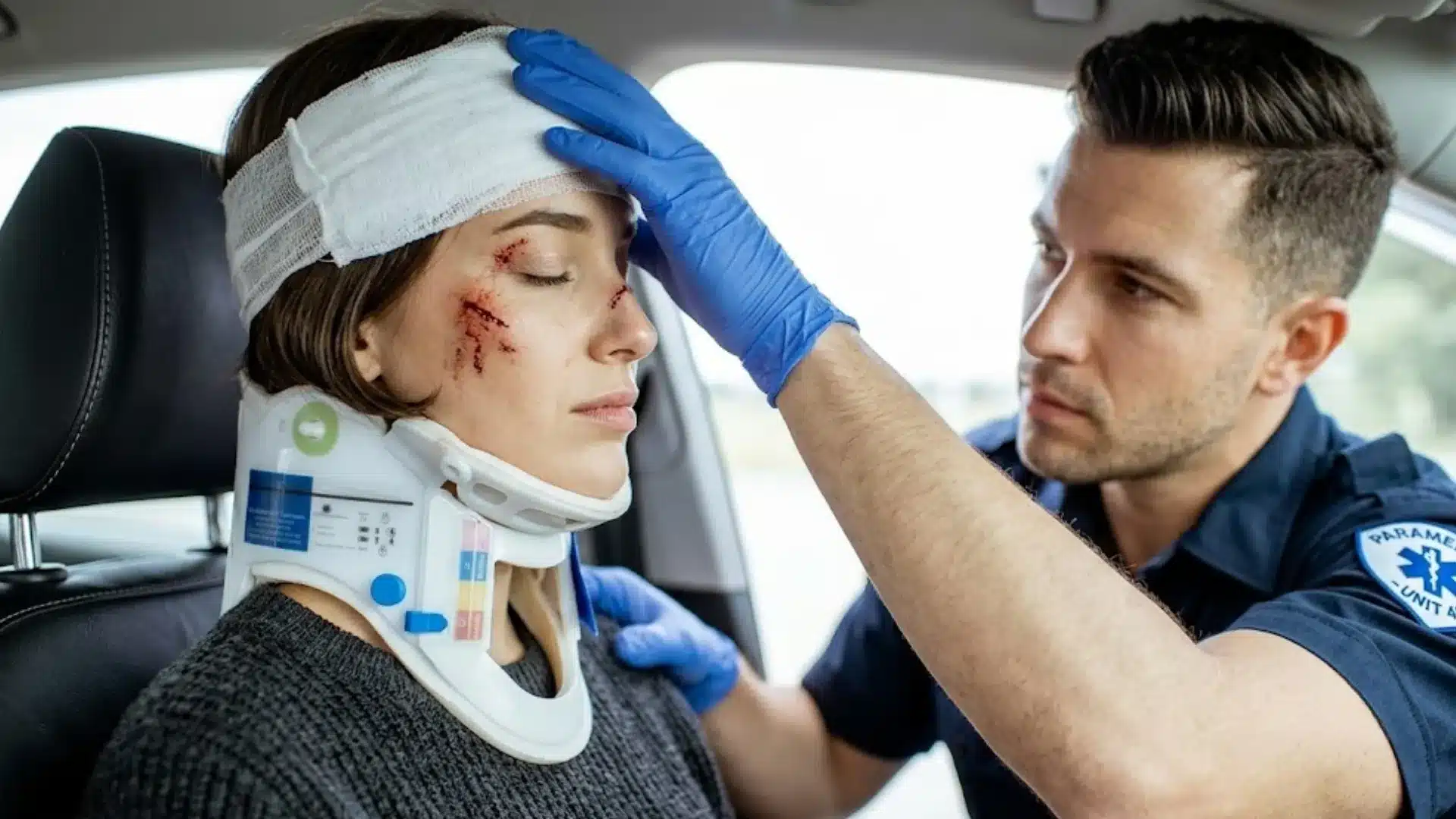
Catastrophic injury can feel like the worst injury ever because it often changes a person’s body, future, and daily routine in a permanent way.
Still, “worst injury ever” is not a medical or legal term. It is a phrase people use when an injury is extremely serious, painful, and hard to recover from.
A catastrophic injury may include brain damage, spinal cord damage, paralysis, amputation, severe burns, or major organ injuries.
These injuries usually need long-term treatment, therapy, support at home, and major lifestyle changes. The person may lose the ability to work, move freely, or care for personal needs.
So, while every case is different, catastrophic injuries are among the most serious injuries because they can affect health, independence, income, and family life, in many cases for a lifetime.
What Usually Causes a Catastrophic Injury?
Catastrophic injuries can happen in many ways, but they often come from sudden accidents or unsafe conditions. These injuries may affect the brain, spine, limbs, organs, or ability to live independently.
- Motor vehicle accidents: Car, truck, motorcycle, bicycle, and pedestrian accidents can cause brain injuries, spinal cord damage, amputations, severe fractures, and internal injuries.
- Workplace accidents: Construction sites, factories, warehouses, and heavy machinery jobs can lead to falls, crush injuries, burns, electrocution, or loss of limbs.
- Falls from heights: Falls from ladders, roofs, stairs, balconies, or unsafe floors can cause head trauma, broken bones, spine injuries, and long-term disability.
- Medical mistakes: Surgical errors, delayed diagnosis, birth injuries, medication mistakes, or poor treatment can sometimes cause permanent harm or major health problems.
- Violence or unsafe products: Assaults, shootings, defective machines, unsafe tools, and faulty products can cause severe injuries that may affect a person for life.
What Damages Can Be Involved in a Catastrophic Injury Case?
Damages in a catastrophic injury case are the losses a person may claim after a life-changing injury.
These damages can cover current costs, future needs, and the personal impact of the injury.
Settlement amounts in personal injury cases vary widely depending on injury severity, available insurance coverage, and the strength of the evidence, and catastrophic cases tend to sit at the top end of that range.
- Medical bills and future treatment
- Lost income and reduced earning ability
- Pain, suffering, and emotional distress
- Home care, therapy, and assistive equipment
The goal is to show how the injury affects the whole life, not just the hospital bill. A person may need help with daily tasks, home changes, transportation, or long-term care.
Families may also face stress, lost time, and financial pressure.
A catastrophic injury lawyer can help calculate these damages, collect proof, and fight for compensation that reflects both present losses and future needs.
When Should Someone Contact a Catastrophic Injury Lawyer?
Someone should contact a catastrophic injury lawyer as soon as the injury causes permanent damage, long medical care, disability, or loss of income.
Legal help is also important when the accident was caused by another driver, unsafe property, workplace hazard, medical mistake, or defective product.
These cases often involve large medical bills, future treatment, therapy, home care, and reduced earning ability.
An insurance company may offer a quick settlement before the full cost is known.
A lawyer can review the case, protect deadlines, collect evidence, speak with experts, and estimate future losses.
Waiting too long can make it harder to prove fault or recover fair compensation.
If the injury affects work, movement, thinking, independence, or daily life, speaking with a lawyer early is a smart step for family stability too.
Conclusion
A catastrophic injury is more than a painful accident. It can change how a person works, moves, thinks, earns, and lives each day.
In this blog, you learned what catastrophic injury means, what makes it different from a serious injury, common examples, possible causes, damages, and when legal help may matter.
The main point is simple: these injuries often create long-term needs, not just short-term medical bills.
Understanding the signs early can help injured people and families make better choices, protect their rights, and plan for the future.
If this topic connects with your own life, your voice matters. Share your experience, question, or thoughts in the comments below.
Frequently Asked Questions
How Long Do You Have to File a Catastrophic Injury Claim?
Deadlines vary by state and case type, so checking early matters. Missing the filing deadline may stop a claim before evidence is reviewed by courts.
What is a Life Care Plan in a Catastrophic Injury Case?
A life care plan estimates future medical needs, therapy, equipment, home support, and other costs linked to the person’s long-term recovery.
Can Insurance Companies Deny Catastrophic Injury Claims?
Yes, insurance companies may question fault, medical proof, treatment costs, or future care needs. Strong records can help challenge an unfair denial.