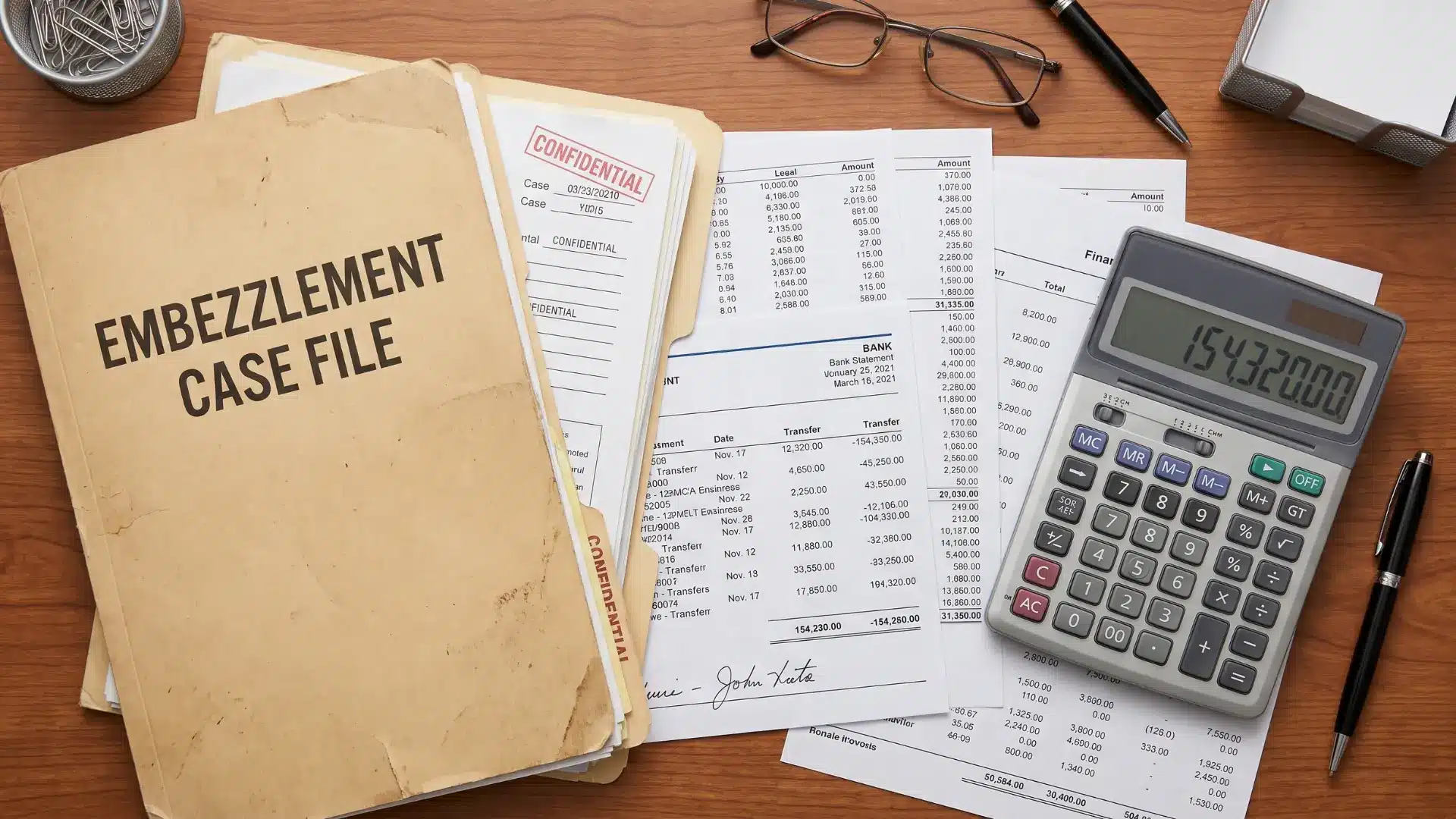

Raise your right hand, swear to tell the truth, and every word after that carries legal weight.
Lying under oath sounds like it should always lead to criminal charges, yet most sworn statements that turn out wrong never become a criminal case at all.
Courts do not punish every mistaken memory or fuzzy recollection.
The line between an honest slip and a felony depends on three narrow legal tests that many people rarely hear explained in plain language.
Understanding where that line sits changes how a person should think about testimony, sworn documents, and the risk of signing them.
Understanding Lying Under Oath
Lying under oath is legally called perjury. It refers to making a false statement after taking a formal oath or affirmation to provide truthful information.
The term applies to spoken testimony and written statements, including statements made during trials, depositions, affidavits, and other sworn legal documents.
The oath requirement is what separates perjury from everyday dishonesty. A false statement made casually or outside a formal sworn setting generally does not qualify.
For example, raising your right hand before testifying or signing a notarized affidavit counts as a formal oath; a private conversation, a text message, or an unsworn statement to police typically does not.
People often use the words “lying” and “perjury” as if they mean the same thing, but the legal standards are much narrower.
What Are the Legal Elements of Perjury?
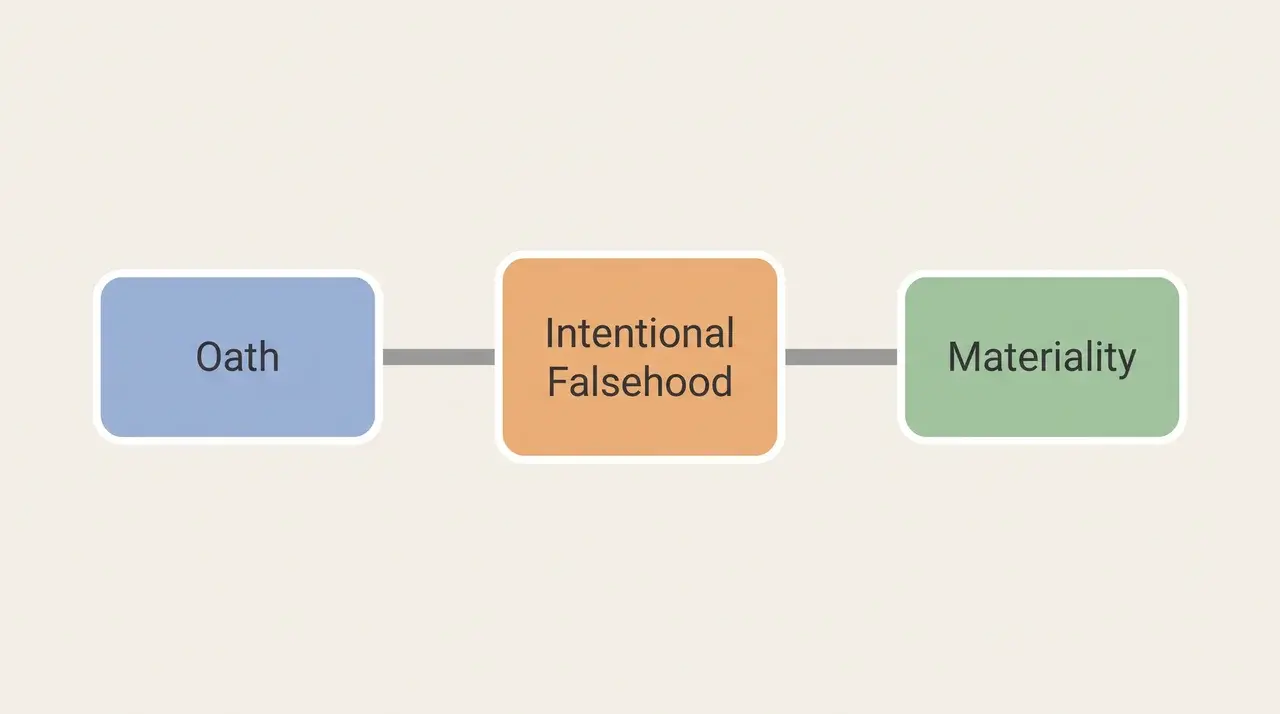
Perjury requires three main elements: a valid oath, an intentional false statement, and materiality to the legal matter involved.
These requirements must exist together because failing to prove even one element can prevent a statement from meeting the legal definition of perjury.
1. Statement Made Under Oath
The statement must be made after a person has been formally sworn in or affirmed to provide truthful information.
This includes courtroom testimony, depositions, affidavits, and other sworn documents where accuracy is legally required.
A false statement outside these formal situations may still be dishonest, but it generally does not qualify as perjury.
2. Intentional Falsehood, Not Honest Mistake
The person must know the statement is false at the time they make it for perjury to apply.
An incorrect memory, misunderstanding, confusion, or mistake usually does not satisfy this requirement because intent is a key part of the offense.
This distinction matters because people can provide inaccurate information without deliberately trying to mislead a court or legal proceeding.
3. Materiality to the Case
The false statement must be material, meaning it must relate to an important issue within the proceeding.
A minor mistake or irrelevant false statement may not qualify because it does not affect the matter being considered.
A witness who misstates the color of a car they saw likely won’t face charges. A witness who falsely denies being at the scene entirely is a different matter.
Where Does Lying Under Oath Happen?
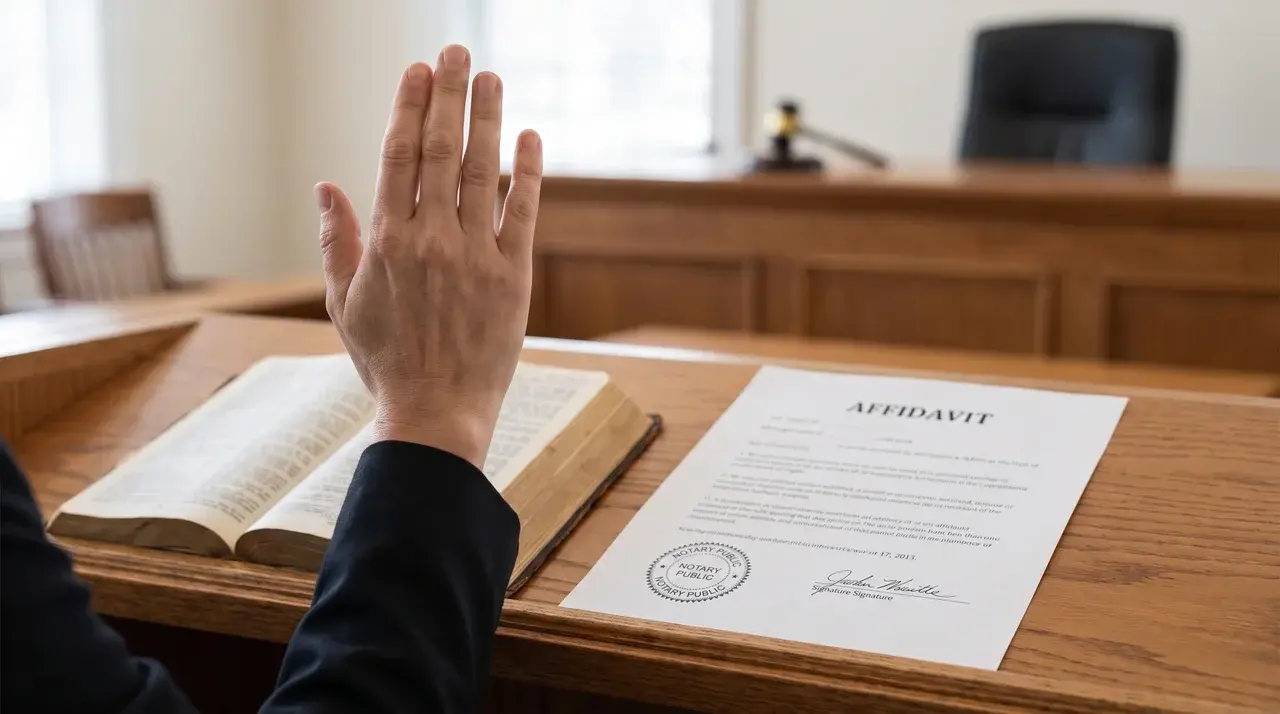
Perjury shows up anywhere someone swears to tell the truth. Here’s where it typically happens.
- Courtroom testimony: Given out loud on the stand, in front of a judge and jury.
- Depositions and hearings: Taken outside the courtroom but still under oath. A deposition definition makes this clear: it is a formal, recorded, pre-trial examination conducted under penalty of perjury, so the same rules apply as they would in front of a judge.
- Sworn documents: Like affidavits, divorce petitions, and tax filings.
Each of these carries the same legal weight. Signing your name under “penalty of perjury” counts just as much as speaking under oath.
There’s one more angle worth knowing. Pushing, bribing, or convincing someone else to lie under oath is its own crime.
It’s called subornation of perjury. You don’t have to lie yourself to get charged.
Why Isn’t Every Lie Under Oath Prosecuted?
Perjury is rarely prosecuted, but not because the law overlooks false statements. The main challenge is proving that the person intentionally lied.
Prosecutors must establish that the person knew the statement was false rather than simply being mistaken, confused, or interpreting events differently.
Memory problems and conflicting accounts often create reasonable doubt because two people may honestly remember the same situation differently.
I think this is where many misconceptions come from. A statement can be incorrect without reaching the legal threshold required for perjury.
The Casey Anthony case is a well-known example of how contested testimony under oath can shape a jury’s view of a witness without automatically producing a perjury charge.
The burden of proof is high, and prosecutors must show enough evidence to prove intentional deception rather than ordinary human error.
What Happens If a Lie Is Discovered During Testimony?
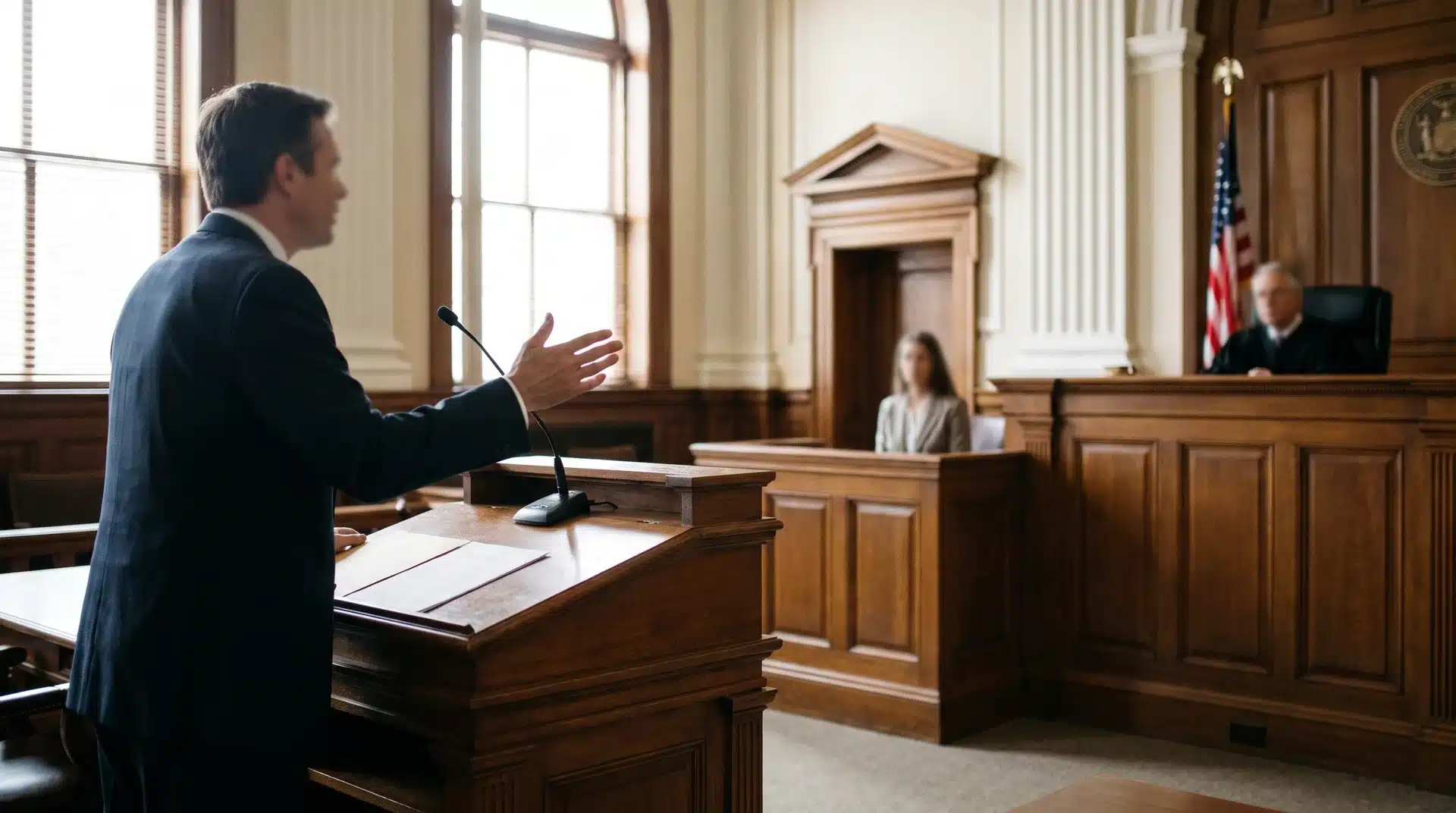
Getting caught lying under oath does not automatically lead to a perjury charge. Several things can happen instead, often at the same time.
- Impeachment on the spot: If a statement is contradicted by other evidence, a document, or an earlier statement, opposing counsel can raise the contradiction immediately during cross-examination. The judge may address it right then, before the case is even decided.
- Damaged credibility on everything else: Once a fact-finder catches one lie, jury instructions typically allow them to distrust the rest of that witness’s testimony too, even statements that were never directly contradicted.
- Referral for investigation: A judge or opposing party can refer the matter to prosecutors for a separate perjury investigation. This is a distinct process from the underlying case and can take months to resolve.
- A chance to recant: In some jurisdictions, a witness who corrects false testimony before the proceeding ends, and before anyone else exposes the lie, may avoid perjury charges entirely.
- Contempt as a separate track: Lying under oath is not the same as contempt of court, which generally covers defying a court order rather than the content of testimony itself, but a judge can use contempt powers alongside a perjury referral in some situations.
As Cornell’s Legal Information Institute explains, giving false testimony may amount to perjury, while an outright refusal to testify is instead treated as a separate contempt issue.
The two tracks exist because they punish different conduct: one punishes the lie itself, the other punishes defying the court’s authority.
What Are the Consequences of Perjury?
Perjury is generally classified as a felony under both federal and state law.
Under the federal perjury statute, 18 U.S.C. § 1621, a conviction is a felony punishable by up to five years in prison, along with fines.
States set their own penalties. California, for example, classifies perjury as a felony under Penal Code § 118, carrying a sentence of two, three, or four years.
The exact consequences still depend on the jurisdiction, the circumstances of the case, and how it’s charged.
A conviction can create legal consequences, but the effects often continue beyond the courtroom through professional and personal damage.
Someone convicted of perjury may lose credibility in future proceedings, face professional discipline such as losing a law or medical license, or see other unrelated cases reopened for review once their sworn testimony is called into question.
The specific penalties vary by location, so the outcome depends on the applicable laws and facts involved in the individual case.
Conclusion
Lying under oath only becomes perjury when three things line up: a real oath, a knowing lie, and a fact that actually mattered to the case.
Miss any one of those, and the law treats it as a mistake rather than a crime, which is exactly why so few sworn statements ever turn into charges.
The bigger risk often shows up later, when a contradicted statement follows a person into custody disputes, license reviews, or future testimony long after the original case closes.
If you are preparing to testify, sign an affidavit, or respond to a deposition notice, talk with a licensed attorney in your state first so your answers hold up under scrutiny.
Frequently Asked Questions
What Is It Called When You Lie Under Oath?
Lying under oath is called perjury. It applies when someone knowingly makes a false statement after being formally sworn in, including during testimony, depositions, or signed legal documents.
What Are the Three Elements of Perjury?
Prosecutors generally must prove three elements: the statement was made under a valid oath, the person knew it was false, and the information was material to the proceeding.
Is Lying Under Oath Always a Felony?
Perjury is typically classified as a felony under federal and state law, but consequences vary by jurisdiction. Not every false statement qualifies because intent and materiality must also be established.
Why Is Perjury Rarely Prosecuted Even Though People Lie Under Oath Often?
Perjury cases are difficult because prosecutors must prove intentional deception rather than mistakes or inconsistent memories. Unclear wording, conflicting interpretations, and limited evidence can create reasonable doubt.