

One mistake behind the wheel can have consequences that last far longer than a single night.
For drivers under 21, the rules around alcohol are much stricter than most people realize, and many are surprised to learn that feeling completely sober does not necessarily keep them out of legal trouble.
That is where the zero tolerance law catches many young drivers off guard. When I first looked into how these cases work, I assumed the legal limit was the same for everyone. It wasn’t.
The difference becomes much clearer once you understand how these laws actually work.
What is a Zero Tolerance Law?
A zero tolerance law makes it illegal for drivers under 21 to operate a vehicle with even a measurable amount of alcohol in their system, regardless of whether they appear impaired.
Unlike a standard DUI, prosecutors do not have to prove that alcohol affected the driver’s ability to drive. A BAC above the state’s legal limit is sufficient to constitute a per se offense.
That means officers do not need evidence such as swerving, slurred speech, or poor coordination to support the charge. In many cases, the BAC result alone is enough for the case to move forward.
What begins as a routine traffic stop can quickly lead to license suspension, fines, or criminal proceedings. Many families do not realize they need an underage DUI lawyer until a court date has already been scheduled.
How the BAC Limit Works for Drivers Under 21
The zero tolerance law sets a much lower BAC limit for drivers under 21 than the legal alcohol limit that applies to adult drivers.
In most states, the underage threshold falls between 0.00% and 0.02%, meaning even one standard drink may be enough to trigger a violation.
Some states go even further by enforcing an absolute zero standard, where any detectable alcohol can support a DUI charge.
| Driver Category | Typical BAC Limit | What It Means |
|---|---|---|
| Drivers 21 and older | 0.08% | Standard adult DUI limit nationwide. |
| Drivers under 21 (most states) | 0.02% | One drink or less may be enough to exceed the legal threshold. |
| Drivers under 21 (absolute zero states) | 0.00% | Any detectable alcohol can support a DUI charge. |
These lower limits reflect a legal policy rather than a measure of impairment. Because drivers under 21 are not legally permitted to drink before driving, states enforce a much stricter BAC standard than they do for adults.
Although every state enforces a zero-tolerance law for drivers under 21, the exact BAC threshold, penalties, and license suspension rules vary by state.
Why Do Zero Tolerance Laws Exist
Zero-tolerance laws became a nationwide standard after Congress passed the National Highway System Designation Act of 1995, which required states to adopt an underage BAC limit of 0.02% or lower, or risk losing a portion of their federal highway funding.
By 1998, every state had complied. The policy was introduced to improve road safety among young drivers, and the results have been consistent.
Federal research estimates that zero tolerance enforcement saves about 159 lives each year by reducing alcohol-related crashes and injuries among drivers under 21.
The reasoning is simple. Alcohol remains a leading factor in preventable deaths among people under 21, including many fatal motor vehicle crashes.
Setting a much lower BAC limit helps discourage underage drinking before driving and has been associated with lower crash rates in states that adopted these laws early.
What Happens During a Traffic Stop
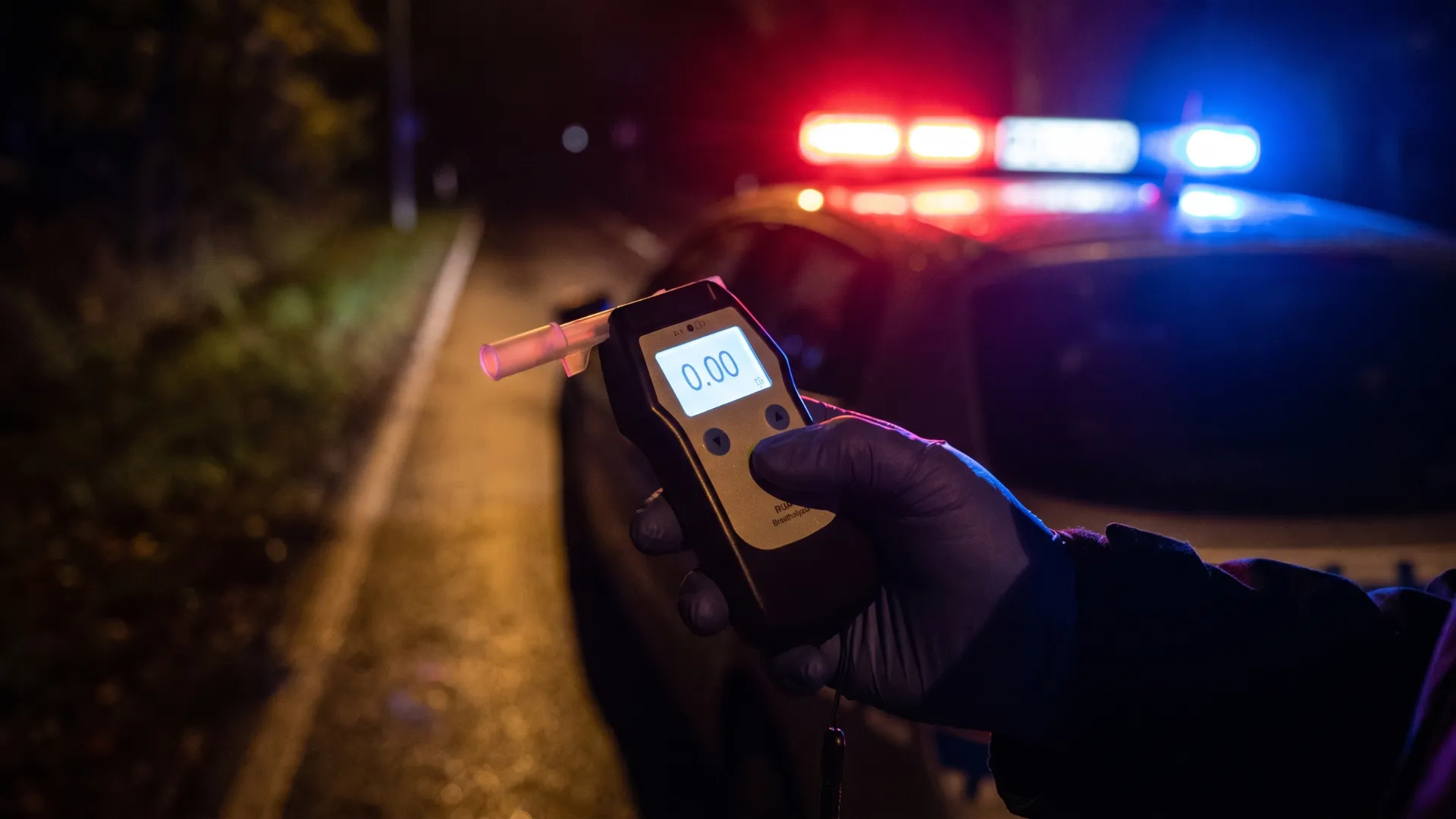
Most zero-tolerance law cases begin with a routine traffic stop, not a DUI checkpoint.
An officer may pull a driver over for speeding, a broken taillight, weaving between lanes, or another traffic violation.
During the conversation, the officer looks for signs that alcohol may be involved, such as the smell of alcohol, bloodshot eyes, slurred speech, or an open container inside the vehicle.
If those observations raise suspicion, the stop can quickly shift from a traffic violation to a DUI investigation. At that point, the officer may ask additional questions, request identification, and begin gathering evidence to determine whether further testing is justified.
What Happens After an Officer Suspects Alcohol

Once an officer has reasonable suspicion that a driver has been drinking, they may ask the driver to complete a field sobriety test.
These roadside exercises evaluate balance, coordination, eye movement, and the ability to follow instructions. Although the results help establish probable cause, they do not measure a driver’s BAC or automatically prove intoxication.
If those observations provide probable cause, the next step is usually a breath, blood, or urine test to determine the driver’s BAC.
Because most states have implied consent laws, refusing the chemical test can trigger separate penalties, such as an automatic license suspension, even if the driver is never convicted under the zero-tolerance law.
Penalties for a Zero Tolerance Violation
A zero-tolerance law violation can lead to multiple penalties from a single incident.
While the exact consequences vary by state, many begin immediately after an arrest and may apply even before the case reaches court.
| Penalty | What It Usually Means |
|---|---|
| License suspension | Many states automatically suspend a driver’s license for several months to a year, sometimes before the first court appearance. |
| Fines and fees | Court fines, administrative fees, and reinstatement costs can quickly add up. |
| Alcohol education | Completion of a state-approved alcohol education or treatment program is often required before driving privileges are restored. |
| Restricted license or ignition interlock | Some drivers may qualify for limited driving privileges for work or school, often with an ignition interlock device installed. |
| Criminal or juvenile record | Depending on state law, the driver’s age, and the circumstances, the violation may result in a juvenile record, a misdemeanor, or more serious criminal charges. |
Some consequences begin immediately after an arrest, while others can affect you for years. One of the first concerns for many drivers is whether they will lose their license before their case reaches court.
Does Your License Get Suspended Immediately?
Not always, but it can happen sooner than many people expect. In many states, a failed or refused chemical test triggers an administrative license suspension, which is separate from the criminal DUI case.
In some cases, your driving privileges may be suspended before your criminal case is even heard in court.
Most states also set a short deadline to request an administrative hearing if you want to challenge the suspension.
Missing that deadline can result in losing your license automatically, even if your criminal case is later reduced or dismissed. Because the process varies by state, acting quickly after an arrest is often the best way to protect your driving privileges.
How a Zero Tolerance Violation Can Affect Your Future
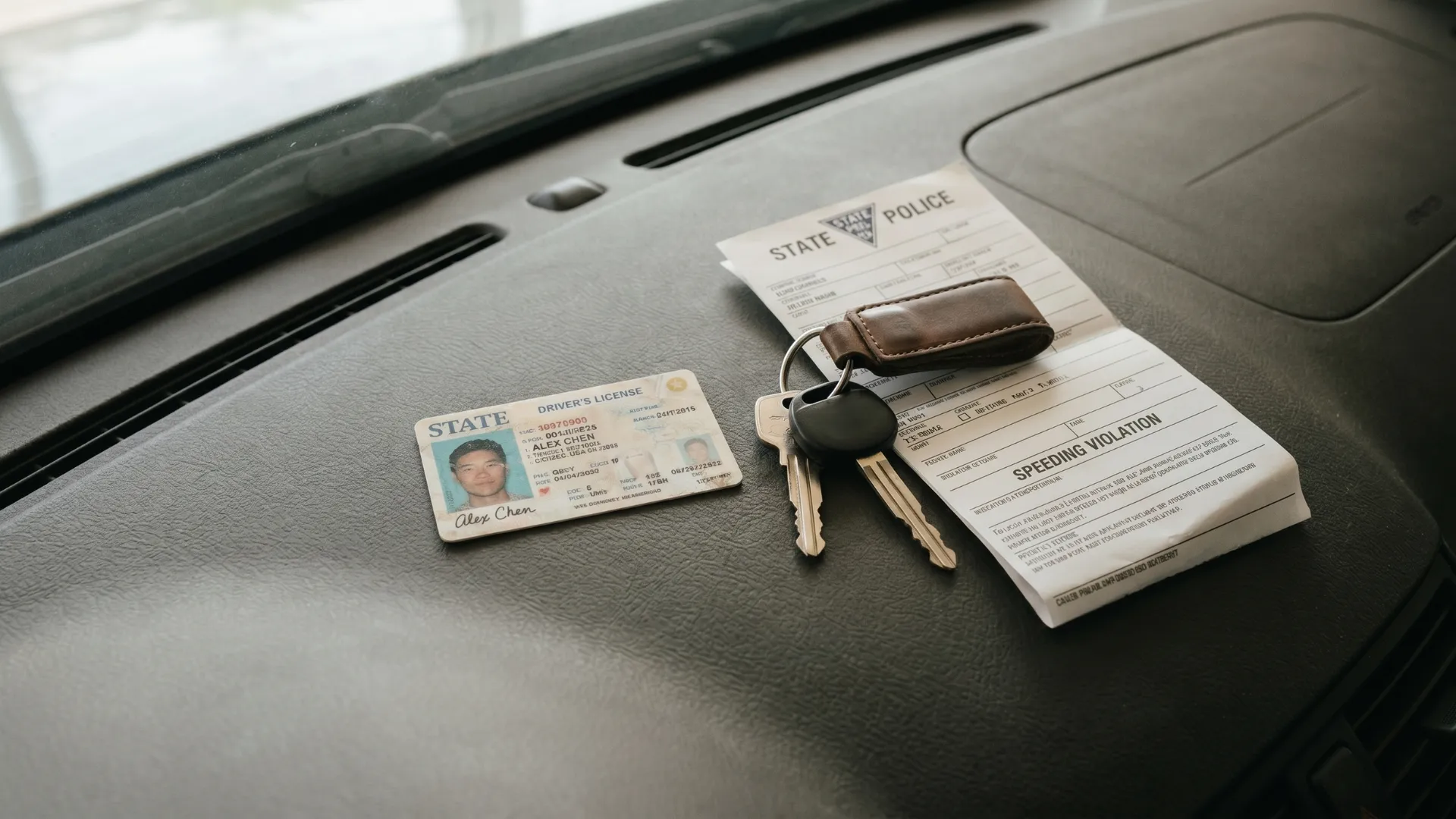
The consequences of a zero-tolerance law violation can continue long after fines are paid or a license is reinstated.
The exact impact depends on your state’s laws and the outcome of the case, but it may affect more than just your driving record.
- Higher Insurance Premiums: Most insurers classify alcohol-related driving offenses as high risk, which can increase premiums for several years.
- College and Scholarships: Some colleges, universities, and scholarship programs require applicants to disclose criminal or disciplinary history, depending on their policies.
- Employment Opportunities: Employers that conduct background checks, especially for driving, government, or public safety roles, may consider a DUI-related conviction during hiring.
The long-term effects vary by state and the circumstances of the case, but resolving the matter early can help reduce its impact on future opportunities.
When Should You Call a Lawyer?
If you or your child has been charged under a zero-tolerance law, it’s best to speak with a lawyer as soon as possible.
Waiting too long can make it harder to protect important evidence or meet deadlines that affect your driving privileges. In many states, you have only a limited time to challenge an automatic license suspension.
An attorney can review whether the traffic stop and BAC testing followed the law, explain the potential consequences, identify available defenses, and guide you through each stage of the case.
Getting legal advice early does not guarantee a specific outcome, but it can help you make informed decisions while protecting your rights and your future.
Conclusion
A zero tolerance law can feel unforgiving because, for drivers under 21, even one drink may be enough to trigger serious legal consequences. What surprised me most when I first learned about these laws was just how differently they treat drivers under 21 compared with adults.
Knowing the BAC limits, what to expect during a traffic stop, and the penalties that may follow won’t change the law, but it can help you make better decisions and avoid costly mistakes.
Have you, your teen, or someone you know experienced a zero tolerance stop? Or is there something about these laws that still seems confusing? Share your questions or experience in the comments below.
Your story may help someone else understand what to expect, and we’d love to hear your perspective.
Frequently asked questions
Can a Minor Refuse a Breathalyzer Test Under a Zero Tolerance Law?
Yes, but refusing is rarely beneficial. Most states enforce implied consent laws, so refusing a chemical test can lead to an automatic license suspension and other penalties, even without a zero tolerance conviction.
Does a Zero Tolerance Violation Appear on a Background Check?
It can. Whether it appears depends on how your state classifies the offense and whether it is handled as a juvenile matter, an infraction, or a misdemeanor.
Do Zero Tolerance Laws Apply to Prescription or Over-the-Counter Medication?
No. Zero tolerance laws generally apply only to alcohol. However, separate drug-impaired driving laws may apply if medication affects your ability to drive safely.
Is a Zero Tolerance Violation the Same as a Minor-in-Possession (MIP) Charge?
No. A zero tolerance violation involves driving with alcohol in your system, while a minor-in-possession (MIP) charge involves possessing or consuming alcohol, even if you were not driving.