
August 14, 2026
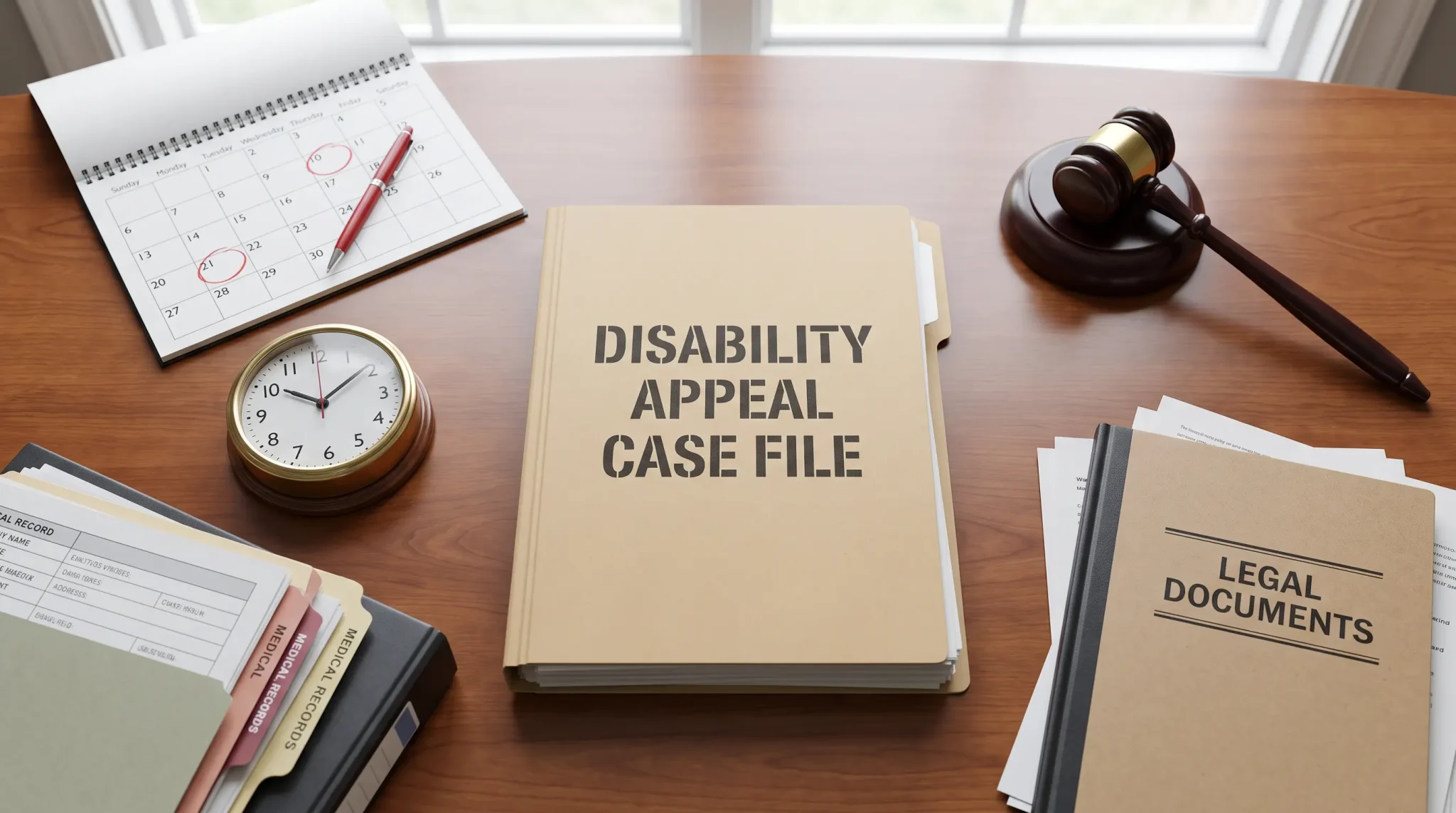
Waiting for a disability appeal can feel harder when nobody can tell you exactly how long the process will take. Some cases end within a few months, while others continue for two years or longer. The difference usually depends on the appeal stage, SSA’s backlog, and whether the case needs further medical review. Hiring a lawyer can prevent paperwork mistakes and missed deadlines. However, legal representation cannot move your appeal ahead in SSA’s processing queue. Below, you will find typical timelines for each appeal stage, factors that affect progress, and what happens after SSA makes its decision. Disclaimer: This content provides general information and does not constitute legal advice. Appeal timelines vary, so confirm current details with SSA or a qualified disability lawyer. What Determines How Long a Disability Appeal Takes? A disability appeal can take about three months to more than two years. The timeline depends on which stage the case reaches before approval or denial. The process may move through four stages: reconsideration, an administrative law judge hearing, Appeals Council review, and federal court review. Each stage begins a new review period, which effectively restarts the clock. Cases resolved during reconsideration usually finish sooner than those requiring a hearing or further review. Missing records, new medical evidence, and requests from the Social Security Administration can also affect how quickly a case moves forward. How Long Does Each Stage of the Appeal Take? Appeal timelines vary sharply by stage, not by disability or case type. File reviews usually finish sooner than hearings or court proceedings. 1. Reconsideration Reconsideration usually takes about three to seven months. A different disability examiner reviews the existing file and any new medical evidence without holding a formal hearing. This stage may take longer or shorter depending on the state agency handling the review. SSA […]
Many people assume there’s one clear answer to what type of lawyer makes the most money, but the reality is
Court decisions can move from one courtroom to another, but each court has a different role when hearing or reviewing
One mistake behind the wheel can have consequences that last far longer than a single night. For drivers under 21,
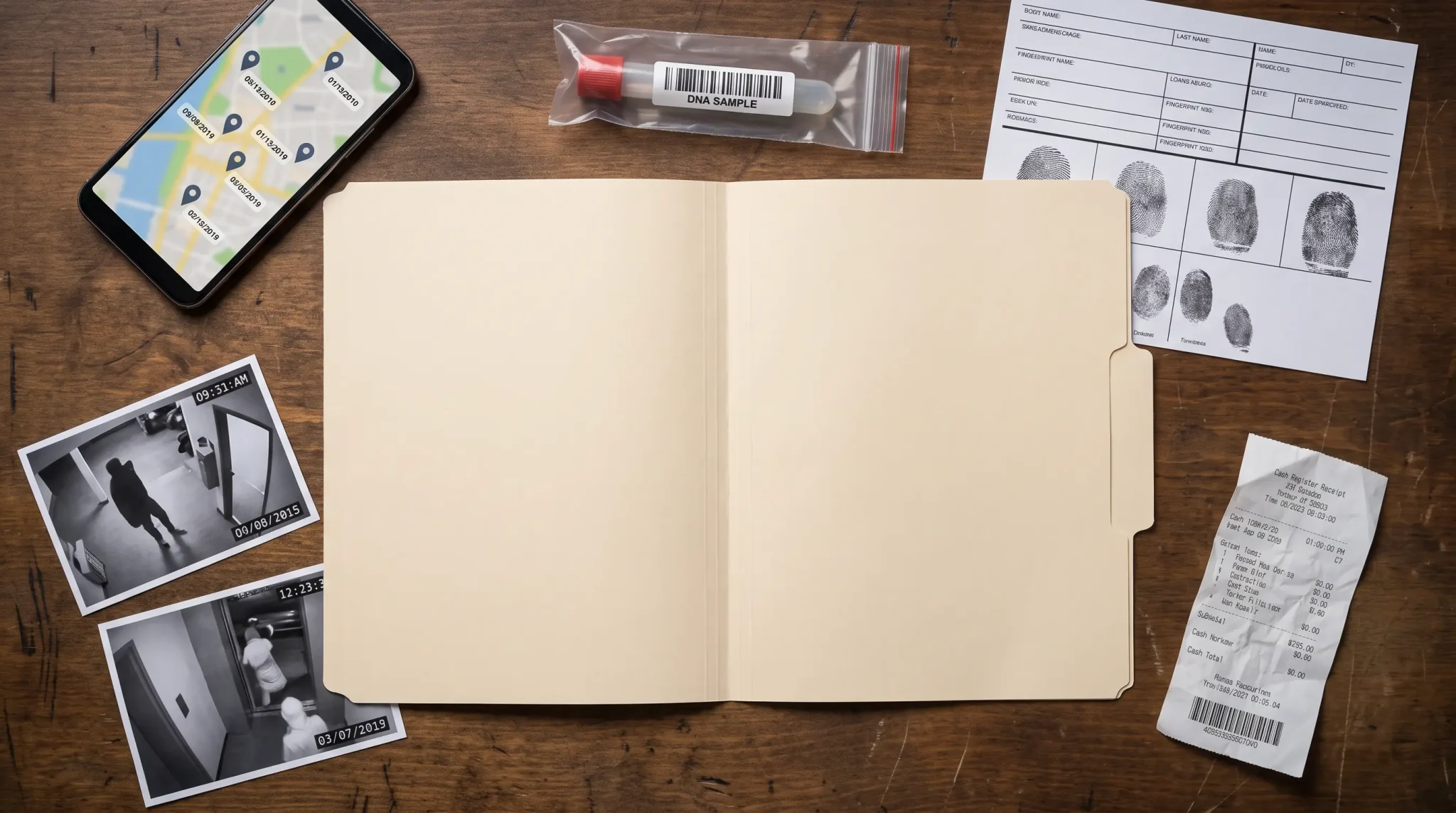
Exculpatory evidence can completely shift a criminal case. I have seen how one overlooked detail can challenge an accusation that initially appeared convincing. Legal terms like this often sound harder than they are. I think of it simply as information that may help the person accused. Among the different types of evidence used in a criminal case, a video, message, test result, or witness statement can reveal another side of the story I know helpful evidence does not automatically make charges disappear. Courts still examine its source, timing, reliability, and importance to the case. Disclaimer: This content is for general information only and does not provide legal advice. Laws and court procedures vary, so speak with a qualified lawyer about your situation. What Is Exculpatory Evidence? Exculpatory evidence is information that favors someone accused of a crime. It may show that the person was not involved, weaken an important part of the prosecution’s case, challenge a witness, or support a lower sentence. The proof does not have to establish complete innocence by itself. Information that creates reasonable doubt or reduces the accused person’s level of blame may also qualify. In criminal cases, prosecutors must disclose favorable evidence when it is material to guilt or punishment. Common Examples of Exculpatory Evidence Helpful information can come from scientific testing, digital records, physical objects, or people who witnessed the event. Each source may challenge the accusation differently. Type of evidence Example How it may help Alibi records Work log or store receipt Shows the accused may have been somewhere else Video footage Home or business security recording Challenges the reported identity, location, or timeline DNA testing DNA belongs to another person Weakens the connection between the accused and the crime Fingerprints Prints do not match the accused Raises questions about who handled an […]