
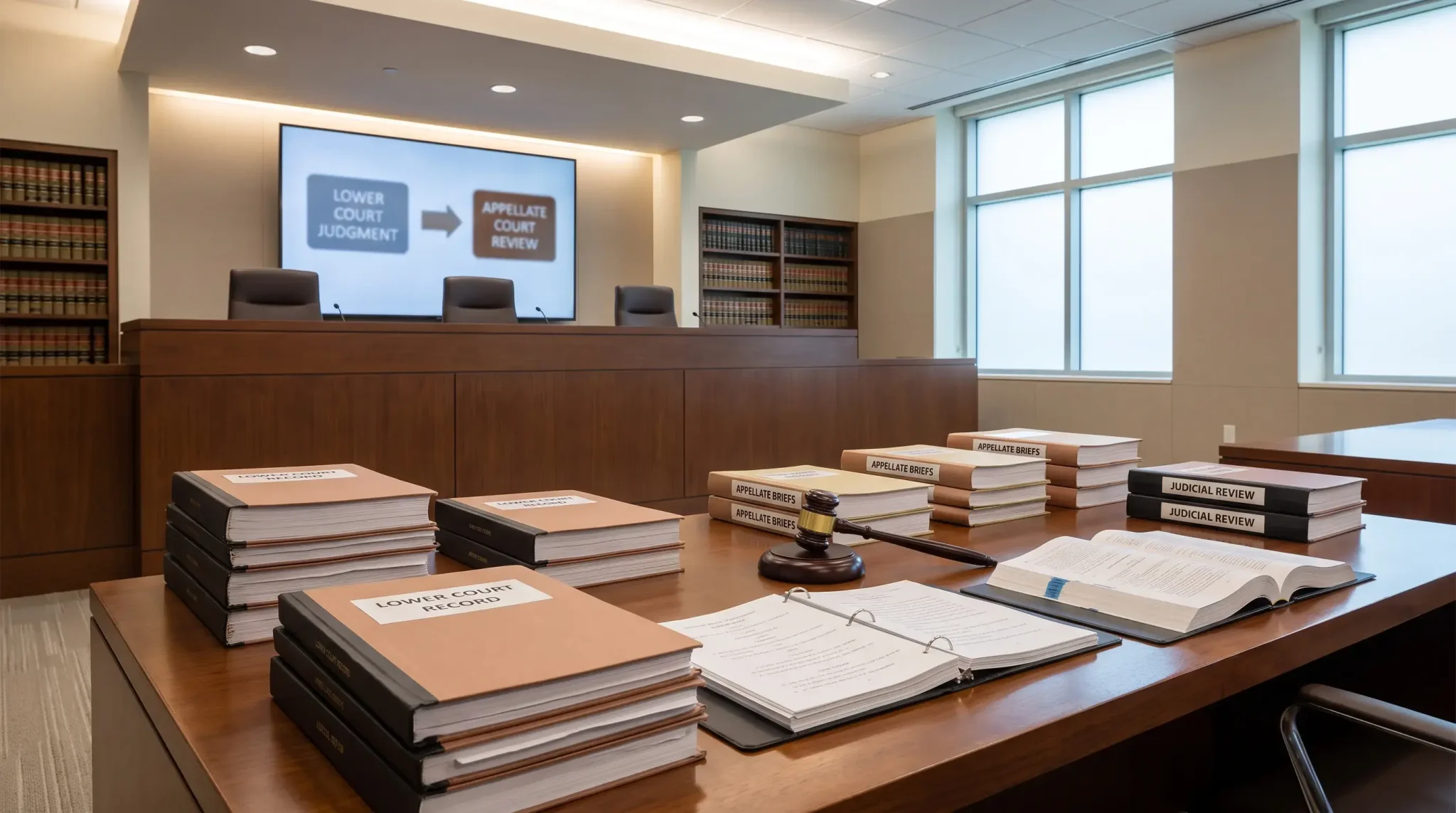
Court decisions can move from one courtroom to another, but each court has a different role when hearing or reviewing a legal dispute in practice.
Appellate jurisdiction allows a higher court to examine a lower court’s ruling for legal or procedural errors without retrying the entire case from the beginning.
The judges study the existing record, consider arguments from both sides, and decide if any mistake affected the ruling or required further action in court.
Here, you will see how appellate review works, what higher courts examine, how jurisdiction differs, and how real cases show it in practice across courts.
What Does Appellate Jurisdiction Mean?
Appellate jurisdiction is the power of a higher court to review decisions made by lower courts after a case has already been decided. It allows courts to examine whether legal errors, incorrect application of law, or procedural problems affected the outcome.
Unlike trial courts, appellate courts usually do not hear new evidence or conduct a new trial. They review the existing case record, including transcripts, documents, and legal arguments from the earlier proceedings.
After reviewing the case, the court may affirm the original decision, reverse it, modify part of it, or send it back to the lower court for further action. This process keeps the law consistent, since a ruling in one trial court doesn’t become binding elsewhere, but an appellate decision sets a precedent that other courts within its jurisdiction must follow.
In the federal system, this power comes directly from the U.S. Constitution and federal law.
Article III, Section 2 of the Constitution gives the Supreme Court appellate jurisdiction, and Congress has extended that authority to the circuit courts through 28 U.S.C. § 1291, which covers appeals from federal district court decisions, and 28 U.S.C. § 1257, which covers appeals from certain state court rulings.
What Is an Appellate Court?
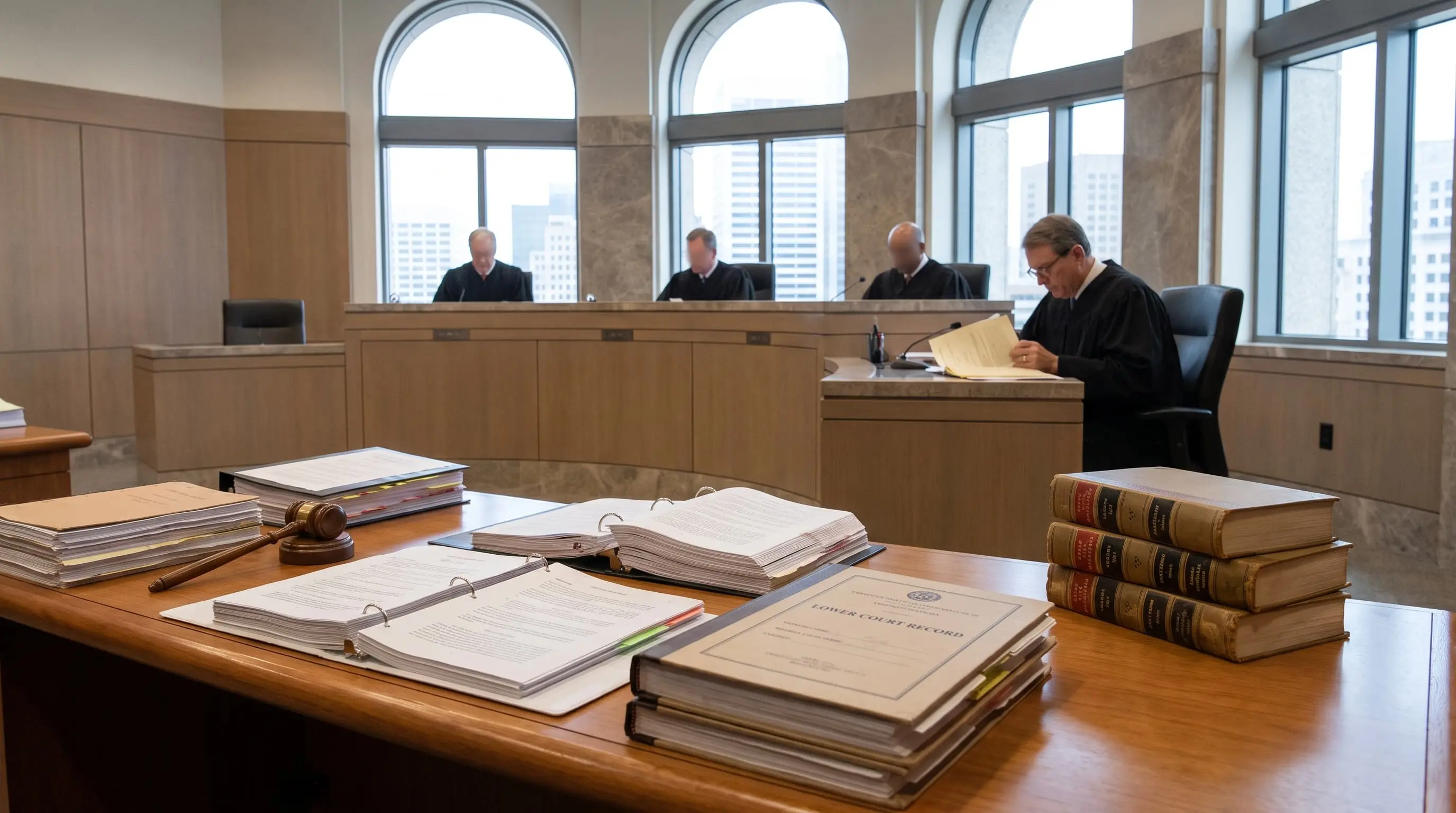
An appellate court reviews decisions made by trial courts or lower appellate courts. Its main task is checking whether the law was applied correctly.
Unlike a trial court, it does not usually hear witnesses, accept new evidence, or use a jury. Judges rely on the existing record and legal arguments.
Federal appellate cases are commonly heard by a panel of three judges. Their decision may affirm, reverse, modify, or return the case to the lower court.
The U.S. Courts of Appeals review federal district court decisions. State court systems also have appellate courts, though their names and structures vary.
How Is Appellate Jurisdiction Different From Original Jurisdiction?
| Feature | Original Jurisdiction | Appellate Jurisdiction |
|---|---|---|
| Meaning | The authority to hear a case for the first time and make the initial ruling. | The authority to review a lower court’s decision for legal errors. |
| When It Applies | Used before any court has issued a decision in the case. | Used after a lower court has already made a ruling. |
| Main Purpose | Determines facts, reviews evidence, and reaches the first judgment. | Checks whether the lower court applied the law correctly. |
| Common Courts | Federal district courts usually handle cases under original jurisdiction. | Circuit courts of appeals and the Supreme Court mainly use appellate jurisdiction. |
| Supreme Court Use | The Supreme Court has limited original jurisdiction for specific matters, such as disputes between states. | The Supreme Court uses appellate jurisdiction far more often to review lower court decisions. |
What Does the Appellate Review Process Include?
The appellate review process focuses on whether a lower court handled a case correctly under the law. The higher court examines the earlier proceedings instead of starting again.
Courts usually review:
- Whether the correct law was applied
- Whether proper legal procedures were followed
- Whether evidence was admitted or excluded correctly
- Whether jury instructions stated the law accurately
- Whether an error affected the final ruling
The scope of review depends on the case, the issue raised, and the court’s rules. Judges may apply different review standards to legal and factual questions.
An appeal may be dismissed when a party misses a deadline, files incorrect documents, or raises an issue that was not preserved in the lower court
What Do Higher Courts Examine?
Higher courts review the existing record to determine what happened in the lower court. They do not usually accept new documents, witnesses, or testimony.
The record commonly includes:
- Trial transcripts
- Filed motions and court orders
- Evidence presented during the case
- The judge’s rulings
- Jury instructions
- Written legal briefs from both parties
Judges examine how the lower court interpreted the law and followed legal procedures. They may also consider oral arguments from lawyers when clarification is needed.
Higher courts usually give trial judges more freedom on factual findings, often called a “clearly erroneous” standard, because trial judges directly observed the witnesses.
Legal questions typically receive de novo review, meaning the appellate court examines them independently rather than deferring to the lower court’s conclusion.
Not every error leads to a reversal. The appealing party generally must show that the mistake affected their rights or could have changed the case’s outcome.
How Does the Review Process Work?
A court review usually follows several stages:
1. Filing a Request for Review
The process begins when a party asks a higher court to examine a lower court decision. The request must usually be filed within a specific deadline in federal civil cases, generally 30 days after the judgment is entered and must explain why the decision should be reconsidered.
2. Identifying Legal Grounds
The party must show a valid reason for review. Common reasons include incorrect application of law, procedural mistakes, or errors that may have changed the outcome.
3. Reviewing Records and Arguments
The court examines the original case materials instead of conducting a new trial. Judges review transcripts, documents, and written arguments from both sides.
In some cases, lawyers also present oral arguments to answer questions from judges.
4. Receiving the Final Decision
After reviewing the case, the court may:
- Affirm the lower court decision
- Reverse the decision
- Modify part of the ruling
- Remand the case for further action
How Do Appellate Decisions Affect Lower Courts?
A reviewing court’s decision guides what happens next. If the original ruling is affirmed, the lower court’s decision remains unchanged.
If the decision is reversed or modified, the lower court must follow the instructions given by the higher court. A remanded case returns to the lower court for additional action while following the reviewing court’s directions.
What Are the Real Examples of Court Review?
Real cases show how appellate jurisdiction allows higher courts to examine earlier decisions and correct important legal errors.
Gideon v. Wainwright
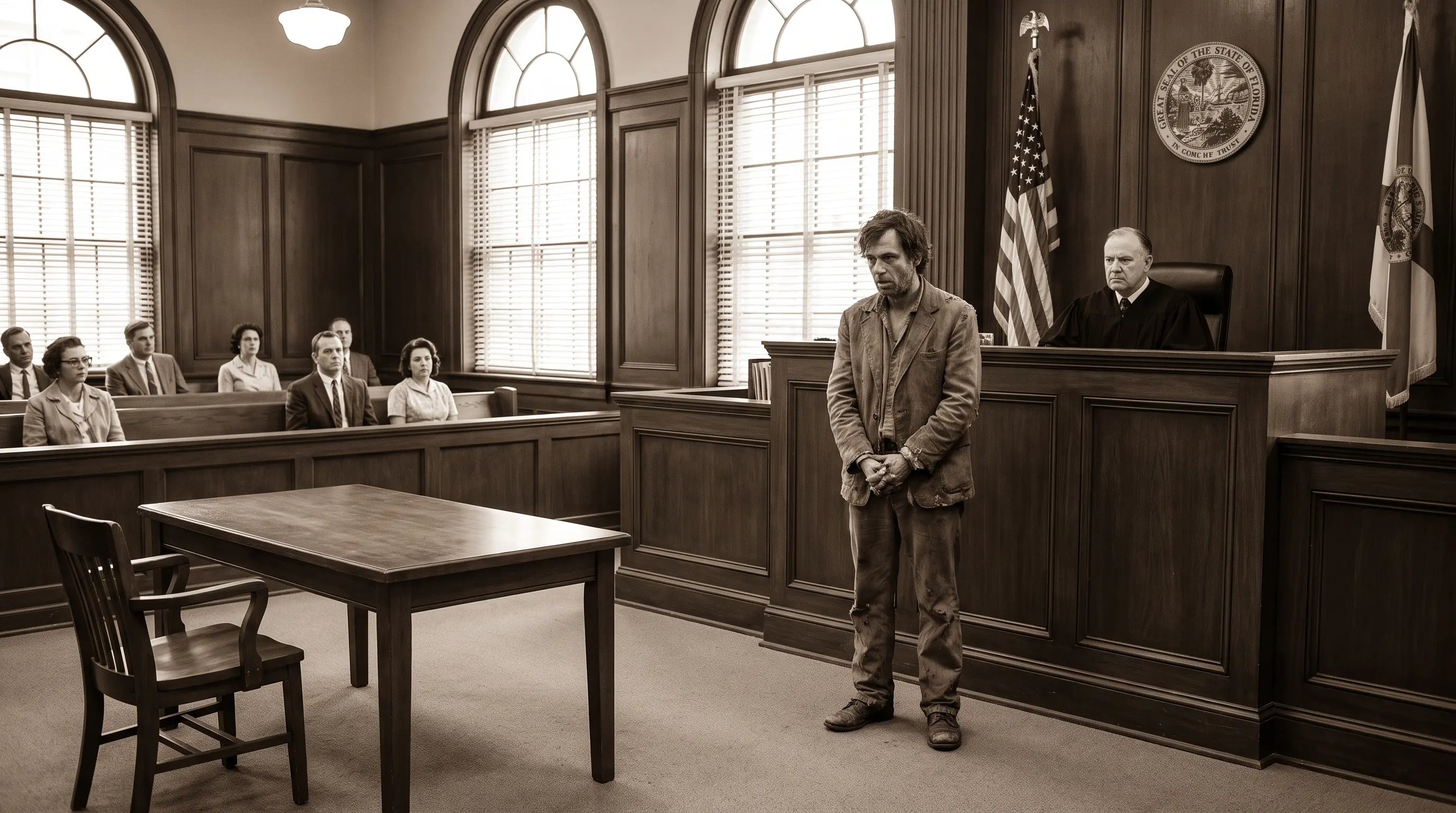
Clarence Gideon was convicted in Florida after the trial court refused to appoint a lawyer for him. Florida’s highest court denied his request for relief.
The U.S. Supreme Court reviewed the decision and ruled that states must provide lawyers to criminal defendants who cannot afford one. It reversed the earlier ruling and returned the case for further proceedings.
Read the Gideon v. Wainwright decision.
Miranda v. Arizona

Ernesto Miranda was convicted after police questioned him without clearly informing him of his constitutional rights. The Arizona Supreme Court upheld his conviction.
The U.S. Supreme Court reviewed the case and reversed the judgment. It ruled that police must give specific warnings before custodial questioning when statements may be used at trial.
Read the Miranda v. Arizona decision.
Brown v. Board of Education
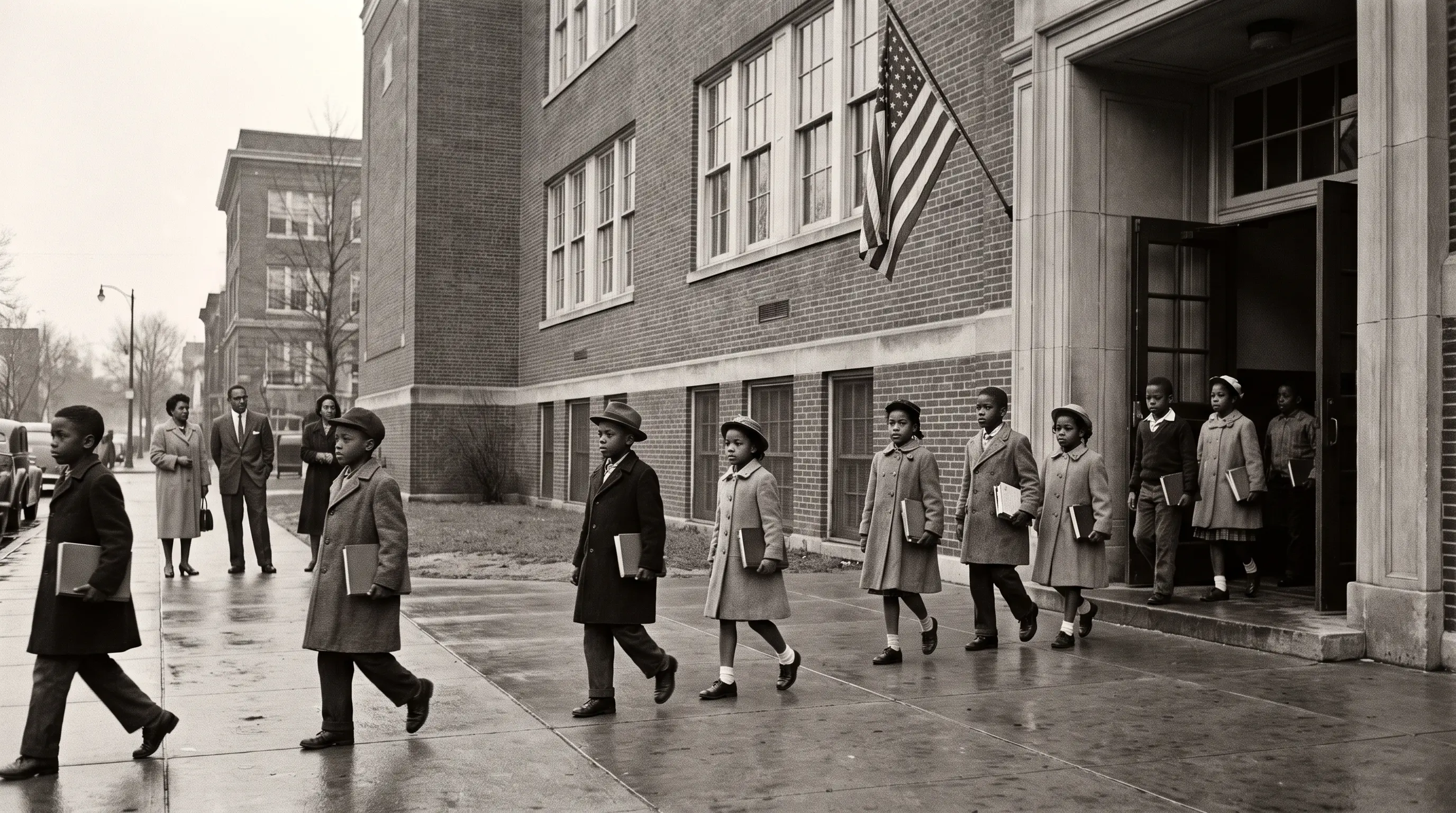
Families challenged laws requiring racial segregation in public schools. Lower courts had relied on earlier decisions allowing separate public facilities under certain conditions.
The U.S. Supreme Court reviewed the cases and ruled that separate public schools were inherently unequal. The decision rejected school segregation as a violation of equal protection.
View the Brown v. Board of Education opinion.
Requesting appellate review does not prove that the lower court was wrong. The higher court may affirm the ruling when it finds no harmful legal error.
Conclusion
Appellate jurisdiction gives higher courts a structured way to review lower court rulings and correct legal errors that may have affected the outcome of cases.
The process relies on existing records, written arguments, and sometimes oral arguments, rather than new evidence, new witnesses, or a complete retrial of the case.
A higher court may affirm, reverse, modify, or remand a ruling, with each result shaping what the lower court must do next in that case.
Knowing this difference makes appeals easier to follow and clarifies why higher courts review legal decisions without hearing every case from the beginning once again.
Frequently Asked Questions
What Is the Simple Definition of Appellate Jurisdiction?
Appellate jurisdiction is the power of a higher court to review decisions made by lower courts. It allows the court to correct legal mistakes, change or overturn decisions, or send cases back for further action without holding a completely new trial.
Is Appellate Jurisdiction the Same as an Appeal?
No. An appeal is a request made by a party who wants a higher court to review a decision. Appellate jurisdiction is the authority that gives the court the ability to hear, examine, and decide that request.
Do Appellate Courts Hear New Evidence?
Most appellate courts do not hear new evidence or conduct a new trial. They usually review existing records, such as transcripts, documents, and legal arguments, to determine whether the lower court made a legal or procedural error.
What is an Example of Appellate Jurisdiction?
An example is when a higher court reviews a trial court decision to determine whether the judge applied the law correctly. The reviewing court may uphold the decision, change part of it, reverse it, or send the case back for further action.





