
Waiting for a disability appeal can feel harder when nobody can tell you exactly how long the process will take. Some cases end within a few months, while others continue for two years or longer.
The difference usually depends on the appeal stage, SSA’s backlog, and whether the case needs further medical review.
Hiring a lawyer can prevent paperwork mistakes and missed deadlines. However, legal representation cannot move your appeal ahead in SSA’s processing queue.
Below, you will find typical timelines for each appeal stage, factors that affect progress, and what happens after SSA makes its decision.
Disclaimer: This content provides general information and does not constitute legal advice. Appeal timelines vary, so confirm current details with SSA or a qualified disability lawyer.
What Determines How Long a Disability Appeal Takes?
A disability appeal can take about three months to more than two years. The timeline depends on which stage the case reaches before approval or denial.
The process may move through four stages: reconsideration, an administrative law judge hearing, Appeals Council review, and federal court review.
Each stage begins a new review period, which effectively restarts the clock. Cases resolved during reconsideration usually finish sooner than those requiring a hearing or further review.
Missing records, new medical evidence, and requests from the Social Security Administration can also affect how quickly a case moves forward.
How Long Does Each Stage of the Appeal Take?
Appeal timelines vary sharply by stage, not by disability or case type. File reviews usually finish sooner than hearings or court proceedings.
1. Reconsideration
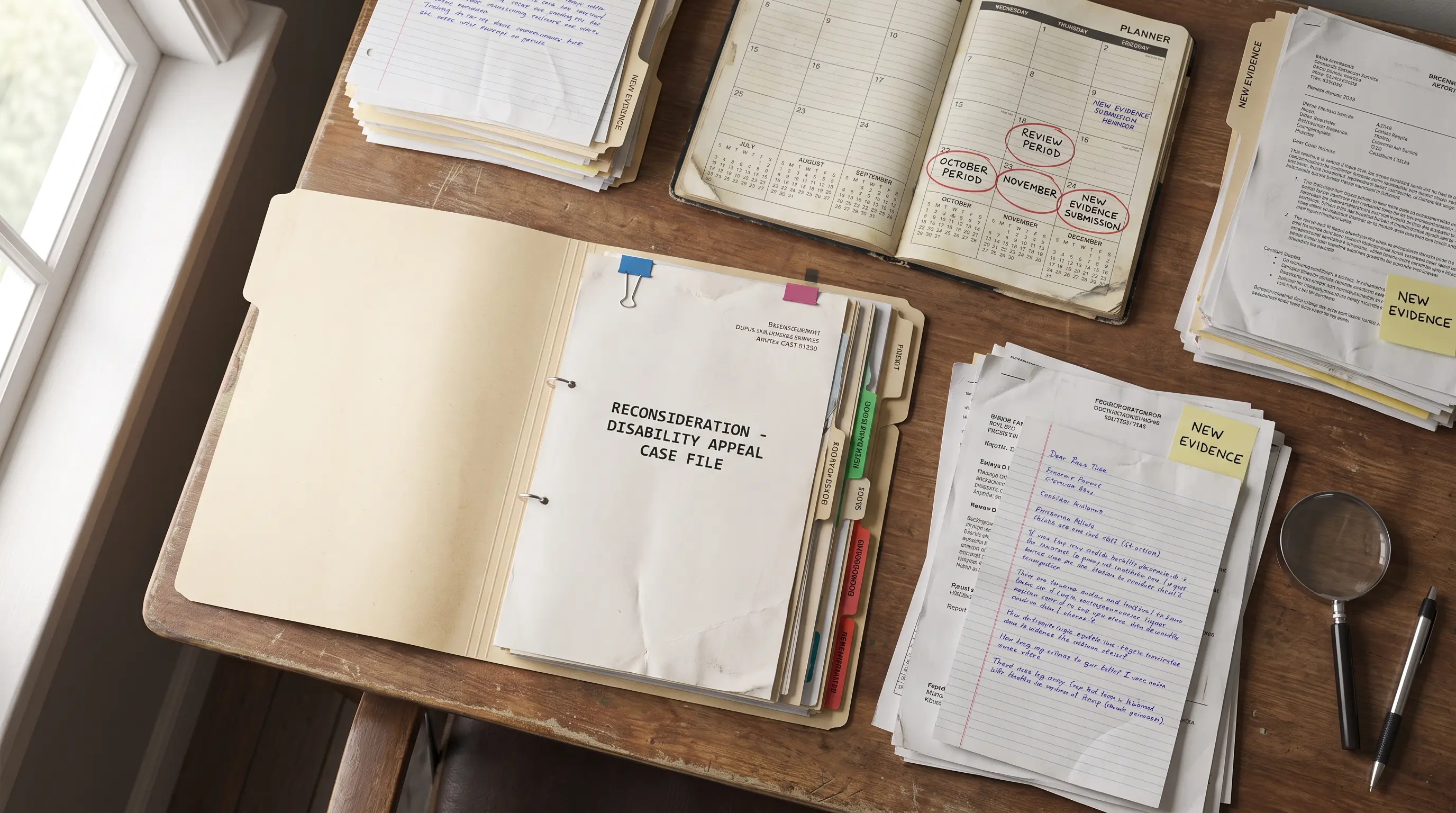
Reconsideration usually takes about three to seven months. A different disability examiner reviews the existing file and any new medical evidence without holding a formal hearing.
This stage may take longer or shorter depending on the state agency handling the review. SSA records reconsideration processing times in elapsed days from filing through the decision.
2. ALJ Hearing
An administrative law judge hearing often takes about eight to fifteen months from the hearing request to the final decision.
This is usually the longest stage because the case enters a regional hearing-office queue. The judge reviews the record and conducts a formal hearing before deciding the claim.
For appeals that pass through several stages, the ALJ hearing often accounts for the largest share of the total timeline. SSA updates hearing-office processing data monthly.
3. Appeals Council Review
An Appeals Council review commonly takes about six to twelve months. The council examines the ALJ decision and case record rather than holding another hearing.
It may deny review, issue a decision, or return the case to an ALJ. SSA publishes Appeals Council workload figures quarterly, so current regional conditions may change this estimate.
4. Federal Court
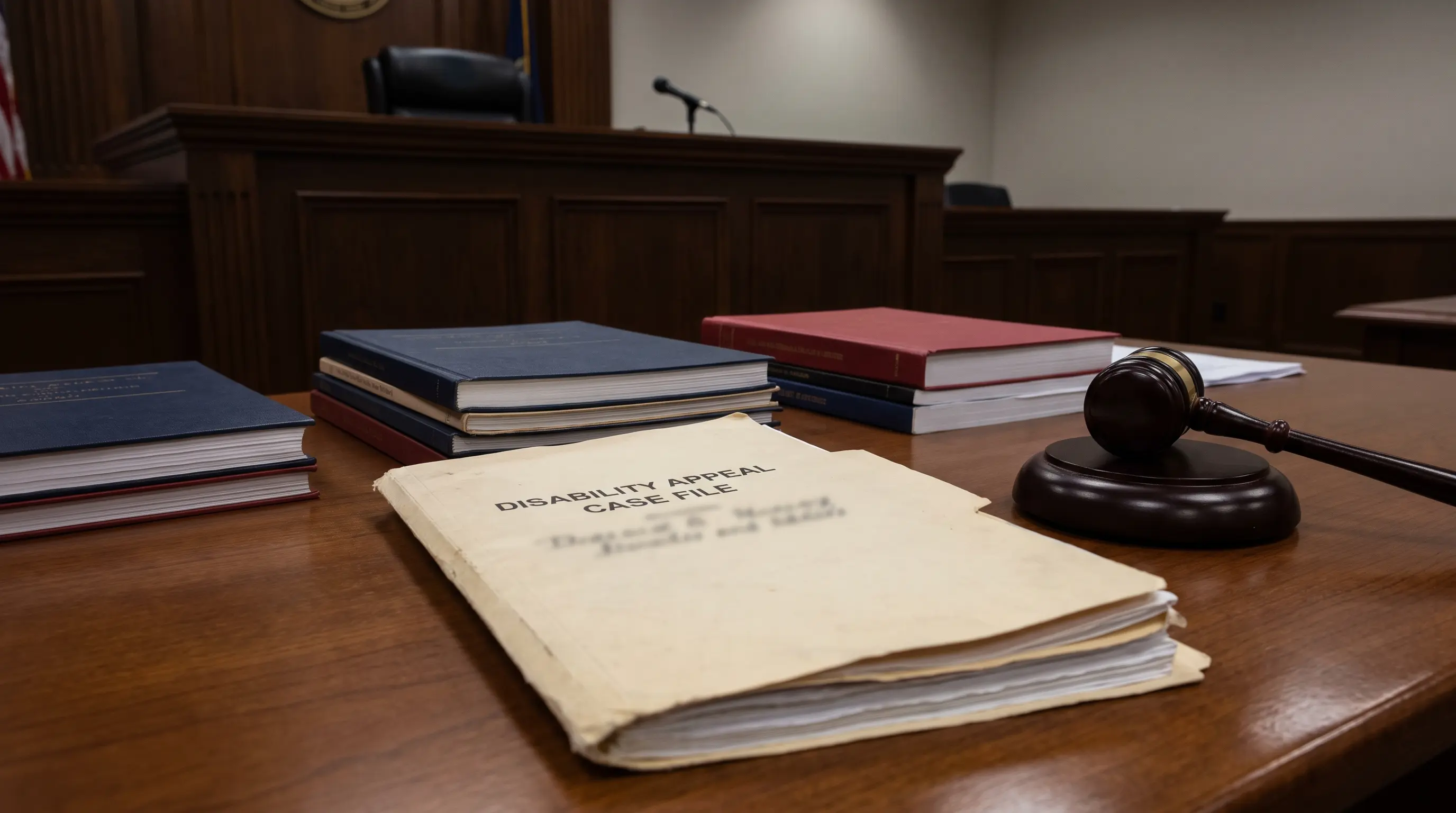
A federal court appeal may take about twelve to twenty-four months. A federal judge reviews whether SSA applied the law correctly and supported its decision with evidence.
The court may uphold, reverse, or return the case to SSA. Only a small share of disability appeals reaches this stage.
NOTE: Timeframes are planning estimates current as of July 2026. SSA and court backlogs change, so confirm current figures.
What Actually Speeds Up or Slows Down the Process?
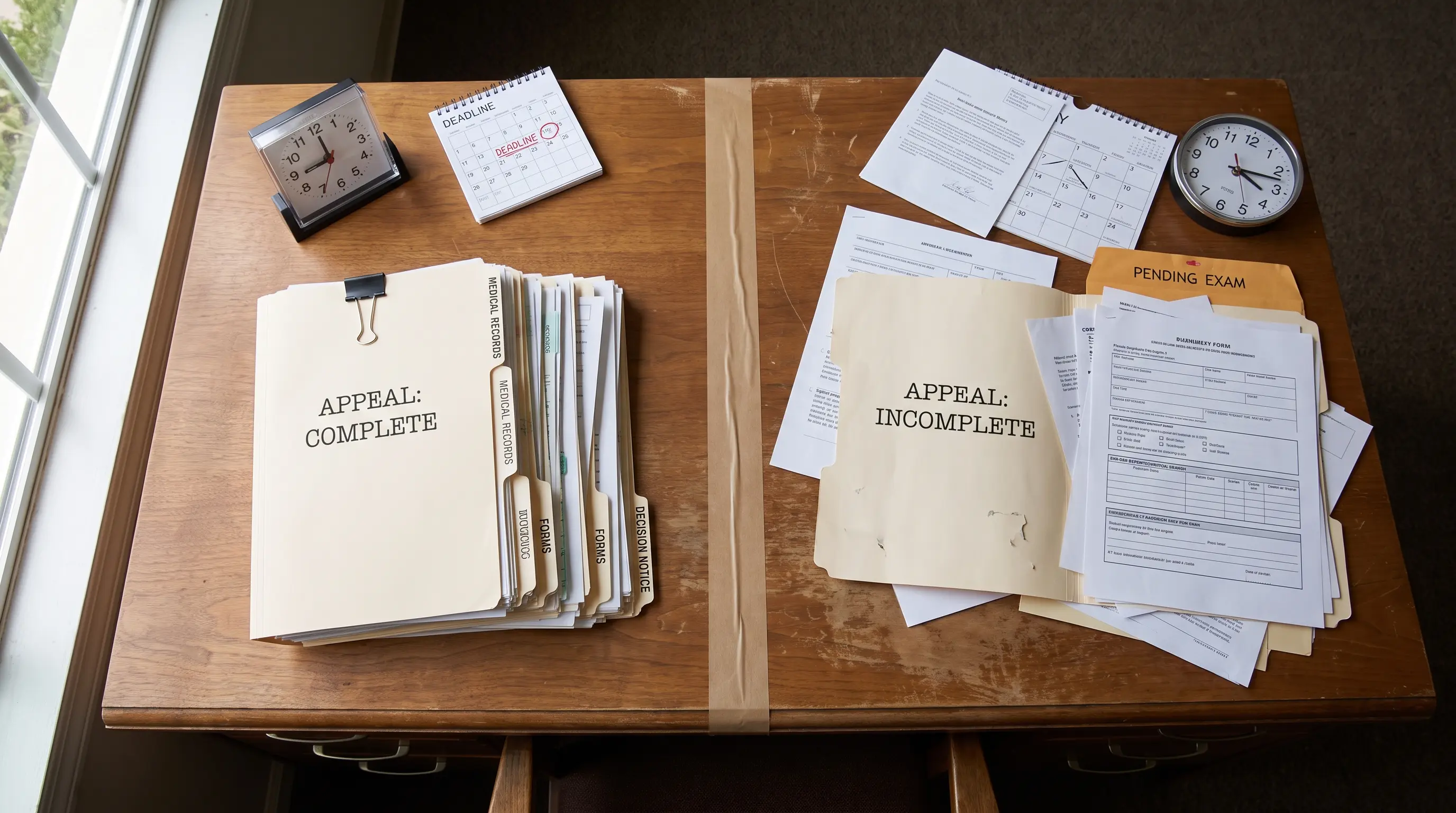
Beyond which stage a case reaches, several practical factors shape how quickly it moves. Some are within an applicant’s control; SSA’s processing queue is not.
- Missing medical records: SSA may request more information when important treatment records are missing, and the review stalls until those records arrive.
- Incomplete forms: Unanswered questions or conflicting details send the form back for correction. SSA cannot properly review the appeal until it has everything it asked for.
- Missed deadlines: Each appeal level, including reconsideration, an ALJ hearing request, and Appeals Council review, must generally be filed within 60 days of the previous decision. A late appeal may require the applicant to prove there was a valid reason for the delay. Without good cause, a new application may be necessary instead.
- Legal support: What a lawyer actually does to support a case is largely administrative: tracking deadlines, collecting records, completing forms, and answering SSA requests before they become missed deadlines.
- Complete evidence: When the medical evidence is already clear and complete, a case needs less additional review and tends to move at a similar pace whether or not someone is represented.
- Complex medical conditions: Records from multiple providers or specialists take longer to collect and review, and that adds time regardless of how strong the representation is.
- Consultative examinations: If the existing evidence is incomplete or inconsistent, SSA may order another exam. Scheduling the appointment and waiting for the report can add months on its own.
- SSA’s queue: No matter how complete the appeal is, it still waits in line. Nothing about legal representation changes the agency’s backlog or secures faster placement.
The main benefit of legal help is fewer preventable setbacks, not faster placement in SSA’s review queue.
What Happens After the Appeal Is Decided?
A favorable decision usually starts back pay processing, with payment often arriving within 30 to 90 days. This is an estimate, not an SSA guarantee.
| Decision | What Happens Next |
|---|---|
| Favorable decision | SSA confirms eligibility and calculates monthly benefits and any past-due amount. |
| Payment timing | Back pay often arrives within 30 to 90 days, although complicated calculations may take longer. |
| Back pay period | The covered period depends on the approved disability onset date, application date, and benefit type. |
| SSDI back pay | SSDI may cover eligible months before the application date, subject to SSA rules and the required waiting period. |
| SSI back pay | SSI generally cannot cover months before the application date. Large awards may be divided into installments. |
| Award notice | SSA sends a notice explaining the benefit amount, payment date, and back pay calculation. |
| Denied appeal | The applicant can request the next review level, which begins another waiting period. |
Conclusion
A disability appeal may take a few months or continue for more than two years. The final timeline depends mainly on how many appeals stages your case reaches.
Complete records and timely paperwork can prevent added setbacks, but neither you nor your lawyer can control SSA’s backlog.
Knowing your current stage gives you a clearer estimate and helps you prepare for what comes next, including back pay or another appeal.
Check your appeal status, review upcoming deadlines, and confirm that SSA has all requested medical evidence.
Frequently Asked Questions
How Long Does It Take for an Appeal to Get Approved or Denied?
Reconsideration usually takes three to seven months, while an ALJ hearing often takes eight to fifteen months. Appeals Council or federal court review can extend the process by another year or more. The exact wait depends on regional backlogs and the appeal stage reached.
Can a Lawyer Speed Up my Disability Appeal?
A lawyer cannot shorten SSA’s processing queue. However, legal help can prevent missing records, incomplete forms, and missed deadlines from causing avoidable delays or requiring a new application.
How Long Does Reconsideration Take to be Approved?
Reconsideration commonly takes three to seven months. A different examiner reviews the original case file, updated medical records, and any new evidence without holding a formal hearing for personal testimony.
How Long Does It Take to Get Back Pay After Being Approved?
Back pay often arrives within 30 to 90 days after approval, though complicated calculations may take longer. The amount depends on the approved onset date, application date, and benefit type.





