The Terrance Bethel case quickly became one of the most talked-about criminal investigations connected to the Bahamas.
This left many people shocked by the allegations and nonstop court developments.
What started as reports of relationship problems and divorce proceedings soon turned into an alleged murder for hire investigation.
For many readers, the story feels difficult to ignore because it mixes personal betrayal, criminal conspiracy allegations, and digital evidence that prosecutors claim revealed disturbing intentions.
As new legal updates continue to surface, many people are trying to understand what really happened, what the prosecution claims, and how the ongoing Bahamian court proceedings could shape the future of everyone involved.
Who is Terrance Bethel?
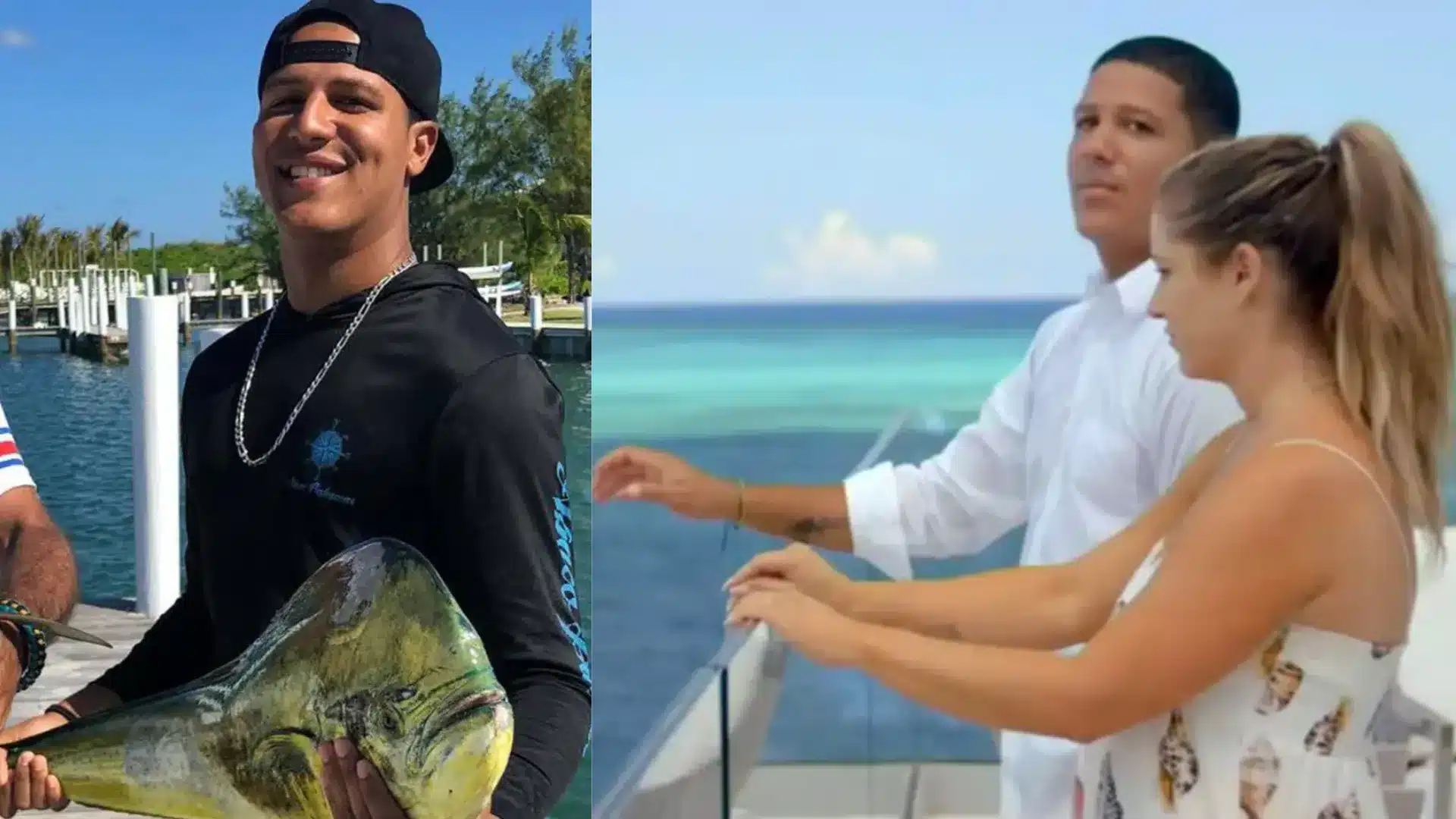
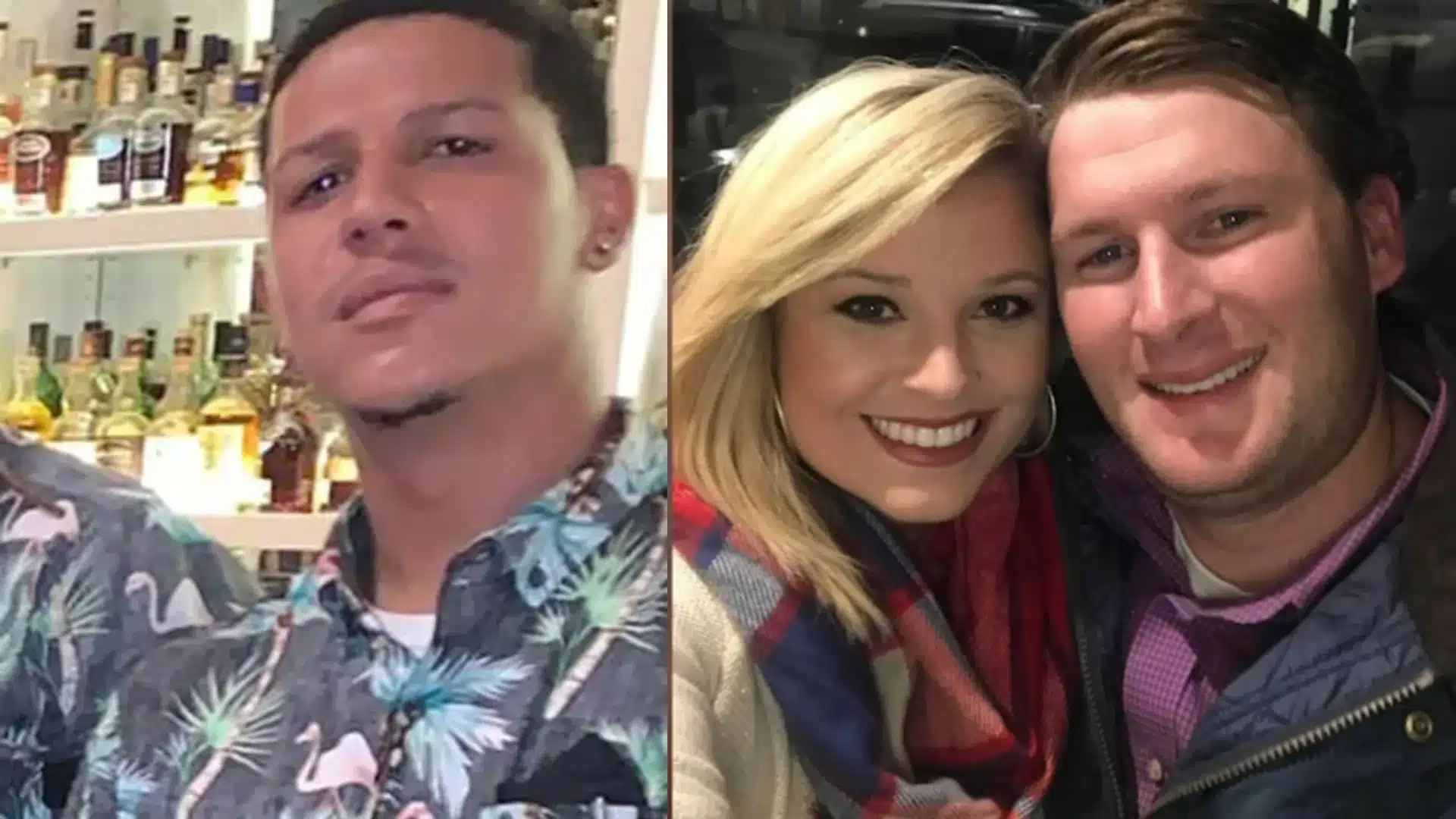
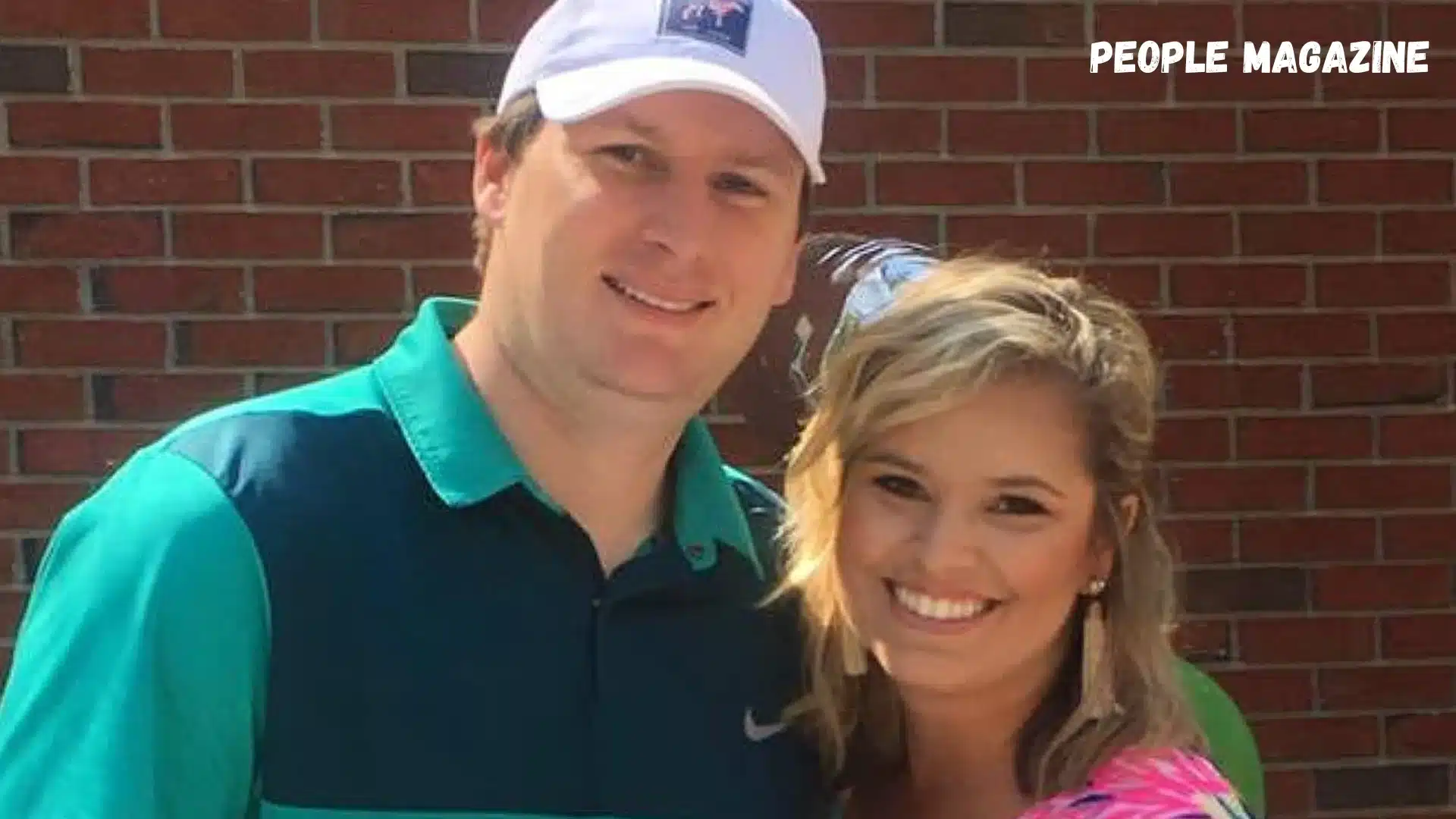
Terrance Bethel is a Bahamas resident who became widely known after being linked to the high profile murder for hire case involving Lindsay Shiver and her estranged husband, Robert Shiver.
Robert Shiver filed for divorce in April 2023, citing his wife’s alleged affair with Bethel, a bartender he believed she had been seeing during family trips to the Bahamas.
The couple owned a home at the Baker’s Bay Golf and Ocean Club on Great Guana Cay.
Lindsay countered the divorce filings with her own accusations, including allegations of physical and mental abuse.
Both parties sought primary custody of their three children and sole ownership of their $2.5 million home in Thomasville, Georgia.
Bethel, described as 28 years old at the time of his arrest, reportedly had a personal relationship with Lindsay that prosecutors allege predated Robert’s divorce filing.
Faron Newbold Jr., a friend of Bethel’s, is alleged to have been the intended hitman in the plot.
How was the Plot Discovered?
The alleged murder plan came to light by accident. Bahamian police were investigating a separate break-in at the bar where Bethel worked on Guana Cay.
During that investigation, officers examined employees’ phones and found WhatsApp messages that included photographs of Robert Shiver along with a two-word message prosecutors describe as a directive to kill him.
Robert Shiver was shown the messages and told police he feared for his life.
Five days after the alleged messages were sent, in July 2023, all three defendants were arrested and charged with conspiracy to commit murder under the Bahamas Penal Code.
Prosecutors have also alleged that Lindsay Shiver made a confession to authorities, though the contents of that alleged confession have not been made fully public.
Timeline of the Terrance Bethel Case
The Terrance Bethel case developed into one of the most talked-about criminal conspiracy investigations connected to the Bahamas in recent years.
1. Initial Bail and Release (July-August 2023)
Right after their arrests in July 2023, Terrance Bethel, Lindsay Shiver, and Faron Newbold Jr. were granted bail, and each had to pay $20,000.
They also wore ankle monitors and checked in regularly with the Royal Bahamas Police Force.
Lindsay’s U.S. passport was held by the embassy to stop her from leaving the country. This quick release surprised some people because the charges were serious.
For the full chronology of court hearings and rulings, the full Lindsay Shiver trial update covers each development from arrest through the trial start.
2. Bail Revocation Over Media Appearances (October-December 2024)
After more than a year on bail, things changed sharply in October 2024. Justice Grant-Thompson revoked bail for both Lindsay Shiver and Terrance Bethel.
The judge ruled that their TV interviews, including Good Morning America, broke rules against talking about the case publicly. This could influence future jurors.
Both were sent to Fox Hill Prison in Nassau. The Court of Appeal upheld this decision in December 2024.
Many saw this as a strong message: the court would not allow the case to become a media circus. It showed the charges were being taken very seriously.
3. New Bail with Gag Order (Early 2025)
In early 2025, Lindsay and Bethel received bail again, but with stricter rules. A gag order meant they had to stay completely silent about the case, with no more TV interviews or public comments.
They still had to follow check-in rules and travel limits. This second chance came after their lawyers argued for release while waiting for trial.
The court wanted to keep things fair but also allow the defendants some freedom. Faron Newbold’s situation followed a similar path.
These bail-ups and downs kept the case in the headlines and added stress for everyone involved.
4. Trial Start and What to Expect (March 2026)
The long-awaited trial finally began in Nassau in March 2026 after four delays. The original date was pushed from August 2025. All three, Bethel, Lindsay, and Newbold, are on trial together.
They have pleaded not guilty. Prosecutors will focus on WhatsApp messages, photos of Robert Shiver, and an alleged confession.
The defense will say the chats were just angry talk, not a real murder plan.
Since Robert is alive and well, this is purely a conspiracy case. The jury must decide if words crossed into criminal planning.
What Charges Do Bethel and the Co-Defendants Face?
All three defendants face conspiracy to commit murder under Section 89(1) of the Bahamas Penal Code, Chapter 84.
This is a serious indictable offense. Under Bahamian sentencing rules, a person convicted of conspiracy to commit an offense is sentenced as if they had carried out the substantive offense itself.
For conspiracy to commit murder, the sentence range runs between 30 and 60 years in a Bahamian prison. That sentencing framework matters.
It means the distinction between being the alleged mastermind, the alleged facilitator, and the alleged hitman does not automatically reduce a defendant’s exposure.
The law treats all participants in the conspiracy as equally liable for the full charge.
Understanding how conspiracy charges work is important here because the prosecution does not need to prove that any physical act of violence occurred, only that an agreement existed and that at least one step was taken toward carrying it out.
His defense argument is not simply that he did not carry out any act, but that no agreement to commit murder ever existed. That is a meaningful distinction under conspiracy law.
What Does the Defense Argue in This Case?
Bethel has publicly denied that any murder was ever planned.
In an October 2024 interview with ABC News, he stated directly that nobody involved ever intended to harm Robert Shiver and that the charges had been blown out of proportion.
His core argument is that the messages were venting between two people who were angry about the divorce situation, not a coordinated plan to commit murder.
That distinction matters legally. A conspiracy charge requires prosecutors to prove that two or more people genuinely agreed to commit a crime and took at least one step toward carrying it out.
The defense position is that the “kill him” text was an emotional reaction sent in the context of a heated argument, not a directive that any of the parties actually intended to follow through on.
This is a legitimate and consequential argument. I have seen cases where prosecutors and defense attorneys fight intensely at trial over exactly this line, and juries do not always reach the same conclusion the public does from reading headlines.
The Casey Anthony verdict is a well-known example of a case where public certainty and a jury’s legal assessment were very different things.
Conclusion
The Terrance Bethel case continues to draw public attention because it combines serious criminal conspiracy allegations, digital evidence, international legal proceedings, and a high-profile personal dispute.
All defendants have continued to deny wrongdoing and maintain their not guilty pleas.
With the trial still pending, many legal questions surrounding intent, electronic communications, and evidentiary standards remain unresolved.
Cases like this also show how quickly private messages and personal relationships can become part of major criminal proceedings.
What are your thoughts on the investigation and the ongoing court battle? Share your opinion or perspective in the comments below and join the discussion with other readers.
Frequently Asked Questions
Was Terrance Bethel Living in the United States During the Investigation?
No. Reports connected to the investigation identified Terrance Bethel as a resident of the Bahamas, where most of the alleged conspiracy events and court proceedings took place.
Are WhatsApp Messages Legally Admissible in Bahamian Courts?
Yes. Electronic communications such as WhatsApp chats can be introduced as evidence if prosecutors properly authenticate the messages and satisfy evidentiary requirements under Bahamian criminal procedure laws.
What Role Did Digital Evidence Play in the Prosecution’s Case?
Prosecutors reportedly relied heavily on electronic communications, phone records, and WhatsApp messages to establish alleged intent, coordination, and participation in the conspiracy investigation.
Is the Terrance Bethel Case Considered a Federal U.S. Criminal Case?
No. The prosecution is taking place under Bahamian law because the alleged conspiracy and criminal investigation occurred within the jurisdiction of the Bahamas.