A scooter ride can change in an instant. One moment you’re following the rules of the road, and the next you’re dealing with injuries, medical bills, and an insurance company looking for ways to reduce your claim.
When a fault is disputed, knowing your legal options becomes critical. After experiencing how quickly blame can shift following a scooter crash, I realized why working with a scooter accident attorney matters.
Scooter accidents often involve complex liability, with responsibility potentially falling on drivers, scooter companies, property owners, or local governments.
In Colorado, where scooter use has grown rapidly, understanding your rights and acting within strict legal deadlines is essential.
Whether you’re facing serious injuries, lost income, or insurance disputes, experienced legal representation can help protect your claim and pursue the compensation you deserve.
What a Scooter Accident Attorney Actually Does
A scooter accident attorney handles the legal work that needs to happen quickly after a crash.
The job starts with investigation, gathering police reports, reviewing surveillance footage, checking scooter maintenance records, and identifying every party who may share responsibility.
Many riders assume the case only involves them and the driver. That assumption is often wrong.
Scooter accidents frequently involve multiple liable parties: rental companies, manufacturers, property owners, and government agencies responsible for road conditions.
An attorney examines all available evidence, determines how fault is shared, and builds a claim against each responsible party.
Handling insurance communication is equally important. Insurers often contact injured riders within days of the crash.
Early statements can be used to reduce or deny a claim. Having a scooter accident attorney manage those conversations protects your rights from the start.
Why Scooter Accident Cases Are Legally Complex
Scooter accident cases are often more complicated than standard vehicle collisions. A single claim may involve questions about vehicle classification, rental agreements, road ownership, and fault allocation.
One of the biggest factors is comparative negligence principles. Courts can assign fault to multiple parties, reducing compensation based on each person’s share of responsibility.
In some states, recovering damages may be impossible if your percentage of fault exceeds a certain threshold.
Insurance companies use these rules aggressively. They may argue that a minor traffic violation, riding location, or licensing issue makes you partially responsible for the crash. Rental scooters create additional challenges.
Companies like Bird and Lime include liability waivers in their terms of service, but those waivers do not automatically shield them from claims involving negligent maintenance, defective equipment, or other preventable safety failures.
Because multiple parties and legal issues are often involved, scooter accident claims require a detailed investigation from the start.
Who Can Be Held Liable After a Scooter Accident?

Determining fault after a scooter accident requires a thorough investigation. Liability is often shared among multiple parties, and identifying every responsible party can significantly affect the available compensation.
1. Negligent Motor Vehicle Drivers
Drivers are among the most common liable parties in scooter accidents.
Failing to yield, running red lights, opening car doors into bike lanes, making unsafe turns, or driving while distracted can all lead to serious rider injuries. In most cases, claims begin with the driver’s auto insurance policy.
2. Scooter Rental Companies
Rental companies may be liable when a scooter’s condition contributes to a crash.
Brake failures, battery malfunctions, faulty handlebars, or poor maintenance can create dangerous riding conditions.
While companies often include liability waivers in their terms of service, those waivers generally do not protect them from claims involving negligent maintenance.
3. Scooter Manufacturers
If the accident was caused by a design flaw or manufacturing defect, the scooter manufacturer may be held responsible.
Product liability claims focus on whether the scooter was defective and whether that defect directly caused the rider’s injuries.
4. Municipalities and Government Entities
Unsafe road conditions can also contribute to scooter accidents.
Potholes, cracked pavement, missing drain covers, inadequate signage, and poorly maintained bike lanes may create hazards for riders.
When a government entity knew or should have known about a dangerous condition and failed to address it, it may share liability.
5. Other Road Users
Liability is not always limited to drivers and companies.
Pedestrians who step into bike lanes without warning or cyclists who make unsafe maneuvers can also contribute to a collision. Depending on the circumstances, they may share responsibility for the accident.
Your Rights as a Pedestrian After an Accident
You do not need to be on a scooter to have a valid injury claim. If a car or scooter rider hits you because of their negligence, you may be entitled to compensation.
A pedestrian hit by a car lawyer can investigate the accident, establish fault, and pursue damages for your losses.
Compensation available to injured pedestrians typically covers medical expenses, lost income, pain and suffering, long-term rehabilitation, and future medical care.
Liability may extend beyond the driver to an employer, property owner, or government entity, depending on the circumstances.
Seek medical attention immediately after any pedestrian accident. Concussions, internal trauma, and soft tissue damage may not be apparent for hours or days. Early treatment protects both your health and your claim.
How Denver Regulates Electric Scooters
Electric scooters first appeared on Denver streets in 2018, when companies like Bird and Lime deployed fleets without prior city authorization.
Denver initially confiscated hundreds of devices before establishing a formal regulatory framework through its Dockless Mobility Pilot Permit Program. The city eventually granted indefinite operating licenses to approved companies.
Under Colorado law, electric scooters are classified as vehicles. That means riders must follow standard traffic laws, and drivers must treat scooters as legitimate road users.
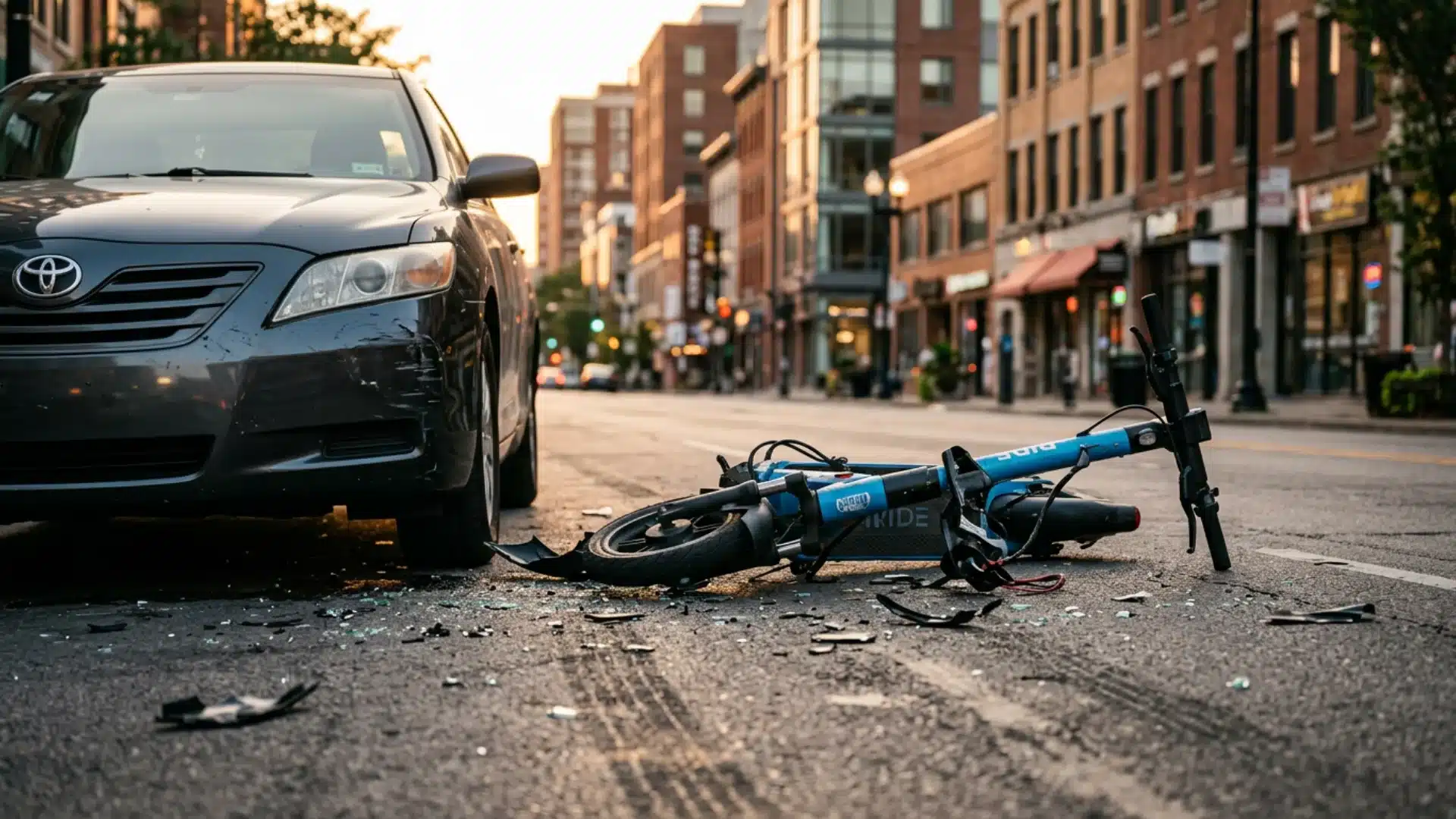
When a crash involves an e-scooter and a car, the claim generally follows the same legal framework as other motor vehicle accidents in the state.
This classification matters for your claim. It determines which statute of limitations applies, how comparative fault is assessed, and whether rental company liability waivers hold up in court.
Common Scooter Accident Injuries in Colorado
Scooter riders are exposed in ways that car occupants simply are not. Without a surrounding frame or airbags, even a moderate-speed collision can produce serious injuries. Common injuries seen in Colorado scooter accident claims include:
- Head and brain injuries, concussions, and traumatic brain injuries, even when a helmet was worn
- Fractures, wrists, arms, and collarbones from impact or instinctive bracing
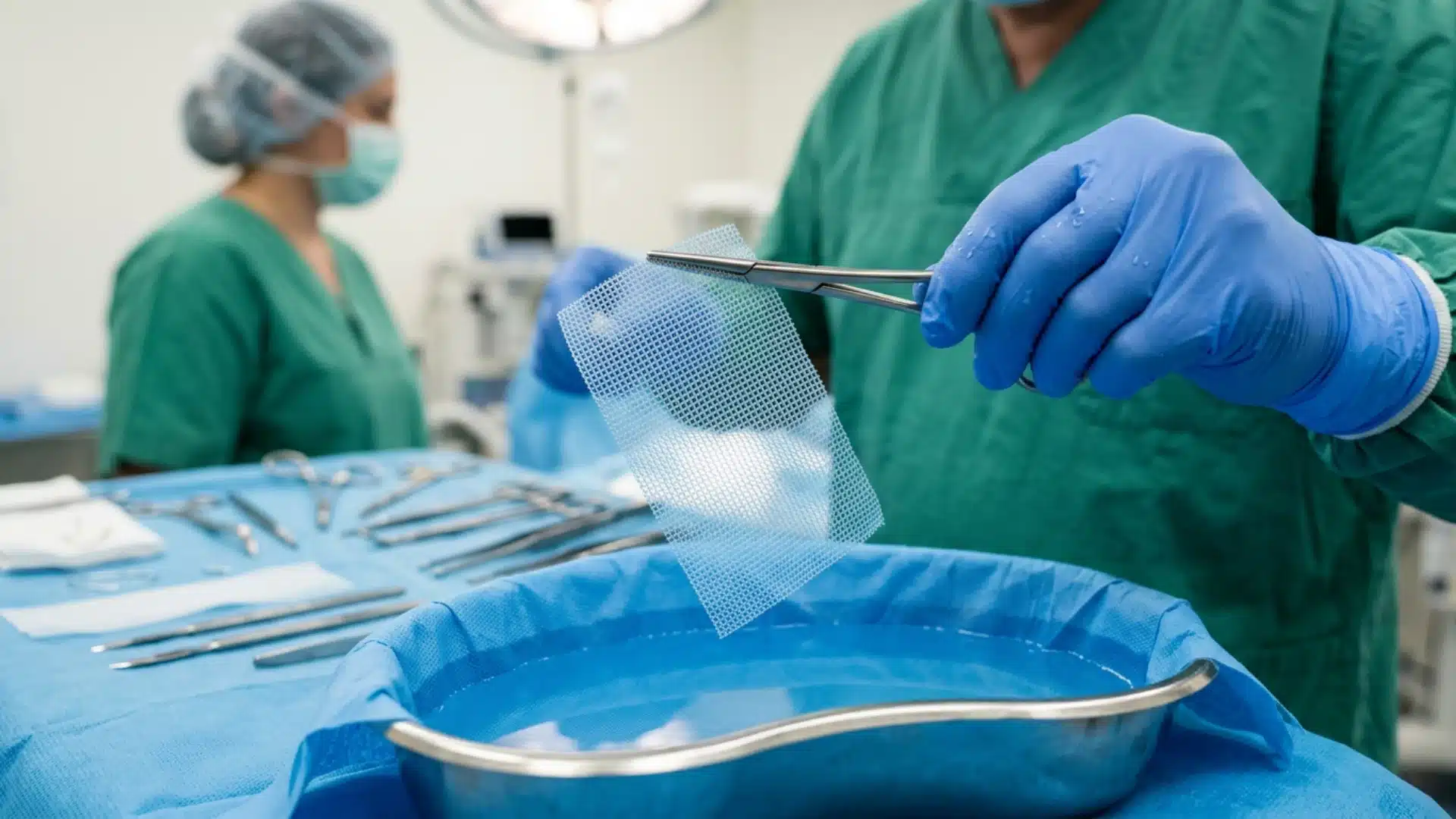
- Road rash and soft tissue damage; abrasions and lacerations that can require skin grafting in severe cases
- Spinal injuries; herniated discs or spinal cord trauma from being thrown or struck
- Internal injuries; organ damage that may not be immediately apparent after the crash
Adrenaline masks pain in the immediate aftermath. Many riders feel capable of walking away, then discover hours or days later that they have a concussion, internal bruising, or a fracture.
This is one reason that medical evaluation right after an accident is both a health and a legal priority; a gap in treatment gives insurers room to argue that your injuries were not caused by the crash.
Steps to Take Right After a Scooter Accident
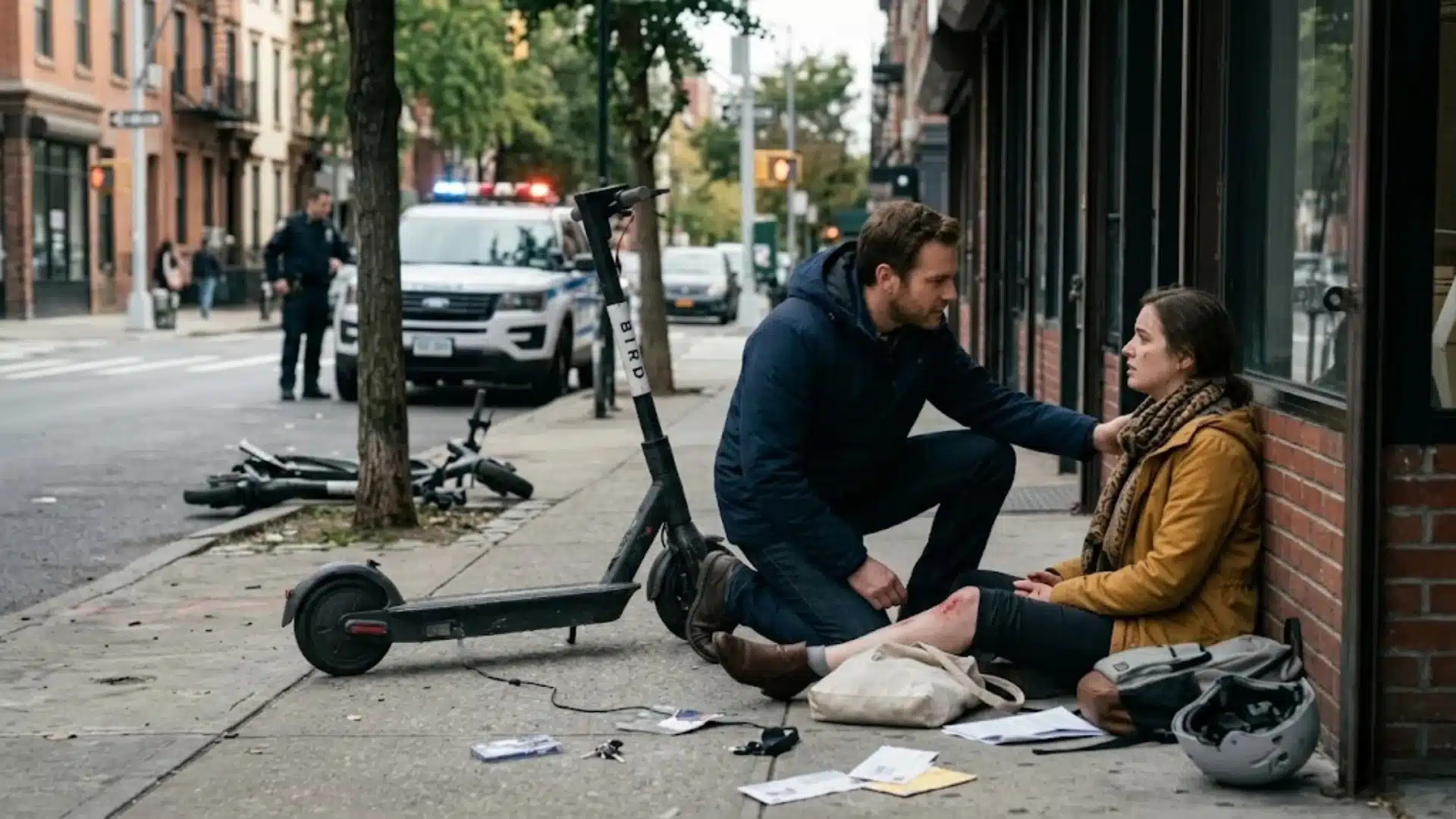
The actions you take in the first hours after a crash have a direct impact on your claim. This sequence applies whether you’re the rider or a pedestrian who was hit.
- Seek Medical Attention Immediately. Even if you feel able to walk away, get evaluated. Hidden injuries are common in scooter collisions, and a gap between the accident and your first medical visit gives insurers room to argue that your injuries weren’t serious or weren’t caused by the crash.
- Report the Accident to the Police. A police report creates an official record of where, when, and how the accident occurred. In Colorado, drivers are legally required to report accidents involving injury or property damage.
- Document the Scene. Photograph the accident location, any visible injuries, vehicle positions, skid marks, road conditions, and the scooter itself. If there’s a rental unit involved, photograph the scooter’s ID number and any visible damage before it’s removed.
- Collect Contact Information. Get the names, phone numbers, and insurance details of everyone involved, plus the names and contact information of any witnesses present.
- Avoid Speaking with Insurance Adjusters. Adjusters from the other party’s insurer may contact you quickly. Their goal is to resolve the claim as cheaply as possible. Don’t give a recorded statement or accept any offer before speaking with an attorney.
- Contact a Scooter Accident Attorney. The sooner an attorney is involved, the better positioned they are to preserve evidence and establish your claim before anything is lost.
When Should You Hire a Scooter Accident Attorney?
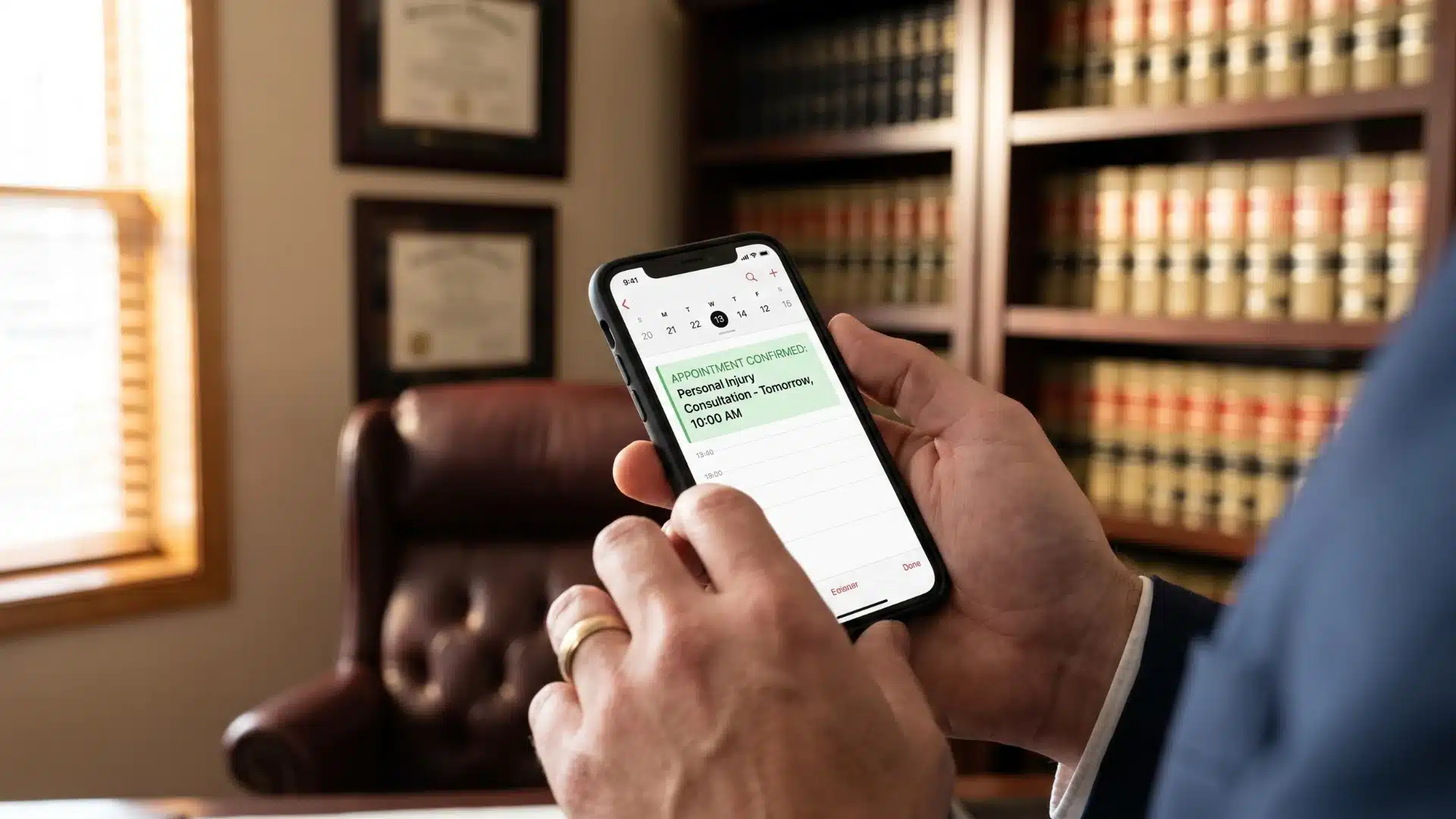
Not every scooter accident requires legal representation. However, hiring a scooter accident attorney becomes important when injuries are serious, fault is disputed, or multiple parties may be responsible for the crash.
You should consider speaking with an attorney if:
- You suffered significant injuries that required medical treatment or time away from work.
- The insurance company denied or undervalued your claim.
- The fault is being disputed by the driver, insurer, or another party.
- A rental scooter manufacturer or government entity may share liability.
- The accident resulted in long-term injuries or permanent disability.
- Multiple parties are involved, making the claim more complex.
The earlier an attorney gets involved, the easier it is to preserve evidence, identify liable parties, and protect your right to compensation. Even if you’re unsure whether you have a case, a consultation can help you understand your legal options and avoid costly mistakes.
What Damages Can You Recover After a Scooter Accident?
Compensation in a scooter accident case typically includes both economic damages (financial losses) and non-economic damages (personal losses resulting from the injury).
- Medical Expenses: Emergency treatment, hospital bills, surgeries, rehabilitation, physical therapy, and future medical care.
- Lost Wages: Income lost during recovery, plus reduced earning capacity if your injuries affect your ability to work.
- Pain and Suffering: Compensation for physical pain, emotional distress, and the overall impact on your quality of life.
- Property Damage: Costs to repair or replace your scooter, helmet, phone, or other damaged belongings.
- Long-Term Care: Ongoing treatment, rehabilitation, or assistance required for permanent or catastrophic injuries.
The value of a claim depends on factors such as injury severity, liability, and available insurance coverage. While some cases settle for a few thousand dollars, serious injury claims can reach six figures or more.
Reviewing average personal injury settlement amounts can provide context, but a thorough case evaluation is the best way to determine what your claim may be worth.
Filing Deadlines in Colorado and Why They Matter
In Colorado, motor vehicle accident victims generally have 3 years from the date of the accident to file a personal injury lawsuit under CRS § 13-80-101.
General personal injury claims usually have a two-year deadline, while claims involving government entities often require formal notice within 182 days. Even when the deadline seems far away, waiting can weaken your case.
Surveillance footage may be erased within weeks, witnesses can become harder to find, and rental scooter companies may complete their own investigations before you have legal support.
Deadlines also vary by state. If your scooter accident happened outside Colorado, your filing window may be shorter.
Speaking with an attorney early helps preserve evidence, identify liable parties, and clarify what an average accident settlement may look like based on your injuries, fault, and available insurance coverage.
Conclusion
After a scooter accident, I quickly learned that the legal side can be just as overwhelming as the injury itself. Fault may involve a driver, a rental company, a manufacturer, a city agency, or more than one party at the same time.
The most important thing is not to wait. Evidence can disappear, witnesses may forget key details, and insurance companies often begin building their defense immediately.
Whether you were riding a scooter or injured as a pedestrian, your right to seek compensation is worth protecting.
Have you or someone you know been involved in a scooter accident? Share your experience or questions in the comments below.
Frequently Asked Questions
Does It Matter Whether the Accident Happened in a Bike Lane or on the Road?
Location can affect how a fault is evaluated, but it does not determine whether you have a valid claim. If another party’s negligence caused your injuries, you may still be entitled to compensation.
How Long Does a Scooter Accident Case Take to Settle?
Most cases resolve within 6 to 18 months. However, claims involving serious injuries, disputed liability, or multiple responsible parties can take longer.
Who Pays for My Medical Bills After a Scooter Accident?
Depending on the circumstances, payment may come from your health insurance, the at-fault party’s insurance, or a settlement obtained through your injury claim.
Should I Speak with the Insurance Company After the Accident?
Be cautious. Insurance adjusters may use your statements to reduce or deny your claim. It’s often best to speak with an attorney before providing recorded statements.