
Putting a dollar amount on pain is not as simple as adding up hospital bills. Medical costs can be listed on paper, but stress, sleep loss, daily discomfort, and missed parts of life are harder to measure.
That is why many accident victims want to know how pain and suffering are calculated before they accept a settlement offer.
In this blog, you will learn what pain and suffering mean in a personal injury case, the two common methods used to estimate them, and the main factors that can raise or lower the final amount.
We will also cover what kind of proof can support your claim and why no formula can promise the exact value of a case.
By the end, you will have a clearer idea of how these damages are reviewed.
What Pain and Suffering Mean in a Personal Injury Case?
Pain and suffering cover the personal harm that does not always show up on a medical bill.
It can include the physical pain from the injury itself, such as soreness, stiffness, headaches, nerve pain, or ongoing discomfort. It can also include the emotional side of the accident.
Many people experience fear, anxiety, mood changes, or difficulty sleeping after getting hurt. Some injuries change how a person moves through daily life entirely.
For example, they may not be able to exercise, drive, play with their kids, travel, or take part in hobbies the same way.
Pain and suffering can also cover limits on normal daily activities, like cooking, cleaning, walking, working, or getting dressed.
In a personal injury case, these losses help show how the injury changed life beyond the basic cost of treatment.
How is Pain and Suffering Calculated?

There is no single fixed formula that works for every personal injury case.
Pain and suffering depend on the facts, the injury, and how the accident changed daily life. This is why calculations are often used as starting points, not final answers.
A lawyer or insurer may look at medical bills, recovery time, injury severity, and long-term effects to estimate a fair amount.
Still, the number has to be backed by evidence. Medical records, photos, treatment notes, and personal statements can matter more than a simple calculation.
Insurance companies may value a claim differently from a jury would after hearing how the injury changed a person’s life. Understanding personal injury settlement amounts across similar cases can give you a clearer sense of what is realistic before negotiations begin.
That is why pain and suffering damages are usually reviewed case by case, not by one set rule.
The Two Main Methods Used to Calculate Pain and Suffering
The two main methods for calculating pain and suffering provide starting points to estimate damages, each relying on different approaches and types of evidence.
1. The Multiplier Method
The multiplier method is one common way to estimate pain and suffering in a personal injury case.
It usually starts by adding up medical bills and other economic damages, such as lost income or out-of-pocket costs.
That total may then be multiplied by a number, often based on how serious the injury is.
A higher multiplier may be used when the injury is severe, the recovery takes a long time, the person has permanent limits, or the other party was clearly at fault.
Daily life impact also matters, such as missed work, lost sleep, stress, or being unable to enjoy normal activities.
Still, the multiplier method is only an estimate. It is not required in every case, and it does not promise a final settlement or court award.
2. The Per Diem Method
The per diem method gives pain and suffering a daily dollar amount. That daily rate is then multiplied by the number of days the person is expected to feel pain, recover, or deal with limits from the injury.
For example, if a daily amount is set and the recovery lasts several weeks, the total is calculated over the full recovery period.
This method may work better for injuries with a clear healing timeline, such as a fracture, sprain, or short-term back injury.
It can be harder to use in cases with permanent damage, chronic pain, emotional distress, or long-term limits because there may not be a clear end date.
Like the multiplier method, the per diem method is only an estimate of value. It still needs evidence to support the amount claimed.
What Proof Helps Support a Pain and Suffering Claim?

Providing evidence is key to showing the real impact of pain and suffering in a personal injury case. Proper documentation strengthens a claim and helps decision-makers understand the full extent of harm.
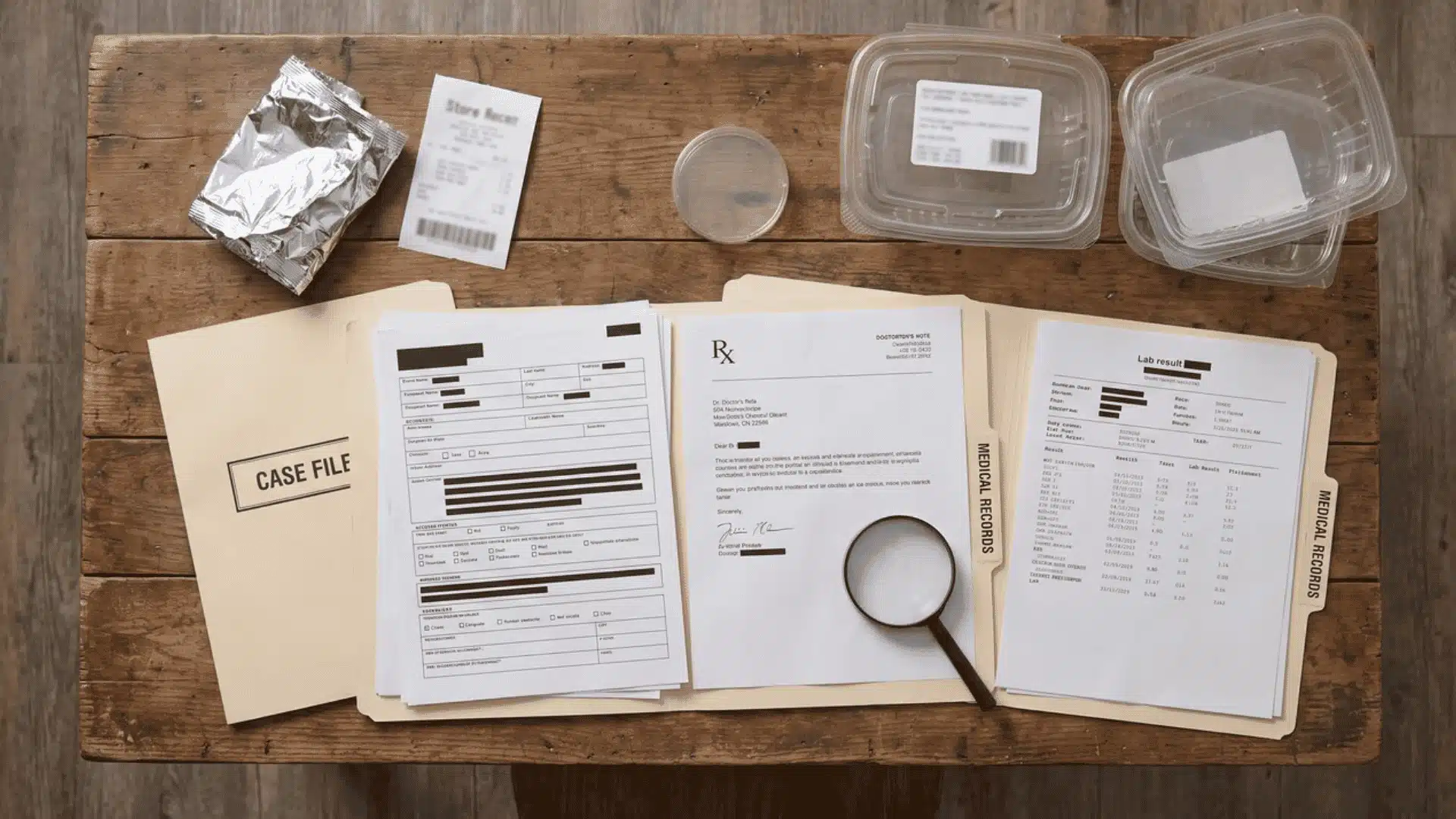
1. Medical Records
Medical records from doctors, hospitals, or clinics provide a detailed timeline of treatment and recovery.
They show the severity of the injury, the procedures performed, the medications prescribed, and the follow-up care.
Courts and insurers rely on these documents to verify the injury’s impact and link it to the accident.
Strong, well-organized records can significantly influence how pain and suffering damages are valued, offering concrete proof that supports a higher claim and enhances credibility.
2. Photos of Injuries
Photos capture bruises, swelling, scars, and other visible effects that written records cannot fully explain.
Pictures taken at different stages of recovery illustrate changes over time, showing both setbacks and improvement.
This visual evidence helps judges, juries, and insurers understand the physical impact and daily challenges caused by the injury.
When combined with medical documentation, photos create a strong narrative that supports the reality of pain and suffering.
3. Therapy or Counseling Records
Therapy or counseling records document emotional distress, anxiety, depression, or other mental health impacts caused by the injury.
Session notes, treatment plans, and progress logs show that psychological effects are real, ongoing, and linked to the accident.
These records provide objective proof that emotional suffering is part of overall damages, helping strengthen the claim and make it more persuasive before insurers or the courts.
4. Pain Journal
A daily pain journal provides a consistent account of pain intensity, frequency, and duration.
It can include notes on sleep disruption, medication use, flare-ups, and challenges performing normal activities.
This personal documentation offers insight into how the injury affects everyday life, making the claim more relatable and credible.
Detailed, consistent entries can show patterns that support more serious damages and illustrate the real-life impact beyond formal medical records.
5. Witness Statements
Statements from family, friends, or coworkers can confirm the injury’s effects on daily life.
Witnesses can describe mobility issues, emotional changes, or struggles with routine tasks. These accounts offer an outside perspective that validates the claimant’s experience.
Courts and insurers often find witness statements persuasive because they provide independent verification, helping to show how the injury changed life and supporting an accurate assessment of damages.
6. Work Records
Work records document missed days, reduced hours, or lower productivity caused by the injury.
Pay stubs, employer notes, and HR records demonstrate the financial and professional impact, linking physical and emotional challenges to work limitations.
Presenting how the injury affected job performance can strengthen a claim by quantifying part of the suffering.
This evidence provides a fuller picture of the injury’s consequences and supports a higher pain and suffering valuation.
Factors That Can Raise or Lower Pain and Suffering Damages
Pain and suffering damages depend on many personal and legal factors surrounding the injury.
- Injury Severity: More serious injuries typically increase damages due to greater physical pain and emotional distress.
- Length of Recovery: Longer recovery periods can raise damages because they extend discomfort and disrupt daily life.
- Permanent Disability or Scarring: Lasting effects often increase compensation for ongoing limitations or visible reminders.
- Medical Treatment Needed: Extensive procedures or therapies can support higher damages by showing increased hardship.
- Emotional Impact: Stress, anxiety, and reduced enjoyment of life influence the overall value of damages awarded.
- Clear Fault: Cases where the responsible party is clearly at fault often result in higher pain and suffering.
- Strength of Medical Records: Detailed records of treatment and progress help justify higher compensation claims.
- Consistency in Treatment: Following recommended care and attending regular appointments strengthens the case.
- State Laws and Limits: Legal caps on non-economic damages can restrict or adjust the amount awarded.
Why Pain and Suffering Calculations are Only Estimates?
Pain and suffering calculations are rarely exact because many factors influence the final amount.
Insurance companies often make lower offers to protect their bottom line, which can differ from the actual impact of the injury.
Lawyers can use medical records, therapy notes, witness statements, and other evidence to argue for a higher value.
Judges and juries may also assess damages differently based on how they perceive the case. Even injuries that seem similar can result in varying awards due to unique circumstances.
Ultimately, a strong claim relies on clear, documented proof rather than formulas, making these calculations useful as guidelines rather than guarantees.
Conclusion
Pain and suffering are not priced like a medical bill. Its value depends on how the injury changed daily life and how well that harm is documented and proven.
In this blog, we’ve covered what pain and suffering mean, common methods like the multiplier and per diem, key factors that affect damages, and the types of evidence that strengthen a claim.
Remember, calculations are only estimates, and outcomes can vary depending on insurers, lawyers, judges, and juries.
How can you ensure your claim reflects the full impact of your injury?
Speaking with a personal injury attorney before accepting any settlement can help you understand your options and protect your rights.
Consider sharing your experience or questions in the comments below.
Frequently Asked Questions
Can Minors or Children Claim Pain and Suffering?
Yes, minors can claim pain and suffering through a guardian or parent. The claim considers how the injury affects the child’s daily life, education, and emotional well-being.
Are Pre-Existing Conditions Considered in Pain and Suffering Calculations?
Pre-existing conditions may be factored in. Courts or insurers typically evaluate how much the new injury worsened the existing condition or added new limitations.
How Long Does It Take to Receive Pain and Suffering Compensation?
The timeline varies depending on the case, insurance negotiations, and whether the claim goes to court. Some settlements are resolved in months, while others can take years.