
Mediation can feel confusing when you are already dealing with pain, bills, insurance calls, and a legal claim.
The simple answer is that mediation itself does not force you to accept anything. It is a private meeting where both sides try to settle the case with the help of a neutral mediator.
The real question is whether mediation is legally binding in personal injury cases, which depends on what happens at the end.
If both sides only talk, it is usually not binding. If both sides agree to clear terms and sign a settlement agreement, that agreement can become binding.
Ahead, you will learn how mediation works, who takes part, what makes an agreement official, the main benefits, and what can happen if the case settles or does not settle.
What Does Mediation Mean in a Personal Injury Case?
Mediation in a personal injury case is a private meeting where both sides try to settle the claim without going to trial.
It is not a courtroom hearing, and no one is there to declare a winner. The injured person, the other party, their lawyers, and sometimes an insurance adjuster usually attend.
Each side shares its view of the accident, the injuries, the bills, and the value of the claim. A mediator guides the talks and helps both sides understand where they may agree.
The mediator does not take sides, give orders, or force anyone to accept a deal.
Unlike arbitration, where a neutral third party can issue a binding decision, mediation gives both sides full control over the outcome.
If you want to understand how these two processes differ, our blog on the difference between mediation and arbitration breaks it down clearly.
Personal injury cases often go to mediation because trials can take time, cost more, and feel stressful. Mediation gives both sides a chance to settle with more control and less pressure.
Is Mediation Legally Binding in Personal Injury Cases?

Many people assume that once mediation starts, they must accept whatever is offered. That is not how the process works.
Mediation is designed to help both sides reach a voluntary agreement, not force a decision. During the session, offers may be discussed, changed, rejected, or accepted as negotiations continue.
I have had clients come in convinced they had to settle because they agreed to mediate. The two things are not the same.
Key points include:
- Mediation itself is not legally binding
- Either side can choose not to settle during the discussions
- Verbal conversations and informal agreements are not usually enough to create a binding settlement
- The mediator cannot order either side to accept an offer or end the case
A settlement typically becomes binding when both sides agree to clear terms and sign a written settlement agreement.
Once signed, the agreement may prevent either party from bringing the same claim again. This is why reviewing the final terms carefully before signing is an important part of the mediation process.
How Does Personal Injury Mediation Work?
Personal injury mediation usually moves in three stages. Each stage helps both sides review the claim, discuss settlement, and decide what comes next.
1. Before Mediation
Before mediation, both sides review the evidence so they understand the strengths and weak points of the claim.
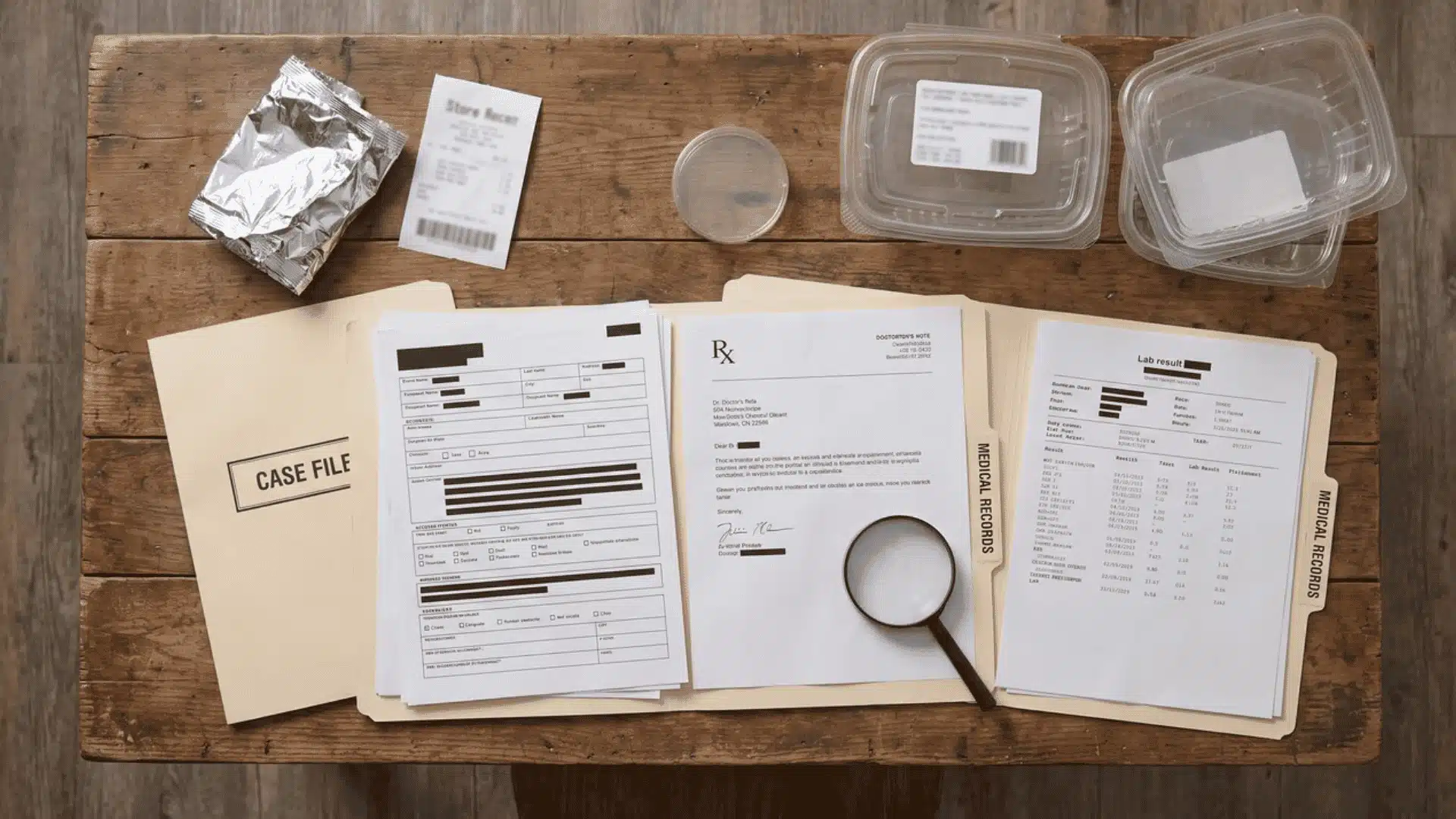
This can include accident reports, photos, witness details, medical records, treatment bills, and proof of lost income.
The insurance company also reviews its position and decides how much risk it sees in the case.
Lawyers may discuss a settlement range with their clients, so no one walks into mediation without a basic idea of what may be fair.
2. During Mediation
During mediation, the session often starts with opening talks where each side explains its view of the case. After that, the parties may move into private rooms or separate calls.
The mediator goes back and forth, sharing offers, counteroffers, and concerns.
Lawyers help explain the legal risks, while insurers usually focus on claim value and payment limits. The goal is not to win an argument, but to find terms both sides can accept.
3. After Mediation
After mediation, the next step depends on whether both sides reach a deal. If they agree, the settlement terms are usually put in writing and signed.
The agreement may include the payment amount, payment deadline, and a release of claims, which means the injured person gives up the right to bring the same claim again.
If no deal is made, the case can continue, and both sides may keep preparing for trial or later settlement talks.
What Makes a Mediation Agreement Binding?
A mediation agreement does not become binding simply because both sides had a productive discussion.
For a settlement to carry legal weight, the final terms must be clearly documented and accepted by everyone involved.
This helps prevent future disputes about what was agreed upon and when those obligations must be fulfilled.
Common elements of a binding mediation agreement include:
- Written settlement terms: Detailed explanation of the agreement, outlining all conditions and obligations.
- Signatures from both sides: Formal acknowledgment from all parties indicating acceptance of the terms.
- Clear settlement amount: Specifies the exact payment to avoid any confusion or disputes.
- Payment deadline: Defines when the agreed-upon funds must be provided.
- Release language: Clarifies which claims or disputes are being resolved through the agreement.
- Court approval: Required in certain cases by law or specific circumstances to make the agreement enforceable.
Once these requirements are met, the agreement is generally enforceable.
In some cases, such as claims involving minors or certain court-supervised matters, a judge may need to approve the settlement before it becomes final. This extra step helps ensure the agreement is fair and legally valid.
Benefits of Mediation in Personal Injury Cases
Mediation can make a personal injury claim easier to handle by giving both sides a calmer way to discuss settlement.
- Faster than trial: Mediation can help resolve a case much sooner than waiting for a court date, which may take months or longer.
- Less expensive: It can reduce legal costs because both sides spend less time preparing for hearings, motions, and trials.
- Private process: Mediation happens outside the courtroom, so the details of the talks usually stay between the people involved.
- More control over outcome: Both sides can shape the final agreement instead of leaving the decision to a judge or jury.
- Less stress for injured people: The process is usually more relaxed than court and can feel easier during recovery.
- Protects both sides from trial risk: Mediation helps avoid the uncertainty of trial, where either side could lose more than expected.
Possible Outcomes of Mediation
Not every mediation ends the same way. The outcome depends on how close both sides are to reaching an agreement and resolving the dispute.
- Full Settlement: Both sides agree on all terms, sign the settlement agreement, and the personal injury case comes to an end.
- Partial Settlement: Some issues are resolved during mediation, but certain disagreements remain open and may require further discussion.
- No Settlement: The parties cannot reach an agreement, so the case may continue toward trial or other legal proceedings.
- Delayed Settlement: Progress is made, but a final decision is postponed because more information is needed.
Even when a case does not settle immediately, mediation is rarely wasted. Additional medical records, insurance reviews, or court approvals may still be pending.
In many situations, negotiations continue after mediation, and a settlement may be reached days or weeks later once the remaining issues have been addressed.
Can You Back Out After Mediation?

Backing out after mediation usually depends on whether a final agreement has been signed. Before signing, either side can usually walk away from the offer, ask for more time, or continue the case.
Mediation talks are meant to be voluntary, so a person is not normally locked into a deal just because they discussed settlement terms.
Once a written settlement agreement is signed, backing out becomes much harder.
The signed document may show that both sides accepted the terms, including the payment amount, deadline, and release of claims. At that point, the agreement can often be enforced.
There are limited exceptions. A party may try to challenge the agreement if there was fraud, heavy pressure, a serious mistake, or unclear terms.
Even then, getting out of a signed deal is not simple and may require court review.
Common Mistakes to Avoid Before Signing
Before signing a mediation agreement, each term should be checked carefully so the final deal does not create problems later.
- Skipping the fine print: Not reading every term can lead to surprise duties, missed deadlines, or limits that were not clear during the talks.
- Ignoring medical liens: Medical providers, insurers, or government programs may have claims against the settlement money before funds are paid out.
- Forgetting future treatment costs: A quick settlement may not cover later surgery, therapy, medication, or follow-up care.
- Agreeing too fast: Pressure to end the case can lead to accepting less than the claim may be worth. Reviewing personal injury settlement amounts and examples can give you a better sense of realistic ranges before you agree to anything.
- Missing release language: The agreement may give up the right to bring the same injury claim again.
When Court Approval May Be Needed?
Court approval is not required in every personal injury settlement, but some cases may need a judge to review the agreement before it becomes final.
This often happens in minor injury claims involving children, where the court checks whether the settlement protects the child’s interests.
Approval may also be needed in wrongful death claims in some places, especially when settlement money must be divided among family members.
Claims involving protected adults may also require court review if the person cannot fully manage their own legal or financial affairs.
If a case has already been filed in court, the judge may need to approve or record the settlement before closing the case.
Once approval is granted, the agreement can move forward, and the claim can usually be finished.
Conclusion
Mediation can help settle a personal injury case, but it does not force anyone to accept a deal.
It gives both sides a chance to review the claim, discuss payment, understand risks, and avoid the stress of trial. The simple answer is that mediation itself is not binding, but a signed settlement agreement usually is.
That is why the answer to whether mediation is legally binding in personal injury cases depends on whether both sides only talked or actually signed clear terms.
A final agreement should explain the settlement amount, payment deadline, release of claims, and any court approval needed.
Before signing, you should understand every term and what rights are being given up.
Still unsure about mediation in injury claims? Share your thoughts or questions in the comments.
Frequently Asked Questions
Can Mediation Happen Before a Lawsuit is Filed?
Yes, mediation can happen before a lawsuit is filed. Many injury claims go to mediation while both sides are still dealing with the insurance company. This can save time if both sides already have enough records, bills, and facts to discuss settlement.
Do You Have to Speak Directly to the Other Side in Mediation?
Not always. In many personal injury mediations, each side stays in a separate room or joins a separate call. The mediator moves between both sides and shares offers, concerns, and replies. This can make the process feel less tense.
Can New Evidence Be Used After Mediation Fails?
Yes, new evidence can still be used if the case continues after mediation. This may include updated medical records, expert reports, witness details, or proof of missed work. Stronger evidence may also help restart settlement talks later.