Some terms quietly follow people through everyday life without ever being fully understood. DMV is one of them.
It shows up on forms, license renewals, and even casual conversations, yet many people still stop and wonder, what does DMV stand for when they actually need to know.
That moment of uncertainty often comes at the time, like filling out paperwork or dealing with something official.
Working in civil rights and constitutional law, I have seen clients encounter both meanings in the same week. One is dealing with a license suspension, another is asking about federal employment in the DMV area.
The confusion is more common than you would think, and the consequences of getting it wrong are real.
Knowing which definition applies in context matters more than most people realize.
A Brief History of the DMV
In the early 1900s, cars became widely available before any standardized rules for driving existed. In many states, a self-declaration of basic traffic knowledge was all that was required to get behind the wheel.
The predictable result was a sharp rise in accidents as untrained drivers shared roads with pedestrians, horses, and bicycles.
States gradually introduced driving tests, but these were conducted inconsistently with no central oversight.
That gap led governments to establish what were initially called “motor centers,” the precursors to the modern DMV.
California formally established its Department of Motor Vehicles in 1931. Today, every U.S. state has an equivalent agency, even if it goes by a different name.
What Does DMV Stand For?
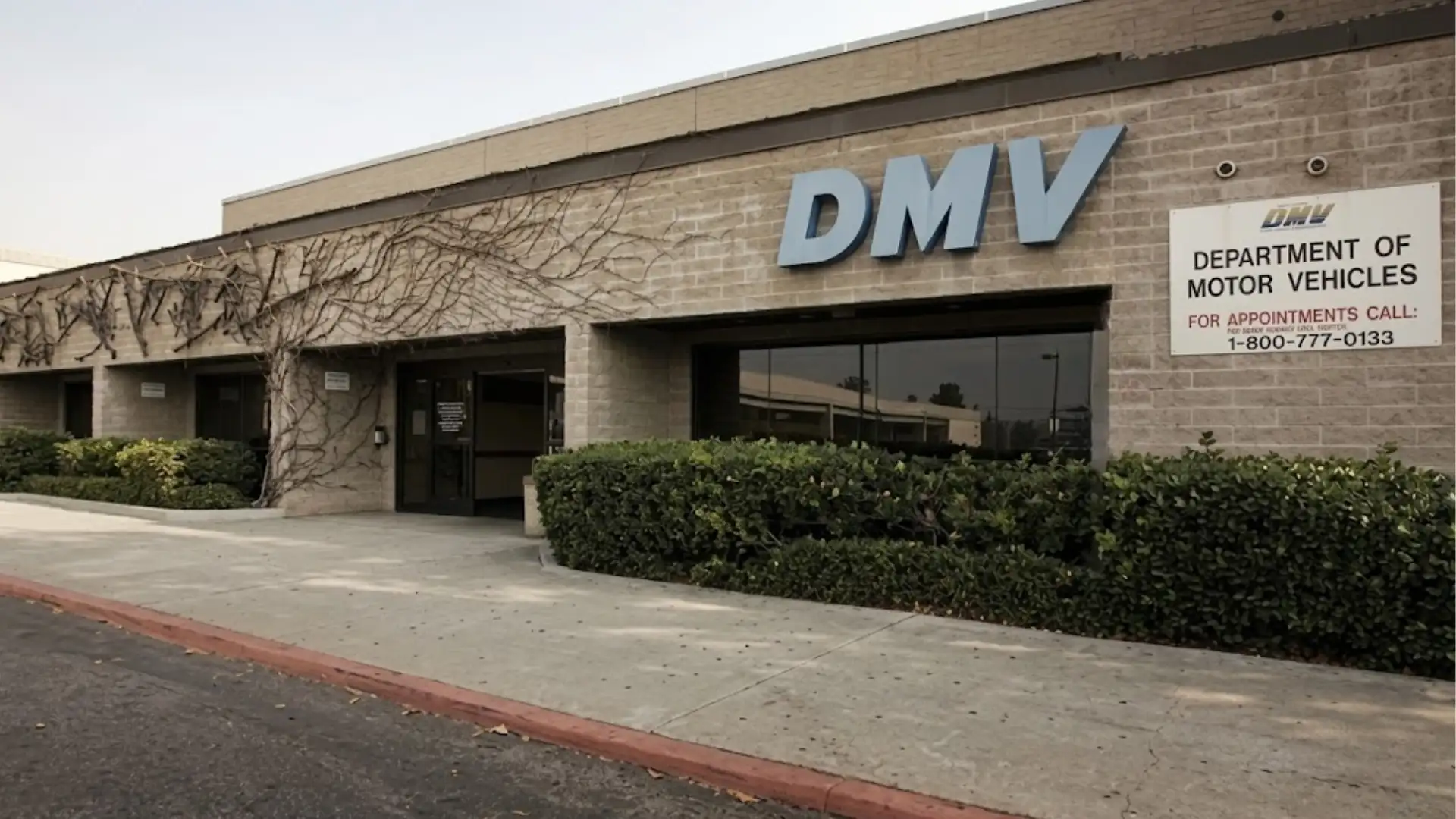
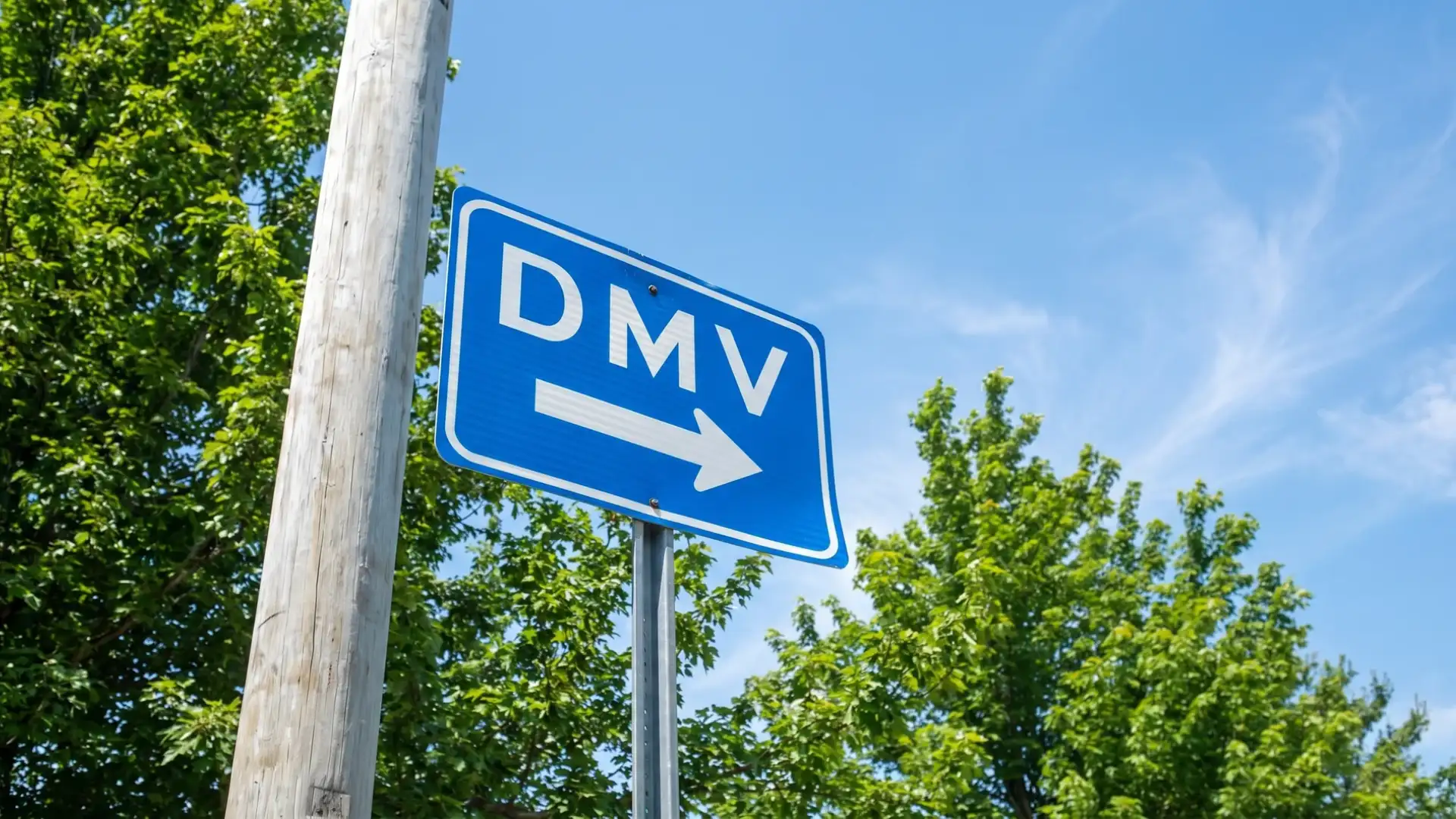
DMV stands for Department of Motor Vehicles, which is the official government agency responsible for handling driver and vehicle-related services.
It operates at the state level, not at the federal level, meaning each state in the United States has its own DMV or a similar agency with slightly different rules and processes.
The DMV has responsibilities such as issuing driver’s licenses, registering vehicles, and maintaining driving records.
When someone says they need to “go to the DMV,” they are usually referring to completing one of these legal or administrative requirements. There is no single national DMV.
Each state’s agency operates independently, which is why a license suspended in one state may not automatically transfer its consequences to another without additional legal steps.
Under the Driver License Compact, however, most states do share records, so the assumption of a clean slate when crossing state lines rarely holds up.
What is the DMV Area?
The DMV area refers to a defined metropolitan region consisting of Washington, D.C., Maryland, and Virginia, often treated as an integrated economic and administrative zone.
In this context, DMV functions as a regional acronym, not a government agency. Known for its unique identity and strong influence on hip hop, go-go music, and local artistry.
Artists from this area frequently use DMV to highlight regional pride and community roots. The term also appears in social media, where it can reference lifestyle, slang, and shared experiences tied to that region
The area is characterized by interstate economic interdependence, shared labor markets, and coordinated transportation infrastructure, including federal employment hubs and suburban commuter networks.
It includes major jurisdictions such as Northern Virginia counties and central Maryland regions that contribute to the broader capital region framework.
The term is frequently used in demographic analysis, urban planning, and regional policy discussions to describe this multi-state cluster.
Its usage is context-specific and distinct from the Department of Motor Vehicles, requiring accurate interpretation based on subject matter.
Core Functions of the DMV
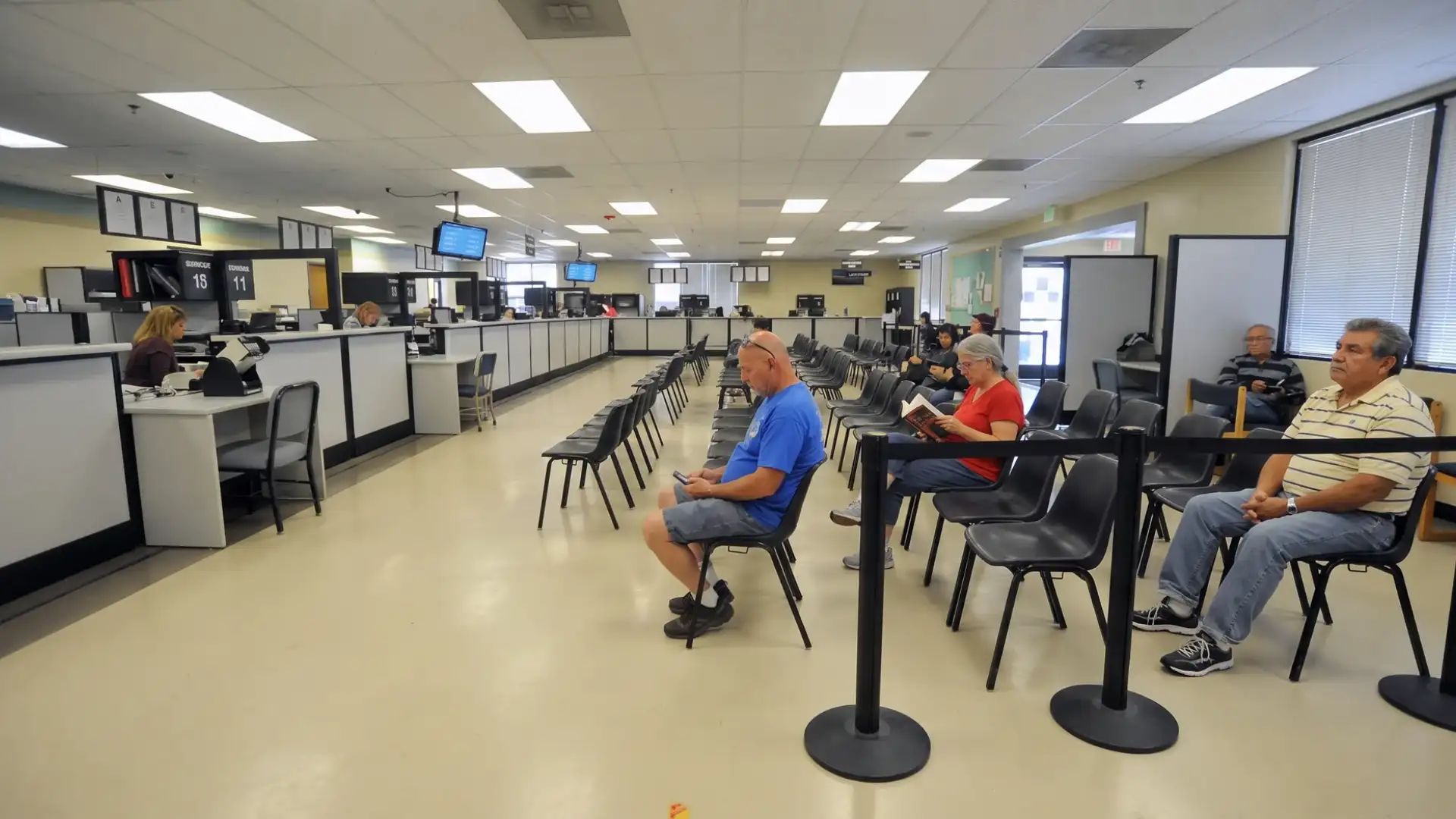
The Department of Motor Vehicles handles several essential responsibilities that keep road systems organized and legally compliant. Its role goes beyond issuing licenses.
1. Driver Licensing Services
Driver licensing services are among the most important functions of the DMV. This includes issuing learner permits, standard driver’s licenses, and commercial licenses.
Applicants must meet eligibility requirements, pass written exams, and complete driving tests to prove skill and knowledge.
One can use an unexpired passport or a green card as proof of lawful presence.
The DMV also handles renewals, upgrades, and replacements of licenses. It keeps records of driving history, including violations and suspensions.
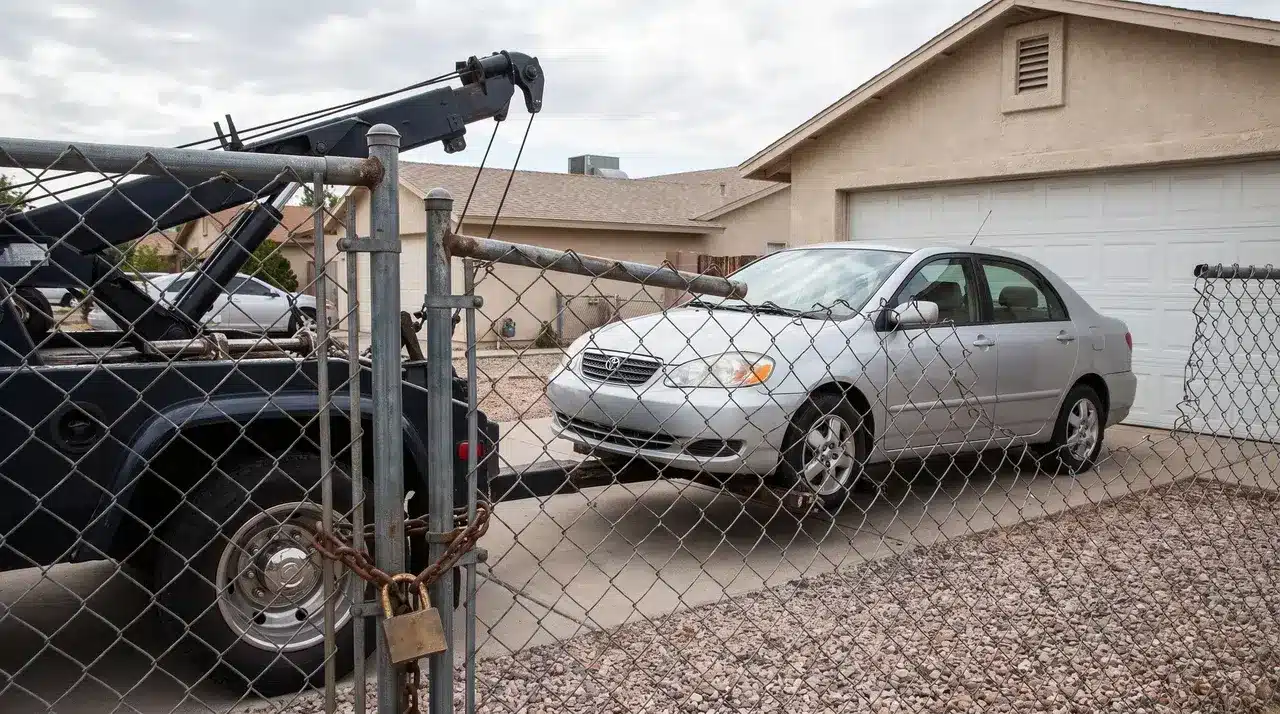
If a driver breaks traffic laws, the DMV may restrict or revoke driving privileges.
2. Vehicle Registration and Ownership
The DMV is responsible for registering vehicles and maintaining ownership records. When a person buys a car, the vehicle must be registered with the state to be legally driven.
This process includes issuing license plates and registration certificates.
The DMV also manages title transfers when ownership changes, such as during a sale or inheritance.
Accurate records help track vehicles and prevent fraud. Renewal of registration is required periodically, and failure to comply can lead to penalties.
3. Identification and Documentation
The DMV issues official identification documents widely accepted across the United States. These include state-issued ID cards for individuals who do not drive.
The agency also manages updates to personal information such as name, address, and date of birth. From a constitutional standpoint, there is no federal ID mandate.
The REAL ID Act created what is effectively a national identity standard by conditioning access to federal services on state-issued credentials that meet federal specifications.
These IDs are required for domestic air travel and access to certain federal facilities.
Whether that arrangement is an overreach is a question worth thinking about, but for now, it is the system in place, and non-compliant IDs are increasingly being turned away at airport security.
4. Law Enforcement and Compliance Role
The DMV supports law enforcement by maintaining detailed records of drivers and vehicles. It tracks violations such as speeding tickets, DUI offenses, and accidents.
Based on these records, the DMV can suspend or revoke licenses when necessary.
It also enforces compliance with state driving laws by ensuring drivers meet legal requirements.
Information from the DMV is often shared with courts and law enforcement agencies to support investigations and legal actions.
5. Revenue Collection
Revenue collection is another key function of the DMV. The agency collects fees for services such as license issuance, renewals, vehicle registration, and title transfers.
It may also collect penalties for late renewals or violations.
These funds contribute to state budgets and are often used to support road maintenance, infrastructure projects, and public safety programs.
The DMV may also collect certain taxes related to vehicle purchases.
Why is the DMV important in Everyday Life?
The DMV plays a key role in everyday life because it manages the legal requirements needed to drive and own a vehicle.
It ensures that drivers are properly trained, tested, and approved before getting on the road. It also keeps accurate records of vehicles, which helps confirm ownership and prevent fraud.
Without the DMV, there would be no standardized system for licenses, registrations, or identification.
This agency also supports public safety by tracking violations and enforcing driving rules.
DMV-issued IDs are commonly required for identity verification in banking, travel, and official processes.
Keeping DMV records clean matters beyond traffic fines; a suspended license or unresolved violation can affect employment background checks, professional licensing applications, and, in some cases, immigration status.
Regional Variations of the DMV Agency Name
The term DMV is commonly used, but different states use alternative names such as RMV, BMV, or MVA for the same type of agency.
Despite the naming differences, all these agencies handle driver licensing, vehicle registration, title transfers, and maintain official driving and vehicle records.
The variation in naming reflects administrative structure and regional preference rather than any major difference in responsibility.
Understanding these terms helps when dealing with state-specific processes or relocating between states.
| Aspect | DMV | RMV | BMV | MVA |
|---|---|---|---|---|
| Full Form | Department of Motor Vehicles | Registry of Motor Vehicles | Bureau of Motor Vehicles | Motor Vehicle Administration |
| Common States | California, New York | Massachusetts | Indiana, Ohio | Maryland |
| Administrative Style | Department-level agency | Registry-focused system | Bureau structure | Administration-based structure |
Conclusion
Understanding terms like DMV becomes easier when broken down into clear meanings and real-world use.
This topic highlights how one acronym can carry different interpretations depending on context, whether related to government services or regional identity.
For readers searching: what does DMV stand for? Clarity comes from knowing when and how each meaning applies.
This knowledge helps avoid confusion, especially when dealing with official processes or location-based references.
Do you have any experience with DMV services, regional usage, or documentation challenges that stand out? Drop your thoughts or experiences in the comments below and join the conversation.
Frequently Asked Questions
What Documents are Required for DMV Services?
Most DMV services require proof of identity, proof of residency, and sometimes a Social Security number. For vehicle-related tasks, documents like the vehicle title, insurance proof, and registration forms may also be needed.
Can DMV Services Be Completed Online?
Many states now offer online services for license renewal, registration updates, and address changes. However, tasks like driving tests or first-time license applications usually require an in-person visit.
How Long Does It Take to Get a Driver’s License from the DMV?
The process time varies by state. After passing tests, a temporary license is often issued immediately, while the physical card is mailed within a few weeks.