
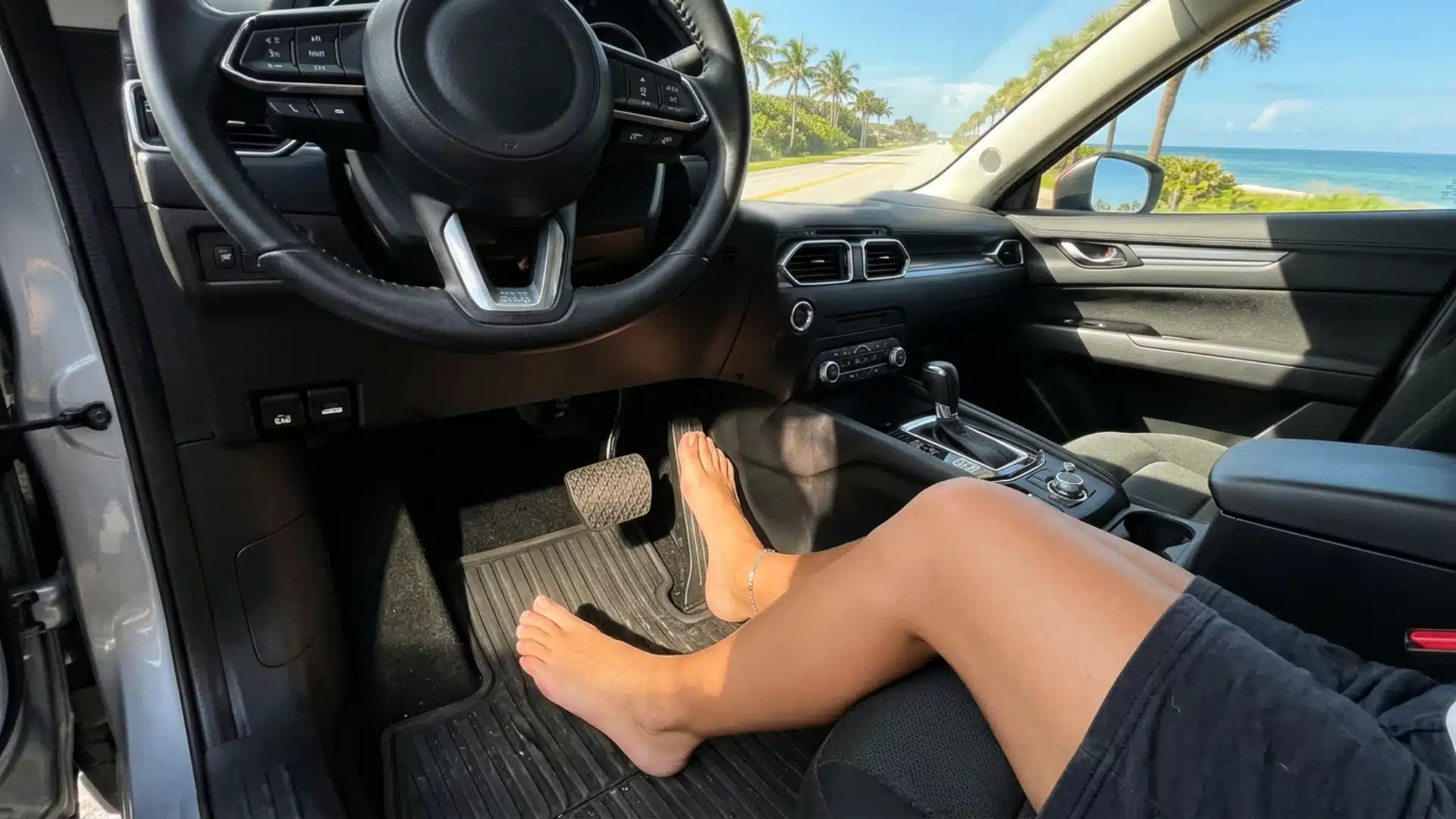
You slide into the driver’s seat after a beach day in Florida, sandals tossed aside, feet still warm from the sand. Then the question hits: is it illegal to drive barefoot in Florida?
Many drivers have heard warnings from parents, friends, or driving instructors, but the real answer is often mixed with myth.
Some wonder, is it illegal to drive without shoes, while others ask, is it against the law to drive barefoot at all?
It is a small everyday moment, yet nobody wants a traffic ticket or trouble after an accident. Florida roads already come with enough stress, from busy highways to sudden rain.
So, before pressing the pedal with bare feet, it makes sense to know what the law actually says and why safety still matters even when something may be legal.
Can You Legally Drive Barefoot in Florida?
Yes, one can legally drive barefoot in Florida. The law does not require drivers to wear shoes behind the wheel.
The Florida Uniform Traffic Control Law does not mention footwear, which means driving barefoot is not a traffic violation. An officer cannot ticket you simply for driving without shoes.
The same is true across the United States. No state has a law that specifically bans barefoot driving in a passenger vehicle.
This myth likely comes from motorcycle rules in some states, where footwear requirements may apply, and people mistakenly assume the same rule applies to cars.
That said, legal does not always mean risk-free. If barefoot driving contributes to a crash, it may still become an issue in a reckless driving case or an insurance claim.
Is It Against the Law to Drive Barefoot in Any State?
No. It is not against the law to drive barefoot in any U.S. state when operating a regular passenger vehicle.
Driving without shoes is legal in Florida and across the country. No state has a traffic law that specifically requires drivers to wear shoes behind the wheel, and an officer generally cannot stop or ticket you only because you are barefoot.
The confusion usually comes from safety recommendations, not actual legal bans. Some agencies discourage barefoot driving because it may affect pedal control, but that does not make it illegal.
Barefoot driving is also generally legal in several other countries, including:
- United Kingdom: Driving barefoot is not illegal, as long as the driver can operate the vehicle safely.
- Canada: There is no general law banning barefoot driving, but unsafe control of the vehicle can still lead to careless driving issues.
- Australia: Driving barefoot is not specifically prohibited, but drivers must remain in proper control of the vehicle.
- United States: No state bans barefoot driving for regular passenger vehicles.
That said, legal does not always mean risk-free. If your wet, sandy, or sweaty foot slips off the brake pedal and contributes to a crash, the issue is not simply that you were barefoot.
The issue is whether you were driving safely and maintaining proper control of the vehicle.
What Florida Law Actually Says About Barefoot Driving?
Florida does not have a law that bans barefoot driving. However, it does have a reckless driving law.
Under Florida Statute 316.192, a person commits reckless driving when operating a vehicle with “willful or wanton disregard for the safety of persons or property.”
Driving barefoot alone does not usually meet that standard. But if being barefoot affects your control of the vehicle and contributes to a crash, it can become relevant.
In practice, what I see most often is that barefoot driving surfaces during post-crash reconstructions are not used as a standalone charge.
Law enforcement will document every factor that may have affected vehicle control, and footwear is part of that picture when it appears to have played a role.
In my experience, officer discretion matters. After a crash, law enforcement will evaluate the facts and determine whether any driver actions contributed to unsafe driving.
For example, if your foot slips off the brake pedal during an emergency stop, an officer may conclude that the lack of footwear contributed to the accident.
Barefoot driving alone is not enough, but it can be part of the investigation if it appears to have contributed to the incident.
Penalties of Driving Barefoot
There are no direct penalties for driving barefoot in Florida. Since driving barefoot is not illegal, you cannot be fined, cited, or arrested simply for driving without shoes.
However, barefoot driving may become an issue if it contributes to unsafe driving, loss of vehicle control, or a crash. In that situation, the possible consequences may include:
- No ticket for barefoot driving alone: Florida law does not list barefoot driving as a traffic offense.
- Possible reckless driving citation: If lack of footwear contributes to unsafe driving, an officer may consider whether the driver acted with “willful or wanton disregard” for safety under Florida’s Reckless Driving Statute.
- Reckless driving penalties: A first conviction can carry up to 90 days in jail and a fine of $25 to $500. A second conviction can carry up to six months in jail and a fine of $50 to $1,000.
- Higher penalties after a crash: If reckless driving causes property damage, injury, or serious bodily injury, the charge and penalties can become more serious under Florida law.
- Insurance claim impact: If an insurer argues that barefoot driving contributed to the crash, it may try to increase your fault percentage and reduce your compensation.
The key point is simple: barefoot driving itself does not carry a penalty. The legal risk comes from whether driving without shoes contributed to reckless driving, poor vehicle control, or an accident.
The Real Safety Issue: Footwear and Pedal Control
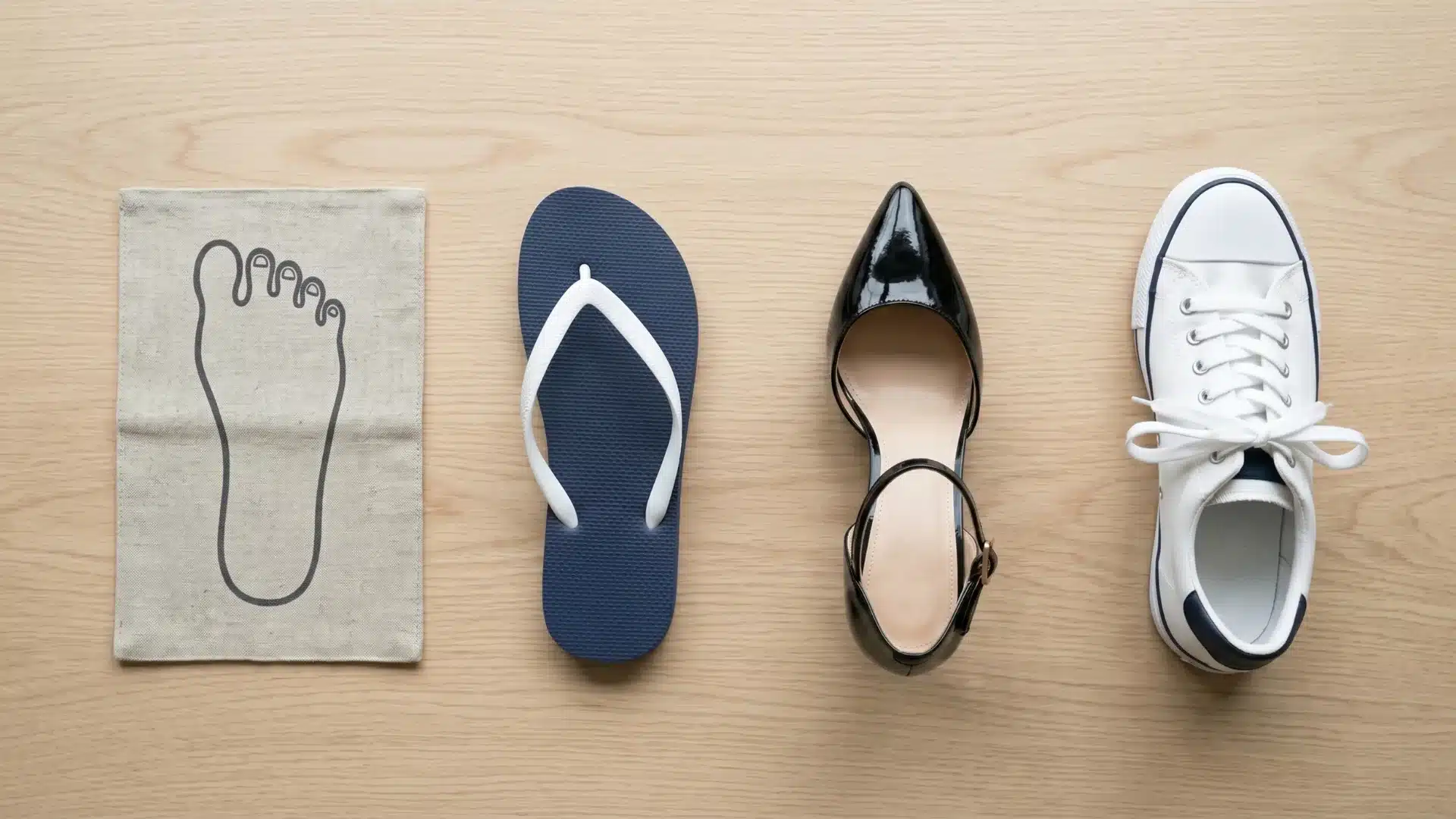
What you wear on your feet can affect how safely you control the vehicle.
Barefoot driving may sound unsafe, but in some cases, it can be less risky than driving in shoes that slip off, catch under the pedals, or limit your control.
- Flip-flops are often more dangerous than bare feet because they can slide off, fold under your foot, or get trapped under a pedal. This can delay your reaction time in an emergency.
- High heels can also create problems because they change the angle of your foot and reduce steady pedal control. They may make it harder to brake firmly or move smoothly between pedals.
- Closed-toe flat shoes are usually the safest option. They provide better grip, protect your feet, and allow more consistent movement between the brake and accelerator.
Barefoot driving is legal, but legal does not always mean safest. Whether it is a good idea depends on the road conditions, your ability to control the vehicle, and whether your footwear creates a bigger risk.
How Can Barefoot Driving Affect an Accident Claim?
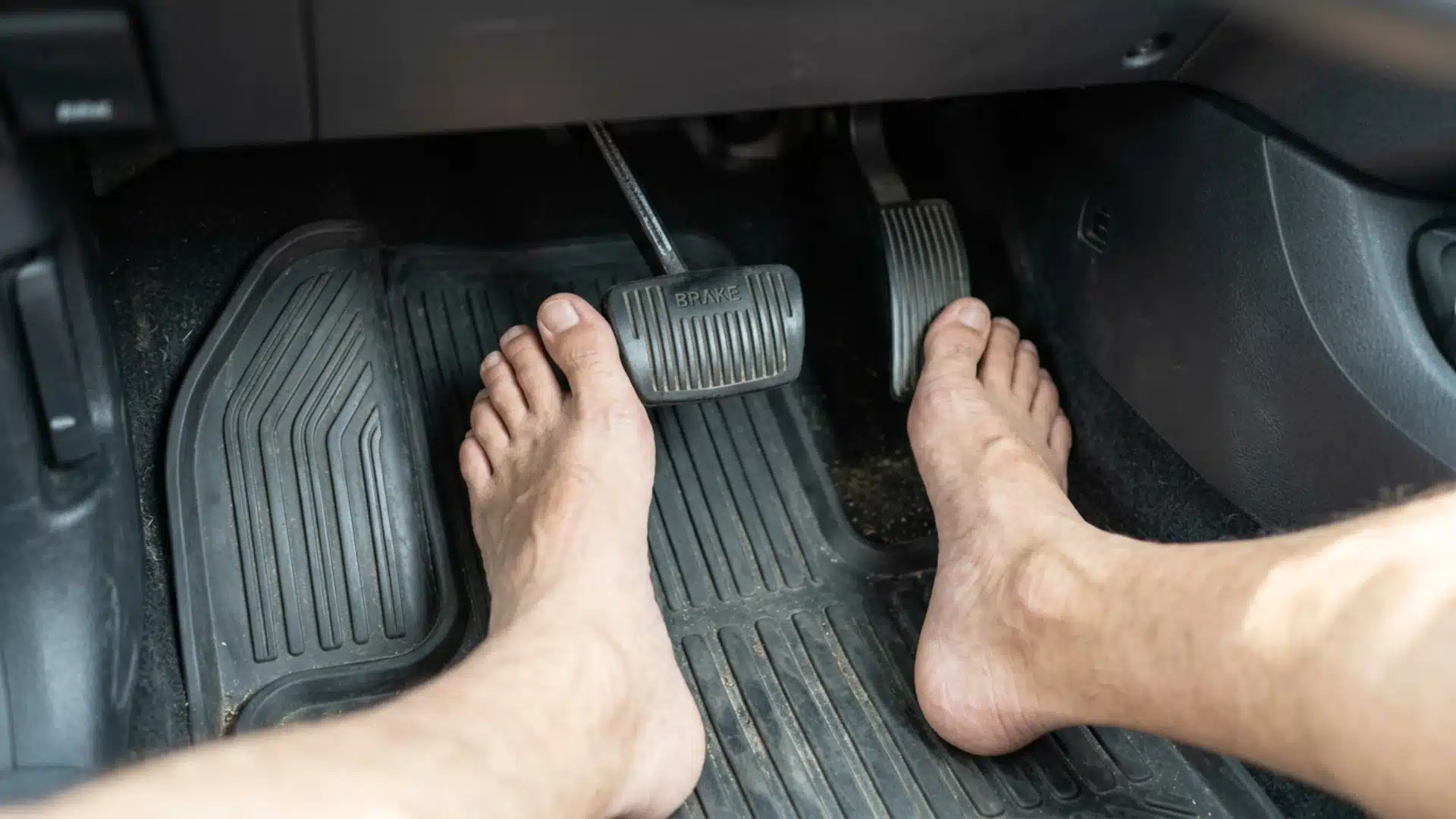
Barefoot driving is legal, but it can lead to financial issues after a crash.
Florida’s Modified Comparative Negligence Rule can also affect recovery after an accident. If an injured person is found more than 50% at fault, they generally cannot recover damages.
If an insurance company argues that driving barefoot contributed to the accident, your percentage of fault may increase.
Even a partial fault finding can significantly reduce a claim. For example, a $100,000 claim would be reduced to $80,000 if you were found 20% at fault. If your fault exceeds 50%, you may recover nothing.
When evaluating the value of a car accident settlement, the fault percentage is one of the most important factors. That is why barefoot driving can matter long after the accident occurs.
There is also the injury factor. Bare feet provide little protection during a collision. Glass, debris, and impact forces can cause injuries that shoes might have minimized.
Insurance companies may argue that those injuries were avoidable and use that argument to reduce compensation.
Driving barefoot can contribute to a crash or increase your injuries; it can affect both liability and the amount you recover.
Safety Risks to Know Before Driving Barefoot
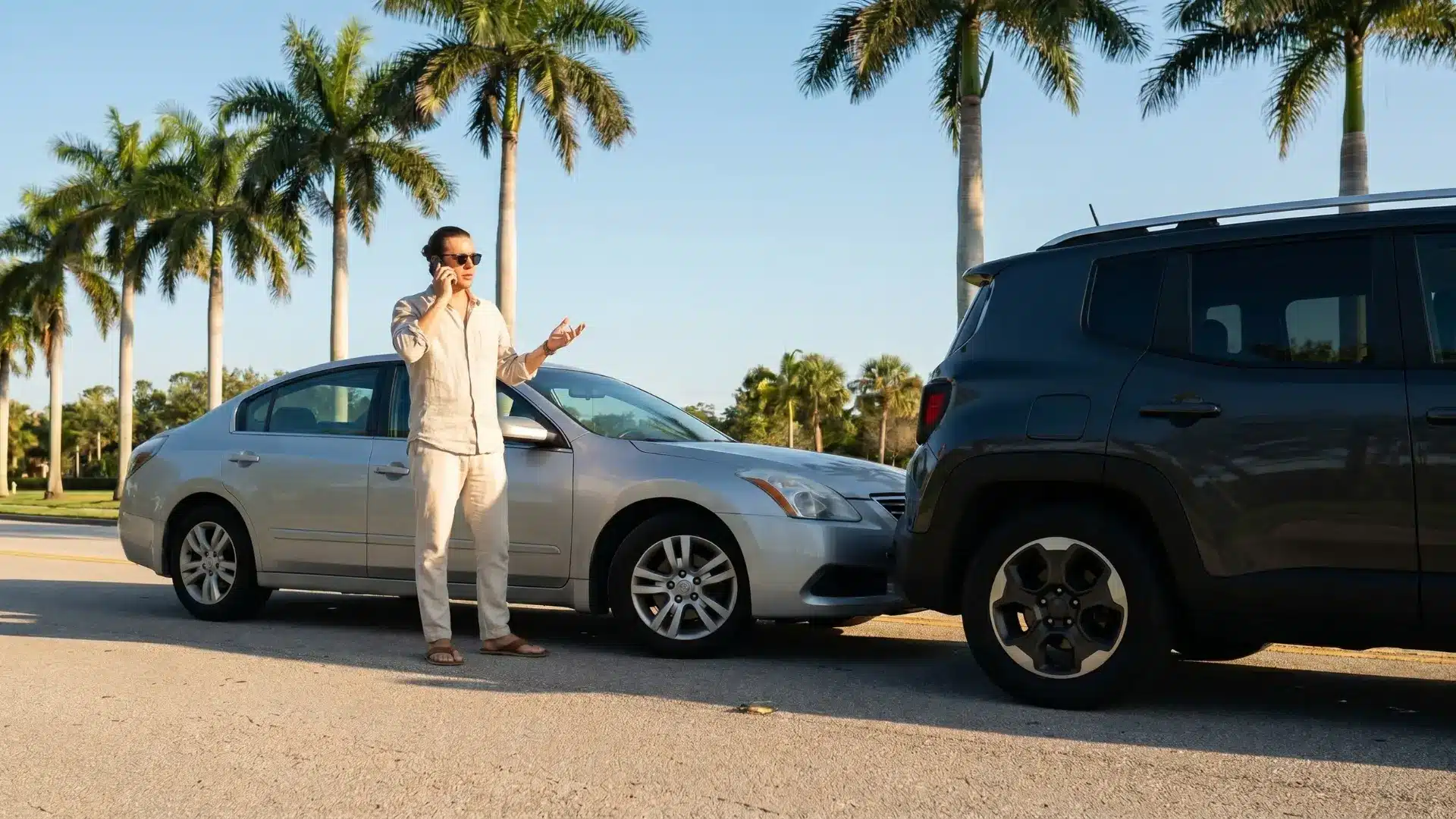
Barefoot driving is not automatically dangerous. Some drivers feel they have better pedal control without shoes, and that may be true in certain conditions.
The problem is that Florida’s heat, humidity, rain, and beach traffic can make barefoot driving riskier than it seems.
The main risks include:
- Pedal Slip: Wet, sweaty, or sandy feet can slip off the brake or accelerator pedal during a sudden stop or evasive maneuver.
- Reduced Braking Force: Without the grip and support of a shoe, some drivers may not press the brake as firmly as needed in an emergency.
- Greater Injury Risk: Bare feet have no protection from broken glass, metal debris, pedal impact, or dashboard contact during a crash.
- Distraction from Discomfort: Hot pedals, rough floorboards, or debris inside the vehicle can distract a driver at the wrong moment.
None of these factors automatically makes barefoot driving reckless. But after a crash, an officer, insurance adjuster, or jury may consider whether driving barefoot affected your control of the vehicle or made your injuries worse.
What to Do If You Were in an Accident While Driving Barefoot?
If you were in a crash while driving barefoot, do not assume you are automatically at fault. Barefoot driving is legal, and the full picture of the accident still matters.
Here are the steps to take:
- Do Not Volunteer Information About Your Footwear. You are not required to explain that you were barefoot, and unnecessary statements can be used against you later.
- Document the Scene. Take photos of the vehicles, road conditions, weather, debris, skid marks, and anything else that may explain how the crash happened.
- Get Witness Information. Independent witnesses can help show whether another driver, road hazard, or weather condition contributed to the accident.
- Seek Medical Care Promptly. Foot, ankle, and lower-leg injuries should be documented early. Delayed treatment can weaken an injury claim.
- Speak with an Attorney Before the Insurance Company. Adjusters may ask questions designed to shift fault or reduce compensation.
- Do Not Assume You Have No Claim. Being barefoot does not automatically make you responsible. The other driver’s actions, road conditions, and evidence all matter.
The key takeaway is simple: barefoot driving may become a factor after a crash, but it is only one part of the larger legal and insurance analysis.
Conclusion
A lot of driving myths stick around because they sound believable, and barefoot driving is one of them.
In Florida, the law does not ban driving without shoes, so bare feet alone should not be a reason for a ticket.
Still, smart driving is not only about what is legal. It is about staying steady, comfortable, and in control when the road changes fast.
Shoes that slip, sandals that catch, or wet bare feet can all make driving harder than expected. Knowing the rule gives peace of mind, but using good judgment keeps the trip safer.
Has anyone ever warned you that barefoot driving was illegal? Share your experience in the comments below and let other drivers know what you have heard.
Frequently Asked Questions
Can a Driving Test Be Taken Barefoot?
There does not appear to be a general rule banning barefoot driving during a road test. However, test examiners may expect safe control of the pedals at all times. Wearing secure, flat shoes is the better choice because it avoids distraction and shows responsible driving habits.
Should Shoes Be Kept in the Car While Driving Barefoot?
Yes, keeping a secure pair of shoes in the car is smart. If the vehicle breaks down, a tire needs changing, or there is an emergency, shoes can protect feet from hot pavement, glass, rocks, and roadside debris.
Can Rental Car Companies Ban Barefoot Driving?
A rental company may set its own safety expectations in the rental agreement, even if the law does not ban barefoot driving. Drivers should check the rental terms and avoid anything that could be argued as careless use of the vehicle.