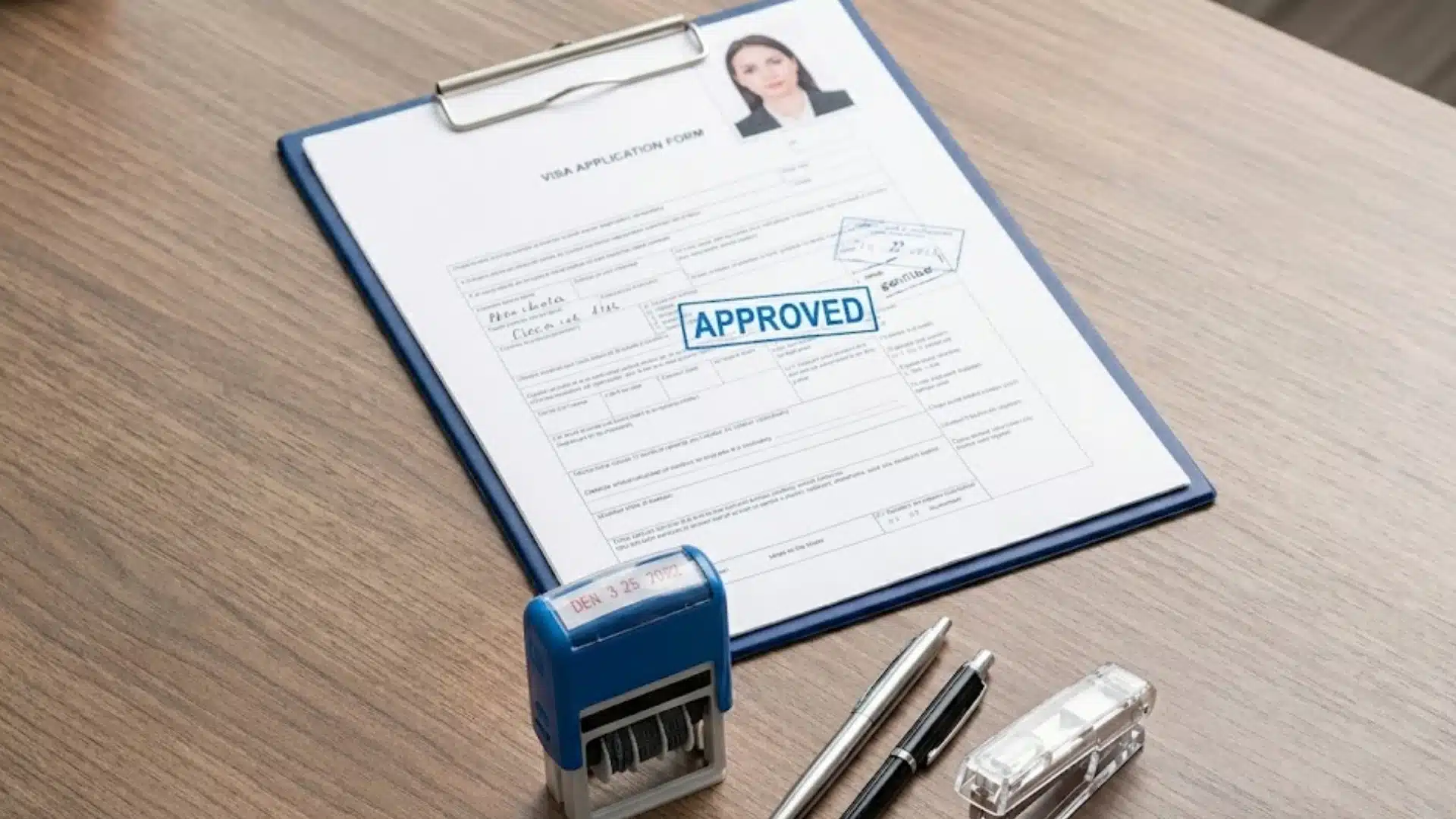
Some journeys begin with a job offer. Others begin with a quiet thought: maybe your work has already crossed borders.
That is where the EB1 path starts to feel both exciting and overwhelming. You may have awards, publications, leadership roles, major projects, or years of recognition, yet still wonder whether they are enough.
The truth is, EB1 visa requirements can feel confusing because they ask you to prove something deeply personal: that your talent, impact, or achievements stand out.
In this blog, I will break down the eb1 visa requirements in a simple way, so you know who can qualify and what proof matters.
You will learn about the three main EB-1 categories: extraordinary ability, outstanding professors and researchers, and multinational executives or managers.
What is an EB-1 Visa?
An EB-1 visa is an employment-based immigrant visa designed for individuals who have achieved a high level of success in their profession.
It is available to people with extraordinary ability, outstanding professors and researchers, and certain multinational executives and managers.
Unlike many other employment-based categories, the EB-1 visa is intended for applicants who can show strong accomplishments and recognition in their field.
One of the biggest benefits of this category is that it provides a direct path to permanent residency in the United States.
Successful applicants can eventually receive a green card and live and work in the country permanently.
Another advantage is that EB-1 petitions often move faster than many other employment-based visa options because they are placed in a higher preference category.
If you are still figuring out whether a green card or a visa better fits your situation, this breakdown of green card vs visa differences is worth reading first.
Understanding the Three EB-1 Visa Categories

The EB-1 visa has three main categories. Each one is made for a different type of skilled applicant with strong achievements.
1. EB-1A
The EB-1A category is for people who have reached the top level in fields like science, arts, education, business, or sports.
Applicants must show strong proof of national or international recognition. This may include awards, media coverage, published work, judging experience, or major contributions to the field.
A big benefit of EB-1A is that applicants can self-petition. This means they do not need a U.S. employer to sponsor them.
2. EB-1B
The EB-1B category is for professors and researchers who have strong academic or research achievements.
Applicants must show international recognition in their field. They also need at least three years of teaching or research experience. Unlike EB-1A, this category requires employer sponsorship.
A U.S. university, research institution, or qualifying private employer must offer a permanent research or teaching role.
3. EB-1C
The EB-1C category is for executives and managers who are transferring to the United States through a multinational company.
The applicant must have worked for a related foreign company for at least one year within the required time period.
The U.S. company must have a qualifying relationship with the foreign company, such as a parent, branch, subsidiary, or affiliate.
This category is mainly used by companies moving senior leaders into U.S. operations.
EB1 Visa Requirements and Documents Needed
Strong supporting documents help demonstrate achievements, recognition, and career impact. The exact evidence depends on the EB-1 category being pursued.
- Awards and Honors: National or international awards can show excellence and recognition from respected organizations within a professional field.
- Published Material: Newspaper articles, interviews, and media coverage discussing achievements can help establish public recognition and influence.
- High Salary Evidence: Salary records and compensation documents can demonstrate earnings significantly higher than those of others in similar roles.
- Original Contributions: Innovations, patents, research findings, or projects that influenced a field may support extraordinary ability claims.
- Research Publications: Published academic or professional work can show expertise and meaningful contributions to industry knowledge.
- Citations: Citation records help prove that other professionals reference and rely on an applicant’s research or work.
- Academic Awards: Scholarships, fellowships, and academic honors can strengthen evidence of achievement and professional distinction.
- Professional Recognition: Memberships, leadership positions, and industry acknowledgments can demonstrate respect from peers and organizations.
- Business Records: Financial reports, company documents, and operational records can support executive or managerial qualification claims.
How to Apply for an EB-1 Visa: Step-by-Step Process

The EB-1 application process involves several stages, from preparing evidence to receiving permanent residency. Understanding each step can help applicants avoid delays.
1. File Form I-140
The process begins with filing Form I-140, Immigrant Petition for Alien Worker, with USCIS. This form establishes eligibility under the chosen EB-1 category.
EB-1A applicants may file on their own, while EB-1B and EB-1C applicants generally need an employer to submit the petition.
It is important to provide accurate information and include all required supporting documents at the time of filing to avoid requests for additional evidence.
2. Gather Supporting Evidence
A strong application depends on quality documentation. Applicants should collect evidence that supports their achievements, qualifications, and eligibility.
This may include awards, publications, salary records, recommendation letters, research citations, employment records, or business documents.
The evidence should clearly demonstrate why the applicant meets the standards of the selected EB-1 category. Organizing documents properly can also make the review process easier for USCIS officers.
3. Wait for USCIS Adjudication
After submission, USCIS reviews the petition and supporting evidence. During this stage, officers evaluate whether the applicant meets all eligibility requirements.
In some cases, USCIS may issue a Request for Evidence if additional documentation is needed.
Applicants who want a faster decision may choose premium processing, which currently offers a response within 15 business days for eligible petitions.
Standard processing times vary depending on workload and case complexity.
4. Complete Consular Processing or Adjustment of Status
Once the I-140 petition is approved, the next step depends on the applicant’s location. Those living outside the United States usually complete consular processing through a U.S. embassy or consulate.
Applicants already in the country may file for adjustment of status to become permanent residents without leaving the United States.
Both paths require additional forms, background checks, and supporting documents before final approval.
5. Receive a Green Card
After all immigration requirements are completed and the final application is approved, the applicant receives lawful permanent resident status.
This grants the ability to live and work permanently in the United States. Processing timelines vary based on the category, country of chargeability, and government workload.
In many cases, the overall EB-1 process can take approximately 6 to 19 months, though individual timelines may differ.
How Does USCIS Evaluate EB-1 Applications?
USCIS uses a two-step review process for EB-1 petitions, and understanding both steps helps you build a stronger case from the start.
Step one is a criteria check. Officers confirm whether the applicant has submitted enough evidence to satisfy the minimum number of criteria for the chosen category.
Step two is the final merits determination. Even if the minimum criteria are met, USCIS still evaluates the full record to decide whether the totality of evidence shows that the applicant is among the small percentage who have risen to the top of their field.
Meeting the criteria count is necessary, but it is not sufficient on its own.
Across both steps, consistency matters. Recommendation letters, salary records, employment history, and publications should all tell the same story about the applicant’s career.
Contradictions between documents are a common trigger for RFEs and denials.
Common Reasons EB-1 Petitions Get Denied
Many EB-1 petitions are denied not because applicants lack achievements, but because the evidence does not clearly meet USCIS standards.
- Weak Evidence: Documents may not strongly demonstrate extraordinary ability, outstanding achievements, or executive-level qualifications.
- Insufficient Documentation: Missing records, incomplete submissions, or limited supporting materials can make it difficult to verify claims.
- Lack of Sustained Recognition: USCIS looks for ongoing recognition rather than a single achievement or short-term success.
- Filing Under the Wrong Category: Applying through an EB-1 category that does not match qualifications can weaken the petition.
- Inconsistent Information: Differences between recommendation letters, employment records, and supporting documents may raise concerns during review.
Tips for Building a Strong EB-1 Case
A well-prepared petition can make it easier for USCIS to understand achievements, verify qualifications, and evaluate eligibility under the correct category.
- Organize Evidence Clearly: Group documents by achievement type so officers can quickly review and understand supporting evidence.
- Show Measurable Impact: Use numbers, results, citations, revenue figures, or industry influence to demonstrate professional contributions.
- Include Expert Recommendation Letters: Obtain letters from respected professionals who can explain achievements and their significance.
- Create a Clear Achievement Timeline: Present accomplishments in chronological order to show continued growth and recognition.
- Focus on Strongest Evidence: Prioritize documents that directly support eligibility instead of submitting excessive unrelated materials.
- Maintain Consistency Across Records: Ensure letters, resumes, publications, and employment documents support the same professional narrative.
Conclusion
An EB-1 visa can be a strong path for people with major achievements, respected research work, or senior leadership experience.
The right category matters because EB-1A, EB-1B, and EB-1C each have different rules, evidence needs, and filing requirements.
A strong case should show clear recognition, real impact, and consistent documents that support the applicant’s background.
When reviewing eb1 visa requirements, applicants should focus on more than just collecting papers. The evidence should tell a clear story about their work, achievements, and value in their field.
Frequently Asked Questions
Can Family Members Apply with the EB-1 Applicant?
Yes. A spouse and unmarried children under 21 may usually apply as dependents. They can seek green cards along with the main applicant.
Does an EB-1 Applicant Need a Labor Certification?
No. EB-1 petitions do not require PERM labor certification. This can make the process simpler than many other employment-based green card categories.
Can an EB-1 Petition Be Filed After a Previous Denial?
Yes. A new petition can be filed if the earlier case was denied. The new filing should fix weak areas and include stronger evidence.