
July 24, 2026
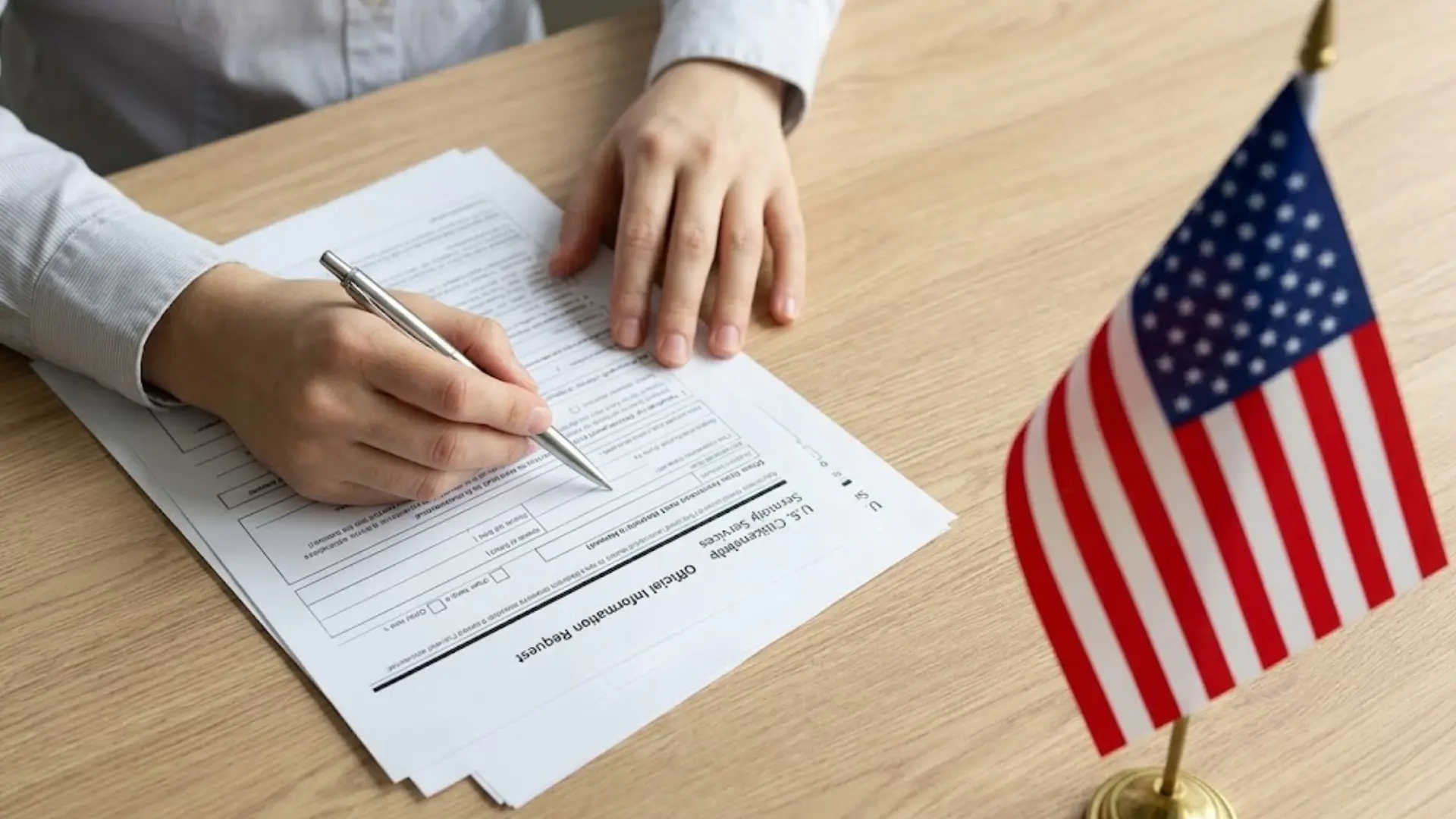
Thinking about building a future in the United States can feel exciting, but also overwhelming when every form, rule, and qualification seems to carry real weight. Many talented professionals reach a quiet moment of doubt: Am I truly eligible, and what proof will help my case stand out? That is where understanding the EB-2 visa requirements becomes more than just paperwork. It becomes a first step toward clarity, confidence, and a plan that feels possible. In this blog, I will also cover the EB-2 NIW option, which may help some applicants apply without a regular job offer. By the end, you should have a clear idea of what this visa needs and how the process works. What is an EB-2 Visa? The EB-2 visa is an employment-based immigrant visa category that allows qualified foreign professionals to obtain permanent residency in the United States. It falls under the employment-based second preference category and is designed for individuals with advanced degrees or exceptional ability in fields such as science, business, or the arts. The goal of this visa is to help the United States attract skilled workers whose knowledge and experience can contribute to the country’s economy and workforce needs. Compared to other employment-based visas, the EB-2 category generally has higher qualification standards than the EB-3 visa, which is available to skilled workers and professionals with lower educational requirements. While the EB-1 visa is reserved for individuals with extraordinary achievements, the EB-2 visa serves professionals who have strong academic backgrounds or specialized expertise but may not meet the stricter EB-1 standards. There are three formal subcategories within EB-2: EB-2A for professionals with an advanced degree or its equivalent EB-2B for individuals with exceptional ability in science, arts, or business EB-2C (NIW) for applicants whose work is in the national interest of the […]
Some journeys begin with a job offer. Others begin with a quiet thought: maybe your work has already crossed borders.
Law can come from written rules passed by the government or from court decisions made over time. That is where
Most drivers don’t realize they may have already agreed to chemical testing long before a traffic stop ever happens. Under

One moment, everything seems normal. The next, a phone call, a knock at the door, or a notice from law enforcement changes everything. Few situations leave parents feeling more overwhelmed than learning their child is involved in the juvenile justice system. Questions come fast, answers are hard to find, and every decision suddenly feels critical. What makes the situation even more challenging is that juvenile court operates differently from the adult criminal system. The rules, procedures, and potential outcomes are often unfamiliar, leaving families uncertain about what happens next or how to protect their child’s future. Understanding the process early can make a significant difference in how a case unfolds and the options available moving forward. In this blog, I’ll explain juvenile lawyers, court procedures, common charges, adult transfers, legal rights, and defense strategies. What Does a Juvenile Lawyer Do? A juvenile lawyer is a criminal defense attorney who handles cases involving minors. They understand how juvenile court works, including its rules, terms, hearings, and possible outcomes. Their job is to review police reports, witness statements, and evidence to find weak points in the case. They also protect the child’s rights if there are issues like an unlawful search, improper questioning, or unfair treatment. A juvenile lawyer can represent a minor during detention hearings, adjudicatory hearings, and sentencing. They may also negotiate for better outcomes, such as diversion, informal adjustment, reduced charges, or plea deals that limit damage to the child’s record. If the case could move to adult court, they work early to prevent that. They also guide families through each step so the process feels less confusing. How Does the Juvenile Court System Work? The juvenile justice system focuses on rehabilitation rather than punishment. Courts consider factors such as home environment, mental health, school performance, and potential for […]

A missed meeting, a failed test, an unpaid fee, or a new charge can turn probation into a serious court problem fast. It can leave you scared, unsure, and worried about what may happen next. The fear often comes from not knowing whether the judge will give another chance or order jail time. That pressure can make every step feel urgent. A probation violation lawyer can help you understand the issue, protect your side, and prepare before the hearing. Today, I’ll cover what may count as a probation violation, what usually happens after a violation is reported, what the court may look at, and when legal help may matter most. You will also get a clearer idea of what to do before speaking in court or making the situation worse. What Counts as a Probation Violation in Colorado? A probation violation happens when a person does not follow one or more conditions ordered by the court. Some violations are more serious than others, but all can lead to a court hearing. Common examples include missing a scheduled meeting with a probation officer or failing a required drug or alcohol test. A new arrest or criminal charge while on probation can also create problems, even if the new case has not been resolved yet. Many people are required to attend treatment programs, counseling sessions, or educational classes. Missing these requirements may be treated as a violation. Financial obligations matter as well. Failing to pay court fines, fees, or restitution can raise concerns with the court. Another common issue is traveling outside an approved area without permission from the probation officer or judge. What is Informal Probation? Informal probation, also called unsupervised, administrative, or summary probation, is a less restrictive form typically given to low-risk individuals, such as first-time offenders or those […]