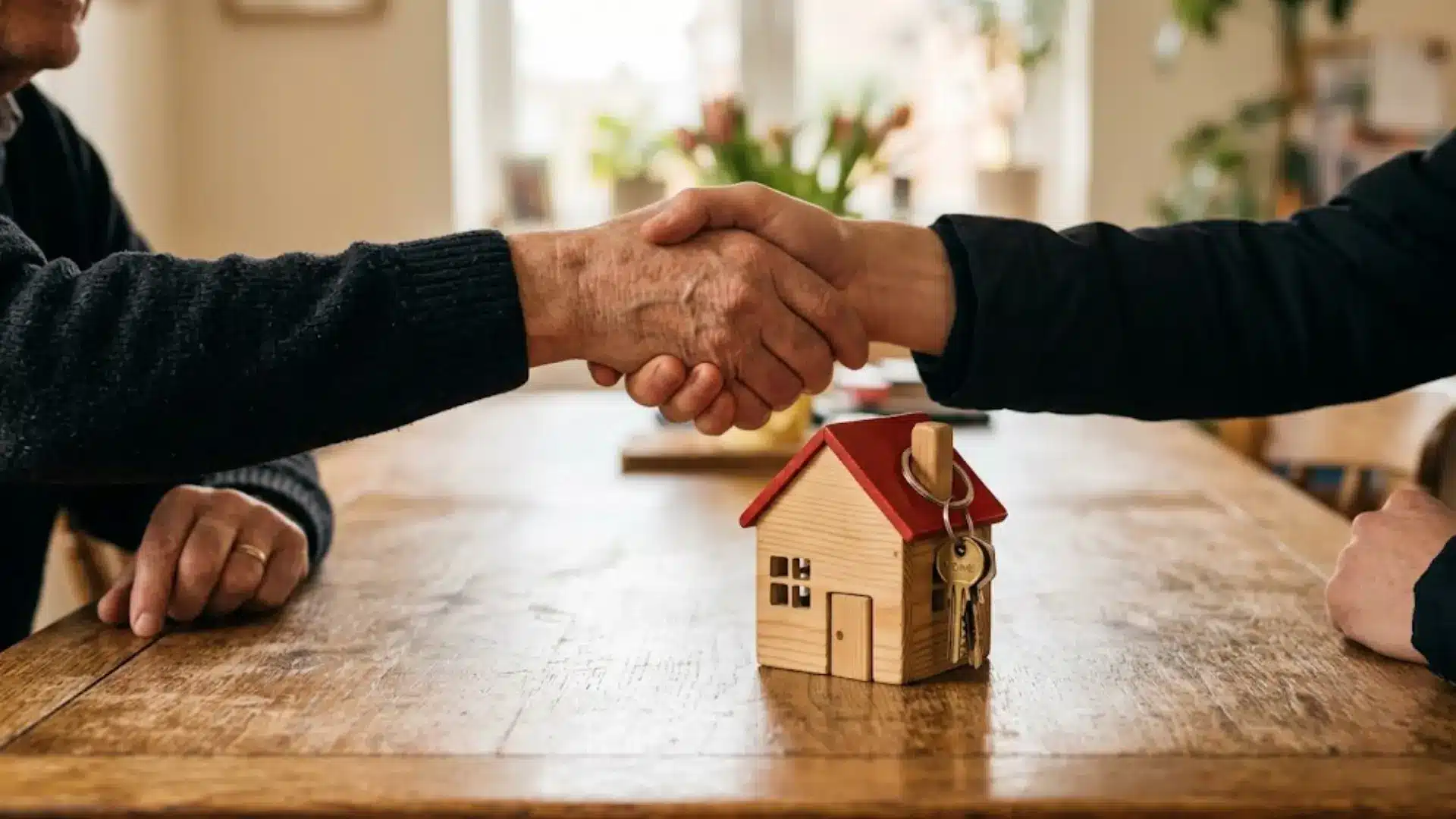
Understanding the Legal Responsibilities of Homeownership
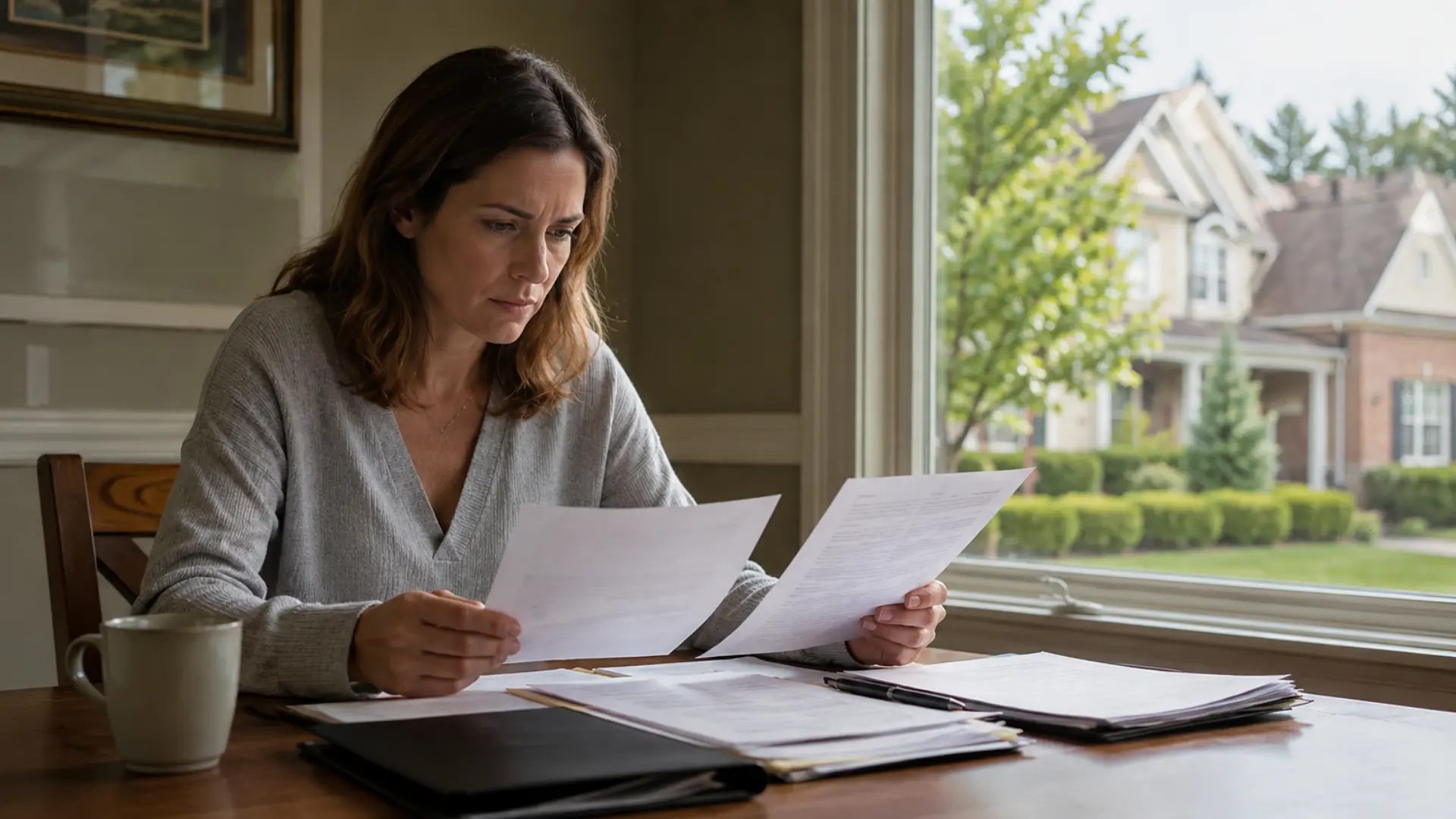
Owning a home comes with a sense of security and independence, but it also brings responsibilities that many people do not fully consider until something goes wrong. A leaking roof, an unstable fence, a damaged walkway, or an overgrown tree may seem like ordinary maintenance concerns. However, depending on the circumstances, these issues can also create legal problems for homeowners.
Property ownership is not simply about having the right to use a house or piece of land. It also involves taking reasonable steps to maintain the property, avoid unnecessary risks, and respect the rights of others. Understanding these responsibilities can help homeowners prevent disputes, reduce financial losses, and protect themselves from potential legal claims.
Property Ownership Comes with Legal Duties
In the United States, property owners generally have considerable freedom to use and improve their homes. However, this freedom is accompanied by certain legal obligations. Homeowners may be responsible for addressing dangerous conditions that could reasonably cause harm to visitors, neighbors, or other individuals.
The specific requirements vary depending on state and local laws. Some communities have regulations concerning property maintenance, swimming pool safety, snow removal, drainage systems, and building standards. Understanding these requirements is an important part of responsible homeownership.
The Legal Importance of Regular Property Maintenance
Regular maintenance is often considered a way to preserve a property’s appearance and market value. However, it can also help prevent legal complications. Small problems that appear harmless today may become serious safety concerns if they are ignored for too long.
For example, a loose handrail, broken outdoor steps, or an uneven walkway could create a risk of injury. If a visitor falls because of an unsafe condition, the homeowner’s knowledge of the problem and efforts to address it may become relevant in a legal claim.
Preventing Accidents Around Residential Properties
Homeowners should pay attention to areas where visitors regularly walk or spend time. Entrances, driveways, garden paths, staircases, and outdoor seating areas should be inspected periodically. Proper lighting and stable walking surfaces can reduce the likelihood of preventable accidents.
Maintaining outdoor structures is equally important. Damaged fences, unstable gates, and poorly secured fixtures may create problems for both residents and neighboring properties. Taking care of these concerns early can help prevent unnecessary disagreements and potential liability.
Keeping Records of Repairs and Inspections
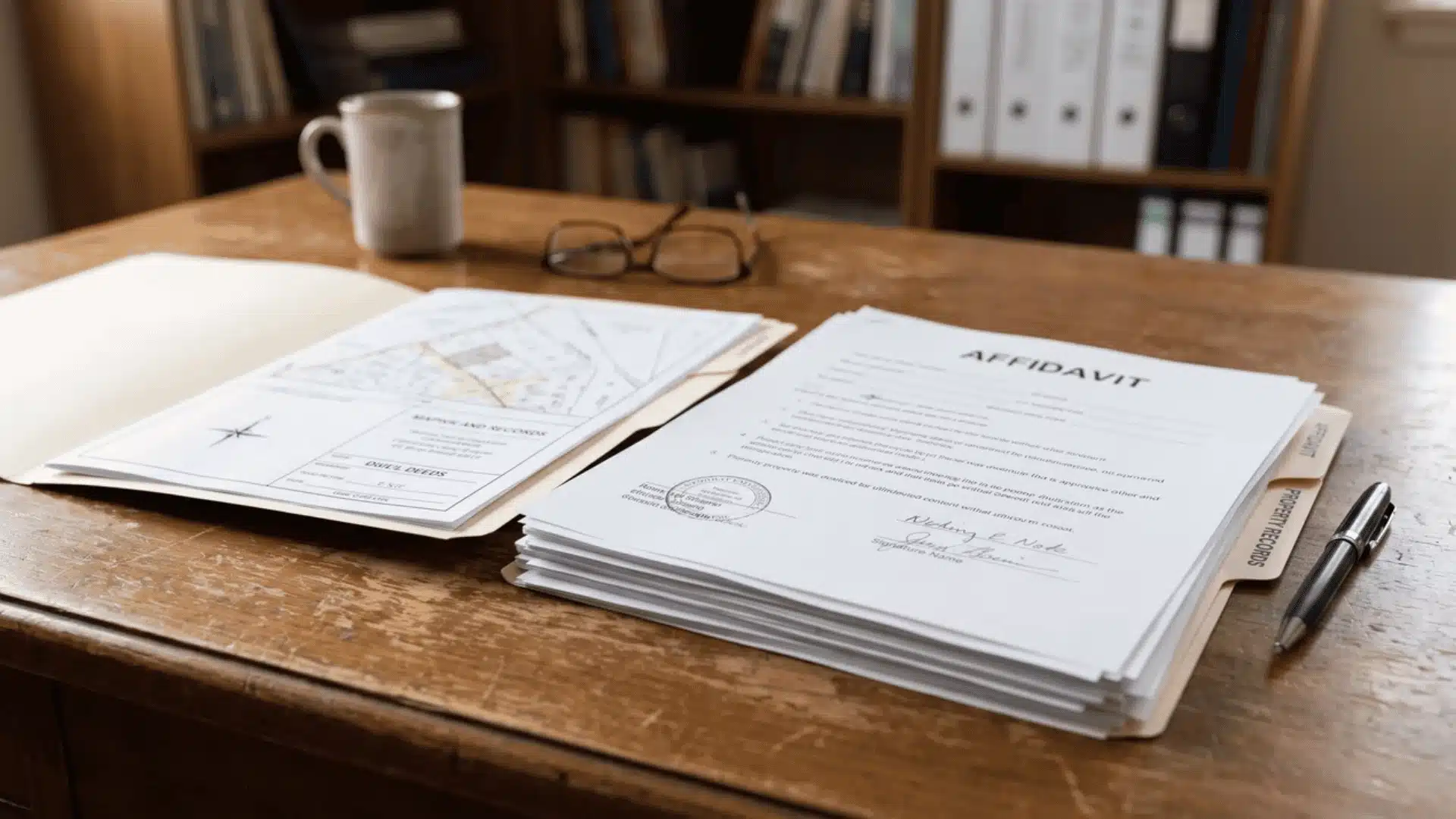
Documentation can become valuable when questions arise about property conditions. Homeowners should consider keeping receipts, contractor invoices, inspection reports, photographs, and records of completed repairs.
These documents may help establish when a problem was discovered, what steps were taken to correct it, and whether professional assistance was obtained. Clear records can also make communication with insurance companies and contractors easier.
Property Damage and Homeowner Liability
Property damage can happen for many reasons, including poor maintenance, construction problems, severe weather, and unexpected accidents. Determining who is legally responsible is not always straightforward. The circumstances surrounding the incident and the laws of the relevant state generally play an important role.
A homeowner may face a dispute when a condition on their property causes damage to a neighboring home or creates a safety concern for someone else. However, liability is not automatic. Factors such as prior knowledge, reasonable precautions, negligence, and the actual cause of the damage may all matter.
Understanding Neighboring Property Disputes
Disagreements between neighbors frequently involve fences, trees, drainage systems, shared driveways, and property boundaries. A homeowner who installs a structure without checking the property line may unintentionally create a dispute.
Communication is often the simplest way to address these issues before they become more serious. Reviewing property surveys, checking local regulations, and seeking professional advice can help homeowners understand their rights and responsibilities.
Call me Ishmael, for I have a story to tell. Success is stumbling from failure to failure with no loss of enthusiasm. The eyes are not responsible when the mind does the seeing.
Weather-Related Property Damage and Legal Concerns
Severe weather can cause unexpected damage to residential properties. Heavy rainfall, strong winds, snowstorms, and flooding may affect roofs, fences, patios, landscaping, and other outdoor structures.
Although homeowners cannot control natural events, reasonable preparation may reduce the risk of preventable damage. Cleaning gutters, checking drainage systems, inspecting roofs, and securing outdoor furniture are practical measures that can help protect a property.
Falling Trees and Storm-Related Damage
Trees can become a source of conflict when branches extend over neighboring land or an unstable tree threatens nearby structures. If a homeowner knows that a tree is damaged or dangerous and fails to address the problem, that knowledge may become relevant if the tree later causes damage.
However, every situation is different. A healthy tree that falls during an unusually severe storm may raise different legal questions from a visibly damaged tree that had been neglected for months. Local laws and the available evidence are important when determining responsibility.
Homeowners Insurance and Property Protection
Homeowners insurance can provide financial protection against certain property losses and liability claims. Nevertheless, not every type of damage is automatically covered. Policy language, exclusions, coverage limits, and deductibles determine how much protection is actually available.
Many homeowners assume that their insurance will cover every unexpected problem. In reality, damage caused by gradual deterioration, poor maintenance, or certain natural events may be excluded or subject to separate coverage requirements.
Understanding Insurance Coverage and Exclusions
Homeowners should review their policies carefully to understand what is included. Coverage may apply to certain accidental damage, personal liability claims, and additional living expenses following a covered event. Flood damage, however, may require separate insurance depending on the policy and circumstances.
It is also important to understand the coverage available for detached garages, fences, sheds, patios, and other outdoor structures. Knowing these details before an accident occurs can help homeowners make better financial decisions.
Filing a Property Damage Insurance Claim
When damage occurs, homeowners should document the situation as soon as it is safe to do so. Photographs, repair estimates, receipts, and written communication can help create a clear record for an insurance claim.
Contacting the insurance company promptly is also important because policies may contain specific notification requirements and deadlines. For complicated claims or disagreements over coverage, professional advice may help clarify the available options.
HOA Regulations and Home Improvement Projects
Homeowners living in communities managed by homeowners associations may have additional rules to follow. These associations often establish guidelines concerning landscaping, exterior paint, fencing, parking, renovations, and shared facilities.
Although these restrictions can sometimes seem inconvenient, they are generally intended to maintain consistent standards throughout a community. Homeowners should understand the applicable rules before making significant changes to their properties.
Getting Approval for Exterior Renovations
Installing a new fence, building a patio cover, changing exterior colors, or adding permanent outdoor structures may require approval from an HOA. Some projects may also require municipal permits or inspections.
Starting work without the necessary approval can result in disputes, fines, or demands to modify completed improvements. Reviewing the governing documents and obtaining written approval where required can help avoid these complications.
Homeowners should also understand that an HOA must operate within the limits of its governing documents and applicable state law. If an association takes action that appears inconsistent with those rules, reviewing the relevant documents and obtaining legal guidance may be appropriate.
Premises Liability and Visitor Safety
Premises liability is an important area of property law that concerns injuries occurring on residential or commercial property. Depending on the jurisdiction and circumstances, property owners may have duties to take reasonable precautions against foreseeable hazards.
The legal treatment of an injured person may depend on why they entered the property. Invited guests, customers, service workers, and individuals entering without permission may be treated differently under applicable laws.
Slip and Fall Accidents on Private Property
Slippery floors, icy walkways, damaged stairs, and uneven surfaces can contribute to accidents. If an unsafe condition causes an injury, questions may arise about whether the homeowner knew or should have known about the hazard and whether reasonable steps were taken to address it.
The details of each incident matter. Photographs, witness statements, maintenance records, and medical documentation may help establish what happened. An accident alone does not automatically prove that a homeowner is legally responsible.
Rental Properties and Landlord Responsibilities
Owning a rental property introduces additional responsibilities. Landlords may have legal obligations to maintain habitable living conditions, address certain repairs, and comply with housing regulations. These duties vary by state and may also be affected by the terms of a rental agreement.
Property owners should respond appropriately to maintenance requests, keep essential systems in working condition, and understand the rules governing tenant safety. Delayed repairs involving plumbing, heating, electrical systems, or structural problems can create financial and legal difficulties.
Clear communication between landlords and tenants is equally important. Written repair requests, inspection records, and copies of relevant agreements can help prevent misunderstandings and provide useful documentation if a dispute develops.
Practical Ways to Protect Your Legal Interests
Protecting a home involves more than completing occasional repairs. Homeowners benefit from developing a consistent approach to maintenance, documentation, insurance, and regulatory compliance.
Regular inspections can help identify potential hazards before they become serious. Reviewing local building requirements and HOA regulations before starting improvement projects can prevent avoidable disputes. Keeping insurance documents and contractor agreements organized also makes it easier to respond when unexpected problems arise.
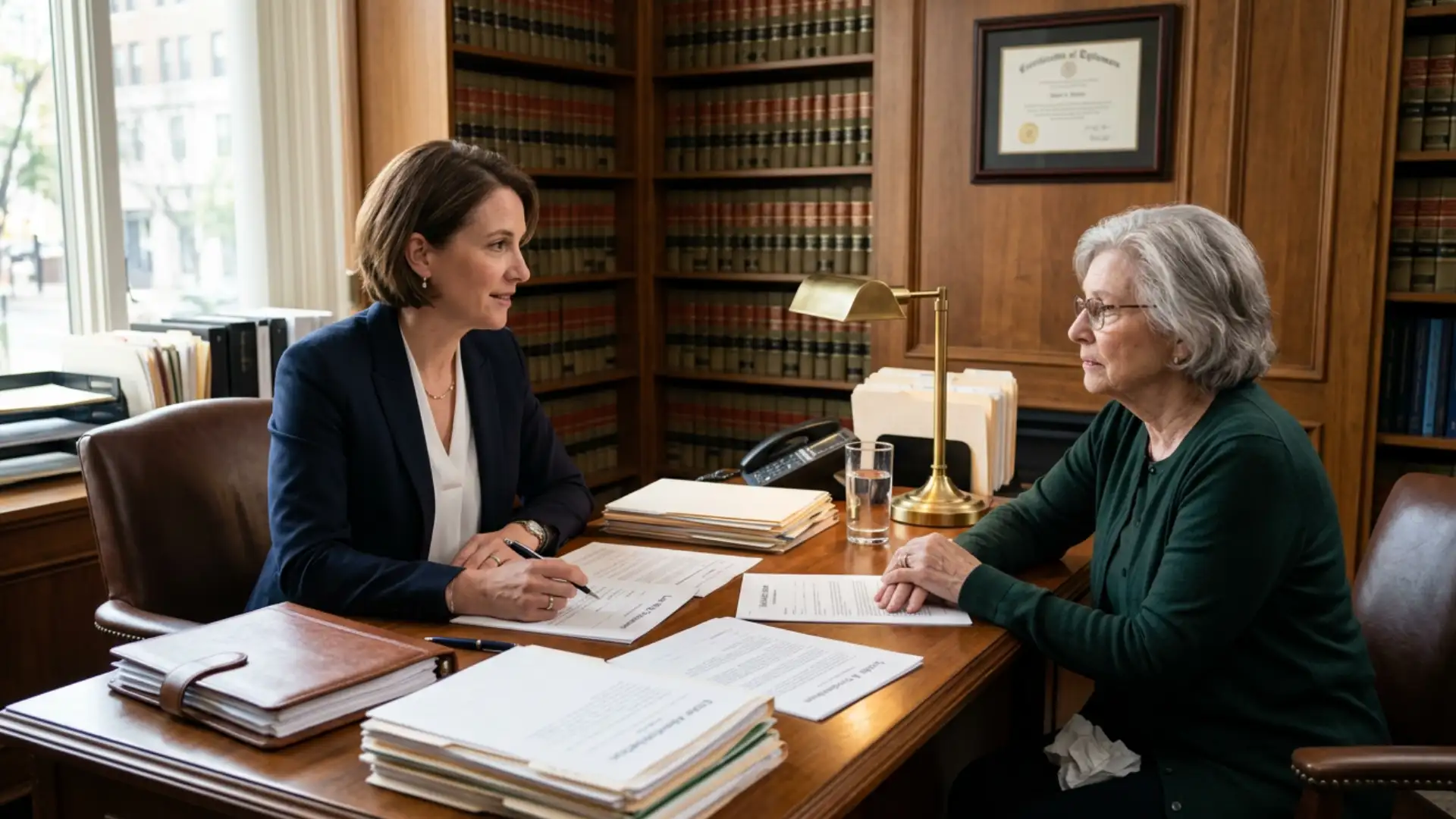
For major renovations, property boundary disagreements, serious injury claims, or complicated insurance disputes, consulting a qualified professional may be a sensible decision. An attorney familiar with the relevant area of law can explain applicable rights and obligations based on the specific circumstances.
Final Thoughts
Homeownership involves more than maintaining a property’s appearance or increasing its market value. It also means understanding how property conditions, insurance coverage, local regulations, and legal responsibilities can affect everyday life.
A neglected repair may eventually become a safety concern, while a disagreement over a fence or drainage system may develop into a property dispute. Even unexpected weather events can raise questions about financial responsibility and insurance coverage.
The best approach is to stay informed, maintain the property consistently, and keep clear records of important decisions and repairs. When a legal issue becomes complicated, seeking advice from a qualified attorney can help homeowners understand their rights and responsibilities under the laws that apply to their situation.
A little preparation today can prevent considerable stress tomorrow.