
Getting arrested for a felony changes a lot about your life, but does it close the door on international travel for good?
Many people assume the answer is yes and never even try to apply. The truth is more specific than that, and it depends on facts most people never check before giving up on the idea entirely.
So can you get a passport with a felony on your record? The short answer might surprise you, and knowing exactly what the State Department checks can save you from giving up on a trip before you even start the application.
Disclaimer: This article provides general information, not legal advice. Rules vary, so confirm your eligibility with official authorities or a qualified attorney.
Does a Felony Conviction Disqualify You From Getting a Passport?
According to the New Jersey Government, no, a felony on your record doesn’t stop you from getting a passport. What matters is your legal status right now, not what happened years ago.
I’ve seen people assume a felony is a permanent mark against them. It’s not.
The State Department looks at where you stand today. Are you still on probation? Do you owe back child support? Is there an open warrant with your name on it?
If none of that applies to you, your conviction alone won’t get your application denied.
Most people with a felony in their past go on to get a passport without any issue. The record stays on file. It just isn’t the thing that decides your outcome.
What Disqualifies a Felon From Getting a U.S. Passport?
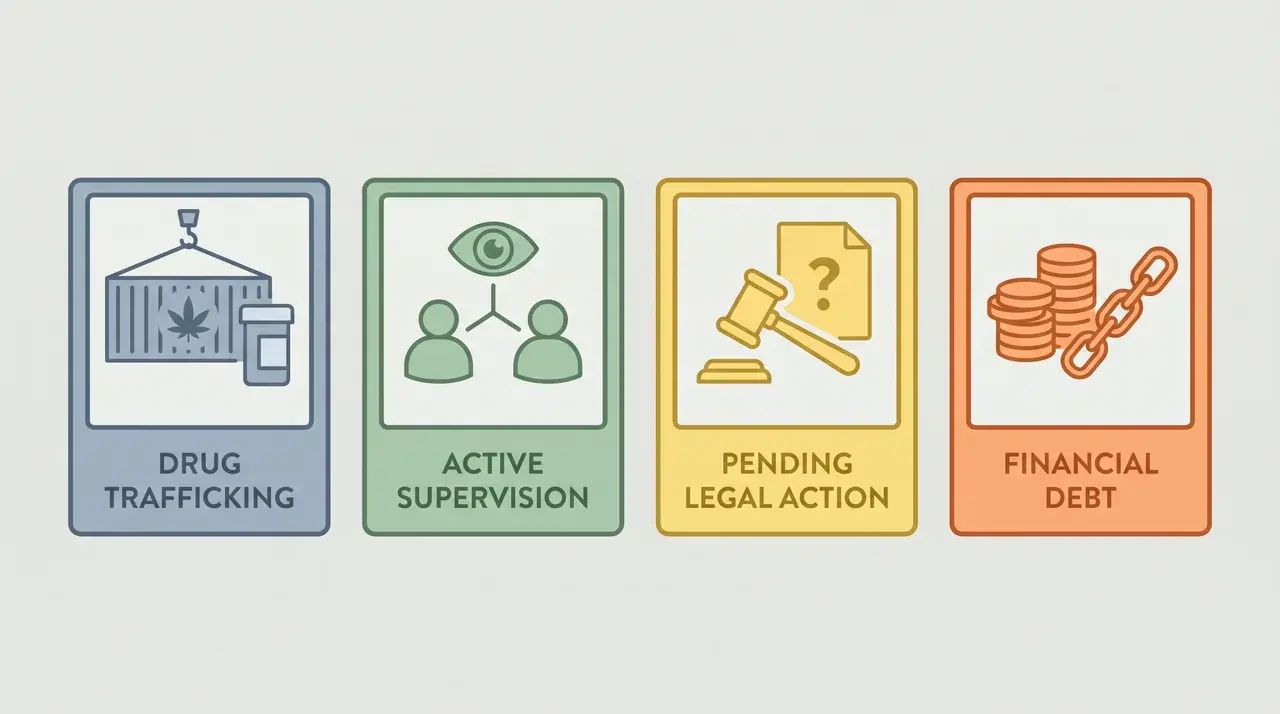
These blocks come from your current status, not from the felony itself. Some are hard stops. Others depend on numbers you can actually check.
1. International Drug Trafficking Convictions
Federal passport regulation for convicted drug traffickers blocks issuance only when the drug offense involved using a passport or crossing an international border to commit the crime.
A purely domestic drug felony, even a serious one, does not trigger this specific rule on its own.
The restriction applies while you remain incarcerated, on probation, or on parole for that conviction, and passport eligibility returns after supervision has officially ended completely.
2. Active Supervision: Incarceration, Probation, or Parole
Incarceration, probation, or parole can prevent international travel when your sentence, supervision terms, or release conditions restrict you from leaving the United States legally altogether.
Even short trips can count as leaving the state on probation without permission, which is a separate problem from the passport itself.
A separate court order can block passport issuance, even when supervision allows movement, and you must remove that restriction before applying for passport approval again.
3. Pending Legal Action or Outstanding Warrants
A pending criminal case, active arrest warrant, or extradition request can delay or prevent your passport application until the underlying legal issue is resolved fully.
The charge does not need to be serious.
Any unresolved legal matter can trigger review, delay approval, or stop the passport process completely for now.
4. Child Support and Federal Debt
Money problems can block you too, but only past a certain point. Owing more than $2,500 in past-due child support triggers an automatic denial once a state agency certifies the debt.
On the tax side, the bar is much higher: a seriously delinquent federal tax debt currently means an assessed, unpaid federal tax liability above $50,000, adjusted upward for inflation most years, with a lien filed or a levy already in motion.
The IRS certifies this debt to the State Department directly, and a passport application gets denied the same way a child support certification does.
Paying the debt down, entering a payment plan, or successfully disputing the lien reverses the certification.
5. Registered Sex Offenders and International Megan’s Law
This one works differently from the others. It doesn’t block the passport; it marks it.
Anyone required to register as a sex offender for an offense against a minor gets a unique identifier printed inside the passport, stating the conviction directly to any border agent who reads it.
Only a passport book carries this identifier. A passport card cannot, so covered individuals are limited to the book.
This is the one circumstance where a passport itself does carry information about a person’s criminal history, and it is worth knowing about even though it applies to a narrow group.
How to Confirm Your Own Passport Eligibility Status?
If you are on probation or parole, or recently completed either one, do not assume your travel rights returned automatically.
Start by checking whether a court or law enforcement agency still holds your passport. If it does, you will usually need to request its return yourself.
1. Gather the Required Documents
Your request generally needs two documents:
- A notarized letter requesting the return of your passport
- A signed authorization letter from your probation or parole officer confirming that you are permitted to travel
Without both documents, your request may not move forward.
2. Confirm That Travel is Actually Allowed
Getting your passport back does not always mean your travel restriction has ended.
Some conditions remain active after supervised probation or parole ends. This may happen when a case moves into unsupervised probation instead of closing completely.
Before making travel plans, ask your officer to confirm:
- Your supervision status has officially ended
- No travel restrictions remain active
- The specific trip is permitted under your terms
- Written approval is required before departure
3. Do Not Skip the Officer’s Approval
In my casework, the signed authorization letter is the step people miss most often.
Some clients recover their passport and assume they can travel immediately. They later discover that their officer never approved the trip itself.
My rule of thumb: Getting the passport back is only half the process. Your officer’s written approval is what confirms you can actually travel.
How to Apply for a Passport as a Felon?
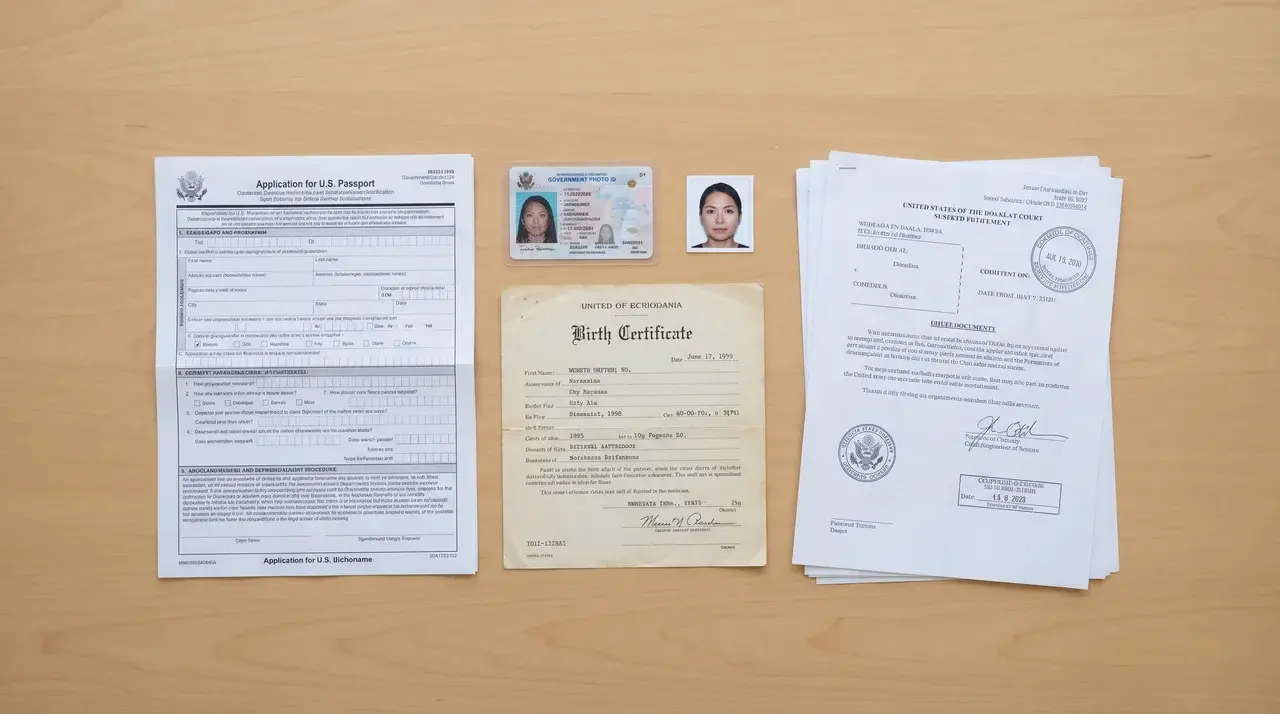
The application process is the same one everyone uses. You just add one extra layer of paperwork.
You’ll still need the standard documents:
- Proof of citizenship (birth certificate or naturalization certificate)
- A valid government-issued photo ID
- Your current or expired passport, if you’re renewing
- A passport photo that meets federal requirements
On top of that, bring your court discharge papers or proof that you’ve completed probation or parole. This is what confirms you’re clear to apply.
Which form you use depends on your history. First-time applicants file Form DS-11. If you’re renewing an existing passport, you’ll use Form DS-82 instead.
The submission method changes too. DS-11 has to be filed in person at an acceptance facility. DS-82 can be mailed in, which saves you a trip if you qualify for it.
What to Do Based on Your Situation?
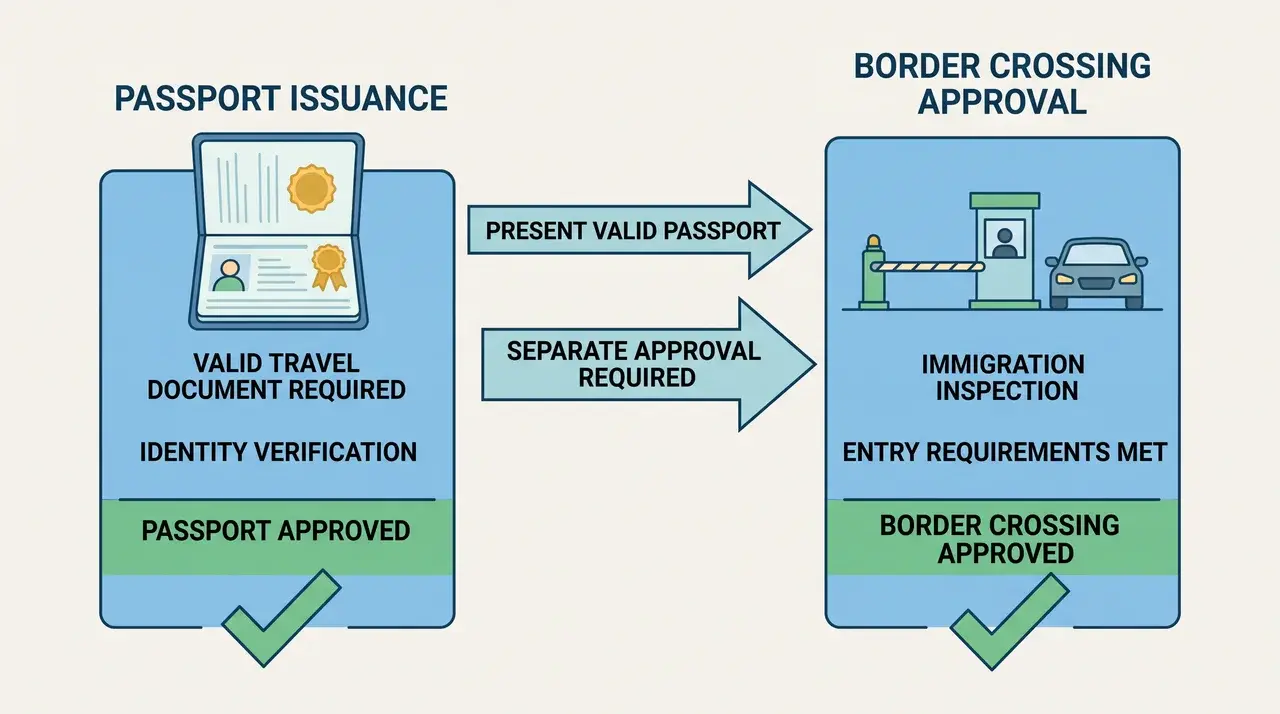
Getting a passport and getting into another country are two separate approvals. One doesn’t guarantee the other.
Your passport only tells the U.S. government one thing. It confirms you’re a citizen in good enough standing to travel. That’s where its authority ends.
Once you land somewhere else, that country makes its own call.
Every nation sets its own rules for who gets in. They look at your criminal record through their own laws, not through anything the U.S. decided when it issued your passport.
Canada is the clearest example. It can deny entry to people with certain felony convictions, even with a valid, fully legitimate U.S. passport in hand.
The passport didn’t fail. Canada’s own admissibility rules just apply separately. This catches people off guard.
They assume the hard part is getting the passport approved. Then they find out the destination country was never part of that approval at all.
So before you book anything, check the specific rules for where you’re going. Don’t assume because one country let you fly out, another has to let you in.
A quick search for “[country] entry requirements felony conviction” will usually tell you where you stand. Some countries publish clear criteria.
Others leave it to a border officer’s discretion, which makes checking ahead even more important.
Countries That Restrict Entry for Felons
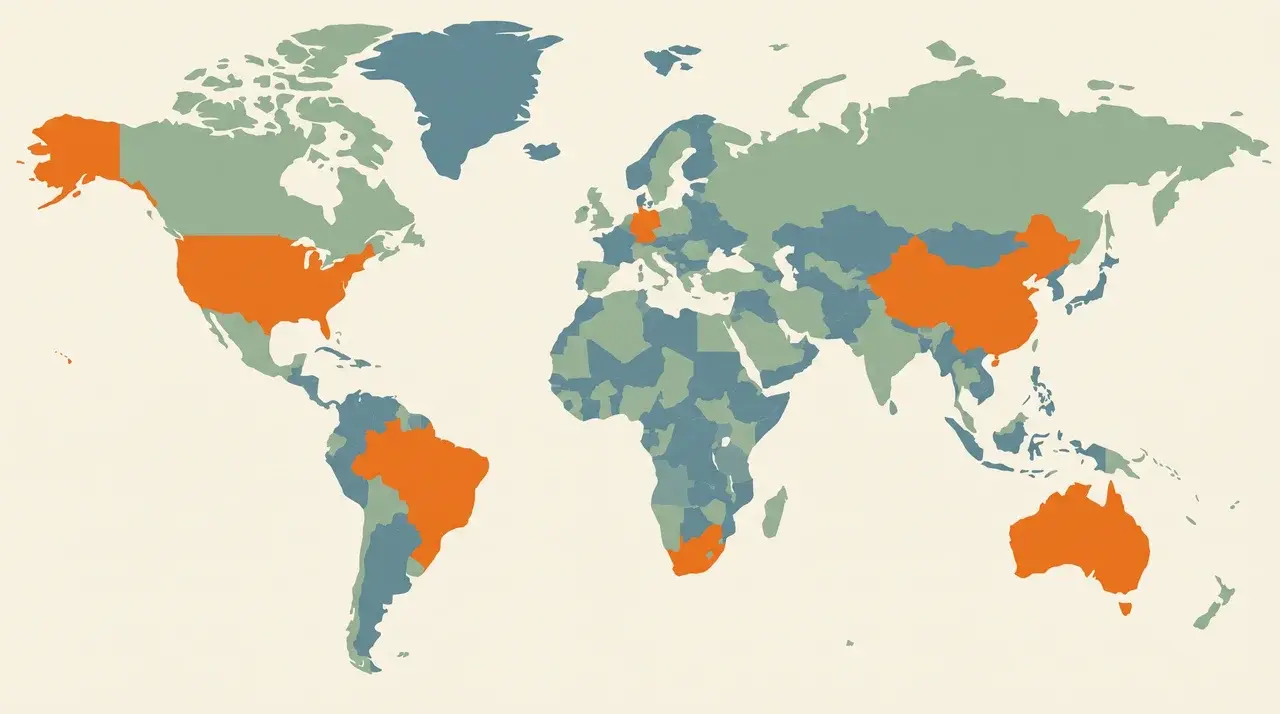
Some countries are far more likely than others to deny entry based on a felony record. Here’s where you’ll run into the most trouble:
- Canada
- United Kingdom
- Japan
- Australia
- China
- India
- Israel
- Argentina
- Cuba
- South Africa
- Taiwan
Not all of these apply the same standard. Some, like Canada, deny entry outright for specific conviction types.
Others assess your case individually, weighing the offense, how long ago it happened, and whether you have rehabilitation or pardon documents.
On the other end, you’ve got more room to work with. Many countries across Europe, South America, and Southeast Asia take a far more relaxed approach to past convictions.
Still, don’t treat any of this as guaranteed. Confirm the current rules for your specific destination before you book anything.
Conclusion
A felony doesn’t automatically block you from getting a passport. Your current legal and financial status does the deciding, not your history.
Once you know where you stand, the path forward is usually clear. Resolve any open conditions, gather the right documents, and the application moves like anyone else’s.
The part people overlook is what happens after approval. A valid passport gets you out of the country. It doesn’t get you into the next one.
Check your destination’s entry rules before you book anything. That single step saves you from finding out the hard way at the border.
Ready to move forward? Confirm your eligibility, gather your documents, and get your application started today.
Frequently Asked Questions
Can a Felon Go to Mexico on Vacation?
A U.S. passport doesn’t guarantee entry into Mexico. Mexico sets its own entry rules independent of U.S. passport issuance, and enforcement varies by case. Felons with certain convictions, especially drug-related ones, may face additional scrutiny or denial at the border. Checking Mexico’s current immigration requirements before booking travel is the safest approach.
Can a Felon Get a Passport After 10 Years?
Yes, time since conviction isn’t the deciding factor. What matters is current legal status: whether you’re still on supervision, have pending charges, outstanding warrants, or qualifying debt. If none of those apply, a felony from 10 years ago doesn’t block passport issuance.
Can You Get a Passport with a Pending Felony?
Generally, no. A pending criminal case, active arrest warrant, or extradition request will block passport issuance until resolved. This applies regardless of how minor or serious the pending charge is, since the block is tied to the unresolved legal status itself.
What Countries are Felons Not Allowed to Travel to?
There’s no single universal list, each country sets its own inadmissibility rules. Canada is commonly cited for barring entry based on certain convictions, but many other nations apply similar restrictions. Always verify the specific destination country’s immigration policy before traveling.