The Colgate lawsuit has generated more confusion than clarity for most people trying to understand what actually happened and whether it affects them personally.
Colgate-Palmolive and its subsidiary Tom’s of Maine face several separate legal actions, each involving different products, different courts, and entirely different groups of affected consumers.
What most people do not realize is that some cases are already closed while others remain active, and mixing them up leads to missed opportunities or wasted effort.
Breaking down each case separately is the only way to know exactly where you stand and what, if anything, you can still do about it.
What Is the Colgate Lawsuit?
The Colgate lawsuit is not one case. It is several separate legal actions, each targeting a different product, practice, and group of affected consumers across different courts.
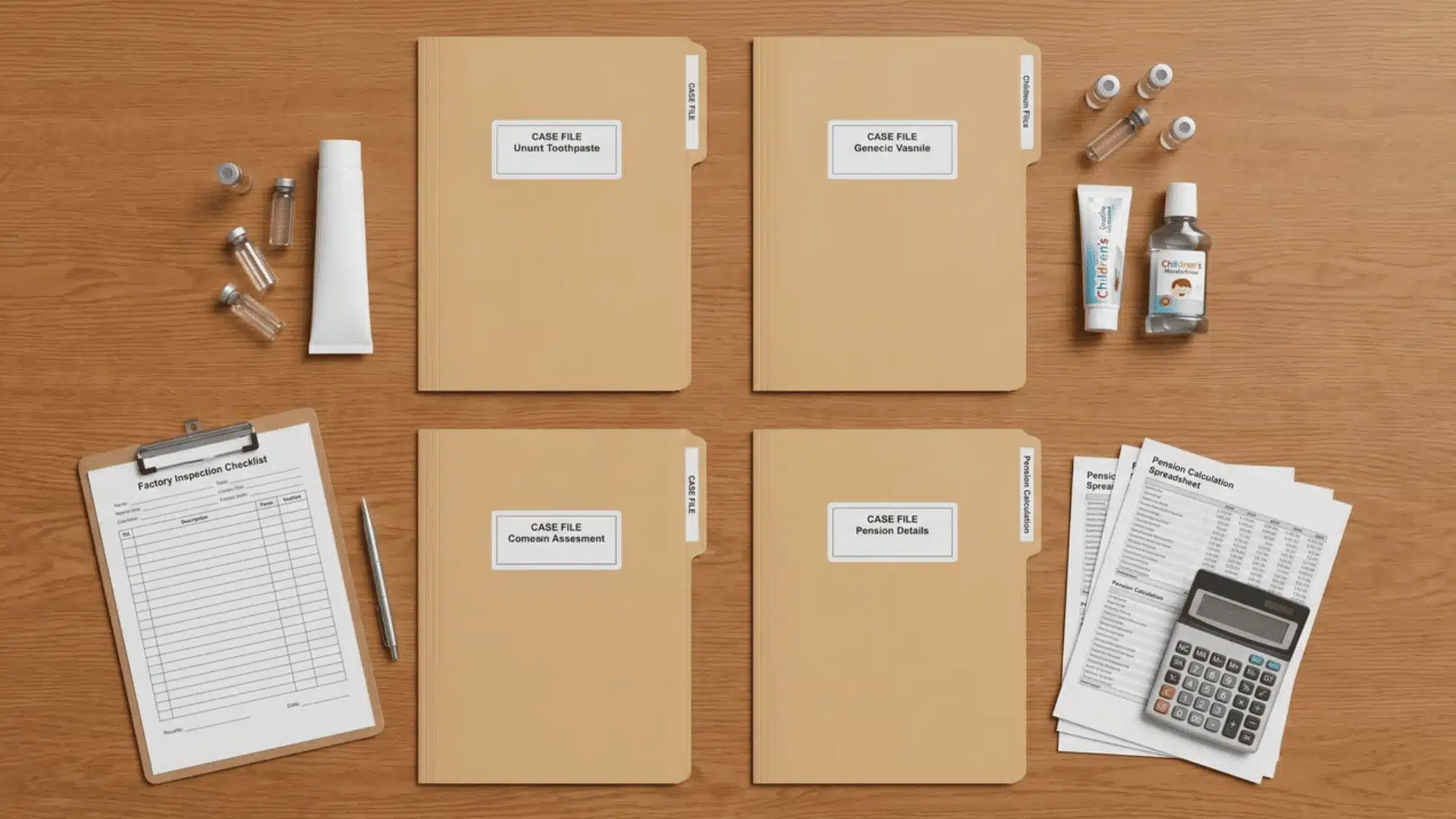
Colgate-Palmolive and its subsidiary Tom’s of Maine face at least four distinct lawsuits covering contamination, heavy metals, children’s product packaging, and employee pension miscalculation issues.
How mass tort cases group affected consumers explains why the people eligible in one lawsuit are not automatically eligible in another, even if they used multiple Colgate products.
One settlement has already closed. The Tom’s of Maine case reached a resolution, and its claim deadline passed on July 6, 2026, making affected consumers ineligible for that specific payout.
The Tom’s of Maine Contamination Settlement: What It Was and Why It Is Now Closed
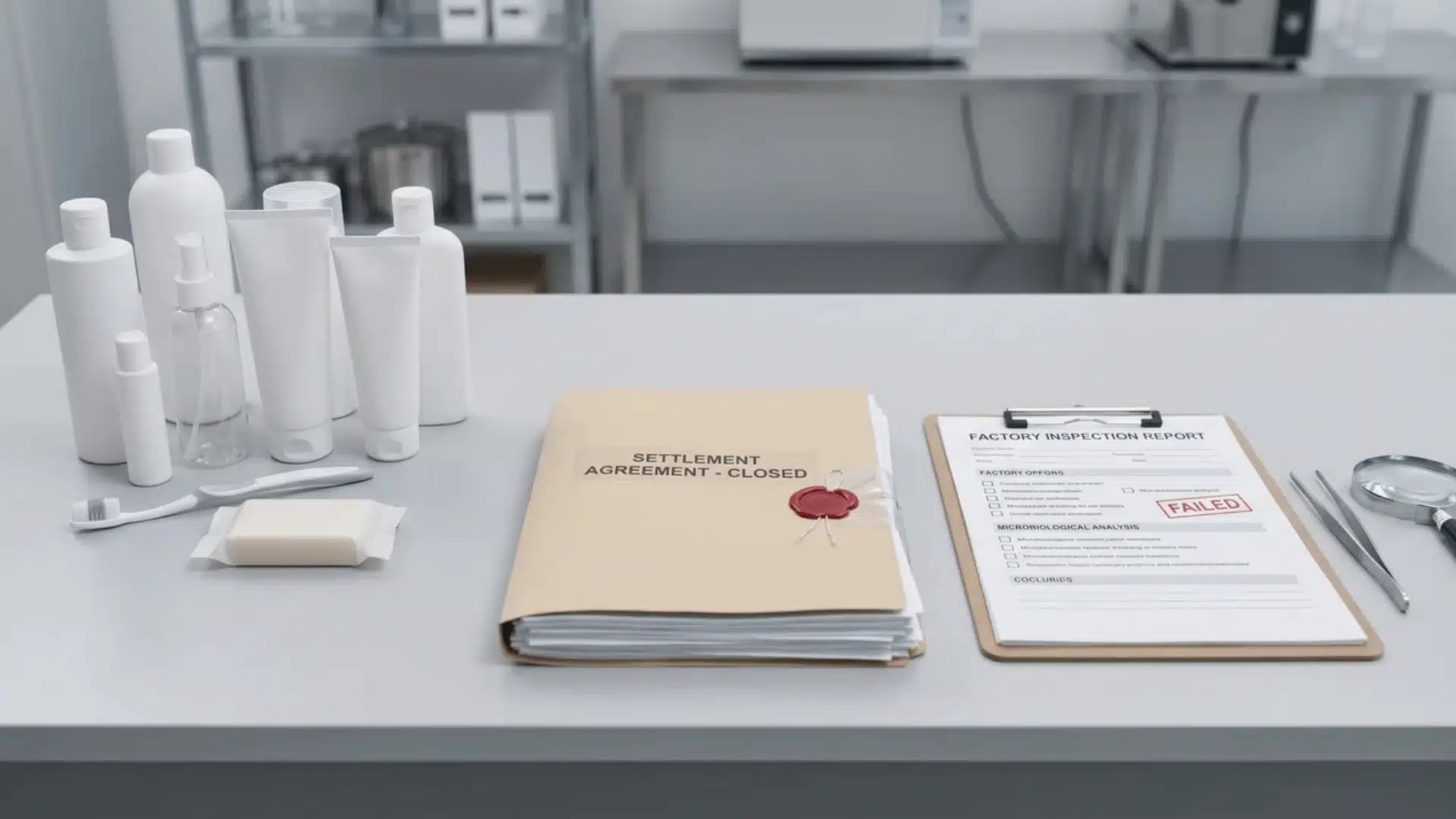
The $2.9 million Tom’s of Maine settlement has already closed, and the deadline to file a claim passed on July 6, 2026.
A May 2024 FDA inspection of the Sanford, Maine manufacturing facility found unsanitary conditions and bacterial contamination inside the plant.
- What the inspection revealed: That contamination directly contradicted how Tom’s of Maine marketed its products, using language like “naturally sourced” and “safe” across its entire product line.
- Why the lawsuit followed: Consumers argued they paid a premium for products positioned as clean and natural, while the facility producing them failed basic federal safety standards during inspection.
- What Colgate agreed to: Understanding how a class action claim actually proceeds helps explain the $2.9 million nationwide settlement, reached without admitting any liability, meaning the company resolved the case without acknowledging the allegations were true.
- What that means for you: The settlement existed specifically to compensate affected consumers, but that window is permanently closed now that the July 6, 2026 deadline has passed.
If you purchased Tom’s of Maine products before the settlement was announced, you were likely eligible, but no further claims are being accepted by the administrator at this point.
Heavy Metal Contamination Lawsuits Against Colgate: What Is Still Active and What You Can Do?
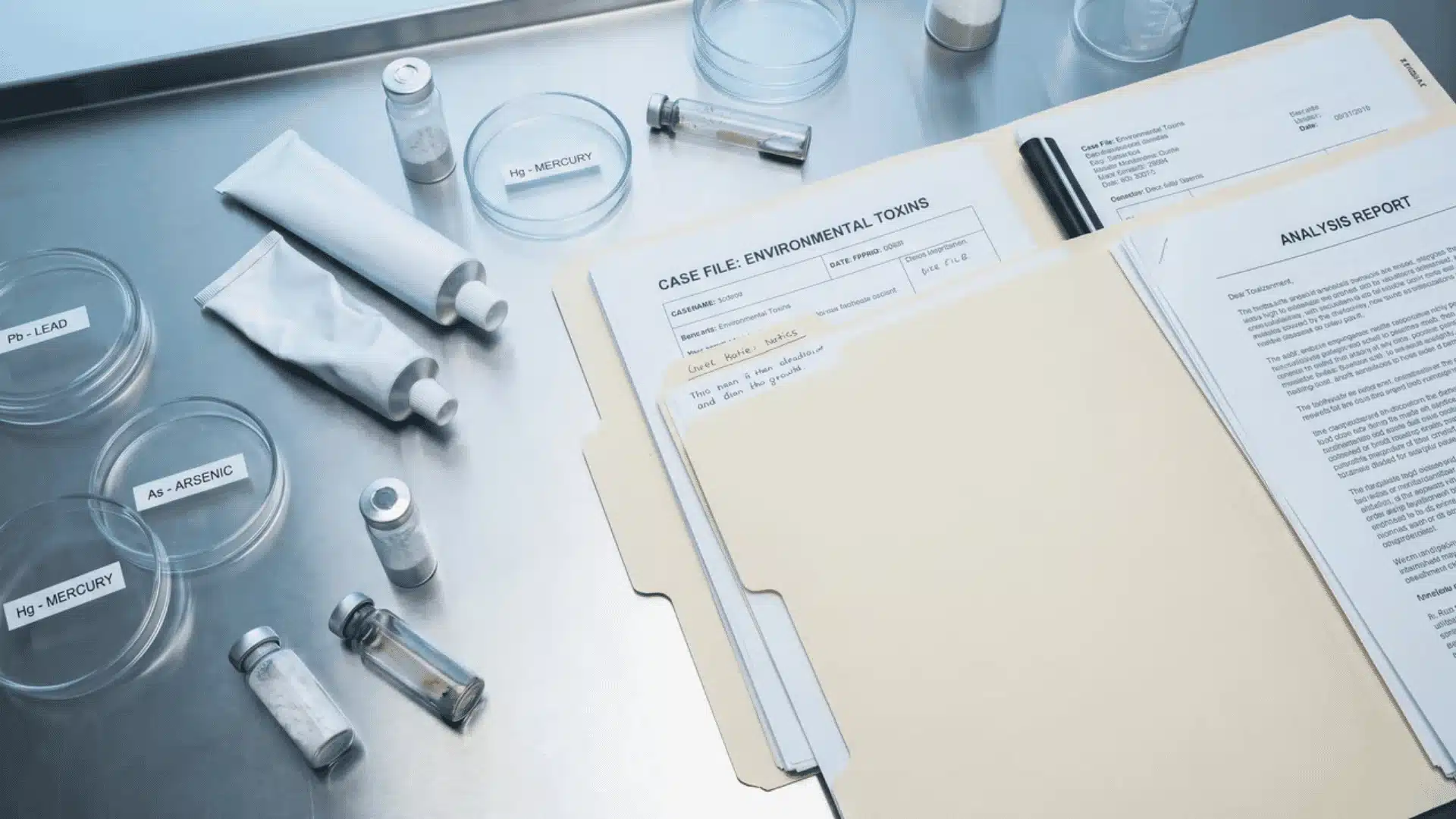
The heavy metal contamination lawsuits against Colgate are still active and completely separate from the Tom’s of Maine settlement that closed in July 2026 after bacterial contamination allegations.
Filings in California and New York allege Colgate Total Whitening and Tom’s of Maine Silly Strawberry contain undisclosed lead, arsenic, and mercury, making these consumer protection claims, not just product safety ones.
The legal distinction matters more than most readers realize. A consumer protection claim argues you were misled about what you bought, which is a different path than claiming the product caused direct physical harm.
Which Products Are Named?
The two products currently named across active filings are Colgate Total Whitening toothpaste and Tom’s of Maine Silly Strawberry toothpaste, both sold without any heavy metal disclosure to buyers.
These products were never recalled and remained on shelves while litigation proceeded, echoing a similar undisclosed-risk product case, which is precisely why the consumer protection framing carries weight for anyone who purchased them unknowingly.
Both sit in different market positions, one targeting adults and one targeting children, making the absence of disclosure significant across two completely different and separate consumer groups.
If you purchased either named product, check PACER or the court’s own case listings under the Colgate-Palmolive federal filings in California and New York, that’s where new developments, including any future settlement notice, would appear first.
Kids Fluoride Packaging Lawsuit: Why Colgate Faces Claims Over How It Designed Its Children’s Products?
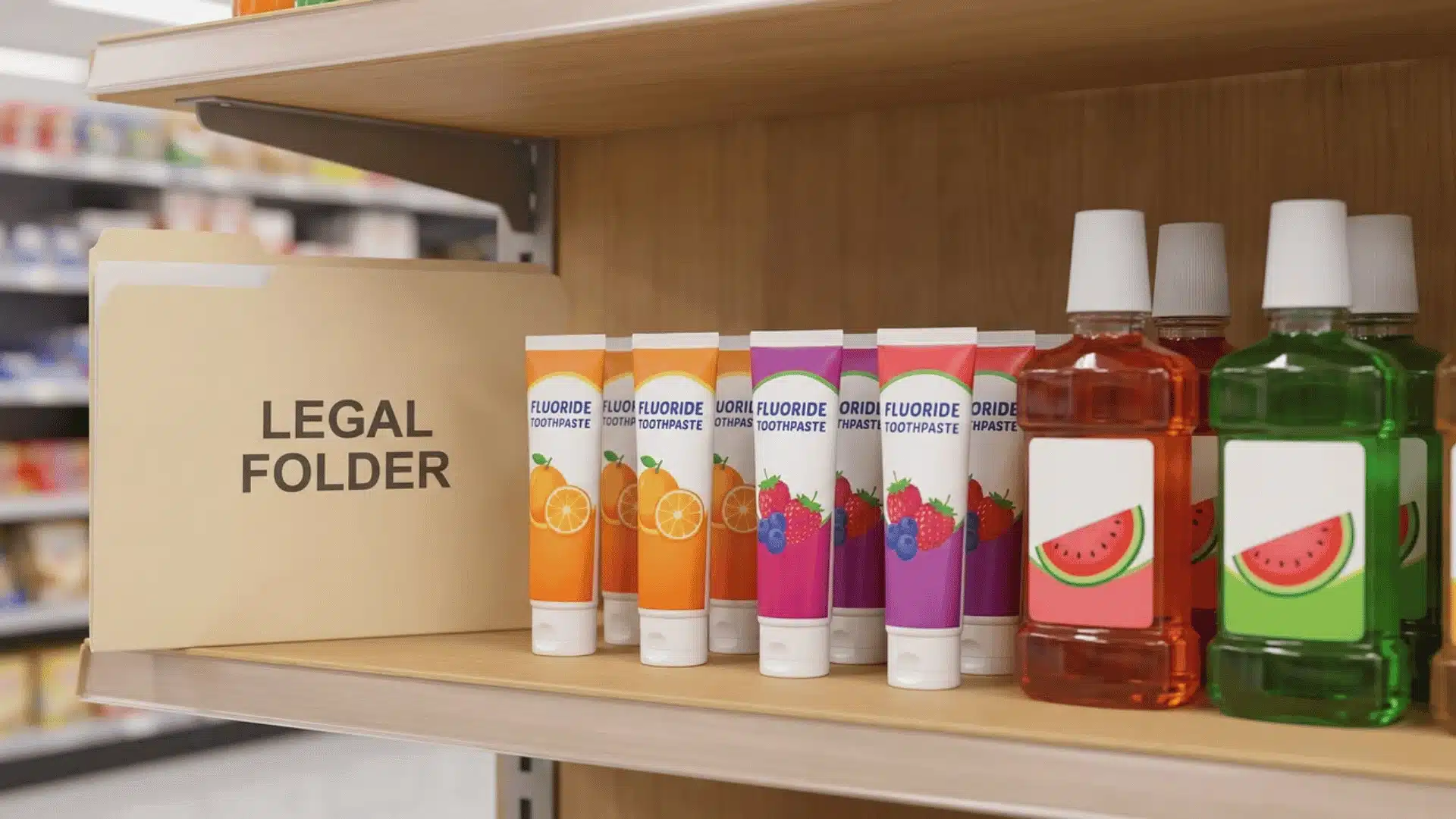
Colgate faces a lawsuit arguing that candy-like packaging on kids fluoride products like Bubble Fruit and Silly Strawberry mouth rinses misleads parents about safety for children under six.
- What the packaging argument actually claims: Plaintiffs are not arguing the formula is dangerous at correct doses. They are arguing the bright, candy-style design implies the product is safe for young children to swallow or use freely.
- What parents were allegedly led to believe: The core claim is that visual design functions as an implied safety statement, and that Colgate used that design deliberately on products intended for an age group that cannot self-regulate usage.
- Where the case stands legally: A judge allowed the lawsuit to proceed as of March 2026, while dismissing a related case on narrower grounds, signaling the packaging argument has enough legal merit to move forward.
This case does not hinge on what is inside the product. It hinges entirely on whether the way Colgate packaged it constituted a misleading safety claim aimed directly at parents of young children.
The Colgate Pension Settlement: A Separate Case That Only Affects Colgate Employees
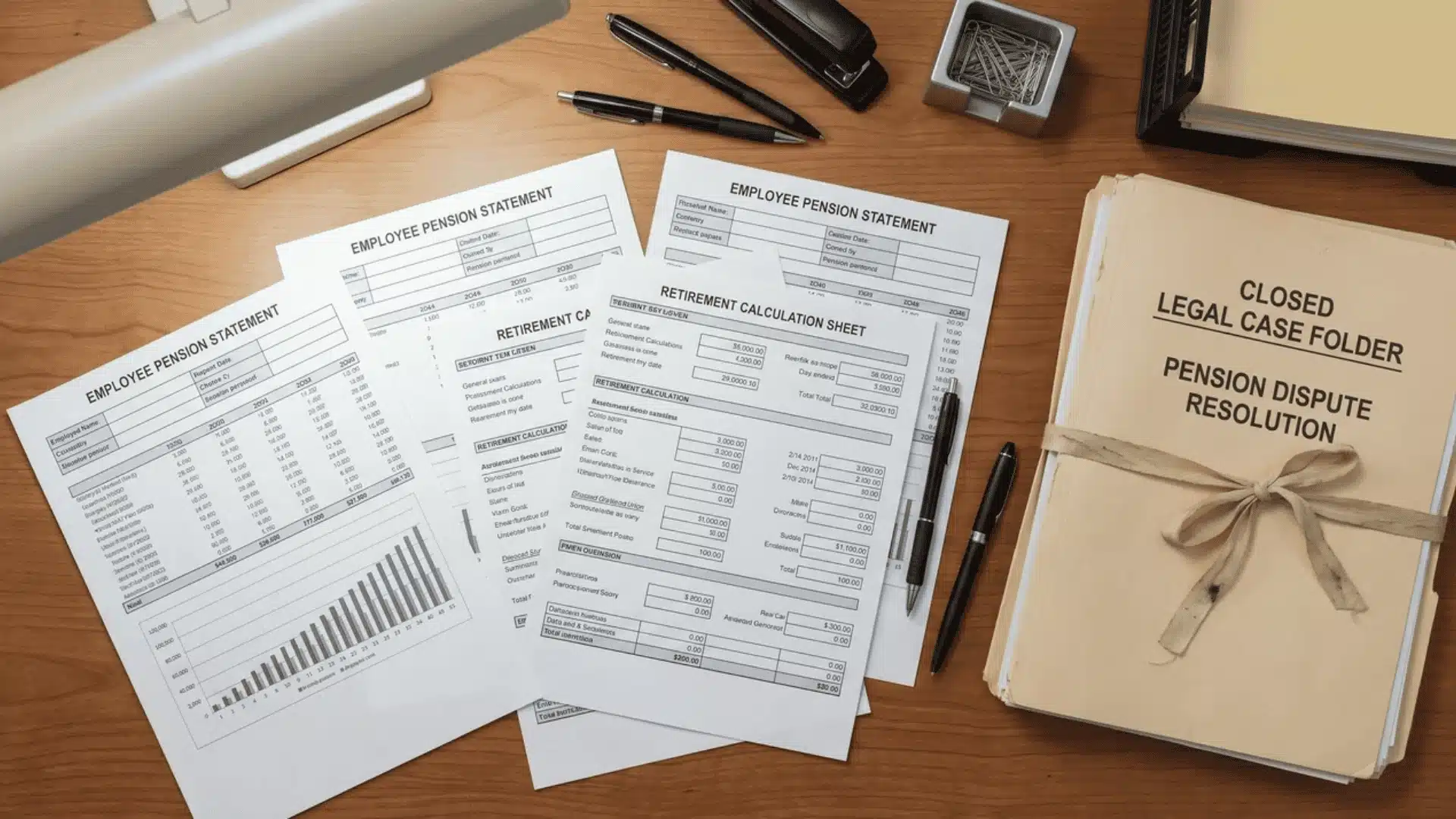
This case involved Colgate employees, not consumers, and it has already been fully resolved through the court system with a final judgment filed.
Colgate-Palmolive agreed to a $332 million settlement in 2025, resolving a long-running dispute over how the company calculated cash-balance pension plans for its workforce.
The court has issued its final order and the payment spreadsheet has been filed, meaning the case is concluded and no further legal proceedings are expected from either side.
This lawsuit has no connection to product safety, contamination, or packaging claims. If you found it while researching Colgate toothpaste lawsuits, it simply does not apply to your situation.
The settlement covers 1,177 former employees, with about $232.7 million going to the class after legal fees. Colgate had until June 18, 2026 to begin issuing payments owed under the deal.
Conclusion
The Colgate lawsuit is not a single event with one outcome. It is a collection of distinct legal actions, each with its own status, products, and affected consumer group.
Some cases have already closed permanently, like the Tom’s of Maine contamination settlement, while others involving heavy metals and kids packaging are still moving through federal courts.
Looking back at everything covered here, the most important takeaway is that assuming one settlement covers everything is exactly how eligible consumers end up missing deadlines or pursuing the wrong case entirely.
Check the specific product you purchased, identify which case applies to your situation, and monitor the relevant court dockets directly for the most accurate and current updates available.
Frequently Asked Questions
Can I Still File a Claim in the Colgate Tom’s of Maine Lawsuit?
No. The deadline to submit a claim in the $2.9 million Tom’s of Maine contamination settlement passed on July 6, 2026. The claim administrator is no longer accepting submissions. If you missed the deadline, you are not eligible for a payout from that specific settlement.
Which Colgate Products Are Named in the Heavy Metal Lawsuits?
Current filings name Colgate Total Whitening toothpaste and Tom’s of Maine Silly Strawberry toothpaste as products alleged to contain undisclosed heavy metals including lead, arsenic, and mercury. These cases were filed in California and New York federal courts and remain active as of mid-2026.
Is the Kids Fluoride Toothpaste Lawsuit About the Formula or the Packaging?
It’s about mouth rinse, not toothpaste. The active case targets packaging on children’s fluoride mouth rinses like Bubble Fruit and Silly Strawberry, a judge allowed that claim to proceed in March 2026 while dismissing a related case that made the same packaging argument about fluoride toothpaste. Plaintiffs argue the bright, candy-like design on the rinse bottles misleads parents into believing the product is safe for children under six to use or swallow freely.
Are the Colgate Product Lawsuits and the Pension Lawsuit Related?
No. The $332 million pension settlement resolved a dispute between Colgate-Palmolive and its employees over retirement plan calculations. It has no connection to the product safety, contamination, or packaging lawsuits, which were brought by consumers.