

AFFF lawsuits are moving forward, and many exposed workers want a clear idea of what their claim could be worth.
The answer depends on the illness, exposure history, medical records, and how the court structures future payouts.
While no final global personal injury settlement has been reached yet, legal projections give claimants a clearer idea of possible compensation ranges.
This blog post explains afff lawsuit settlement amounts in simple terms, including estimated payout tiers, average value factors, and why some claims may be worth more than others.
It also covers who may qualify, what evidence matters, and when the AFFF foam lawsuit may move closer to settlement.
What is the AFFF Foam Lawsuit?
AFFF (aqueous film-forming foam) is a firefighting agent used for decades at military bases, airports, and fire training facilities. It works by forming a film over fuel-based fires, cutting off oxygen before the fire spreads.
The issue is that AFFF contains PFAS chemicals, often called “forever chemicals” because they do not break down easily in the environment or the human body.
Thousands of lawsuits have been filed over these concerns. The cases are consolidated in federal MDL 2873, involving claims against several major chemical and firefighting foam companies.
Research from the U.S. Environmental Protection Agency has confirmed that PFAS exposure is associated with increased risk of kidney, testicular, and prostate cancers, along with immune system disruption.
AFFF Lawsuit Settlement Amounts: Current Estimates
The estimates below are projections based on prior mass tort litigation, the tier structures commonly used in large MDLs, and commentary from attorneys actively involved in the case. They are not guaranteed amounts.
1. Top-Tier Claims
Top-tier claims involve the most serious diagnoses, the strongest scientific support, and the clearest exposure history. Kidney cancer and testicular cancer with documented long-term occupational exposure generally fall here.
Legal projections for top-tier AFFF claimants range from approximately $200,000 to $500,000 or more per individual.
Cases involving extensive medical treatment, significant lost income, younger plaintiffs, or particularly reckless conduct by manufacturers could push above that range.
2. Mid-Tier Claims
Mid-tier cases typically involve thyroid disease, thyroid cancer, ulcerative colitis, or cancers where causation requires a more complex medical argument.
Projected ranges for mid-tier claims run from approximately $75,000 to $300,000, depending on how the individual facts compare to others in the settlement pool.
These cases often depend heavily on the strength of documentation, exposure history, and the quality of medical evidence linking the condition to AFFF exposure.
3. Lower-Tier Claims
Lower-tier cases generally involve less severe conditions, limited or less-documented exposure, or circumstances that weaken causation arguments.
Projected compensation for these cases is generally under$75,000. Some may fall below $20,000 if the evidence of harm is limited.
These estimates are based on similar cases. The 3M Combat Arms earplug settlement used a tiered system, with payouts varying by injury severity, and AFFF claims are expected to follow a similar structure.
Who Qualifies for an AFFF Lawsuit?
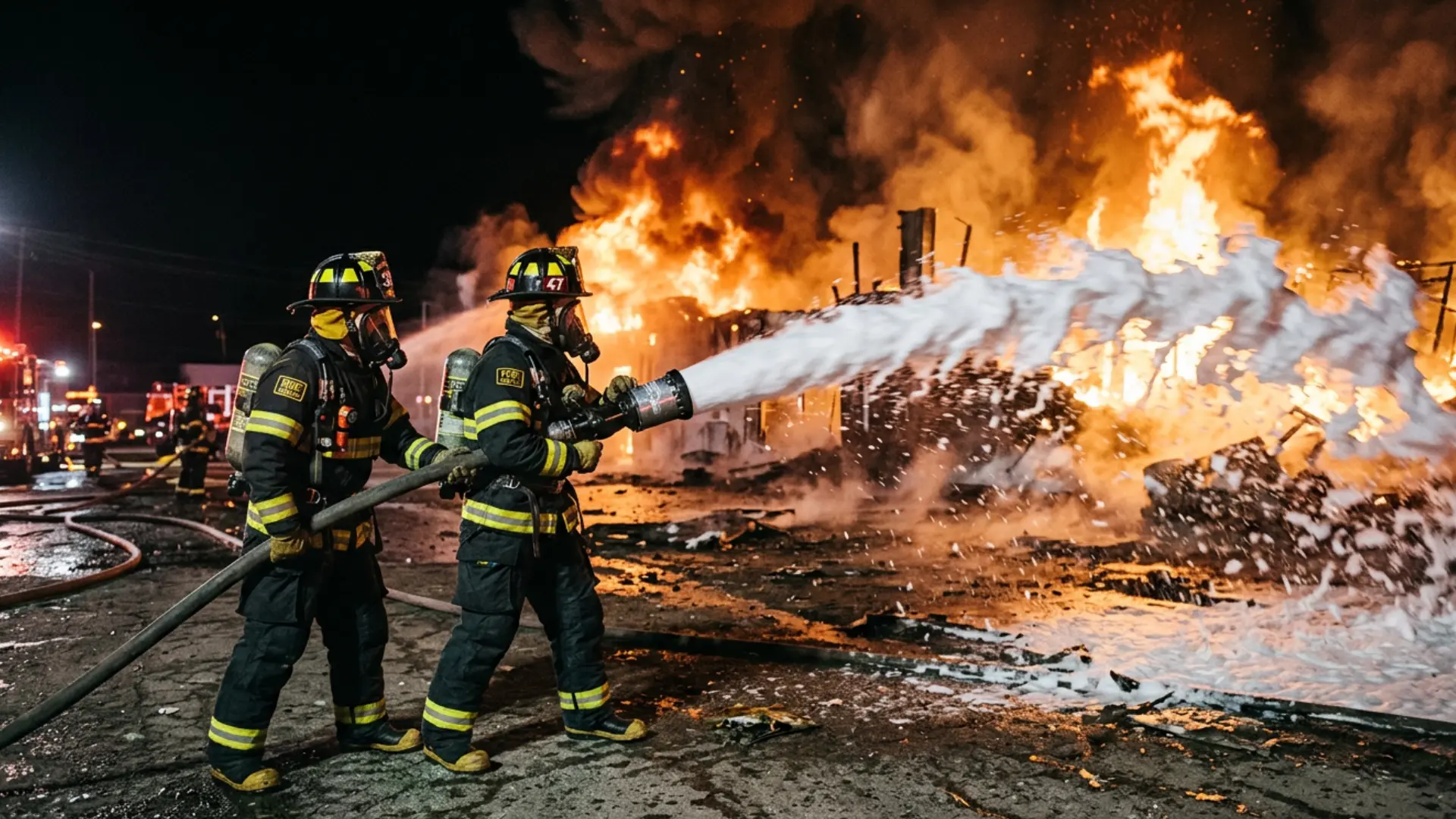
Eligibility turns on two things: documented exposure to AFFF or PFAS-contaminated water, and a medical diagnosis of a qualifying health condition.
The primary groups who may qualify include:
- Firefighters: Career and volunteer firefighters are exposed during training and emergency responses, especially where AFFF is repeatedly used in drills.
- Military personnel and veterans: Service members at bases like Air Force, Navy, and Army installations where AFFF was regularly used or present in contaminated water supplies.
- Airport and aviation workers: Ground crews, fueling staff, and crash-rescue teams are exposed while handling or working near AFFF use areas.
- Industrial workers: Employees involved in producing AFFF or using it in fire suppression systems at industrial sites.
- Family members: In some cases, relatives exposed through PFAS brought home on contaminated clothing or equipment are evaluated on a case-by-case basis.
A viable case usually requires documented AFFF exposure, a PFAS-related diagnosis, and a medical link between the two. An attorney can evaluate whether your specific situation meets these requirements.
Medical Conditions Linked to Afff Exposure
The health conditions currently at the center of AFFF personal injury litigation are those with the strongest scientific support linking them to PFAS exposure.
Research published in peer-reviewed journals, including studies compiled through the National Institutes of Health, has found sufficient evidence connecting PFAS to certain cancers and conditions.
The primary conditions covered in the litigation include:
- Kidney cancer
- Testicular cancer
- Thyroid cancer and thyroid disease
- Bladder cancer
- Prostate cancer
- Ulcerative colitis
- Non-Hodgkin lymphoma
Note: This list reflects conditions covered in the current litigation. Whether a specific diagnosis qualifies for compensation depends on the individual facts of your case. Nothing in this post constitutes legal advice about your specific situation.
Why Do AFFF Settlement Amounts Vary so Much?

AFFF settlement amounts differ because each case is evaluated individually based on exposure, illness severity, and available evidence.
1. Type and Severity of Diagnosis
Courts typically weigh severity based on treatment, prognosis, and impact on life. Kidney and testicular cancer carry the strongest scientific support in this litigation and tend to generate higher projected payouts.
A more aggressive cancer that requires surgery, chemotherapy, and ongoing monitoring creates a larger documented harm than a condition managed with medication.
2. Length and Intensity of Exposure
A career firefighter who trained with AFFF foam twice a week for 25 years has a fundamentally different exposure profile than someone who worked near AFFF for two years without direct contact.
MDL 2873 uses tiered discovery processes that require plaintiffs to submit detailed exposure documentation. Stronger evidence of exposure generally supports stronger claims.
3. Age and Occupation
Younger plaintiffs with cancer diagnoses have more lost future income to claim and longer projected periods of medical monitoring.
Occupation also affects the baseline exposure analysis. Military firefighters, for instance, often worked at installations where AFFF was discharged in training drills far more frequently than at civilian fire stations.
4. Medical Expenses and Future Care Costs
Economic damages in personal injury claims cover actual and projected costs. Documented medical bills, future treatment projections from oncologists, and costs of ongoing surveillance all factor into case valuation.
A plaintiff who requires continued cancer monitoring for decades has higher projected future medical costs than one who requires only surgery.
5. Lost Income and Reduced Earning Capacity
AFFF claimants who had to leave careers because of their diagnoses can claim both past lost wages and future lost earning capacity.
A firefighter who retired early due to kidney cancer has a quantifiable income loss over what their remaining career would have produced. These economic damages can be substantial in strong cases.
A review of personal injury settlement amounts in comparable toxic-exposure cases shows that economic loss is consistently among the largest components of total compensation.
6. State Laws and Filing Jurisdiction
AFFF personal injury claims are consolidated in federal court under MDL 2873, but individual state laws can still affect the damages available in your case.
Some states cap certain non-economic damages in personal injury cases. Statutes of limitations also vary by state and affect whether a claim can be filed at all.
Water Contamination Settlements vs. Personal Injury Claims
One of the most important things to understand about AFFF litigation is that the settlements you have likely seen reported in the news do not apply to individual cancer patients.
Billions of dollars in settlements have already been reached, but those funds went to municipalities and public water utilities, not to people who developed cancer.
Major deals include about $10.3B from 3M, $1.185B from DuPont and related companies, $316.5M from BASF.
These funds are used for cleanup and water treatment systems, not personal compensation. Individual injury claims, such as firefighter or veteran cancer cases, are handled separately in MDL 2873.
Evidence Needed to File an AFFF Lawsuit

Building a strong AFFF claim requires organized, verifiable documentation. The categories of evidence that matter most include:
- Medical records: Complete medical documentation from diagnosis to current treatment, including pathology reports, oncology files, surgical records, and follow-up care notes that support the condition.
- Employment records: Proof of job history showing where you worked, your role, and evidence that AFFF was used at the workplace, including payroll, union, or facility records.
- Military service records: For veterans, official service records showing assignments at bases known to use AFFF, along with any available exposure-related military or VA documentation.
- Diagnosis timing: Records showing when the illness was first diagnosed and treated, helping establish timelines relevant to legal filing deadlines and exposure links.
- Witness testimony: Statements from coworkers, supervisors, or military personnel who can confirm exposure conditions and support your work or service history.
An attorney can help you gather the right records, including those that may take time to obtain, so starting early is important.
Statute of Limitations for AFFF Lawsuits
Each state sets a deadline, usually 2 to 3 years, for filing personal injury claims, and this also applies to AFFF cases in MDL 2873. Missing it can permanently bar your claim.
Most states use a “discovery rule,” meaning the clock starts when you knew or should have known your illness was linked to AFFF exposure, not the exposure date itself.
Deadlines can also change if settlement programs or court orders set new filing cutoffs, so it is important to act quickly and get legal guidance.
If you are unsure about the statute of limitations, contact an attorney quickly. Many claims may still be valid if action is taken before the deadline passes.
The VA PFAS guidance notes that military firefighters and veterans at contaminated bases may have had significant exposure, consistent with claims in MDL 2873.
What to Do if You Were Exposed to AFFF?
If you think you were exposed to AFFF and have a related illness, these are the key steps attorneys usually recommend:
- Check eligibility: Review your work or military history to see if you were exposed to AFFF and confirm if your medical condition is part of the covered claims.
- Collect records: Gather medical reports, employment or service records, and any proof showing where and how AFFF exposure may have occurred.
- Speak to a lawyer: An AFFF attorney can review your exposure and diagnosis and explain whether your case qualifies for a claim.
- Act before deadlines: Filing early helps protect your rights under state deadlines and any future settlement registration cutoffs.
- Avoid direct contact: Do not speak with manufacturers or insurers without legal advice, as it may affect your claim.
Understanding how to protect your legal rights in complex civil litigation is one of the most practical steps you can take at this stage.
When Will the AFFF Lawsuit Be Settled?
A global personal injury settlement in MDL 2873 has not been reached as of mid-2026. The first bellwether trial (a test trial used to gauge how juries respond and to shape settlement negotiations) was originally scheduled for October 2025.
The court vacated that date after a surge of new case filings required additional processing.
No new trial date has been set. The court has encouraged settlement discussions and appointed a mediator to support negotiations.
In the meantime, the MDL continues moving forward. Expert scheduling updates for cancer-related claims are proceeding, and prior Science Day proceedings helped solidify the scientific basis for PFAS-cancer links before juries.
No one outside the settlement negotiations knows exactly when a deal will be reached. What matters for claimants right now is being in the system with a complete, well-documented claim before registration cutoffs are set.
Common Mistakes that Can Hurt an AFFF Claim
Several patterns consistently reduce the value of AFFF claims or eliminate them entirely.
- Delaying legal action: Waiting too long can risk missing filing deadlines and losing the right to pursue compensation.
- Incomplete medical records: Missing diagnosis details or treatment history can weaken proof of illness and its severity.
- Weak exposure documentation: Not clearly showing where or how AFFF exposure occurred can reduce the strength of the claim.
- Inconsistent work history: Gaps or unclear employment or service records can make exposure verification harder.
- Ignoring legal guidance: Failing to follow the attorney’s advice on documentation and timelines can adversely affect case outcomes.
Conclusion
Early action is important because legal deadlines and settlement timelines can affect your ability to recover compensation. Getting guidance sooner helps ensure your claim is properly evaluated and preserved.
Each case is unique, and outcomes depend on exposure history, medical evidence, and individual circumstances. A legal review can help you understand your options and the next steps available to you.
Understanding what your claim is worth and what steps to take does not cost anything at the intake stage. That conversation could make a significant difference in where your case ends up.
What do you think about AFFF exposure claims and settlements? Share your thoughts in the comments below.
Frequently Asked Questions
Are AFFF Settlement Payments Taxable?
Compensation received for physical injuries and related medical expenses is generally excluded from federal income tax under the Internal Revenue Code. However, any portion of a settlement attributable to punitive damages or interest accrued on held funds may be taxable.
Can Veterans File an AFFF Lawsuit and Still Receive VA Benefits?
Yes. Filing a civil AFFF lawsuit does not automatically affect eligibility for VA disability benefits related to PFAS exposure. The two compensation systems operate independently, though there may be coordination considerations depending on how damages are structured.
What if the Person Exposed to Afff Has Passed Away?
If a person who was exposed to AFFF died from a qualifying condition, surviving family members may be able to pursue a wrongful death claim on their behalf. Estates may also have standing to file claims for medical expenses and suffering incurred before death.