Finding out there may be an arrest warrant with your name on it can be stressful, especially when you’re unsure whether the information is accurate.
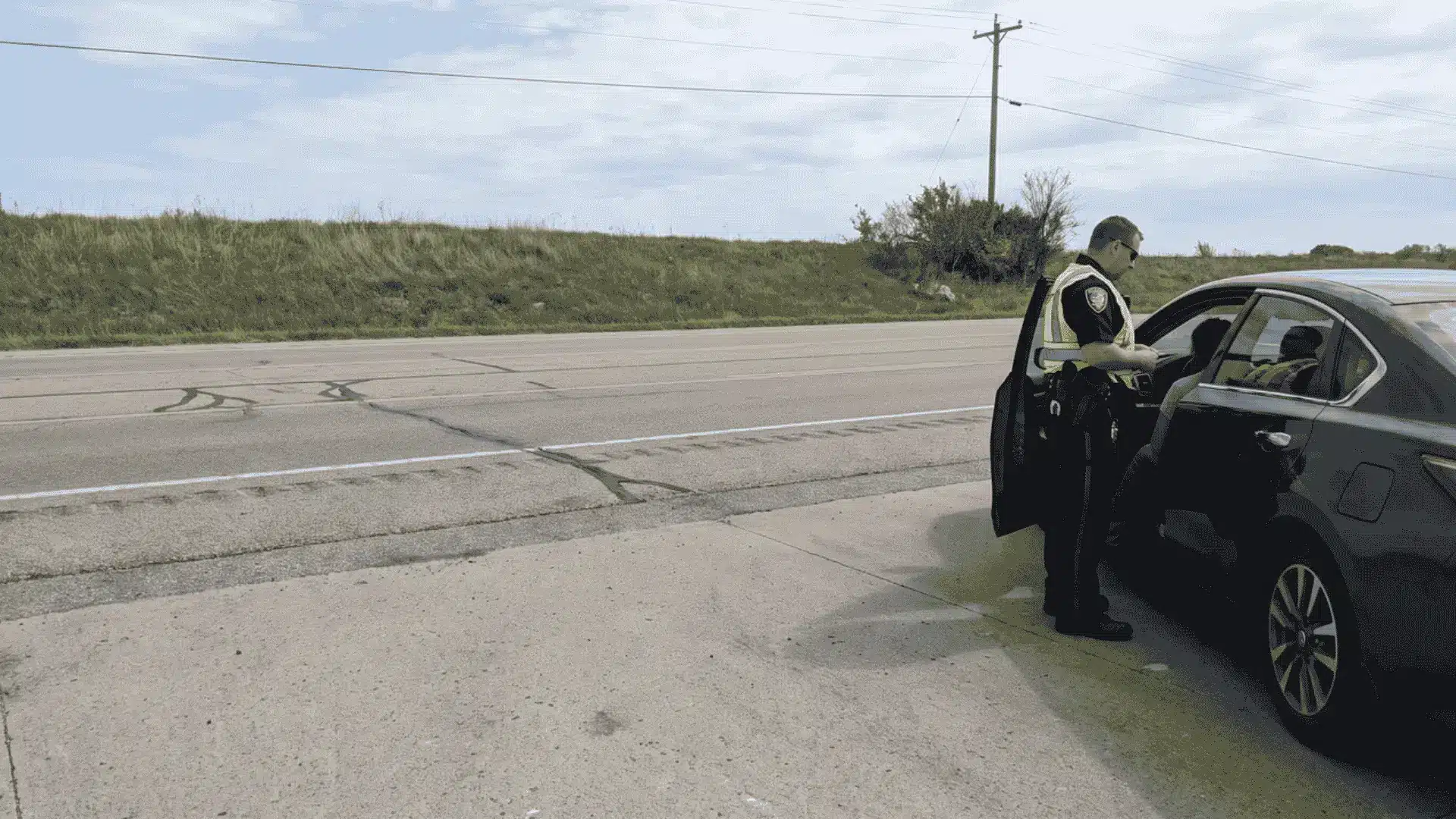
Sometimes it starts with a missed court date, an unexpected phone call, or a routine traffic stop that raises more questions than answers.
The good news is that checking for active warrants is often simpler than people think, thanks to public records and online court databases.
A proper warrant search helps you confirm whether a warrant exists, understand the type of warrant involved, and avoid relying on rumors or outdated information.
Knowing the facts early also gives you more time to make informed decisions before the situation becomes more complicated.
What an Arrest Warrant Means
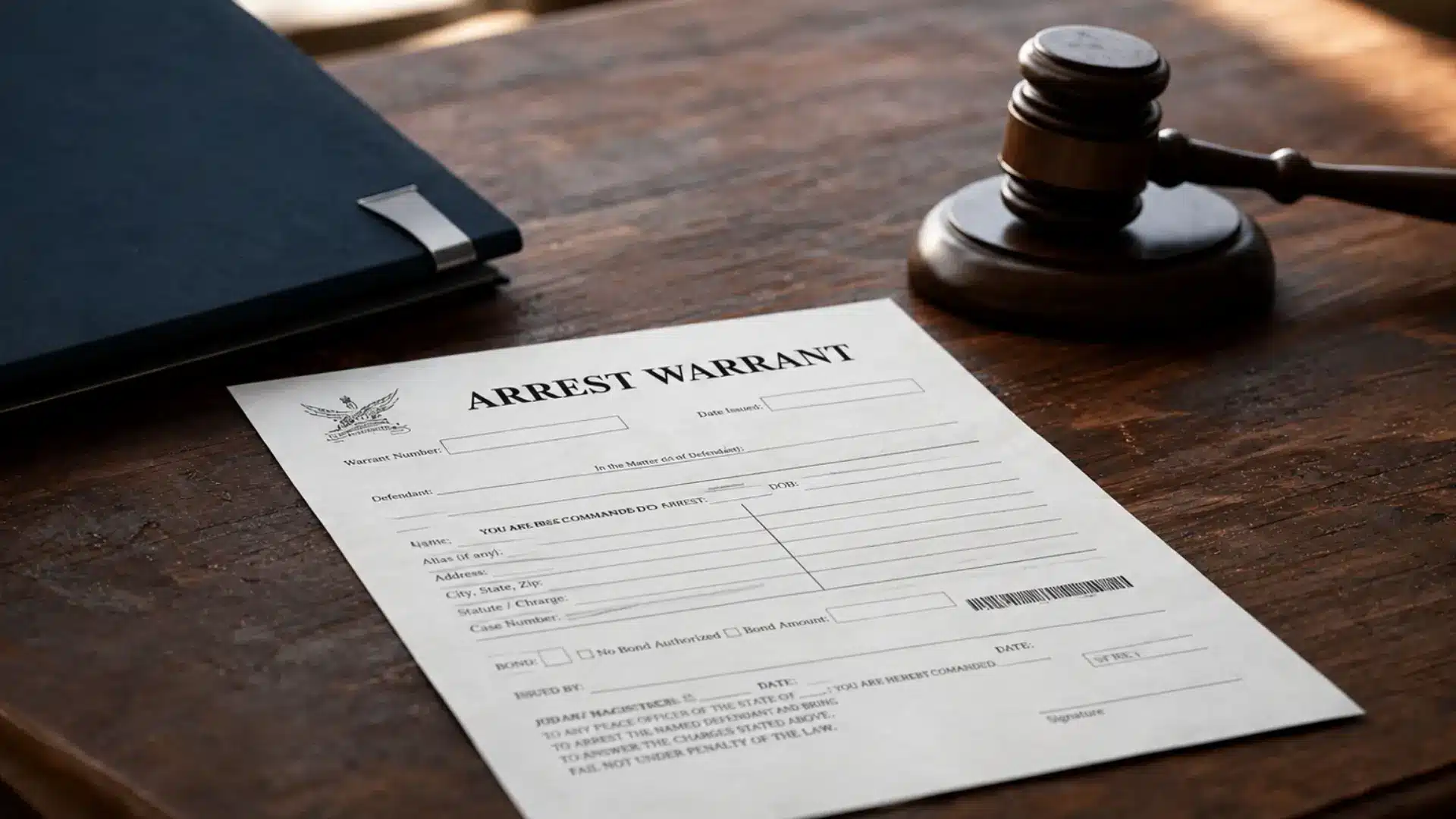
An arrest warrant is a court document. A judge or magistrate signs it after reviewing evidence, sworn statements, or a police affidavit that establishes the probable cause standard needed to believe a specific person committed a specific crime.
Once signed, the warrant gives any law enforcement officer in the state, and often beyond it, legal authority to arrest that person on sight.
The document usually lists the person’s name, the alleged offense, and sometimes a bond amount the court has already set. That last detail matters.
If a bond amount is attached, a person can often resolve the warrant by posting bond rather than waiting in custody for a hearing. People also confuse being stopped with being formally taken in.
The difference between detention and arrest comes down to authority and duration: a detention is temporary and investigative, while an arrest requires either a warrant or probable cause on the spot and starts the formal criminal process.
Arrest Warrant vs Bench Warrant
A quick comparison makes it easier to understand why these two warrants are not the same. While both can lead to an arrest, they are issued for different reasons and at different stages of a legal case.
| Factor | Arrest Warrant | Bench Warrant |
|---|---|---|
| Why it’s issued | A judge finds probable cause that a person committed a crime based on evidence presented by law enforcement. | A judge issues it because someone failed to follow a court order or legal obligation. |
| Common reasons | New criminal allegations supported by probable cause. | Missing a court hearing, failing to pay court-ordered fines, violating probation, or ignoring another court requirement. |
| Who requests it | Usually requested by law enforcement or a prosecutor. | Issued directly by the judge overseeing the case. |
| When it’s issued | Before or during the early stages of a criminal case. | After an existing court case has begun and a court order is not followed. |
| Can it lead to an arrest? | Yes. Police are authorized to take the person into custody. | Yes. The person may be arrested and brought before the court. |
Although both warrants allow law enforcement to make an arrest, understanding which type you are dealing with is important because it affects the reason for the warrant and the steps needed to resolve it.
How Arrest Warrants Show up in Local News Coverage

Local outlets covering Sedgwick County often report on warrant sweeps, wanted-person roundups, and cases in which someone named in a warrant is still at large.
These stories usually pull from the same law enforcement databases that power self-service warrant searches, including entries fed into the FBI’s National Crime Information Center, the national system that flags outstanding warrants across state lines.
That overlap is useful. If a name appears in a story about an active warrant, the same person or a family member can usually confirm the details directly through the Sheriff’s Office or the court system rather than relying on secondhand reporting.
Coverage can lag or omit details that a formal record states precisely, such as the exact charge or bond amount.
Watching local coverage also helps with a separate problem: warrants tied to old cases that resurface without much notice, sometimes years after a missed hearing. A direct records check catches those in a way that scanning headlines never will.
Recent Arrest Warrant News in Wichita and Sedgwick County
Recent cases show that law enforcement in Sedgwick County actively serves outstanding warrants.
In June 2026, Operation Triple Beam resulted in more than 600 arrests and the clearance of over 800 warrants. The joint operation involved the Wichita Police Department, the U.S. Marshals Service, and other local, state, and federal agencies. Officials said serving outstanding warrants remains a year-round priority.
Another June 2026 case shows that a warrant can follow someone beyond county lines. U.S. Marshals arrested a man in Topeka on a first-degree murder warrant connected to a Wichita shooting before returning him to Sedgwick County to face charges.
If you see a warrant mentioned in the news, verify the details through the Sedgwick County Sheriff’s Office or the court, as media reports may not include the latest case or bond information.
How to Search for an Active Warrant in Sedgwick County
Three public tools cover most warrant searches in this area, and all three are free.
| Tool | What it covers | How to access it |
|---|---|---|
| Sedgwick County Sheriff’s Office Warrant Search | Active warrants processed through the county jail system, including felony and misdemeanor warrants | Sheriff’s Office warrant search, or call (316) 660-3960 |
| Kansas Judicial Branch CaseSearch | Warrants tied to district court filings, including many bench warrants for missed hearings | Kansas CaseSearch |
| Wichita Municipal Court Warrant Search | Warrants issued by the Municipal Court for city ordinance violations, separate from the county system | Wichita Municipal Court warrant information, or call (316) 268-4595 |
I am not fully certain how far along Sedgwick County is in moving its records onto CaseSearch. Kansas launched CaseSearch in late 2025 to replace the older Public Access Portal, and both systems continued to run side by side as courts transitioned.
If a search comes back empty, try the older portal or call the district court clerk directly before assuming no warrant exists. A search typically requires:
- Full legal name. Spelling matters, and searches sometimes miss records under a maiden name, nickname, or recent legal name change.
- Date of birth. This narrows results when a name is common, which happens more often than most people expect in a county this size.
- Case number, if known. Useful for anyone who has already appeared in court once and wants to check the status of that specific case.
None of these tools requires an account or a fee. Results usually load within seconds, though the court system can lag during scheduled maintenance windows.
Every one of these sites also carries a disclaimer that the results are advisory, not legal confirmation, so verify directly with the issuing agency before acting on what you find.
Checking Bench Warrant Status Specifically
A bench warrant is issued directly by a judge, without a prosecutor filing a new charge, when someone misses a scheduled hearing, falls behind on a fine payment plan, or violates a condition of probation.
Kansas courts do not treat a missed appearance lightly. A bench warrant can be issued the same day a hearing is missed, and I have seen this catch people off guard, specifically because it is not tied to any new offense.
Someone can have a clean record otherwise and still carry an active bench warrant for years if nobody flags it. The consequences compound the longer it sits.
If a person has already posted bond and then misses the court date tied to that bond, bail-jumping charges can be added to the original case.
Checking bench warrant status uses the same Sheriff’s Office, CaseSearch, and Municipal Court tools, since bench warrants and standard arrest warrants both surface in the same systems.
What to Do if You Find an Active Warrant
Finding a warrant does not mean the situation is unsolvable, though it usually means moving faster than most people are comfortable with.
- Contact a defense attorney before doing anything else: An attorney can often arrange a surrender that avoids a public arrest and can be able to schedule a hearing faster than showing up unannounced.
- Confirm whether a bond amount is already set: If how secured bonds work applies to the specific warrant, posting bond may resolve custody status without full detention.
- Contact the court clerk directly: For bench warrants tied to a missed payment, the clerk’s office can sometimes confirm whether a payment plan or rescheduled hearing resolves it without an arrest at all.
- Do not ignore it: Warrants do not expire in Kansas, and an active one can surface unexpectedly during a routine traffic stop, a background check, or an unrelated police interaction.
How to Clear a Warrant in Kansas

The right way to clear a warrant depends on why it was issued. Identifying the type first keeps you from wasting time on the wrong process.
- Identify the type of warrant. Confirm whether it is a bench warrant or an arrest warrant. The reason behind it determines how it gets resolved.
- Appear in court for a bench warrant. If it resulted from a missed hearing, voluntarily appearing before the same judge, ideally with an attorney, often resolves it without added time in custody.
- Resolve unpaid court fines. If unpaid fines or missed payments triggered the warrant, paying the balance or arranging a court-approved payment plan through the clerk may clear it.
- Follow the criminal court process. If the warrant stems from a new criminal charge, expect the case to move through arraignment, bond, and the standard criminal court process before resolution.
- Seek legal assistance if needed. If a private attorney is not immediately affordable, Kansas Legal Services can help determine whether you qualify for free or reduced-cost assistance. It may not cover full representation in serious criminal cases, but it can clarify your options and point you toward the right resources.
Acting early tends to leave more options on the table. Waiting rarely improves the outcome.
Local Resources for Checking or Resolving a Warrant
These are the offices most people end up contacting once a warrant search turns something up.
| Resource | What it handles | Contact |
|---|---|---|
| Sedgwick County Sheriff’s Office | County warrant lookups, records requests, jail booking questions | 141 W. Elm St, Wichita, KS 67203 · (316) 660-3960 |
| 18th Judicial District Court (Sedgwick County) | District court case status, bench warrants tied to court cases | 525 N. Main St, Wichita, KS 67203 · (316) 660-5800 |
| Wichita Municipal Court Warrant Office | City ordinance warrants, walk-in docket for clearing municipal warrants | 455 N. Main, 5th Floor, Wichita, KS 67202 · (316) 268-4595 |
| Crime Stoppers of Wichita-Sedgwick County | Anonymous tips on wanted persons | (316) 267-2111 |
| Kansas Legal Services | Free or reduced-cost legal help for those who qualify | kansaslegalservices.org |
The Wichita Municipal Court also runs a walk-in docket on weekday mornings for people who want to clear a city warrant in person. Call ahead, since holiday schedules and the first Friday of the month can change the hours.
When to Call a Criminal Defense Attorney
Not every warrant search ends with hiring a lawyer immediately, but a few situations call for it without much debate.
- A warrant tied to a felony charge, where an arrest could mean extended custody before a bond hearing.
- A warrant was discovered during an unrelated legal matter, since the two situations can affect each other in court.
- A bench warrant from a probation violation, where the judge already has discretion to revoke probation entirely.
- Any warrant involving an out-of-state charge, since extradition rules add a layer most people have not dealt with before.
An attorney’s first move is often simple: confirm exactly what the warrant says, then arrange the safest way to address it. I have watched more warrant confusion resolve calmly than the initial panic ever suggested it would.
Conclusion
An arrest warrant can feel overwhelming, but knowing the facts is always better than living with uncertainty.
A quick warrant search can help you confirm whether active warrants exist and give you a clearer picture of what you’re dealing with.
Once you have accurate information, avoid making assumptions or delaying action, especially if the warrant is confirmed.
The right next step depends on the type of warrant, the underlying case, and your circumstances, so getting legal guidance early can help you understand your options and reduce unnecessary complications.
Have you ever searched for a warrant or have questions about the process? Share your thoughts or experiences in the comments below.
Frequently Asked Questions
Can a Warrant Search Be Done Anonymously in Sedgwick County?
Yes. The Sheriff’s Office and Kansas court search tools are free to use and do not require an account or login.
Will I Be Arrested Immediately During a Traffic Stop if I Have a Warrant?
Yes. In most cases, if an officer confirms an active warrant during a stop, they must act on it, though limited discretion may apply in some situations.
Does an Active Warrant Show up On a Standard Background Check?
Yes. Many employment and housing background checks search court records, so an active warrant may appear and affect opportunities before any arrest occurs.
Can an Out-Of-State Warrant Follow Someone to Kansas?
Yes. An active warrant is visible to Kansas law enforcement. While minor warrants may not always lead to extradition, felony warrants are far more likely to be enforced across state lines.