Most people preparing for their green card interview spend hours memorizing facts. Then they walk into the room, the officer asks something they didn’t expect, like what color their spouse’s toothbrush is, and everything goes blank.
That’s not a failure of knowledge. That’s a failure of preparation strategy.
After years of helping clients navigate USCIS interviews, I’ve seen the difference between people who pass on the first try and those who get sent back for more documentation.
It almost never comes down to the paperwork. It comes down to how prepared they were for the conversation itself.
This guide covers the actual immigration interview questions you are likely to face, organized by case type, with honest preparation advice built around the most common stumbling points I see.
No matter whether you are preparing for a marriage-based, family-based, or employment-based green card interview, the same core principle applies: your answers need to match your application, and your documents need to back all of it up.
What Actually Happens at a Green Card Interview
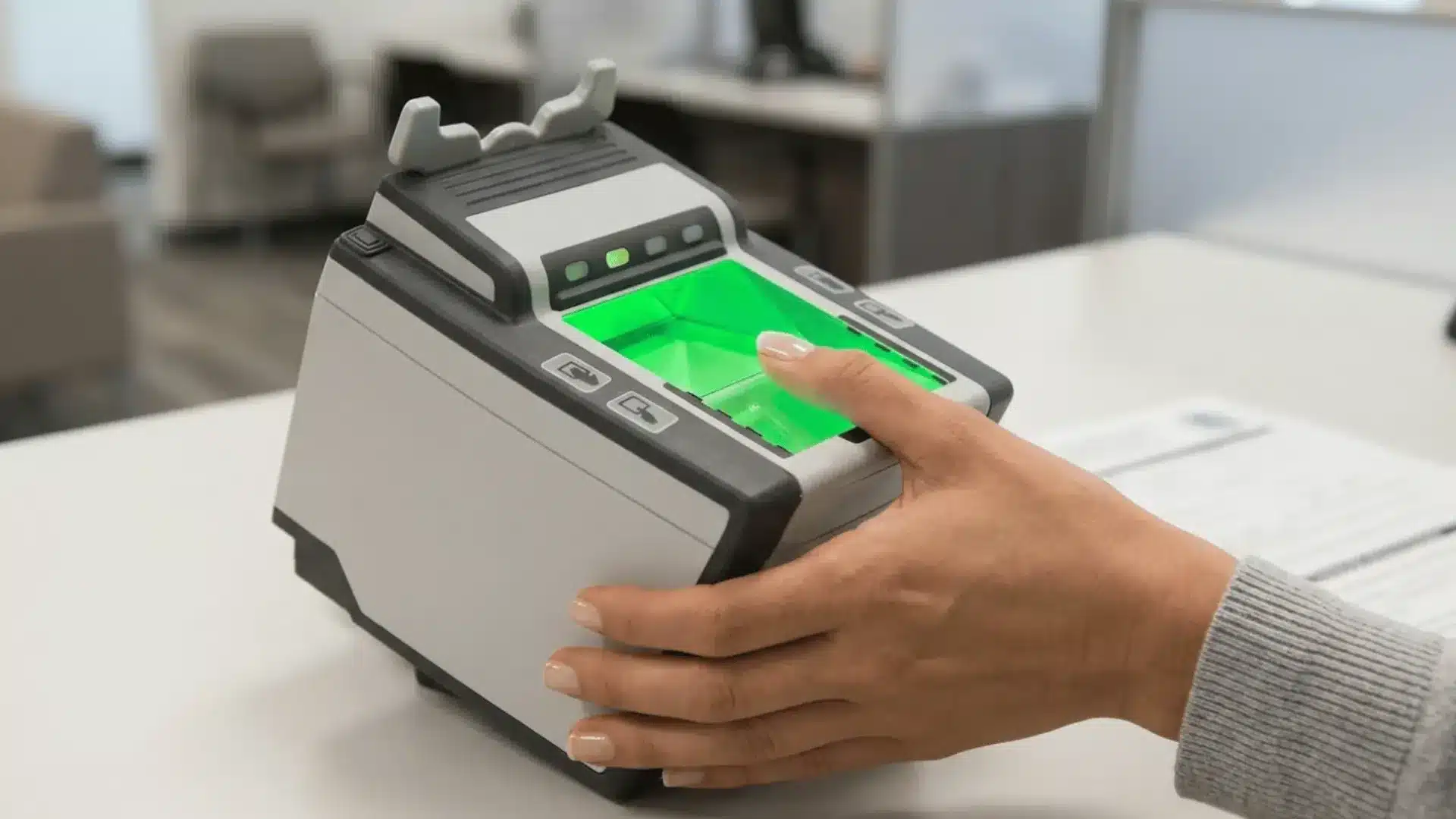
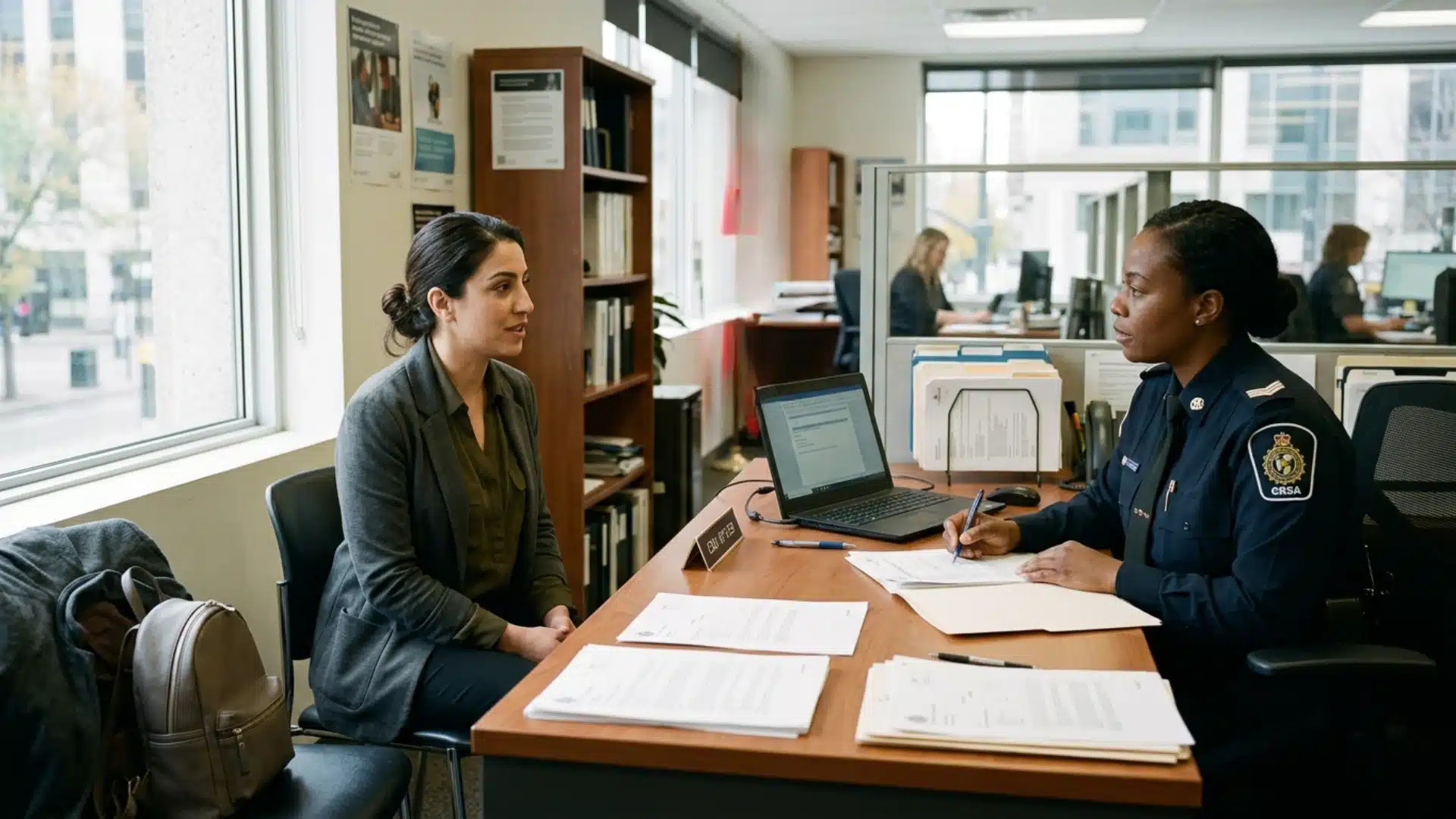
A USCIS officer will review your I-485 application, verify your documents, and ask questions to confirm you’re eligible for permanent residency.
That’s the official description. In practice, it’s a structured conversation where the officer checks two things: does your story match your paperwork, and does your paperwork match reality?
Most interviews last 20 to 30 minutes. If your case is straightforward, clean history, solid documents, and no red flags, it can feel almost routine.
If your case has complications, such as prior overstays, criminal records, or inconsistencies in your application, expect it to run longer and become considerably more specific.
You’ll be asked to swear an oath to tell the truth before answering any questions. This isn’t a formality. Any false statement made after that oath is a federal offense.
So if you are unsure about something, it is always better to say “I do not recall” than to guess wrong.
Officers are trained to distinguish honest uncertainty from evasion. Honest uncertainty is not a red flag. A confidently wrong answer often is.
What to Bring to Your Interview?
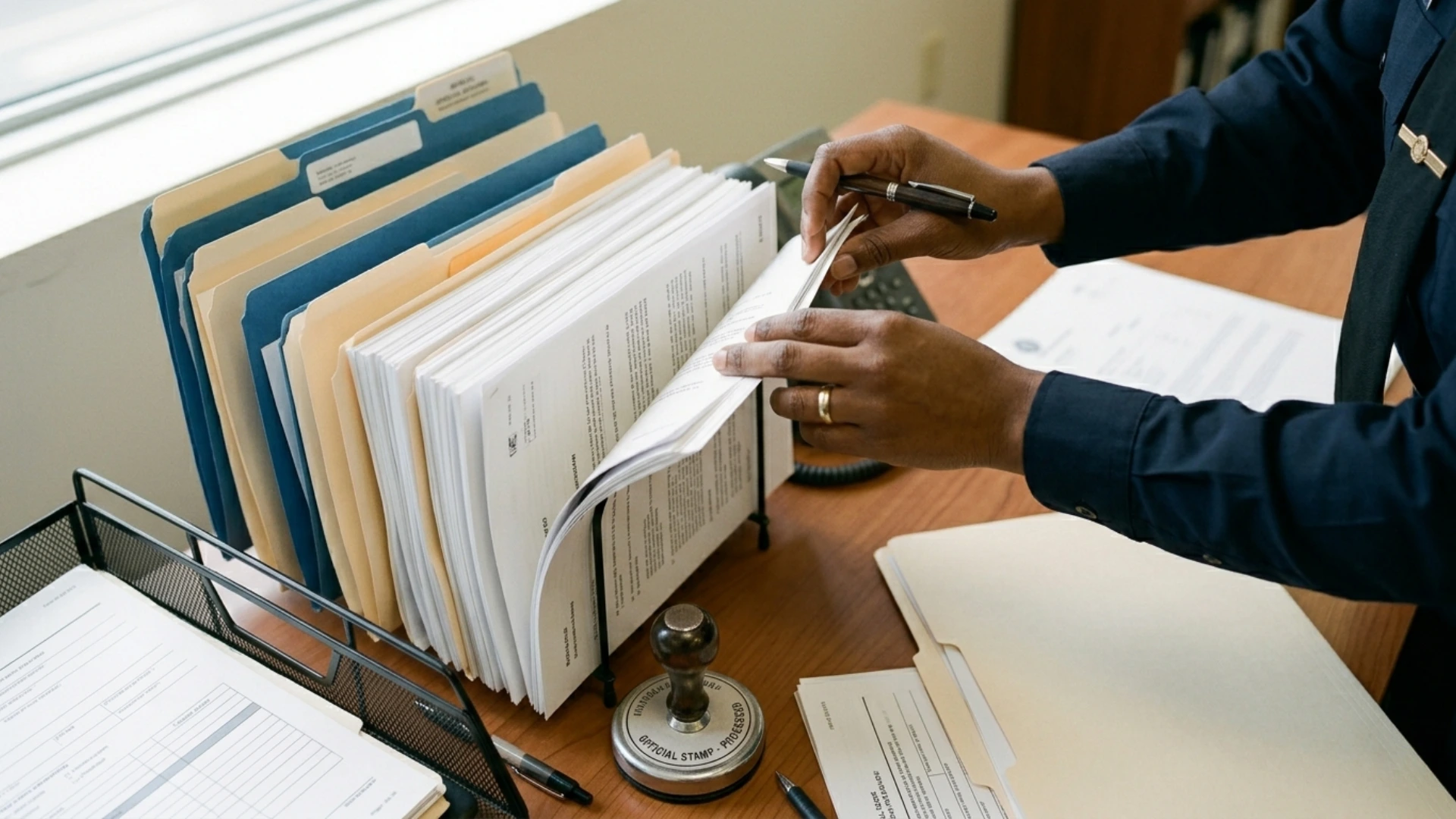
Forgetting a document won’t necessarily kill your case, but it will slow it down. Bring originals and photocopies of everything.
- Government-issued photo ID and passport.
- Interview appointment notice.
- Letters of recommendation, if applicable to your petition type.
- Form I-94 arrival/departure record.
- Original birth certificate, marriage certificate, and any divorce decrees.
- Two passport-style photos in case they’re needed.
- Form I-864 Affidavit of Support with supporting financial documents.
- For marriage cases: joint bank statements, lease agreements, tax returns, utility bills, and photos together.
- Any response to a Request for Evidence (RFE) that was issued on your case.
- Updated documents reflecting any changes since you filed: new address, new employer, or a new child.
- If your foreign degree was used as part of your eligibility, bring your credential evaluation from a NACES-approved evaluator.
Understanding the difference between a green card and a visa before your interview helps set realistic expectations for what the officer is actually evaluating at this stage.
Green Card Interview Questions: Personal and Background
These apply to nearly every applicant, regardless of the type of green card you’re seeking.
- What is your full legal name?
- What is your date and place of birth?
- What is your current address?
- Have you lived at any other addresses in the past five years?
- Are your parents U.S. citizens or lawful permanent residents?
- Have you ever gone by another name or alias?
- What is your highest level of education?
- Do you have any children? Are they living with you?
These questions are mainly used to verify your identity and cross-check your I-485 application. Answer exactly as your forms state.
If your name is spelled differently on your birth certificate than on your passport, mention it proactively. Do not wait for the officer to flag it.
Flagging it yourself signals transparency; being caught in the inconsistency signals the opposite.
Marriage-Based Green Card Interview Questions
This is the section that requires the most focused preparation, and it is the one that most applicants underestimate.
If you’re applying through marriage to a U.S. citizen or permanent resident, the officer’s primary job is to determine if your marriage is genuine, what USCIS calls “bona fide.”
Officers are specifically trained to identify fraudulent marriages, not because every couple is suspected, but because it is a statutory requirement under the Immigration Marriage Fraud Amendments of 1986.
Clients often come to me assuming the document pile alone will carry the interview. Joint bank accounts, lease agreements, and photos together.
All of that matters, but I have sat in on enough interviews to know that officers move past the documents quickly.
Common questions include:
- When and where did you first meet your spouse?
- How long did you date before getting married?
- When and where did you get married? Who attended?
- Did you have a religious ceremony, a civil ceremony, or both?
- Where do you currently live, and what does your home look like?
- What side of the bed does your spouse sleep on?
- What time does your spouse usually wake up?
- What color is your front door?
- Do you share a bank account or credit cards?
- Whose name is on the lease or mortgage?
- What does your spouse do for work?
- What did you do for your last anniversary or birthday together?
- Has your spouse been married before?
- What did you both do last weekend?
- Does your spouse have any siblings? Where do they live?
- What is your spouse’s most recent medical visit or health concern?
The Stokes Interview
In some marriage cases, USCIS authorities will separate you and your spouse and ask you the same questions individually.
This is formally called a Stokes interview, a procedure that gained its name from the 1985 case Matter of Stokes and has been a standard USCIS practice for marriage fraud detection ever since.
Officers compare your answers side by side. Inconsistencies don’t automatically mean denial, but unexplained inconsistencies do raise red flags.
If you and your spouse genuinely disagree on a small detail, that is fine.
Couples in real marriages often remember things differently. What matters is that you are both honest about what you know, and that the overall picture your answers paint is consistent.
Common red flags officers watch for: Living at separate addresses without explanation, no shared financial accounts, large gaps in your timeline together, inconsistent answers on basic household details, and a marriage that happened very soon after a previous immigration issue.
Family-Based Green Card Interview Questions
If a U.S. citizen or permanent resident relative is sponsoring you, expect questions specifically about that relationship.
- What is your sponsor’s full name and date of birth?
- Where does your sponsoring relative currently live?
- How did your relative become a U.S. citizen or permanent resident?
- How often do you see or speak with your sponsoring relative?
- Is your sponsor employed? Do they have enough income to support you?
If a joint sponsor has filed an Affidavit of Support (Form I-864) on your behalf, be prepared to answer basic questions about them as well: their name, their relationship to you, and their general financial situation.
Officers will sometimes ask when you last saw your sponsor in person and what you did together. Have that answer ready.
Vague answers on family-based cases raise the same kind of scrutiny that vague answers raise on marriage-based cases.
In some family-based cases, support letters for immigration from relatives or community members can help reinforce the legitimacy of the relationship when documentation is limited.
Employment-Based Green Card Interview Questions
- What is your current job title?
- Describe what you actually do in your role day-to-day.
- Who is your employer, and what does the company do?
- Are you still employed by the same employer who filed your petition?
- What is your annual salary?
- Have you worked in the U.S. before this petition?
One thing that catches people off guard: if your job has changed since the petition was filed, you need to address it.
“Same or similar” job portability is available under AC21, but you should have documentation ready and, ideally, flag this with your attorney before the interview.
Walking in without a prepared explanation for a job change is one of the more preventable interview complications I see.
Education-Based Green Card Interview Questions
If your green card petition is tied to your academic qualifications, such as an EB-2 with an advanced degree or an EB-2 National Interest Waiver, expect the officer to go beyond your resume.
They want to confirm that your credentials are real, current, and directly connected to the basis of your petition.
- What is your highest level of education, and where did you earn that degree?
- Is your degree from a U.S. institution or a foreign university?
- Has your foreign degree been evaluated for U.S. equivalency?
- What was your field of study?
- Are you currently using your degree in your work?
- Did you complete any postdoctoral research or fellowship programs?
- Have you published any academic papers or research?
- Do you hold any professional licenses or certifications related to your field?
- Are you currently enrolled in any educational program?
- Has any U.S. institution or organization formally recognized your work or expertise?
For National Interest Waiver applicants specifically, the officer may ask you to explain, in plain terms, why your work benefits the United States.
This is not the time for a rehearsed academic speech.
The standard the officer is applying comes from the USCIS policy framework established after Matter of Dhanasar (2016), which asks whether your work has both substantial merit and national importance.
Speak to that in plain, direct language. If you can explain your contribution the way you would explain it to someone outside your field, you are in good shape.
I have had clients who are brilliant researchers but who struggled enormously with this question because they defaulted to technical language.
The officer does not need to understand your methodology. They need to understand why it matters. If your degree is from outside the U.S., bring your credential evaluation report from a NACES-approved evaluator.
Officers won’t always ask for it, but if they do and you don’t have it, it slows everything down.
Immigration History and Legal Background Questions
Every applicant, regardless of case type, will be asked some version of these. They often feel alarming, but they’re standard I-485 questions, not accusations.
- How did you enter the United States? On what type of visa?
- Have you ever overstayed a visa?
- Have you ever worked in the U.S. without authorization?
- Have you ever been arrested, cited, or charged with any crime?
- Have you ever been deported or removed from the U.S.?
- Have you ever lied to a U.S. government official?
- Have you ever been a member of a terrorist organization or military group?
- Are you registered with the Selective Service? (required for males between 18 and 26)
If the honest answer to any of these is “yes,” that doesn’t automatically disqualify you.
Under INA Section 212(f), certain grounds of inadmissibility carry waivers, and eligibility for those waivers depends heavily on how you present the circumstances.
That is why proper documentation and, where needed, legal counsel matter before you walk into that room.
I’ve worked with clients who had minor criminal records from years ago and were still approved, because they came prepared with court dispositions and a clear explanation.
After approval, you will want to locate your green card number for future filings and employer verification. Understanding where to find it on your card saves time when that need arises.
How to Actually Prepare: Not Just What to Read
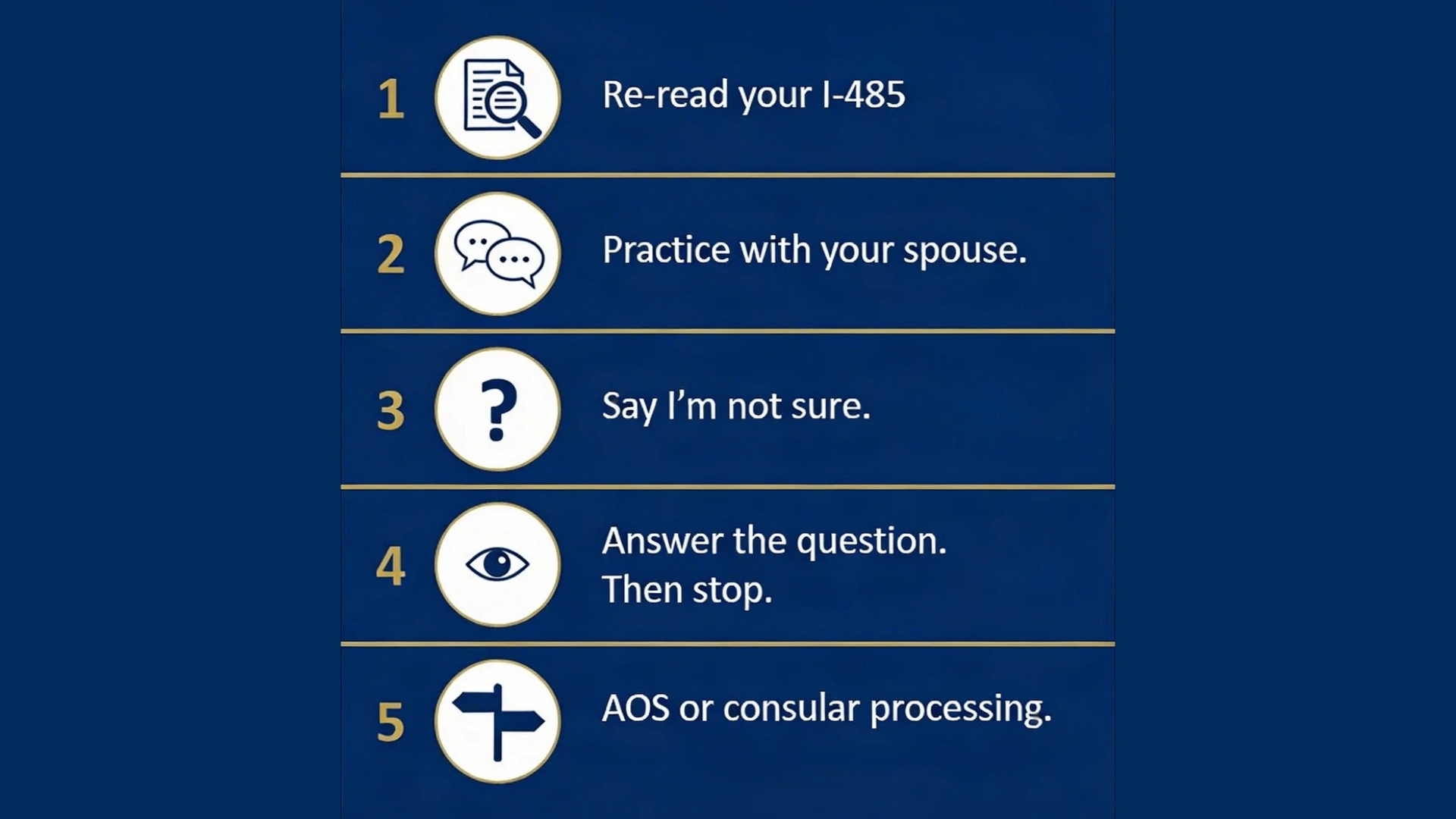
Reading lists of questions is useful. But it’s not the same as preparation. Here’s what actually works.
1. Review Your Application as if You Have Never Seen It
Go through every page of your I-485 and supporting forms. Anything you filled out 6 months ago may not be fresh in your memory.
Officers sometimes ask very specific questions drawn directly from your application: your employer’s address, your mother’s exact date of birth. Stumbling on those creates unnecessary doubt.
2. Do a Practice Run with Your Spouse
If you are applying through marriage, sit down together and quiz each other on household details, your relationship timeline, and personal habits.
Not to get your stories straight, but to see where you genuinely do not know each other’s answers. Those are the gaps worth working on before the interview, not after.
3. Know What You Do Not Know
It is completely acceptable to say “I am not sure” during the interview. What raises flags is confidently stating something incorrect.
Officers are experienced at distinguishing honest uncertainty from evasion. Honest uncertainty is forgivable. A pattern of wrong confident answers is not.
4. Prepare for Body Language, Not Just Content
Nervousness is expected and understood. What matters is that you are not evasive. Maintain natural eye contact, answer the question that was actually asked, and do not volunteer information that was not requested.
Over-explaining an answer unprompted is one of the most common interview behaviors that officers note as a potential red flag, even when the person is being completely truthful.
Answer the question. Then stop.
5. Understand the Difference: Adjustment of Status vs. Consular Processing
If you are applying from outside the U.S., your interview takes place at a U.S. Embassy or consulate abroad and is conducted by a State Department officer under the Foreign Affairs Manual, not USCIS.
The questions are similar, but the tone, documentation standards, and review process can differ. Adjustment of status interviews take place inside the U.S. at a USCIS field office.
Knowing which process applies to you shapes how you prepare.
What Happens After the Interview?

In many cases, the officer will give you an indication at the end: either approval on the spot, a request for additional documents, or a notice that the case needs further review.
If approved on the spot, your green card is typically mailed within a few weeks. If the officer requests more evidence, you’ll receive a written request with a deadline to respond.
Treat that deadline as firm. Missing it can result in denial without further review. If your case is flagged for additional review, that doesn’t mean denial; it means a longer wait.
If your application is denied, you’ll receive a written notice explaining why. You may have the option to appeal or file a motion to reopen. Don’t make that call without speaking to an immigration attorney first.
Conclusion
Walking into a green card interview is a significant moment, and it should be. But it doesn’t have to be the most stressful one in your immigration journey.
The applicants who do well are not always the ones with the cleanest cases.
They’re the ones who understood what the officer was actually looking for, prepared their documents properly, and answered honestly, even when the question felt uncomfortable.
Whether you’re preparing for marriage-based green card interview questions, employment-based questions, or anything in between, the core principle stays the same: your answers should match your application, your application should match your life, and your documents should back all of it up.
If something in your history gives you pause, a prior arrest, a gap in your immigration record, or a job change after your petition was filed, don’t hide it and hope it doesn’t come up.
It almost always does. Address it proactively, with documentation, and ideally with counsel who knows how to frame it properly.
The interview is not designed to trip you up. It’s designed to confirm that you are who you say you are. Go in prepared, go in honest, and give the officer every reason to approve your case on the spot.
Have a question about your specific case type, marriage-based, employment, family, or education? Drop it in the comments below.
Frequently Asked Questions
Can I Bring an Attorney to My Green Card Interview?
Yes. You have the right to have an immigration attorney present. If your case has any complications, prior criminal history, previous visa violations, or a complicated relationship timeline, having counsel in the room is worth it.
What if My Spouse and I Give Different Answers?
Minor discrepancies in small details are common and don’t automatically mean denial.
What matters is whether the overall picture of your relationship is consistent and supported by documentation. Significant inconsistencies may lead to an RFE or a follow-up Stokes interview.
Can I Reschedule My Green Card Interview?
Yes, for valid reasons like a medical emergency or a scheduling conflict. Contact USCIS as early as possible. Repeated rescheduling without a valid reason can significantly delay your case.
How Long Does the Interview Take?
Most interviews run 20 to 30 minutes for straightforward cases. Complex cases, especially those flagged for marriage fraud review, can take much longer, sometimes over an hour.
What if I Don’t Speak English Fluently?
You can bring a certified interpreter to your USCIS interview. This is especially important if your English isn’t strong enough to understand nuanced questions accurately. Misunderstanding a question and giving an unintended answer is a preventable risk.