
ABOUT THE AUTHOR




Some terms quietly follow people through everyday life without ever being fully understood. DMV is one of them. It shows up on forms, license renewals, and even casual conversations, yet many people still stop and wonder, what does DMV stand for when they actually need to know. That moment of uncertainty often comes at the time, like filling out paperwork or dealing with something official. Working in civil rights and constitutional law, I have seen clients encounter both meanings in the same week. One is dealing with a license suspension, another is asking about federal employment in the DMV area. The confusion is more common than you would think, and the consequences of getting it wrong are real. Knowing which definition applies in context matters more than most people realize. A Brief History of the DMV In the early 1900s, cars became widely available before any standardized rules for driving existed. In many states, a self-declaration of basic traffic knowledge was all that was required to get behind the wheel. The predictable result was a sharp rise in accidents as untrained drivers shared roads with pedestrians, horses, and bicycles. States gradually introduced driving tests, but these were conducted inconsistently with no central oversight. That gap led governments to establish what were initially called “motor centers,” the precursors to the modern DMV. California formally established its Department of Motor Vehicles in 1931. Today, every U.S. state has an equivalent agency, even if it goes by a different name. What Does DMV Stand For? DMV stands for Department of Motor Vehicles, which is the official government agency responsible for handling driver and vehicle-related services. It operates at the state level, not at the federal level, meaning each state in the United States has its own DMV or a similar agency with slightly […]

You spot a perfectly good item sitting on top of a dumpster and wonder: could picking it up actually get you arrested? It is a fair question, and the answer is more nuanced than most people expect. Whether dumpster diving is legal in your area depends on a layered mix of federal precedent, state statutes, and local ordinances that vary from city to city. The short version: federal law generally permits it, but local rules and private property lines are where things get complicated fast. As a civil rights attorney, I have seen people get into real legal trouble over something like this that feels completely harmless. Knowing the difference before you reach into that bin could save you from a trespassing charge, a fine, or worse. The Supreme Court Ruling That Made Dumpster Diving Legal Nationwide The legal foundation for dumpster diving across the entire country comes from one case: California v. Greenwood, 486 U.S. 35 (1988). In that case, the U.S. Supreme Court ruled 6-2 that the Fourth Amendment does not protect trash placed in a publicly accessible area for collection. The reasoning was straightforward. Once you drag your trash bags to the curb, you voluntarily expose them to the public, including neighbors, animals, and scavengers. The Court held that this voluntary exposure eliminates any reasonable expectation of privacy. What this means practically is that trash left at the curb, or in any publicly accessible area, is considered legally abandoned. Anyone can take it without violating federal constitutional law. This ruling set the baseline for every state in the country. However, and this is the part most people miss, Greenwood only applies to trash in publicly accessible spaces. The moment a dumpster sits behind a locked gate or on clearly private property, federal protection does not help you […]

When a dispute gets serious, going to court may seem like the obvious next step. But not every disagreement needs a courtroom, a judge, or a long legal battle. Many disputes can be resolved through alternative dispute resolution (ADR). Two of the most common ADR methods are mediation and arbitration. They sound similar because both involve a neutral third party and both usually happen outside court. But they work very differently. The main difference between mediation and arbitration is control. In mediation, the parties work toward an agreement of their own. In arbitration, the arbitrator hears both sides and makes a decision. That single difference affects cost, privacy, timeline, risk, and the finality of the outcome. What Mediation Really Means Mediation is a process where a neutral mediator helps both sides communicate and reach a voluntary agreement. Mediation works best when both sides are still willing to talk. It is often used in workplace disagreements, family matters, business disputes, contract issues, and situations where the relationship still matters. The mediator does not act like a judge. They do not decide who is right. They do not force either side to accept a result. Their role is to keep the conversation focused and help both parties find common ground. The outcome is not binding just because mediation happened. It becomes binding only when both sides agree to the terms and sign a settlement agreement. If no agreement is reached, the parties may still move to arbitration, litigation, or another legal option. How the Mediation Process Works Mediation usually starts when both parties agree to try it, or when a contract, court, or organization requires mediation before another step. First, the parties choose a mediator. The mediator may review basic documents or speak with each side before the session. This helps them […]
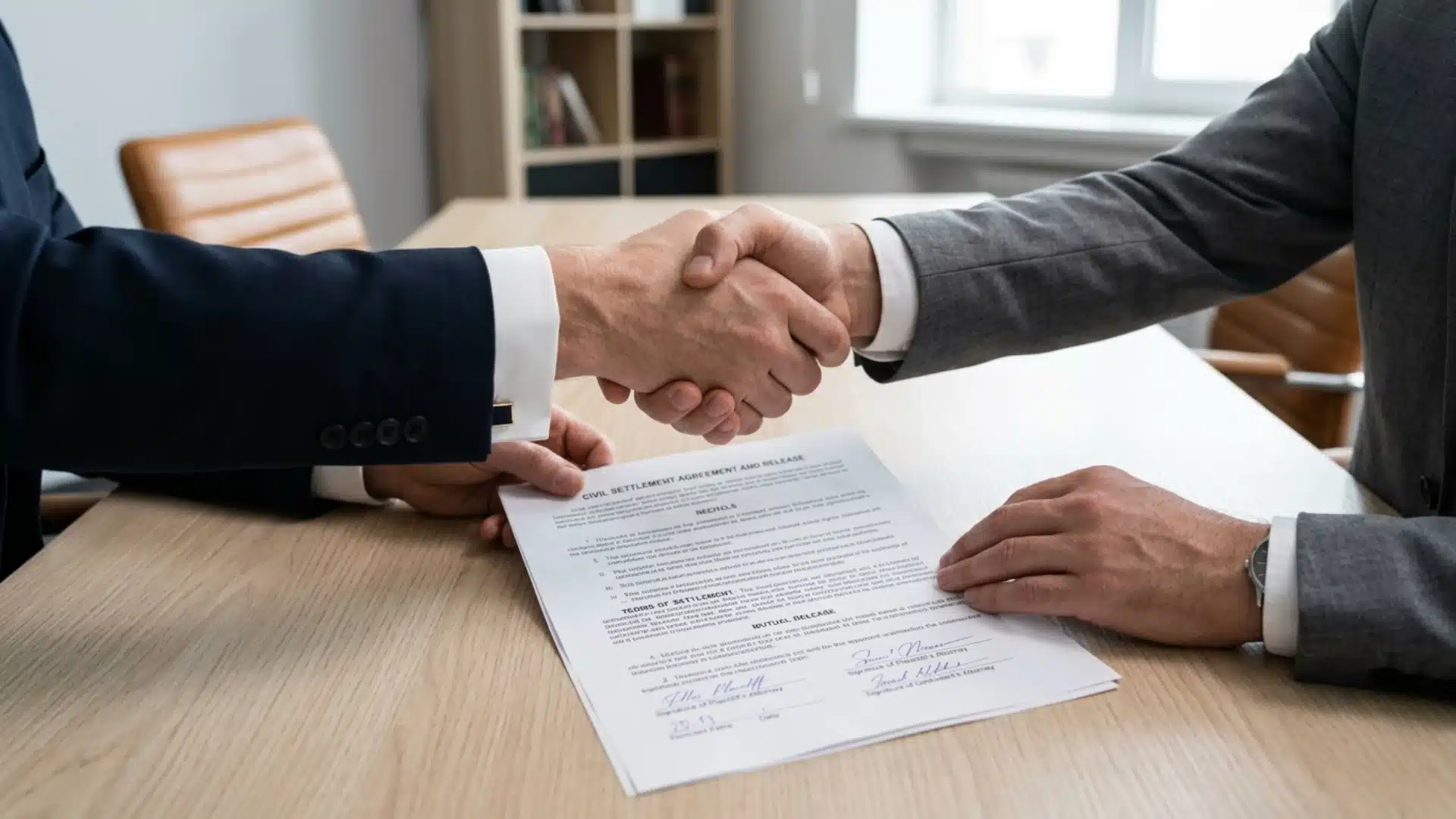
One court notice can change an ordinary day into weeks of stress, unanswered questions, and constant waiting. Many people facing legal action suddenly start searching for answers, like how long does a lawsuit take, because the process feels confusing from the very beginning. The paperwork, deadlines, court hearings, and legal terms can quickly become overwhelming, especially for someone unfamiliar with what a civil suit is or how the system actually works. Some cases move quickly, while others seem to drag on endlessly with no clear finish line in sight. That uncertainty often becomes the hardest part. Knowing the typical civil lawsuit timeline can bring a sense of control during an already frustrating situation. Whether the case involves a personal dispute, accident claim, or business issue, understanding the legal process early can help reduce fear and make each stage feel far less intimidating. What is a Civil Suit? A civil suit is a legal case between people, businesses, organizations, or government bodies. One side claims that the other side caused harm or failed to meet a legal duty. The person or party bringing the case is called the plaintiff. The person or party being sued is called the defendant. Civil cases are different from criminal cases. A criminal case is brought by the government to punish a crime. Common civil suits include personal injury claims, contract disputes, property disputes, employment claims, etc. A civil case begins when the plaintiff files a complaint with the court. The complaint explains what happened, how the defendant caused the harm, and the relief the plaintiff seeks. That relief may include money damages or a court order. One important note before diving in: every state has a statute of limitations, a legal deadline to file your lawsuit. If you miss it, and the court will bar […]

Sometimes, situations get out of hand, and you need a clear way to tell someone to stop without going straight to court. That is where a legal notice can help. In simple terms, what is a cease and desist letter is a written request asking a person or business to stop doing something that is causing harm, loss, or trouble. As a legal rights attorney, I work with clients who often come in assuming their only option is court. In most cases, a well-drafted cease and desist letter is the right first step. It sets a clear boundary, creates a written record, and gives the other side a chance to correct their behavior before a lawsuit becomes necessary. Most disputes never need to go further than this. In this blog, you will learn what this letter means, why people send it, when it can be used, what to include, what to avoid, and how to draft one in a clear and proper way. What is a Cease and Desist Letter? A cease and desist letter is a formal written notice that asks someone to stop a specific action. It is often used when a person or business believes their rights are being affected. The letter clearly explains the issue and demands that the activity end within a set time. This type of letter is usually sent by an individual, a company, or a lawyer acting on their behalf. It is directed to the person, group, or business responsible for the action in question. It is important to know that this letter is not always legally binding on its own. It does not carry the same weight as a court order. However, it shows intent to take the matter seriously and can be used as evidence if the issue later goes […]
Missing a court date can be stressful, and it often raises questions about what happens next. Sometimes, the court responds by issuing a legal order that allows law enforcement to act, which can feel overwhelming if you’re not familiar with the process. Understanding how these situations work is important so you can handle them without unnecessary panic. In this blog, I’ll walk you through what an FTA warrant is, how it differs from other court issues, and what steps you can take to address it. You’ll also learn what to expect from the courts, the potential consequences if it’s left unresolved, and practical ways to manage the situation efficiently. By the end, you’ll have a clearer idea of how to protect yourself and take the right actions quickly. What is an FTA Warrant? An FTA warrant is a court order issued when a person fails to appear for a scheduled hearing. It gives law enforcement the authority to locate and take the person into custody. While it may sound intimidating, it’s essentially the court’s way of ensuring that the case moves forward and that people follow court orders. The key difference between an FTA warrant and an FTA charge lies in how the law responds to each. An FTA charge is the formal record of missing a court date, which could lead to additional penalties or a new case. An FTA warrant, on the other hand, is the tool the court uses to enforce that charge; it allows officers to make an arrest if necessary. In Nevada, the governing statute is NRS 199.335, which defines failure to appear and sets out penalties based on the severity of the original charge. Under this law, courts issue a bench warrant as soon as a required hearing is missed. If you do not surrender […]
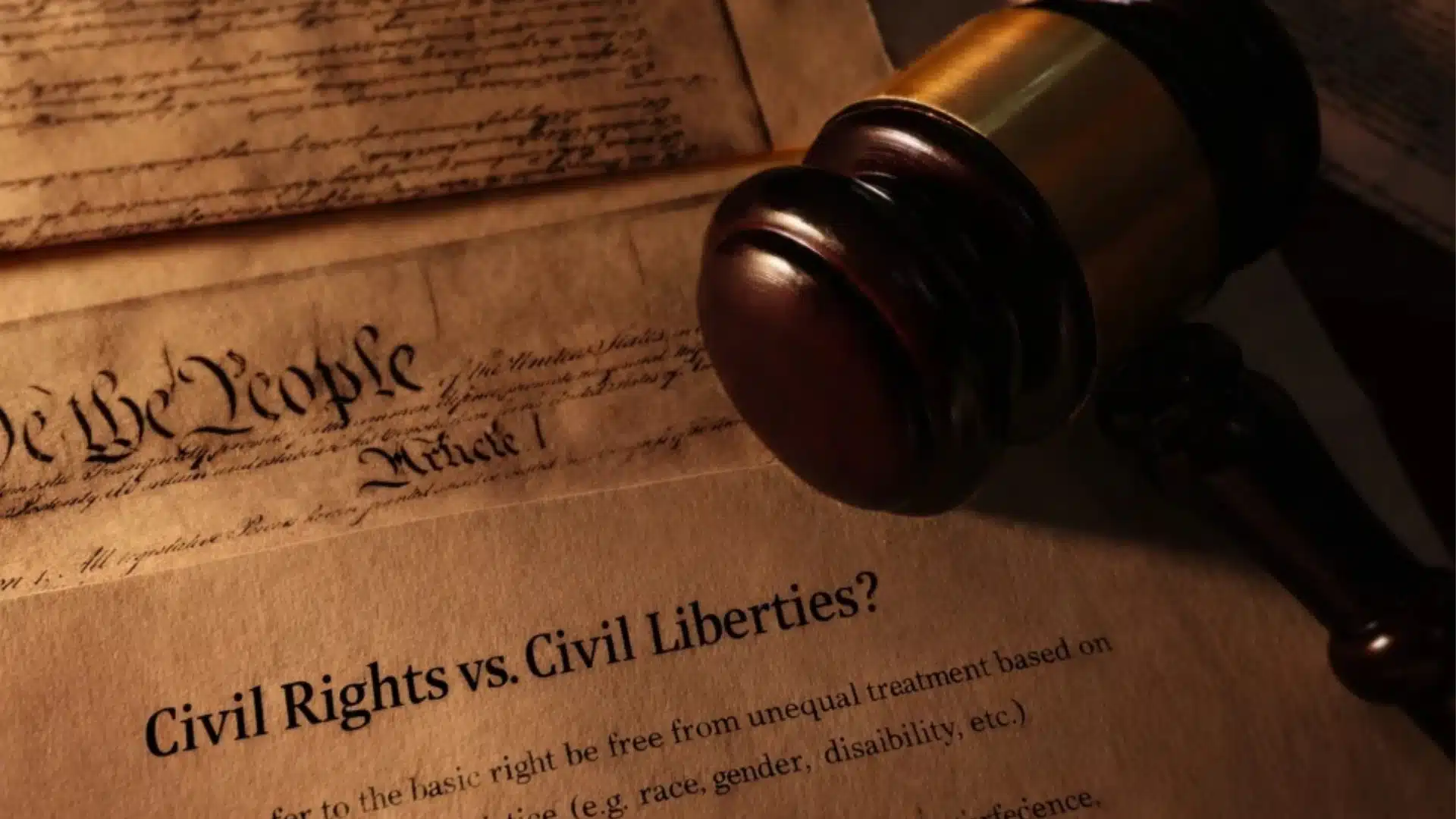
Most people use the terms “civil liberties” and “civil rights” as if they mean the same thing. I used to hear clients make this mistake constantly, and it cost them, because framing the wrong claim against the wrong party is how cases get dismissed before they even reach a courtroom. The core difference between civil liberties and civil rights comes down to this: civil liberties protect your individual freedoms from government interference. While civil rights protect you from discrimination, they can also be violated by private parties, not just the government. That single distinction determines who can be sued, which law applies, which court has jurisdiction, and what remedies are available. In this blog, I break down what each term actually means, walk through real examples, and explain why the distinction matters in situations most people encounter, including workplace conflicts, police stops, and digital privacy. If you have ever wondered which concept protects you and when, this is where to start. What Are Civil Liberties? Civil liberties are the fundamental freedoms that governments cannot deprive people of without due process. Think of them as a fence around your personal autonomy. These are not granted by politicians. They are natural rights every person holds simply by being human. In the United States, they are primarily codified in the Bill of Rights, with the Fourteenth Amendment extending those protections against state governments. Notice how the First Amendment is written, not “you have the right to speak freely,” but “Congress shall make no law” restricting speech. Whether these protections apply to non-citizens depends on the right in question. Due process and equal protection extend broadly under the Fourteenth Amendment, while some political rights, such as voting, remain limited to citizens. How constitutional protections apply to non-citizens depends significantly on which right is being […]

Business litigation comes into play when things don’t go as planned in a company. You deal with contracts, partners, employees, and competitors every day, and sometimes those relationships fall apart. When that happens, disputes need a legal way to get resolved. It is the process used to handle conflicts tied to how a business runs, the agreements it signs, and the people it works with. This is different from areas like personal injury or family law since the focus stays on business-related issues. These situations can affect both small startups and growing companies. Knowing how this litigation works can help make better decisions when problems show up. This guide breaks down what triggers these disputes, how the process moves forward, what options exist before going to court, and how it compares to commercial litigation, so there is a clearer view of what to expect. What is Business Litigation? Business litigation is the formal process used to resolve disputes that arise within a business setting, usually through civil courts. For those newer to legal terminology, understanding litigation broadly helps frame what makes the business context distinct. These disputes can involve contract issues where agreed terms are not followed, conflicts between partners over roles or profit-sharing, shareholder disagreements related to control or returns, and employee claims such as wrongful termination or unpaid wages. It is different from general civil cases, which can cover any dispute between private individuals. Business litigation stays focused on relationships and obligations that come from running a company. These matters often involve greater complexity, including multiple parties, detailed agreements, and defined legal duties that require careful handling. A business usually turns to legal action when negotiation or mediation does not lead to a solution. It also becomes necessary when financial stakes are high or when rights and assets are at […]

Types of child custody can feel confusing at first. Separation or divorce is already tough, and when kids are involved, things tend to get more complicated, especially when parents have to decide how custody will work. Understanding this early can help reduce stress and avoid unnecessary conflict. Many parents assume custody is simple, where one parent has it and the other does not, but that is not how it actually works. Custody includes different rights and responsibilities, and each situation can look very different depending on the family. Courts do not follow a fixed pattern; their main focus is what works best for the child, so the final arrangement can vary from one case to another. This blog explains the main custody arrangements in a clear, simple way, while also covering how courts decide and the factors that matter most, so you can better understand the process. What is Child Custody? Child custody refers to the legal rights and responsibilities a parent has over a child after separation or divorce, including where the child lives, who makes important decisions, and how time is shared between parents. Courts do not automatically favor one parent; they focus on what works best for the child, known as the best interests of the child standard. Judges consider several factors when deciding custody, including the child’s age, each parent’s ability to provide a stable environment, and the relationship the child has with both parents. In some cases, parents can agree on custody terms through mediation or negotiation, and the court usually reviews and approves that agreement. Custody is not limited to divorce cases, as unmarried parents, grandparents, or even other relatives can request custody, and courts handle these situations using the same approach. The legal process can vary depending on the type of case, such […]

Denied disability benefits and wondering if hiring a lawyer could change the outcome? Many applicants file with hope, only to receive a denial letter after the initial review. That first rejection often raises a serious question: Do the chances of winning disability with a lawyer actually improve The short answer is yes, and the data is broadly consistent. Legal support may help strengthen medical evidence, meet strict social security requirements, and present a clearer case before an administrative law judge. Location also plays a role. Approval trends can differ by region, including areas such as the South Bronx or North Carolina, where hearing office data may impact overall success rates. This blog breaks down the numbers, explains how representation affects outcomes, and helps clarify what applicants can realistically expect. Should You Hire a Lawyer for a Disability Claim? In many cases, yes, as it can improve your chances because the Social Security process is rule-based and evidence-driven. A Government Accountability Office (GAO)study of Social Security disability hearings found that, at the ALJ hearing level, claimants with legal representation were allowed benefits at a rate nearly 3 times higher than those without a representative. At the ALJ hearing stage, national approval rates for represented claimants run significantly higher than for those who appear without counsel. Approval depends on detailed medical records, clear work limitations, and strict SSA compliance. Many denials happen due to procedural or evidentiary gaps, not lack of disability. A diagnosis alone is not enough, as SSA requires specific details on how a condition limits work activities. Attorneys help obtain Residual Functional Capacity forms that clearly define physical and mental limits, which carry strong weight at hearings. They also manage deadlines, gather evidence, and reduce errors. At hearings, they prepare claimants and align arguments with SSA rules. Understanding outstanding […]