
ABOUT THE AUTHOR




One letter, one defective product, one paycheck that seemed a little too small. Sometimes, that’s all it takes to uncover a problem affecting thousands of people. You probably didn’t expect to take on a corporation alone, and most people in this situation never planned to. Maybe you received notice of a data breach, discovered a trusted product caused harm, or learned your employer had been underpaying workers for years. Whatever brought you here, you’re likely asking the same question: Did this happen to others too? If the answer is yes, a class action lawsuit may provide a path to accountability and compensation. Whether you’re in Denver, elsewhere in Colorado, or anywhere in the United States, understanding how class actions work and how to choose the right class action lawyer can significantly influence the outcome of your case. What Does a Class Action Lawyer Do? A class action lawyer manages every stage of a group lawsuit, from the initial investigation to the final distribution of any settlement or judgment. When you first speak with one, they’re assessing whether your situation meets the legal requirements for a class action and whether others were harmed in the same way. If the case proceeds, the attorney investigates the alleged wrongdoing, gathers evidence, and builds the legal foundation for the claim. They then seek class certification, asking the court to formally recognize the group. To succeed, the lawyer must show that the class is large enough, the claims share common issues, and the representatives can fairly protect everyone’s interests. After certification, the attorney handles discovery, negotiations, and, if necessary, trial. If a settlement is reached, they also help oversee compensation for class members. In practice, your lawyer is the one advocating for your interests throughout the case. Types of Cases a Class Action Attorney Handles […]
A legal dispute rarely starts in a courtroom. It often begins with a broken agreement, an unexpected injury, a business conflict, or a disagreement that refuses to go away. What seems like a straightforward issue can quickly become complicated when deadlines, legal procedures, and financial stakes enter the picture. That is where a civil litigation lawyer often becomes a critical part of the process. Whether the dispute involves individuals, businesses, property, or contracts, the path from conflict to resolution follows a structured legal framework. In this blog, we’ll break down what you need to understand about the framework that can make a significant difference when important rights, responsibilities, and outcomes are on the line. What Does Civil Litigation Mean? Civil litigation is the legal process used to resolve non-criminal disputes between private parties through the court system. It involves a plaintiff bringing a claim against a defendant to seek a legal remedy, often financial compensation or a court order requiring or stopping certain action. In Colorado, state civil litigation follows the Colorado Rules of Civil Procedure, which guide timelines, filings, and court procedures in district courts. Unlike criminal cases, the government is not prosecuting charges. Instead, a person, business, or private entity chooses to file a claim. Understanding what litigation is helps to know that civil litigation encompasses many disputes, including personal injury, breach of contract, landlord-tenant disputes, employment disputes, property disputes, and wrongful death claims. A wrongful death case remains civil even when the same incident also leads to criminal charges. The Core Role of a Civil Litigation Lawyer A civil litigation lawyer manages legal disputes for both plaintiffs and defendants, and most of the case is built long before a trial begins. Their work covers strategy, procedure, evidence, and advocacy at every stage of the dispute. During the […]
A restraining order can affect where you live, who you can contact, your firearm rights, child custody arrangements, and even future employment opportunities. Protection order cases often move through the court system quickly, leaving little time to understand your rights or prepare for the hearing ahead. Whether you need protection from harassment, stalking, or domestic violence, or you have been served with a protection order and need to defend yourself, the outcome can have long-lasting legal and personal consequences. Understanding how courts handle these cases is essential if you want to avoid costly mistakes and protect your interests. Working with an experienced restraining order attorney can help you navigate the process, gather evidence, and present the strongest possible case. This blog post covers how to get a restraining order in Colorado, how to file, what happens at hearings, how to contest a protection order, what an attorney does, and when you need one. What is a Restraining Order? A restraining order is a court order that prohibits a person from contacting, approaching, or threatening another person. Courts issue them to protect individuals from domestic abuse, harassment, stalking, sexual assault, and credible threats of harm. Depending on the state, these orders may also be called orders of protection, protective orders, or civil protection orders. The legal standard, duration, and conditions vary by jurisdiction, but the core function is the same: restrict access before harm occurs. Common conditions include no-contact restrictions by phone, text, email, or social media; stay-away orders from a person’s home, workplace, or children’s school; and, in domestic violence or extreme-risk cases, a requirement to surrender firearms. Types of Protection Orders Most states issue three tiers of protective orders. The names differ slightly by state, but the structure is consistent across the country. 1. Emergency Protection Order (EPO) An […]

Understanding the statute of limitations in Georgia is essential for anyone considering legal action or facing potential legal claims. These laws establish strict deadlines for filing lawsuits and prosecuting criminal offenses, varying based on the type of case involved. Missing a deadline can result in the loss of the right to pursue compensation or legal remedies. Whether you’re dealing with personal injury claims, property disputes, contract issues, or criminal matters, knowing the applicable time limits is critical. This guide explains Georgia’s statute of limitations for both civil and criminal cases, helping you understand your legal rights and obligations. What is a Statute of Limitations? A statute of limitations is a law that sets a fixed time window for initiating legal action. Once that window closes, Georgia courts will dismiss the case even if the underlying claim is valid and well-documented. The purpose is practical: evidence degrades, witnesses forget details, and documents get lost. Time limits exist to keep litigation anchored to events that can still be fairly reconstructed. Georgia enforces these deadlines strictly. There is no grace period for being close. A lawsuit filed one day after the deadline runs the same risk of dismissal as one filed three years late. Note: This section is for informational purposes only and does not constitute legal advice. Consult a qualified attorney to determine which deadlines apply to your specific situation. Statute of Limitations in Georgia for Civil Cases Georgia’s civil deadlines vary by the type of claim. The table below covers the most common categories. Claim type Time limit Key statute Personal injury 2 years from the date of injury O.C.G.A. § 9-3-33 Wrongful death 2 years from the date of death O.C.G.A. § 9-3-33 Medical malpractice 2 years from act; 5-year repose cap O.C.G.A. § 9-3-71 Property damage 4 years O.C.G.A. […]

The Terrance Bethel case quickly became one of the most talked-about criminal investigations connected to the Bahamas. This left many people shocked by the allegations and nonstop court developments. What started as reports of relationship problems and divorce proceedings soon turned into an alleged murder for hire investigation. For many readers, the story feels difficult to ignore because it mixes personal betrayal, criminal conspiracy allegations, and digital evidence that prosecutors claim revealed disturbing intentions. As new legal updates continue to surface, many people are trying to understand what really happened, what the prosecution claims, and how the ongoing Bahamian court proceedings could shape the future of everyone involved. Who is Terrance Bethel? Terrance Bethel is a Bahamas resident who became widely known after being linked to the high profile murder for hire case involving Lindsay Shiver and her estranged husband, Robert Shiver. Robert Shiver filed for divorce in April 2023, citing his wife’s alleged affair with Bethel, a bartender he believed she had been seeing during family trips to the Bahamas. The couple owned a home at the Baker’s Bay Golf and Ocean Club on Great Guana Cay. Lindsay countered the divorce filings with her own accusations, including allegations of physical and mental abuse. Both parties sought primary custody of their three children and sole ownership of their $2.5 million home in Thomasville, Georgia. Bethel, described as 28 years old at the time of his arrest, reportedly had a personal relationship with Lindsay that prosecutors allege predated Robert’s divorce filing. Faron Newbold Jr., a friend of Bethel’s, is alleged to have been the intended hitman in the plot. How was the Plot Discovered? The alleged murder plan came to light by accident. Bahamian police were investigating a separate break-in at the bar where Bethel worked on Guana Cay. During that […]

Missing a court date can create problems that many people do not expect. Some think the court will simply reschedule the hearing. Others assume it was just a small mistake that can be fixed later. In reality, missing court can lead to added penalties, warrants, and more legal trouble depending on the case. An FTA charge often leaves people confused because they are not sure if it is tied to the original case or treated as a separate issue. The process can also move quickly once the court notices the absence. This blog explains what failure to appear means, why courts take it seriously, and what may happen after a missed hearing. It also covers common penalties, possible defenses, and the steps that can help someone deal with the situation before it becomes harder to resolve. What is an FTA Charge? FTA means failure to appear. It happens when a person misses a required court date after being ordered or notified to appear. This can come up in criminal, traffic, probation, or other court-order matters. For example, someone may miss a hearing for a misdemeanor charge, a traffic ticket, or a scheduled court review. Even if the original case seems minor, the missed appearance can create a new legal problem. The court may view the absence as a failure to comply with its order. That can lead to a bench warrant, added fines, bond issues, or another charge, depending on the case and state law. In simple terms, an FTA is not just about being late or forgetting a date. It can turn one court matter into a bigger issue that needs quick attention. As a criminal defense attorney, one of the most common situations I see is a client who missed one court date, assumed it could be sorted […]
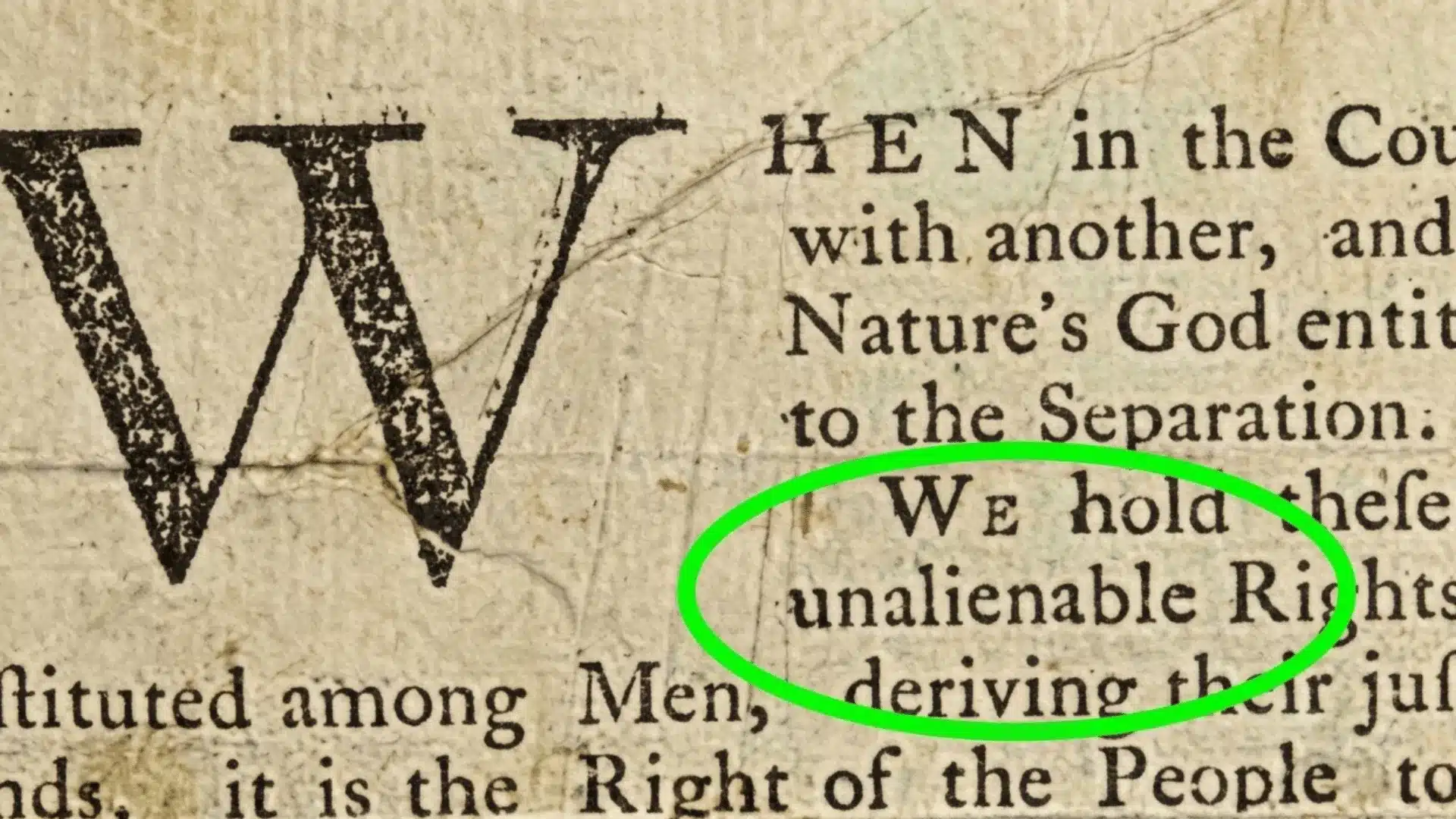
Some phrases from American history sound familiar but still feel hard to explain. “Life, liberty, and the pursuit of happiness” is one of them. These words sit at the heart of the Declaration of Independence, but their meaning goes far beyond a classroom quote. So, what are unalienable rights, and why did the Founders treat them as the foundation of freedom? In simple terms, they are basic human rights that the government does not create and should not take away without a lawful process. As a legal writer, I see this concept as one of the clearest links between America’s founding ideals and today’s constitutional protections. This blog post explains their meaning, origin, and modern importance in plain language. What are Unalienable Rights? Unalienable rights are a category of fundamental rights that cannot be sold, transferred, surrendered, or permanently taken away. They belong to every person by virtue of being human, not because any authority decided to grant them. The term comes directly from the Declaration of Independence. The document states that all people “are endowed by their Creator with certain unalienable Rights.” This framing was deliberate. By grounding these rights in human nature rather than government authority, the Founders made the argument that no government has the power to remove them. In practical terms, unalienable rights function as a floor below which the legal system cannot go. A government can regulate behavior, restrict certain activities through law, and impose consequences for crimes. What it cannot do is permanently strip a person of the fundamental rights that define human freedom Why the Declaration Calls These Rights “Unalienable”? The word “unalienable” comes from property law. In that context, “alienation” refers to the transfer of ownership. When you sell a house, you alienate your interest in it. Something that is “alienable” can […]

What started as a routine bar robbery investigation in the Bahamas quickly became one of the most shocking true crime stories of recent years. Police uncovered a two-word message. Everything changed after that. Lindsay Shiver, Robert Shiver’s wife and a former beauty queen from Alabama, now stands at the center of a murder for hire trial. Prosecutors claim she sent a photo of her husband with the words “Kill him” to her alleged lover and an accused hitman. The case exposed a bitter divorce. Secret relationships. And a criminal investigation that grabbed national attention. In this post, I break down who Robert Shiver is, how investigators uncovered the alleged plot, the charges Lindsay faces, the courtroom twists involving bail, and where the case stands now. Robert Shiver: The Man Behind the Headlines Robert Shiver is not just a name attached to a headline. He is a former college football standout from Thomasville, Georgia, who built a real life after sports and became far more successful in business than he ever was on the field. He played as a long snapper for Auburn University from 2006 to 2008, starting as a walk-on before earning a scholarship through sheer determination. After graduating with a degree in marketing in December 2008, he signed as an undrafted free agent with the Atlanta Falcons in 2009, though he was cut before the season began. Rather than chasing a football career that was not meant to be, Robert shifted his focus entirely to business. He joined Senior Life Insurance Company in Thomasville and worked his way up to Executive Vice President, where he oversees agent development, recruitment, and strategic growth. According to recent reports, his estimated net worth is between $9 and $10 million. He is, by every measure, a self-made success story whose private life […]

What happens when a workplace situation takes an unexpected turn? Sometimes, a single event can set off a chain of developments that leave employees questioning what comes next. While every case is unique, the circumstances surrounding workplace disputes are often influenced by a combination of timing, actions, and broader workplace dynamics. Looking at the bigger picture can provide valuable insight into how these situations unfold and why outcomes can vary so widely. Understanding the factors involved is often the first step toward gaining clarity and setting realistic expectations. Since no two situations are exactly alike, the details matter, and even seemingly minor circumstances can have a significant impact on the overall outcome. In this blog, we’ll explore the key aspects of this topic, what can influence outcomes, and the broader considerations involved. What is Workplace Retaliation? Workplace retaliation occurs when an employer takes adverse action against an employee for engaging in a legally protected activity. Retaliation can include termination, demotion, pay cuts, unfavorable schedule changes, disciplinary actions, or a sudden shift in treatment by management. The critical factor is causation; the employer’s action must be linked to the protected activity rather than occurring by coincidence. Federal law protects employees who report discrimination, harassment, safety concerns, or financial misconduct; file workers’ compensation claims; request reasonable accommodations; or participate in investigations conducted by agencies such as the EEOC. Many state laws provide even broader protections. When evaluating retaliation claims, courts often examine timing, documentation, and consistency. For example, if an employee receives a negative performance review or disciplinary write-up shortly after filing a complaint despite having no prior performance issues, that sequence may support an inference of unlawful retaliation. What is an Adverse Employment Action? An adverse employment action is any employer conduct serious enough to materially affect the terms or conditions […]

Ever signed a document without reading every line, only to wonder later what you agreed to? Arbitration agreements are often included in employment contracts, service agreements, and other legal documents, yet many people are unfamiliar with how they work or how they may affect their rights. Understanding these agreements is important because they can determine how future disputes are resolved. In many cases, disagreements that would normally be handled in court are instead settled through a private process known as arbitration. If you are reviewing a job offer, employment paperwork, or a contract, knowing what an arbitration agreement is can help you make a more informed decision. This blog explains the meaning, purpose, benefits, and potential drawbacks in simple terms. What is an Arbitration Agreement? An arbitration agreement is a legal agreement between two parties that requires certain disputes to be resolved through arbitration instead of a court lawsuit. Arbitration is a private process where an independent third party, known as an arbitrator, reviews the facts, listens to both sides, and makes a decision. These agreements are commonly found in employment contracts, business agreements, and consumer service terms. The main goal is to provide an alternative way to handle disagreements without going through a lengthy court process. The Federal Arbitration Act (FAA) governs most arbitration agreements in the United States and generally makes them enforceable in federal and state courts. Depending on the agreement, it may cover issues such as workplace disputes, contract disagreements, or other legal claims. The specific rights and obligations involved can vary from one agreement to another. How Does an Arbitration Agreement Work? An arbitration agreement works by creating a set process for handling disputes outside of court. When a disagreement comes up, the parties follow the steps written in the agreement instead of starting a traditional […]