
ABOUT THE AUTHOR



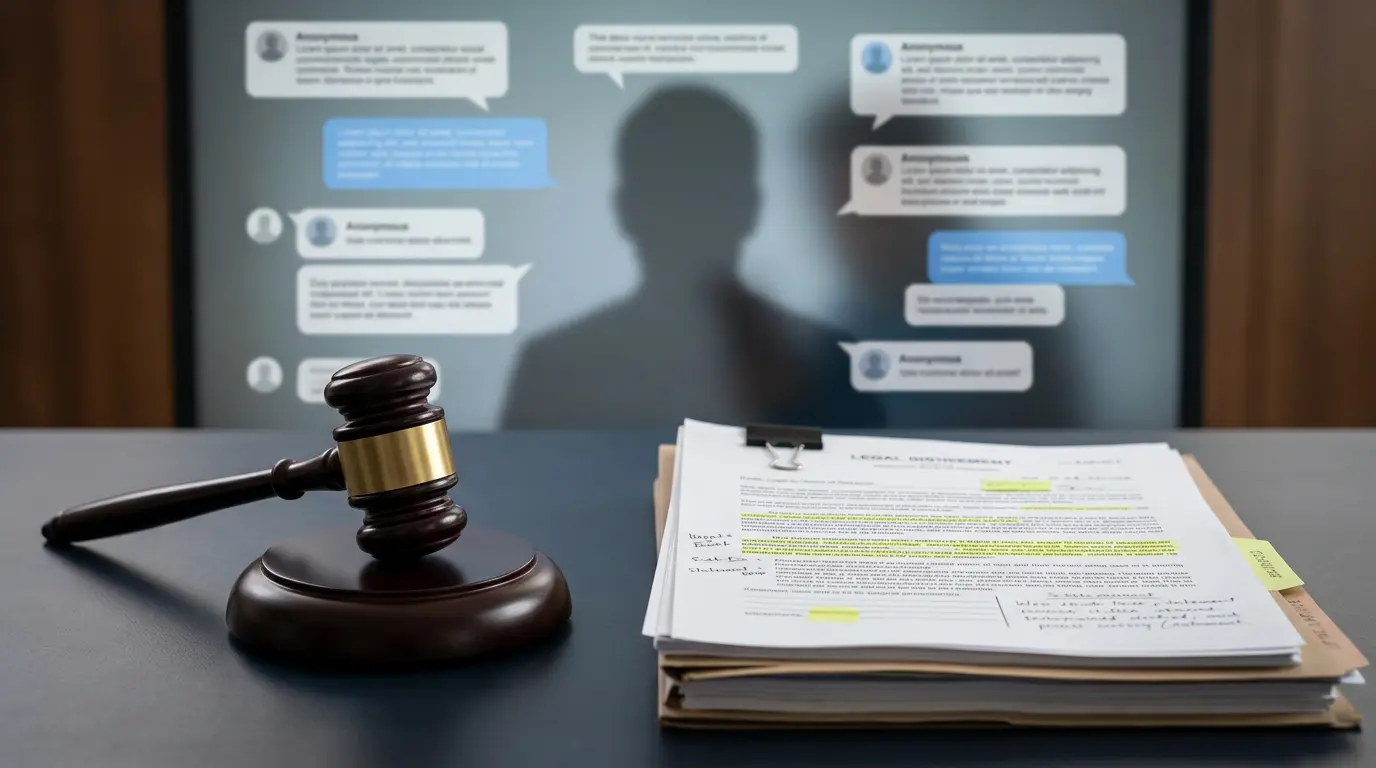
Defamation of character sounds like a courtroom term, but I’ve seen how quickly it can affect everyday life through workplace rumors, online posts, and false claims. A false statement can harm your reputation and relationships. The difficult part is knowing whether that statement creates a real legal issue. Many people confuse insults, opinions, and hurtful comments with the meaning of defamation. The law requires specific elements beyond words that feel unfair or damaging. I’ll explain what qualifies as defamation, what protections exist, and how legal standards separate harmful false claims from speech protected under the law. What Is Defamation of Character? Defamation of character is a false statement of fact that someone shares with another person, and it damages your reputation. That’s the core of it. Not every insult qualifies. If someone calls you lazy in a moment of anger, that’s an opinion. It’s not a factual claim you can disprove, so it doesn’t meet the legal bar. There are two types: Slander: Spoken Defamation Slander generally refers to a false defamatory statement made orally. For example: a coworker might falsely tell your employer that you stole money from a previous job. Because slander is spoken rather than written, proving exactly what was said may depend on witnesses, recordings, or other evidence showing that the statement was communicated to someone else. Libel: Written Defamation Libel generally covers defamatory statements communicated in writing or another recorded form. Examples include: emails, text messages, social media posts, articles, photographs, or other published material. Since the statement may leave a record, a person bringing a claim can often point to the exact language used and show where and how it was shared. What Are the Legal Elements of Defamation? To win a defamation case, you generally have to prove four key elements. Courts look […]
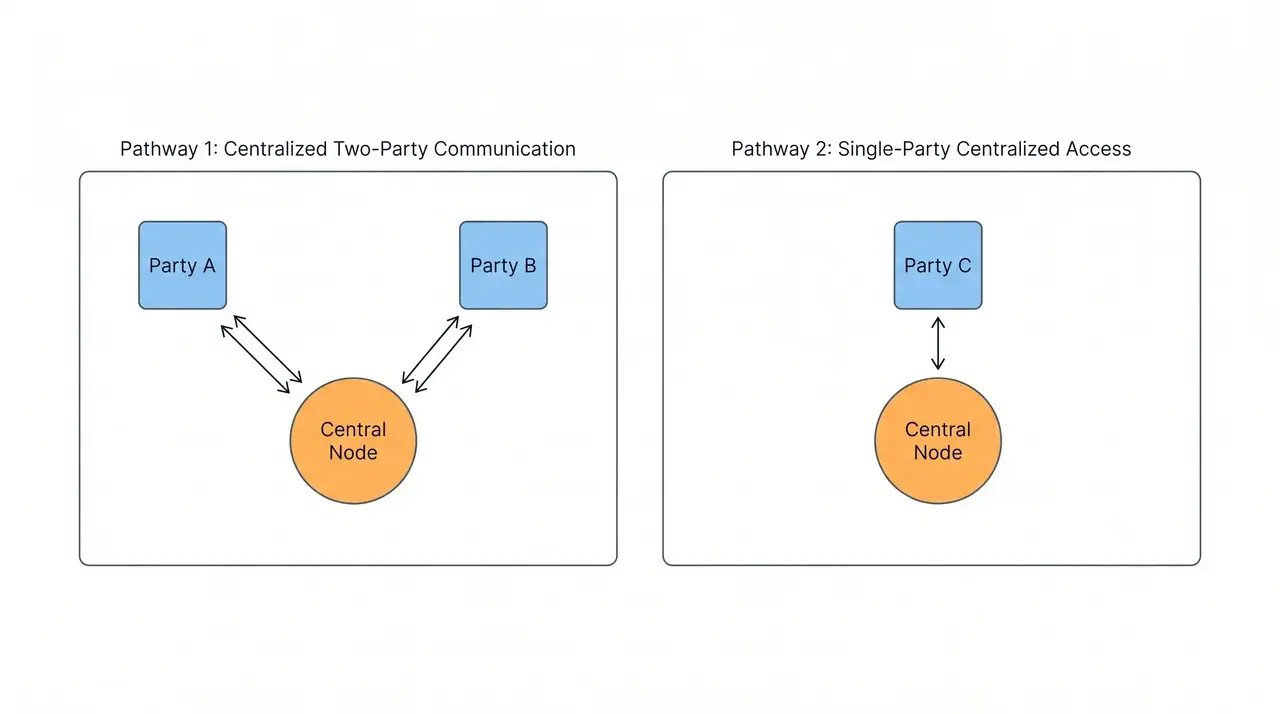
Ex parte is encountered for the first time in a court document or a news story and people walk away more confused than before. The term sounds technical, the concept feels like it shouldn’t exist but there’s a logic to it. The law allows one-sided action precisely because fairness sometimes requires moving faster than both sides can. Understanding where that line sits and what keeps it from being abused tells you something important about how courts actually work. Here’s what you need to know. Ex Parte Meaning Ex parte (pronounced ex par-tay) is a Latin term meaning “from one party.” It describes any legal action a proceeding, motion, order, or communication that takes place without the other side being present, notified, or represented. In most legal systems, both sides must be heard before a judge decides anything. Ex parte is the narrow exception to that rule. It shows up in two distinct situations: formal court proceedings, where a judge acts on one party’s request alone, and attorney-judge communications, where contact outside of court raises serious ethical concerns. Both matter. Both work differently. The article covers each separately. What Is an Ex Parte Order? An ex parte order is a court order issued on the request of one party alone without the other side being notified or given a chance to respond. It’s the most common form ex parte takes in practice. The order carries immediate legal force. The moment a judge signs it, it’s enforceable even though the person it affects hasn’t had a chance to contest it. That’s what makes it different from a standard court order. A standard order follows a hearing where both sides appear. An ex parte order skips that step entirely because the situation doesn’t allow for it. Three conditions typically have to be met […]

When money is stretched thin, paying legal fees can feel impossible. I understand why handling the process yourself may seem like the only realistic option, especially when bills pile up and creditors keep calling. Many people start researching how to file bankruptcy without a lawyer because they want relief without adding another expense. Others look for how to file bankruptcy chapter 13 when they need time to repay debts while protecting property. Filing on your own is legal, but it also puts forms, deadlines, calculations, and court requirements in your hands. One missed detail can delay the case or lead to dismissal. Before making that decision, it helps to understand each step, responsibility, and risk involved, starting with the basics. What Is Chapter 13 Bankruptcy, and Can You File It Without a Lawyer? Chapter 13 bankruptcy is a legal process that allows individuals with a regular income to reorganize their debts and repay some or all of what they owe through a court-approved repayment plan. Yes, you can file the bankruptcy without hiring an attorney. This is known as filing pro se, and federal bankruptcy courts allow individuals to represent themselves. Filing without a lawyer does not change the rules. You must still follow all bankruptcy laws, court procedures, and deadlines. You must complete all forms correctly, submit documents on time, and respond to the trustee or court. Clerks can explain procedures but cannot give legal advice. Errors may delay or dismiss your case. In one California district, fewer than 1% of such cases filed without an attorney were confirmed. How to File Bankruptcy without A Lawyer? Preparing everything before you file can save time and reduce the risk of delays. Involves more than filling out paperwork, so confirming your eligibility and completing the required pre-filing tasks should come before […]

Private browsing is often misunderstood as a way to disappear online. In reality, tools like Chrome’s Incognito mode only protect certain parts of your activity. The Google Incognito lawsuit, also known as Brown v. Google, raised the question of whether Chrome users understood the limits of private browsing. The case focused on claims that Google collected activity data during Incognito sessions, even though users expected greater privacy. The lawsuit ended in a settlement, not a trial verdict. It changed Google’s privacy disclosures and required data-related changes, but it did not create automatic payments for users. Understanding what Incognito protects, what it does not hide, and what the settlement changed helps you use private browsing with realistic expectations. What Is the Google Incognito Lawsuit? The Google Incognito lawsuit was a class action against Google alleging that Chrome users’ activity was collected during private browsing sessions. Brown v. Google was filed in 2020. Plaintiffs argued that Google collected browsing-related information, while users believed that Incognito offered stronger privacy protection. The lawsuit focused on sessions dating back to June 1, 2016. According to court filings and NPR’s reporting on the case, it sought $5 billion in damages for millions of users before ending in a settlement finalized in 2024. Google confirmed in a public statement that the agreement changed privacy practices but included no general payouts to users. What the Settlement Actually Includes The Google Incognito settlement focused on privacy changes, data handling practices, and clearer disclosures. Google updated Incognito explanations and addressed browsing data concerns without providing automatic payments to users. 1. Data Deletion and Record Remediation Deleting existing data was the settlement’s most concrete commitment. Google agreed to delete or remediate certain private browsing records connected to the lawsuit, addressing concerns that information from Incognito sessions was stored in ways users […]

Many people imagine a human rights lawyer arguing before international tribunals, with cameras watching and major decisions shaping history. The reality is usually different. The work often involves case files, asylum interviews, and grant paperwork that helps organizations continue supporting people who need legal assistance. I learned this by spending time around the field myself, and it changed how I describe the role to anyone interested in this career. This explains the daily work, common workplaces, and the real costs involved, including the money and years needed to build this career. Disclaimer: This article is for informational purposes only and is not legal advice. For help with a specific legal matter, consult a qualified lawyer. What is a Human Rights Lawyer? A human rights lawyer represents people whose basic rights have been violated by governments, institutions, employers, or other powerful groups. I used to picture this role as work done mainly in international courts. In reality, the job can happen much closer to home. You may find these lawyers in asylum hearings, legal aid offices, nonprofit groups, government agencies, or private firms that take pro bono cases. The title does not refer to one qualification or courtroom. It describes the kind of legal work being done. What defines the role is simple. The lawyer supports people who have suffered unfair treatment and works to protect what counts as unalienable rights. What Do Human Rights Lawyers Actually Do? A human rights lawyer does far more than argue in court. I found that much of the job happens through research, writing, interviews, and teamwork. The work usually falls into four areas: 1. Direct representation: Helping asylum seekers, trafficking survivors, or people facing discrimination. 2. Impact litigation: Using one case to challenge a wider law or policy. 3. Fact-finding: Interviewing witnesses, checking evidence, […]

When a public figure spends years helping others solve problems, people naturally pay attention when legal and financial trouble reaches their own doorstep. That is exactly why this story has drawn so much interest. If you ask me, the most interesting part is not the bankruptcy itself but what happened after the paperwork was filed. The Dr. Phil bankruptcy case quickly became more than a business restructuring. Court hearings, allegations of bad faith, and questions about deleted evidence changed the direction of the proceedings. Each development added another layer to a case that kept growing more complex. Understanding the full timeline makes it much easier to see why the court ultimately decided liquidation was the only appropriate outcome. What Led to the Dr. Phil Bankruptcy Case Merit Street Media began as a joint venture in late 2023. Trinity Broadcasting Network owned 70 percent, while Dr. Phil McGraw’s Peteski Productions held the remaining stake. TBN agreed to provide distribution and production support, while Peteski supplied original shows led by a new Dr. Phil primetime program. The network launched on April 2, 2024, with access to about 80 million homes. The business soon struggled. Primetime ratings averaged roughly 27,000 viewers in 2024. Merit Street laid off about 40 employees in August 2024, followed by more cuts in June 2025 when the flagship show was paused to reduce costs. After outside funding efforts failed, Peteski provided an $8 million bridge loan. The money kept the company operating temporarily, but it did not solve its financial problems. On July 2, 2025, Merit Street filed for Chapter 11 bankruptcy protection, which allowed it to continue operating while it attempted to reorganize its debts. That same day, the company sued TBN. Merit Street claimed its controlling shareholder had shifted more than $100 million in costs onto […]
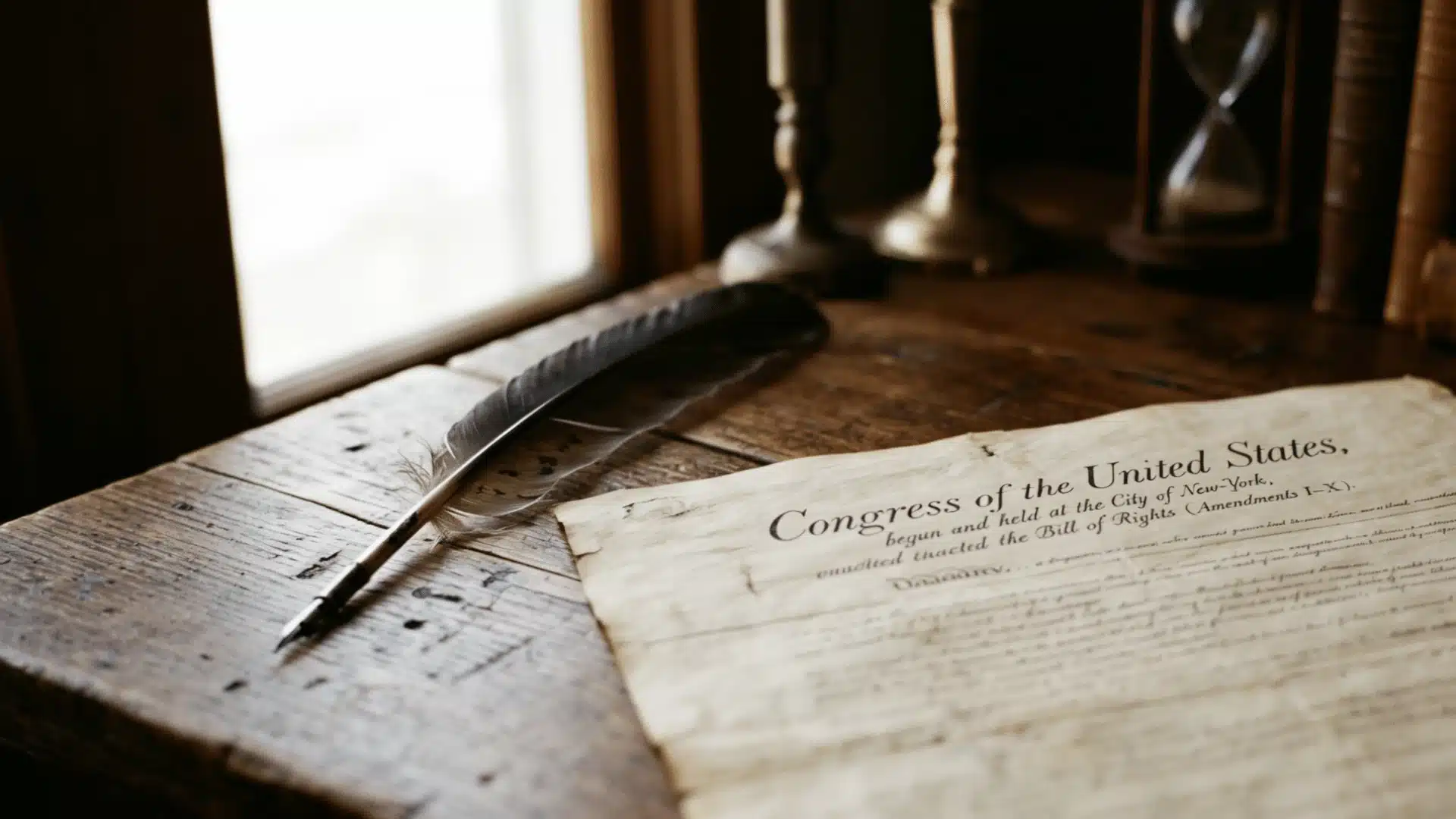
Imagine a constitutional protection so effective that most Americans never have to think about it. The Third Amendment to the U.S. Constitution is one of the least discussed parts of the Bill of Rights, but it plays an important role in protecting 3rd amendment rights related to private home occupancy and military power limits While the forced quartering of soldiers may sound like a problem from another century, the concerns that inspired this amendment, including privacy, property rights, and limits on government power, remain relevant today. Its influence can be seen in broader constitutional doctrines that protect the sanctity of the home and individual liberty. Although it rarely appears in modern courtrooms, the Third Amendment continues to shape important legal principles behind the scenes. In this blog, we examine its text, history, landmark cases, modern significance, common misconceptions, and potential relevance today. What are the 3rd Amendment Rights? The U.S. Bill of Rights is the first ten amendments to the Constitution. It protects basic freedoms and limits the power of the government, including civil liberties vs. civil rights, which are often discussed together but serve distinct legal functions. The Third Amendment is part of these protections and says: “No Soldier shall, in time of peace be quartered in any house, without the consent of the Owner, nor in time of war, but in a manner to be prescribed by law.” This means that in peacetime, soldiers cannot be forced to live in someone’s home without the owner’s permission. In wartime, quartering can occur only if it is authorized by a law passed by Congress. The Third Amendment is rarely discussed because this issue rarely arises today. Simply, it protects people from forced housing of soldiers. The amendment also reinforces a broader idea: that civilian control over the military is a […]
Being wrongfully arrested can turn your life upside down in a matter of hours. Even after you are released or the charges are dismissed, the damage may continue through lost income, public embarrassment, emotional distress, and lasting harm to your reputation. That is why many people ask, “How much is a wrongful arrest lawsuit worth”? The answer depends on the facts of your case, including how you were treated, how long you were detained, and what consequences followed. A skilled wrongful arrest attorney can help determine whether you have a claim and what compensation may realistically be available. What Counts as a Wrongful Arrest? A wrongful arrest, or false arrest, happens when law enforcement detains someone without legal justification. Under the Fourth Amendment, people are protected from unreasonable seizures, including arrests made without probable cause. Understanding what probable cause means is important because an arrest is generally unlawful if officers lack a reasonable basis to believe a crime was committed. Many wrongful arrest claims are brought under 42 U.S.C. Section 1983, which allows people to sue government officials for violating constitutional rights. It is also important to understand the rights of detained vs. arrested individuals, because a brief stop requires only reasonable suspicion, while an arrest requires probable cause. Wrongful arrest focuses on the moment of detention, whereas ongoing charges without sufficient evidence may involve a separate claim for malicious prosecution. Note: This is for informational purposes only and does not constitute legal advice. Consult a qualified attorney before making any decisions about your case. Economic Damages that Affect Compensation Economic damages are the monetary losses resulting from the arrest. These losses are easier to measure because they usually come with records. 1. Lost Wages Lost wages can raise the value of a wrongful arrest claim when the arrest kept […]
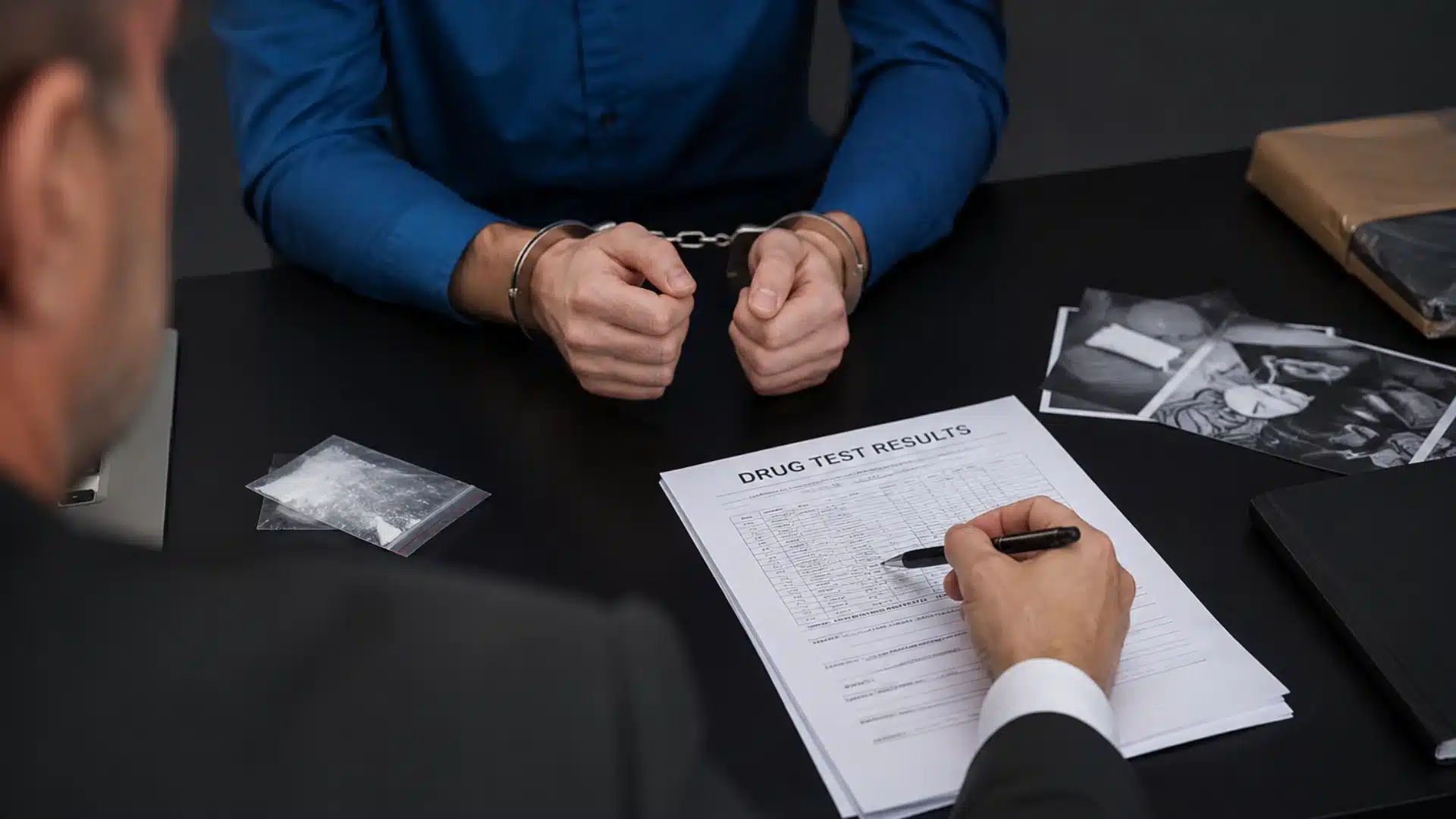
If you just got a positive result or you are waiting nervously to find out, you are not alone. Failing a drug test on probation is one of the most common ways people run into trouble with the court. It is also one of the most workable situations when handled correctly. This breakdown explains what you are actually facing, what the legal process looks like, what steps you should follow, and what your state regulations are. Let’s walk through what to expect, including how long alcohol stays in your system for a probation drug test, possible penalties, defenses, and state-specific issues. What Counts as a Probation Drug Test Violation? When a judge places someone on probation, one of the standard conditions is staying drug-free and submitting to testing. A positive result on a drug test is classified as a technical violation, which is different from a new criminal offense. Technical violations involve breaking the rules of your supervision without picking up new charges. That distinction matters because courts generally treat technical violations differently from new crimes, and the penalties tend to be less severe, especially for a first offense. That said, the word “technical” does not mean minor. Courts take drug test failures seriously, and a positive result puts everything under review. Your compliance record, your living situation, your employment, and whether you have been attending any required programs. The violation goes into your file regardless of what happens next. Understanding the difference between probation and parole matters here, too, since the rules and consequences for a failed drug test can differ significantly between the two. What Can Happen After the 1st Failed Drug Test on Probation? A first failed test can lead to different outcomes. It depends on the court, probation terms, drug found, and past conduct. 1. Warning […]
When a contract falls apart, the fallout moves fast. A vendor stops delivering. A partner walks away mid-deal. An employer violates terms tied to your income. Financial and operational losses compound quickly, and the window to take legal action does not stay open indefinitely. Most people wait too long before calling an attorney. That delay can cost money, weaken a claim, or close the door on legal action entirely. If another party failed to perform under a contract, or you are facing a breach claim, legal review can help. An experienced breach-of-contract lawyer can assess your situation and explain your options. What Counts as a Breach of Contract? A breach of contract occurs when one party to a legally binding agreement fails to perform the duties outlined in that agreement without a legally recognized excuse. Contracts can be written, oral, or implied by conduct, depending on your state’s law. Courts generally recognize two categories of breach. Material breach is where the failure is significant enough to defeat the contract’s core purpose. It typically allows the non-breaching party to treat the contract as terminated and pursue damages. A contractor abandoning a project halfway through is a classic example. Non-material breach is a minor failure that does not undermine the contract’s overall purpose. The non-breaching party can seek compensation for specific losses but is generally still required to fulfill its own obligations. Four Elements of a Breach of Contract Claim To succeed on a breach of contract claim, you must establish four elements. A gap in any one of them can defeat the case. Existence of a valid contract: A legally enforceable contract existed between the parties, containing a clear offer, acceptance, consideration, legal capacity, mutual consent, and a lawful purpose. Substantial performance by the plaintiff: The plaintiff fulfilled all significant contractual […]