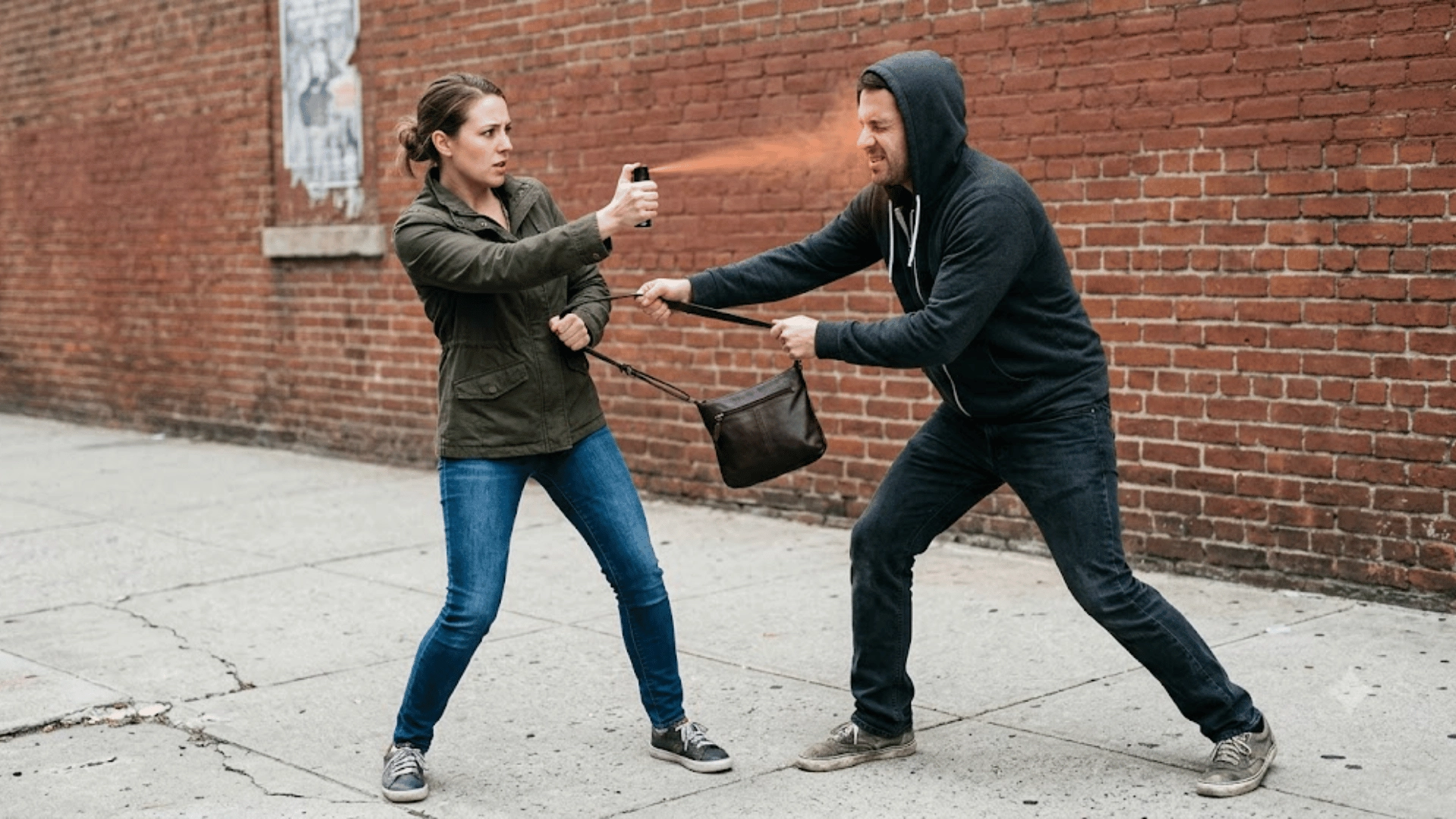
The reasonable suspicion definition explains the legal standard police use before a brief stop. I want you to know it is about facts, not simple feelings.
I have seen many people confuse this rule with a hunch or probable cause, but you should know that each standard gives police different powers legally.
When you learn how courts review these stops, I think the limits become much clearer because officers must explain specific facts behind their actions, too.
Here, I will show you what reasonable suspicion means, how it works, and why I believe knowing your rights helps you understand police encounters with confidence.
What is the Reasonable Suspicion Definition?
Reasonable suspicion is a legal standard that lets police briefly stop and question you. It has to be based on real facts, not just a feeling.
An officer can’t stop you because something felt off. They need to point to specific things they saw or heard.
This standard comes from the Fourth Amendment. It’s meant to protect you from being stopped for no real reason.
The rule was set in a Supreme Court case called Terry v. Ohio. That’s why these stops are often called Terry stops.
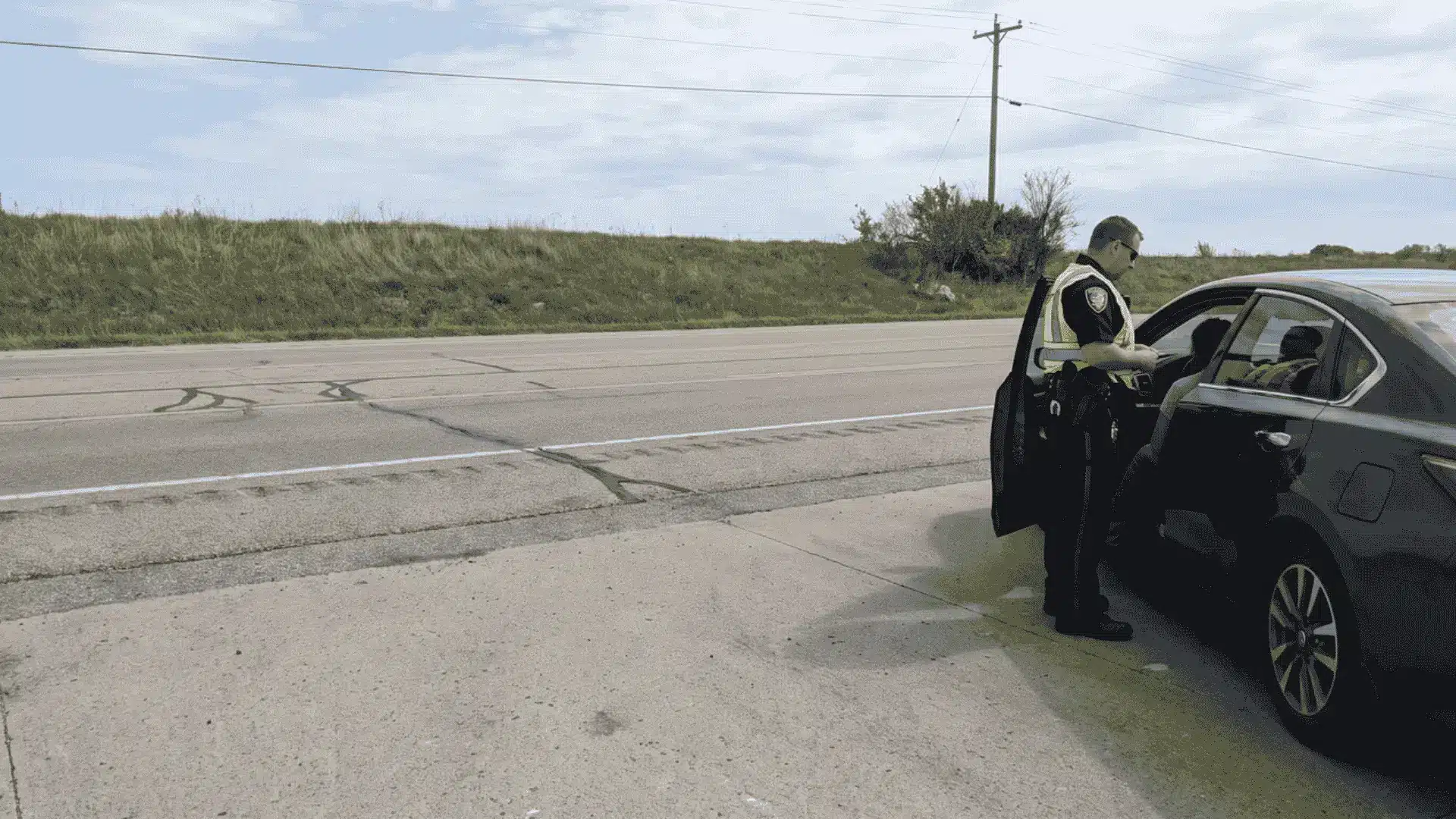
It’s important to know this only covers a brief stop. It doesn’t give police the power to arrest you or search your things.
What Facts Make Suspicion “Reasonable”?
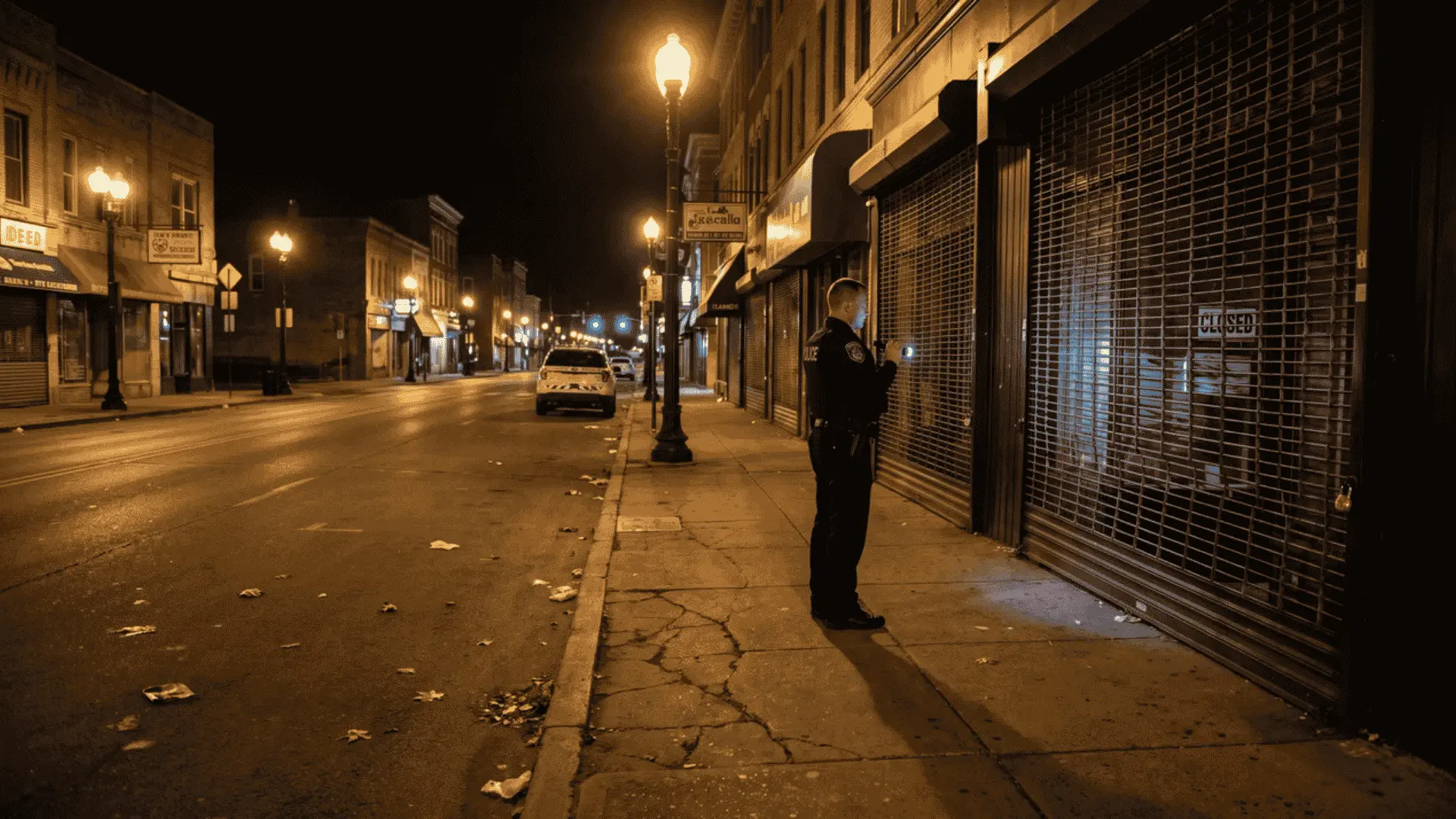
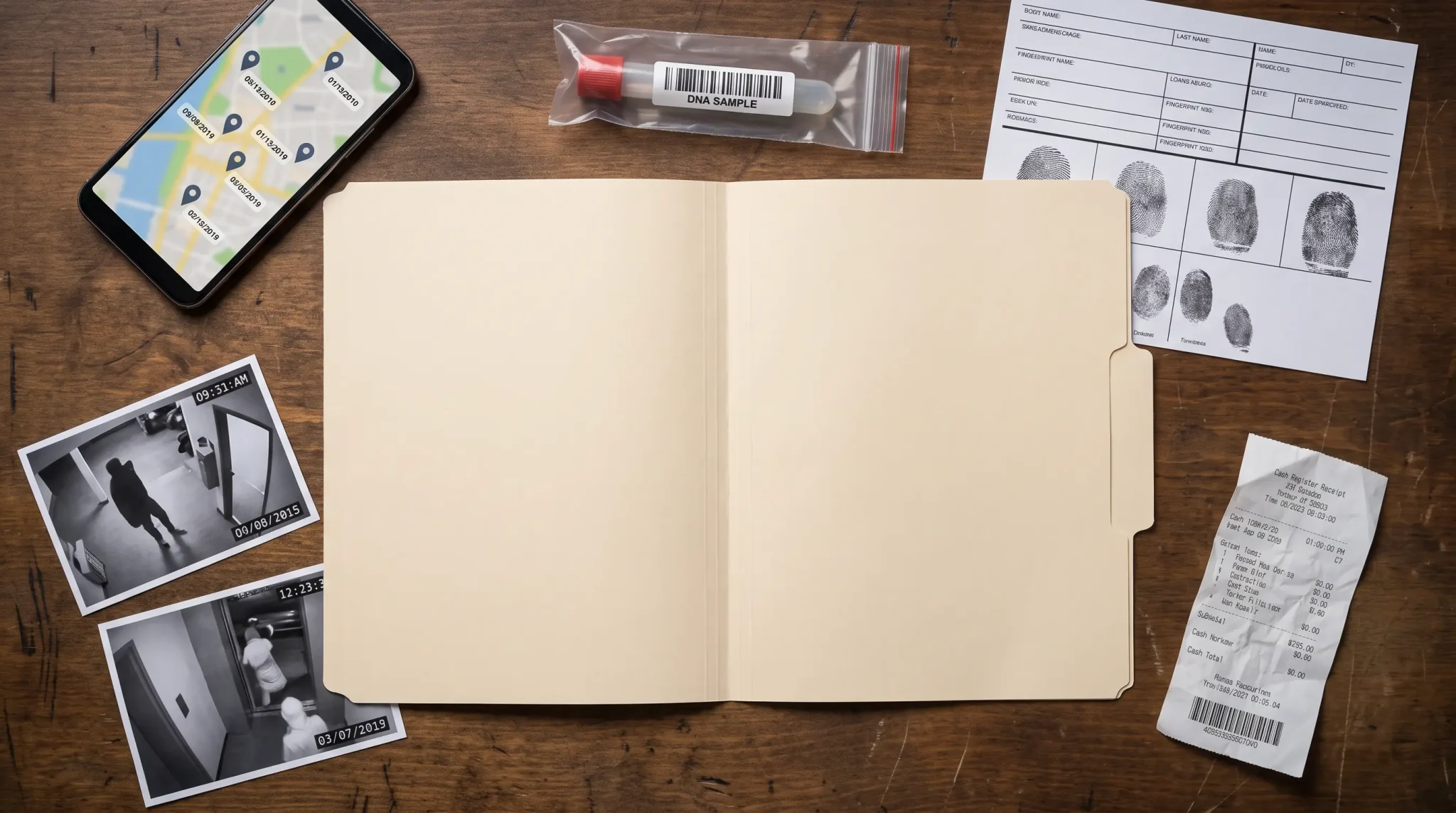
Reasonable suspicion isn’t about one big red flag. It’s built from small details that add up to something worth checking out.
Courts look at the whole picture together, not just one single moment in time. Below, we’ll break down how that comes together.
The Totality-of-Circumstances Test
Judges never judge one fact by itself. They weigh every detail together, as one connected picture, before deciding if it’s enough.
A person near a closed shop at night means little alone. Add gloves in summer, and the picture starts changing.
The same behavior reads differently at 2 a.m. in a high-crime area than at noon on a quiet street.
Why Officers Must Be Able to Articulate Specific Facts
An officer can’t rely on a gut feeling alone. They must explain the exact facts that led to the stop.
This matters because courts review every stop after it happens. Without clear, specific facts, the stop can get thrown out entirely.
Saying someone looked nervous isn’t enough. Saying they avoided eye contact and checked behind them repeatedly gives courts something real.
How Reasonable Suspicion Differs from A Hunch and From Probable Cause
Police can act on different levels of certainty, and each one allows something different. Here’s how the three compare.
| Standard | What It Requires | What It Allows |
|---|---|---|
| Hunch | A feeling, with no facts behind it | Nothing. Police can’t stop or question you on a hunch alone |
| Reasonable suspicion | Specific, real facts pointing to possible criminal activity | A brief stop and questioning, sometimes a pat-down for weapons |
| Probable cause | Enough facts to believe a crime happened or is happening | Arrests, searches, and warrants |
So the standard police rely on decides what they can legally do next. A hunch gets them nothing, and probable cause gets them the most.
Why Reasonable Suspicion Matters in A Stop
Reasonable suspicion comes with real limits. Here’s exactly what it allows, and what it doesn’t.
- Brief stop: Police can stop you and ask a few questions
- Limited pat-down: They can check for weapons if they suspect you’re armed
- No full search: They can’t search your car, bag, or pockets without probable cause
- No arrest: This standard alone can’t lead to an arrest
So this stop stays short and limited on purpose. It’s meant to check something out, not to punish anyone.
Reasonable Suspicion Laws Across the U.S.

Reasonable suspicion comes from federal law, but states have added their own rules on top of it. Here’s a look at five key ones.
This is general information, not legal advice. Laws can change, so check with a local attorney for specifics.
Arizona Stop-and-Identify Law (A.R.S. § 13-2412)
The Arizona Stop-and-Identify Law requires you to give your name if you’re lawfully stopped under reasonable suspicion.
Under A.R.S. § 13-2412, refusing to give your name during a valid stop can lead to a separate charge. It doesn’t require you to answer anything beyond that.
The Arizona Stop-and-Identify Law only applies once the stop itself is legally justified in the first place.
Nevada Stop-and-Identify Law (NRS 171.123)
The Nevada Stop-and-Identify Law works the same way. If police have reasonable suspicion, they can require you to identify yourself.
NRS 171.123 was actually challenged and upheld by the Supreme Court in a case called Hiibel v. Nevada. That ruling confirmed states can require this.
Beyond your name, you’re still allowed to stay silent on further questions under this law.
Illinois Stop-and-Identify Law (725 ILCS 5/107-14)
The Illinois Stop-and-Identify Law allows officers to briefly detain someone and demand their name and address. This applies when reasonable suspicion of a crime exists.
Under 725 ILCS 5/107-14, officers can also ask for an explanation of your actions. You’re not legally required to answer that part, though.
The Illinois Stop-and-Identify Law mirrors Terry stops closely, but adds a clear identification requirement.
New York Stop-and-Frisk Rule (Criminal Procedure Law § 140.50)
The New York Stop-and-Frisk Rule directly names both the stop and the frisk. It lets officers stop someone based on reasonable suspicion of a crime.
Under Criminal Procedure Law § 140.50, this same rule allows a frisk if the officer reasonably suspects a weapon is involved.
This is one of the more specific state laws, since it names both actions in the same statute.
What to Do If You’re Stopped Under Reasonable Suspicion
Knowing your rights ahead of time makes a real difference. Here’s what to do in common situations.
This is general information, not legal advice. Check with a local attorney for your specific situation.
- If an officer asks to search your car, say clearly that you don’t consent
- If an officer asks for your name, give it if your state has a stop-and-identify law
- If you’re not sure why you’re stopped, ask directly if you’re being detained or free to go
- If you’re asked questions beyond your name, you can stay silent and ask for a lawyer
- If the officer starts a pat-down, don’t resist, but state that you don’t consent to it
- If the stop turns into an arrest, stop talking and ask for a lawyer right away
- If you feel the stop was unfair, stay calm in the moment, then file a complaint later
Staying calm and clear in the moment protects you the most. Save any pushback for a lawyer, not the street.
Conclusion
The reasonable suspicion definition helps you understand why police need facts before stopping someone. I believe knowing this difference can make your rights much clearer.
A brief stop is not the same as an arrest or search. You should remember that reasonable suspicion has strict limits.
When you understand how courts review these situations, you can better recognize whether police actions are based on facts or assumptions.
If you want to learn more about your legal rights and protections, keep reading our guides for simple explanations of important legal topics.
Frequently Asked Questions
What Best Defines Reasonable Suspicion?
It’s a legal standard based on specific facts, not a feeling. Those facts point to possible criminal activity. It lets police stop and question someone briefly. It doesn’t allow an arrest or full search on its own.
What Is Higher than Reasonable Suspicion?
Probable cause is the next level up. It needs enough facts to believe a crime happened or is happening. Police need this standard for arrests, searches, and warrants. Reasonable suspicion only supports a short stop.
Do Police Have to Articulate Reasonable Suspicion?
Yes, they have to explain the specific facts behind the stop. A vague feeling isn’t enough on its own. Courts review these facts afterward to check if the stop was fair. Without clear facts, the stop can get thrown out.
Can reasonable suspicion lead to an arrest?
No, it only allows a brief stop and questioning. Police may also pat you down if they suspect a weapon. An arrest needs probable cause, which is a much higher standard. Reasonable suspicion alone can’t get you arrested.