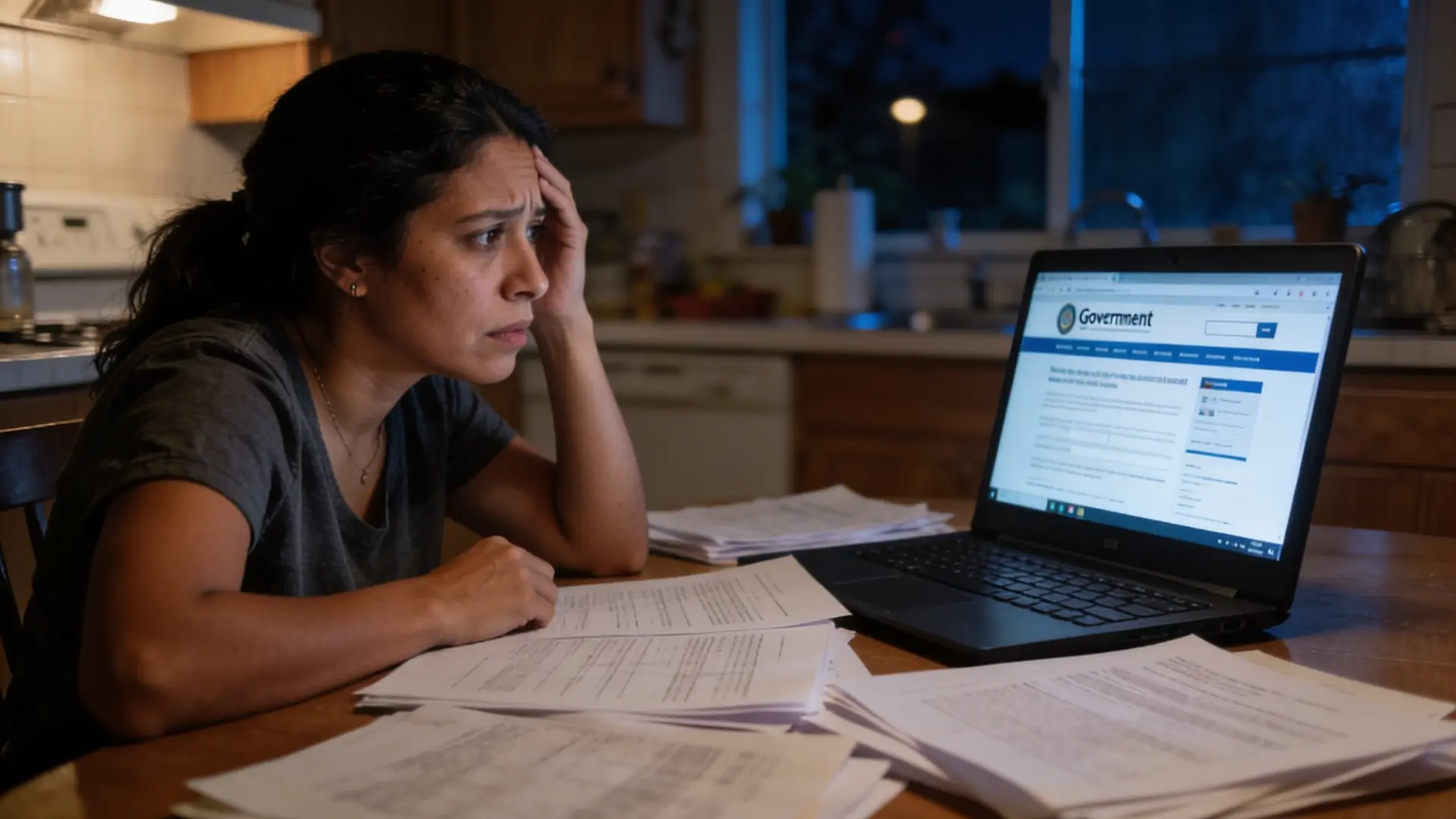

Prevailing wage determination wait times can change depending on the filing queue and the type of request being reviewed.
A single average does not always show whether a case is moving normally or taking longer than expected.
When checking a request, look at factors like the request type, survey method, and the DOL tracker to understand where the filing stands and what may be affecting the timeline.
Keep the wage determination timeline separate from the full green card process, since they cover different stages and are often confused by many filers.
What Is the Current PWD Processing Time?
The National Prevailing Wage Center is currently processing OEWS-based requests filed in April 2026. This is the standard track for many H-1B and PERM cases.
If I filed an OEWS request in April 2026, my case is closer to review. A May filing would wait behind earlier submissions.
Monthly DOL updates explain why processing numbers keep changing. They show the filing month being reviewed, not a guaranteed turnaround time.
My actual wait depends on where my filing date falls compared with the month currently being processed by the DOL, a queue-based approach similar to how processing times for other visa categories are tracked.
Standard OEWS requests are currently taking around 3 to 4 months. Non-OEWS requests, custom surveys, and sports filings usually take longer, and timelines can vary further depending on whether an employer intends to meet eb-1 classification requirements or file under a different category.
Redetermination requests follow a separate timeline and should not be compared with first-time PWD filings because they move through different processes.
OEWS-Based vs. Non-OEWS Timelines
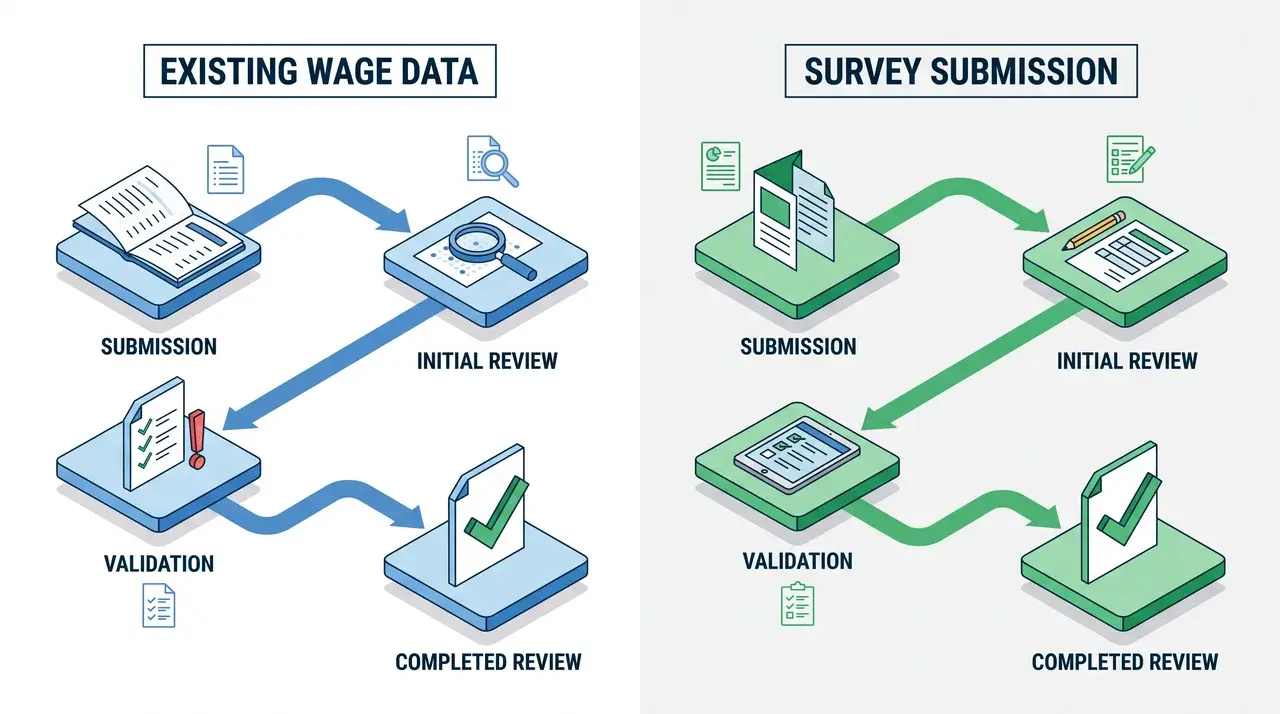
The type of wage request you file can directly affect how long your prevailing wage determination takes. OEWS and non-OEWS requests follow different review processes, which creates a gap in processing times.
| Factor | OEWS-Based Requests | Non-OEWS Requests |
|---|---|---|
| Wage Data Source | Uses DOL’s existing OEWS wage data already available on file. | Uses private surveys or custom wage submissions provided with the request. |
| Review Process | Usually moves faster because it does not require an additional survey review step. | Takes longer because the submitted wage data needs extra review before approval. |
| Current Processing Stage | Currently clearing filings from April 2026. | Currently working through filings from March 2026. |
| Main Reason For Delay | Wait time mainly depends on the DOL processing queue. | Additional review requirements can add time beyond the standard wait. |
| Expected Timeline | Generally faster due to the use of existing DOL wage information. | Usually slower because each submission requires more review. |
As the table shows, OEWS-based requests usually move faster because they rely on existing DOL wage data, while non-OEWS requests often take longer due to additional review requirements. Checking your request type helps set a more realistic timeline.
What Affects How Long a PWD Request Takes
Two filings can look identical on paper but move at different speeds. The difference usually comes down to a few specific factors affecting processing time.
The biggest factor is survey type. OEWS-based filings use DOL data already available, allowing them to skip an extra review step.
Custom surveys and professional sports wage submissions often take longer because DOL must review the survey methodology before processing the request.
A Request for Information does not restart your case or send you back to the beginning of the queue.
After you submit your response, DOL usually issues a final determination within about a week. The delay mainly depends on your response time.
A simple job title does not guarantee faster processing. Your wait depends on the queue and cohort where your request lands.
Two employers filing during the same week can still have different timelines because their requests may enter different review queues.
How to Check Your PWD Processing Status
The DOL Flag System is where you check where your request actually stands. It’s a public tracker, updated on a set schedule rather than in real time.
Go to flag.dol.gov and find the processing times table. It shows which filing month the NPWC is currently working through for each request type.
Match that date against your own filing date. If the tracker shows April 2026 for OEWS requests and you filed in March, you’re near the front.
File in May instead, and you’re still waiting behind that April group. The table only moves forward once that whole cohort clears.
This table updates once a month, at the close of business during the first work week. Checking daily won’t show you anything new between updates.
If you filed through an attorney or immigration team, ask them to confirm your exact filing date. That’s the number you need to compare against the tracker.
PWD vs. Total PERM Timeline: Why The Numbers Don’t Match
The PWD wait and the full PERM timeline measure two different parts of the process. PWD is only the first step, while PERM includes everything that happens after the wage determination is issued.
| Stage | What Happens | Timeline Impact |
|---|---|---|
| Prevailing Wage Determination (PWD) | DOL reviews the wage request and issues the required wage level for the position. | Usually takes around 3 to 4 months, depending on the request type and processing queue. |
| Recruitment Period | The employer completes the required recruitment steps after receiving the PWD. | Can take 60 to 180 days, depending on the job and recruitment requirements. |
| PERM Application Filing | The employer files the PERM application after recruitment is complete. The case then enters a separate DOL review queue. | Adds additional processing time after filing. |
| Audit Review (If Selected) | DOL requests additional documents or reviews the case more closely before making a decision. | Can add significant time to the overall PERM timeline. |
A number like 403 days refers to the full PERM process, not just the PWD stage. That is why a PWD wait of 3 to 4 months and a total PERM timeline of 13 months can both be accurate.
Keeping these timelines separate helps avoid confusion. If your PWD is still pending, compare your case only with other PWD requests. If your PWD is complete, the next stages determine your remaining wait.
Conclusion
I learned that PWD processing time depends more on the review queue a request enters than the job title itself. Different request types can follow different paths, which affects how long the review may take.
OEWS requests often move faster because they usually avoid an additional review step that non-OEWS filings may require.
If you receive an RFI, your case does not start over. The timeline only extends by the time needed to prepare and submit the requested information.
Keep the wage determination timeline separate from how a green card differs from a visa and the full process that follows, since they cover different stages and are often confused by many filers.
Frequently Asked Questions
What Is the 365-Day Rule for PERM Applications?
After you finish recruitment, you have 365 days to file your PERM application. Miss that window, and you have to start recruitment over again. Your prevailing wage determination and recruitment results only stay valid for that period.
Is PERM Processing Time Getting Faster in 2026?
PWD processing has stabilized at around 3 months, which is faster than it was in recent years. But total PERM timelines still run long. Recruitment and adjudication add significant time on top of that PWD wait.
How Long Does a PWD Redetermination Take?
Redetermination requests follow their own separate schedule right now. Check the DOL Flag System for the current cohort filing date. Compare that against your own redetermination filing date, since it won’t match standard PWD timing.
What Happens After a PWD Is Approved?
Once your PWD comes back, you move into the required recruitment period. That step usually takes 60 to 180 days. Your PWD sets the wage floor for that recruitment, but it isn’t final approval of your case.