
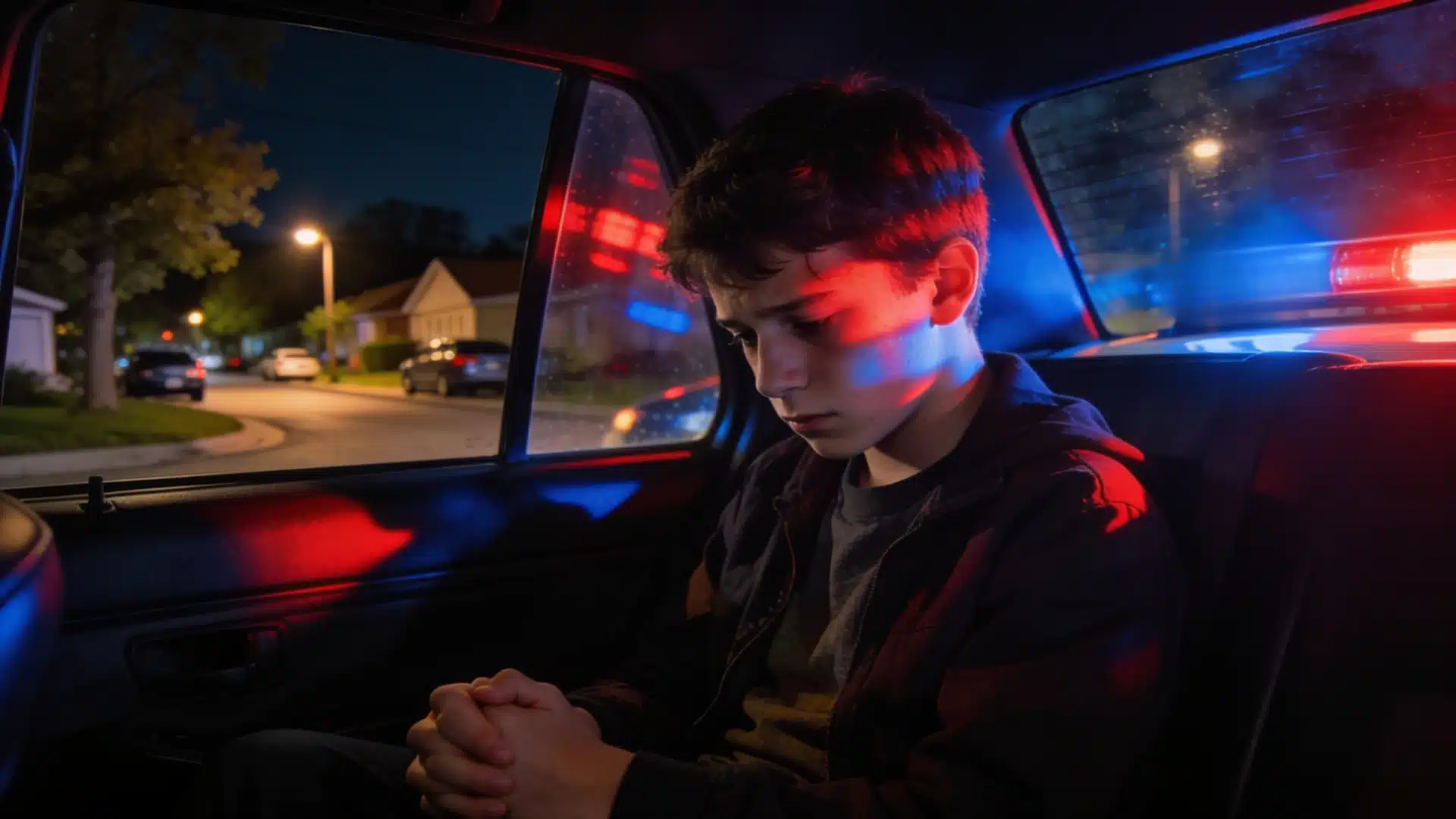
When a young person gets pulled over and charged with drunk driving, most families do not fully understand what they are up against.
The charge sounds straightforward, but it rarely is.
Underage DUI cases can involve two separate legal processes: the criminal case in court and the administrative action against the young person’s driver’s license.
Each process has its own deadlines, rules, and consequences. These cases also turn on strict evidentiary standards, including whether the traffic stop was lawful, how sobriety tests were conducted, and whether breath or blood tests were properly administered.
The penalties can reach well beyond the courtroom, affecting driving privileges, school opportunities, insurance rates, employment options, and a young person’s future record.
Knowing how these cases work, what rights are at stake, and what a qualified underage drinking lawyer can do is where the process has to start.
How Underage DUI Laws Work
Every state in the country has enacted what are commonly called zero-tolerance laws. These statutes set the blood alcohol concentration (BAC) limit for drivers under 21 at a fraction of the adult standard.
While drivers 21 and older face a per se DUI charge at 0.08% BAC, underage drivers can be charged with a BAC as low as 0.01% to 0.02% depending on the state. In practical terms, that can be one drink or less.
Underage DUI laws are strict because drivers under 21 are not legally allowed to drink. In many states, any measurable alcohol in an underage driver’s system can trigger penalties, and some states also apply zero-tolerance rules to THC.
These cases often involve both a criminal court case and a separate DMV license action. A young driver can lose their license at DUI checkpoints. Because the evidence and procedures differ between court and DMV hearings, an experienced underage DUI attorney prepares for both.
What Happens After an Underage DUI Arrest?
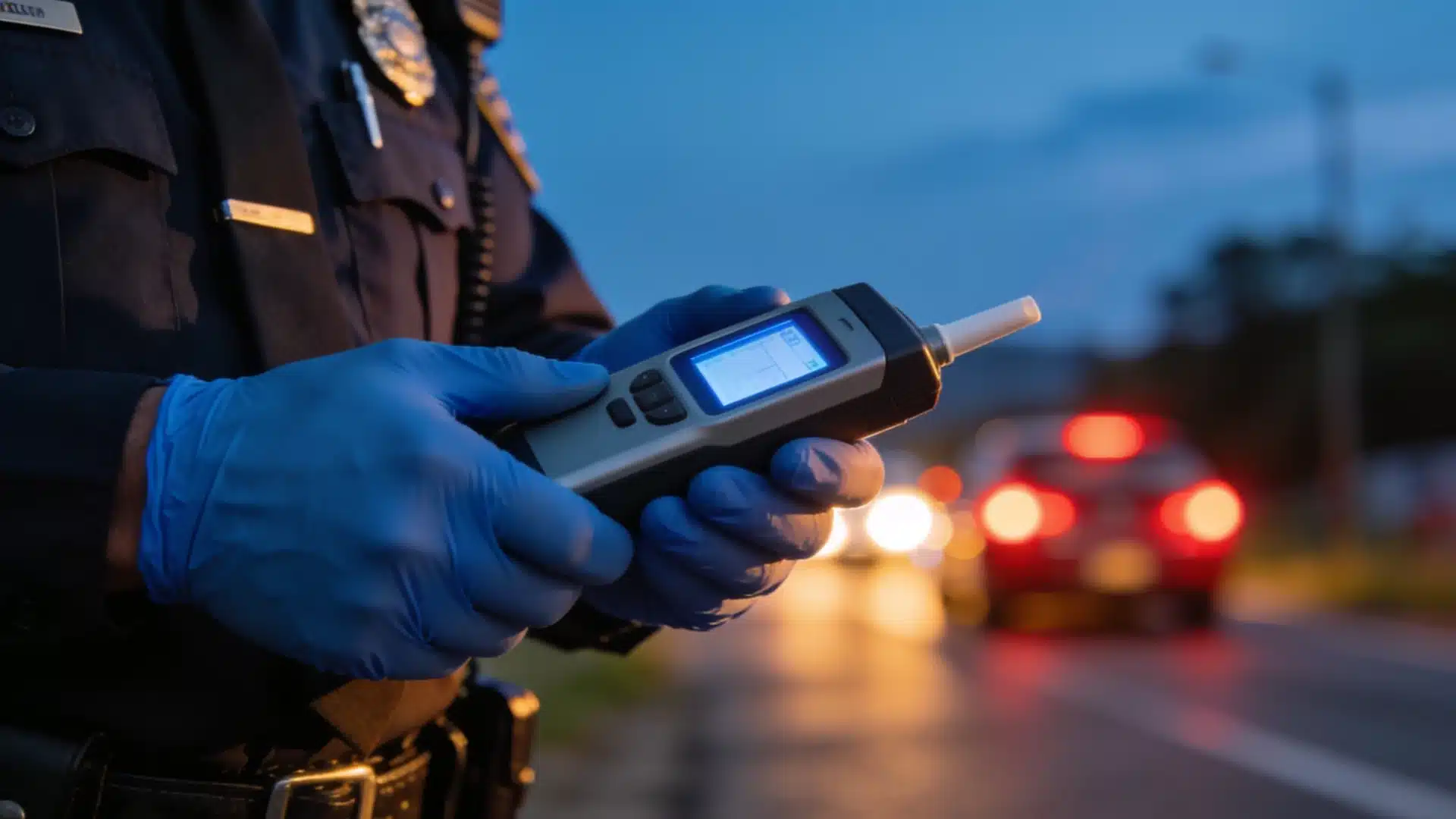
The period immediately after an arrest matters more than most families realize. In many states, there is a narrow window, often just five to seven days, to request a DMV hearing to contest a license suspension.
Missing that deadline typically means the suspension goes into effect automatically. This is one of the first things a defense attorney handles after being retained.
After the arrest comes the arraignment, where formal charges are entered. The attorney then reviews the arresting officer’s report.
He checks the stop himself, how field sobriety tests were conducted, whether the breathalyzer was properly calibrated, and whether the minor’s constitutional rights were respected throughout the detention process. Each of these points is a potential avenue for challenging the case.
Common Defenses in Underage DUI Cases
An underage DUI charge does not automatically result in a conviction. Depending on the facts of the case, several legal defenses may be available to challenge the evidence or the actions of law enforcement, including:
- Unlawful traffic stop: If the officer did not have a reasonable basis to pull the driver over, any evidence gathered afterward may be suppressed.
- Improper field sobriety test administration: Officers are trained to administer standardized tests in specific ways. Deviations can undermine the results.
- Breathalyzer calibration issues: Breath test devices require regular maintenance and calibration. A device out of compliance can produce inaccurate BAC readings.
- Medical or dietary explanations: Certain medical conditions and even some foods can cause false positives on breath tests.
- Violation of rights during questioning: Minors have constitutional protections during police contact. Evidence obtained in violation of those rights may be excluded.
None of these defenses is guaranteed to succeed. But they are exactly what a defense attorney is trained to evaluate, and they often go unexamined when a family tries to navigate the process without representation.
Penalties for an Underage DUI Conviction
The penalties attached to an underage DUI conviction vary by state and by the specific charge, but they follow a consistent pattern.
A first offense is treated more leniently than subsequent offenses, and any BAC that crosses into the adult legal alcohol limit triggers a sharper set of consequences.
Typical penalties for a first underage DUI or zero-tolerance violation include:
- Driver’s license suspension: Most states impose a mandatory suspension, often three months to one year, for a first offense.
- Fines: First-offense fines vary widely. When court costs, mandatory fees, and alcohol education program costs are factored in, total expenses for a first DUI can run into thousands of dollars.
- Mandatory alcohol education programs: Courts routinely require completion of an alcohol and drug awareness or treatment program.
- Community service: Many jurisdictions add a community service requirement.
- Probation: Supervised probation is common for first and subsequent offenses.
A second conviction escalates all of these. Jail time becomes a realistic possibility. License revocations lengthen considerably. The charge itself may upgrade from a traffic infraction to a misdemeanor or, in some states, a felony if aggravating circumstances are present.
Auto insurance is another cost families often do not fully account for.
Long-Term Consequences Beyond the Penalties

While the legal penalties for an underage DUI are significant, the long-term consequences can be even more serious.
A conviction may appear on background checks used by colleges, employers, and licensing boards, potentially affecting educational and career opportunities.
In some states, eligible individuals may later seek expungement, but the process is not automatic and typically requires meeting specific legal requirements.
I have seen families assume that a first offense with no accident and no injuries is too minor to require serious legal attention. That assumption tends to be wrong.
Even a minor conviction can block a financial aid package or disqualify a student from a competitive internship program. The consequences extend far enough that every first-offense case warrants a defense review.
When to Contact an Underage DUI Lawyer
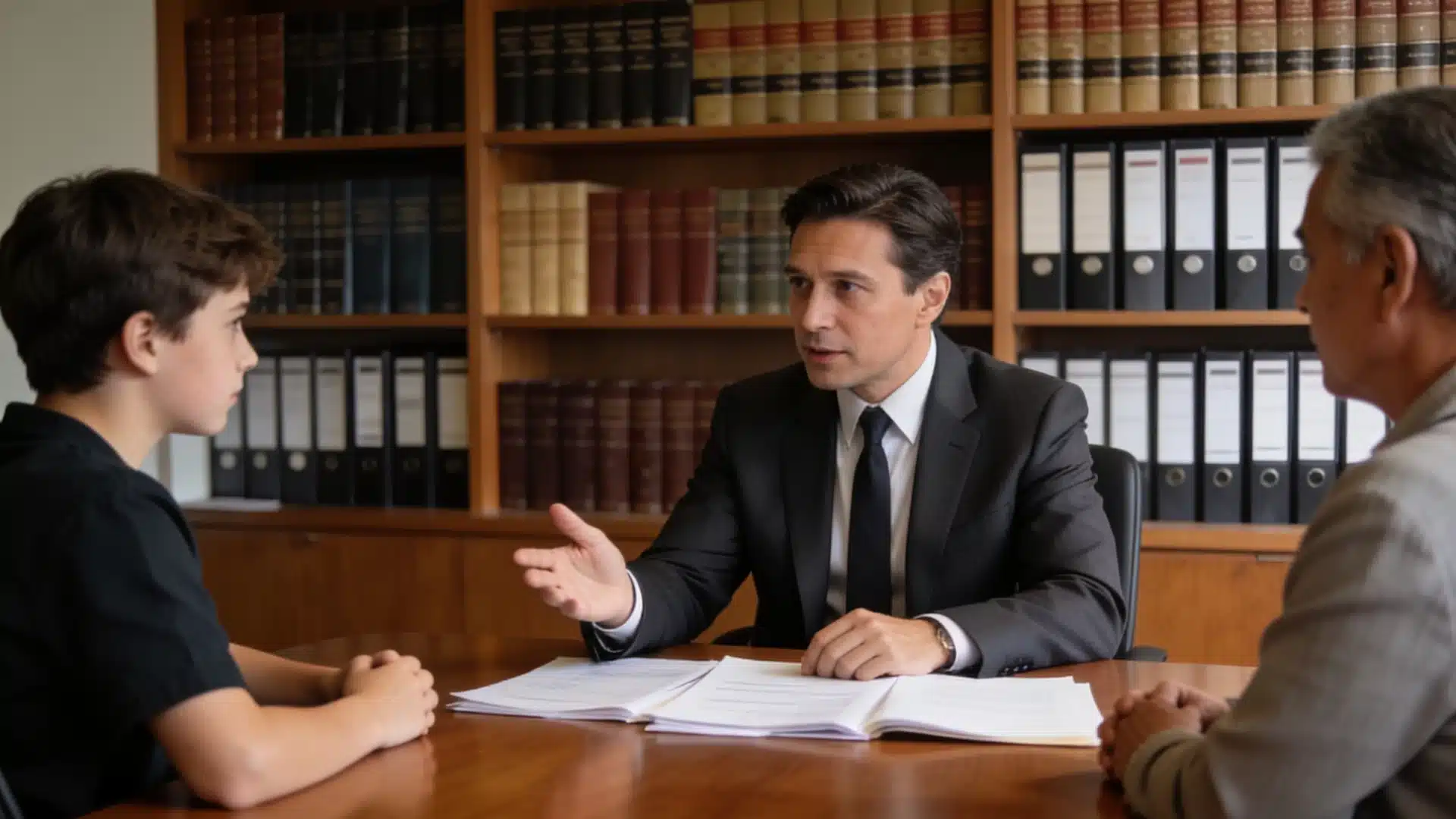
The sooner a family contacts a lawyer after an underage DUI arrest, the more options are available. Early retention matters for several reasons:
- DMV hearing deadlines: The window to contest a license suspension is short and non-negotiable in most states. A lawyer files the request and handles that hearing.
- Evidence preservation: Surveillance footage, dashcam recordings, and witness accounts can disappear quickly. A lawyer can move to preserve or request this evidence before it is gone.
- Negotiating with prosecutors: Early contact with the prosecution can open discussions about diversion programs, charge reductions, or deferred adjudication, which become harder to pursue as proceedings advance.
- Reducing family stress: Having counsel who knows the process removes significant uncertainty for parents who lack a framework for understanding what comes next.
Colorado and Denver: What Families in This Area Need to Know
Colorado uses a specific statutory framework for underage drunk driving called Underage Drinking and Driving, or UDD, sometimes referred to as “Baby DUI.”
Under Colorado Revised Statute 42-4-1301(2)(d), a driver under 21 with a BAC of 0.02% or higher can be charged with UDD.
In Colorado, a first Underage Drinking and Driving offense is a traffic infraction, but it can still lead to license suspension, fines, alcohol education requirements, and points on the driver’s record.
Higher BAC levels may result in adult DWAI or DUI charges with more severe penalties. Drivers have only seven days after an arrest to request a DMV hearing to challenge a license revocation.
In some cases, an Underage drinking and Driving conviction may be eligible for expungement after the driver turns 21 and meets state requirements.
How an Underage Drinking Attorney Builds Your Defense
Defense work in an underage DUI case usually happens in stages, with each step focused on a different weakness in the case:
- Reviewing whether the traffic stop was legal
- Examining how field sobriety tests were administered
- Checking breathalyzer maintenance and calibration records
- Reviewing the chain of custody for any blood sample
- Determining whether the minor’s statements were obtained legally
- Identifying the strongest grounds to challenge the charge
- Discussing realistic outcomes, including dismissal, reduction, diversion, or trial preparation
- Exploring diversion programs for first-time offenders, which may involve alcohol education, community service, and check-ins
A qualified underage DUI attorney can use this review to pursue the best available outcome and help the family understand each option before making decisions.
Conclusion
An underage DUI case should never be handled with guesswork or delay. Once the arrest is on record, every decision can affect what happens next, from license hearings to possible plea options and record concerns.
Families need clear guidance, honest case review, and a plan based on the facts, not fear. The right legal help can identify weak evidence, explain available outcomes, and help protect a young person from avoidable long-term damage.
If your family is facing this situation, speaking with an underage DUI lawyer can help you understand the next steps before deadlines close in.
Have questions about underage DUI charges, Colorado UDD cases, or your child’s options? Write a comment below and let us know what you’re dealing with.
Frequently Asked Questions
Can an Underage DUI Be Expunged from My Record?
In many states, yes. Expungement may be available after meeting certain requirements, such as completing court obligations and avoiding further offenses. You typically must file a petition, and eligibility varies by state.
What Happens if an Underage Driver Refuses a Breathalyzer Test?
Refusing a breathalyzer usually results in an automatic license suspension under implied consent laws. In some states, the penalties for refusal can be more severe than those for a first DUI conviction.
Does an Underage DUI Show Up on a Background Check?
It can. Whether it appears depends on state law, how the offense was classified, and the type of background check being conducted. Misdemeanor DUI convictions are more likely to be reported.
Can Parents Be Held Legally Responsible for Their Child’s Underage DUI?
Sometimes. In states with social host liability laws, parents or adults who knowingly provide alcohol to minors may face civil liability or other legal consequences if a DUI-related incident occurs.