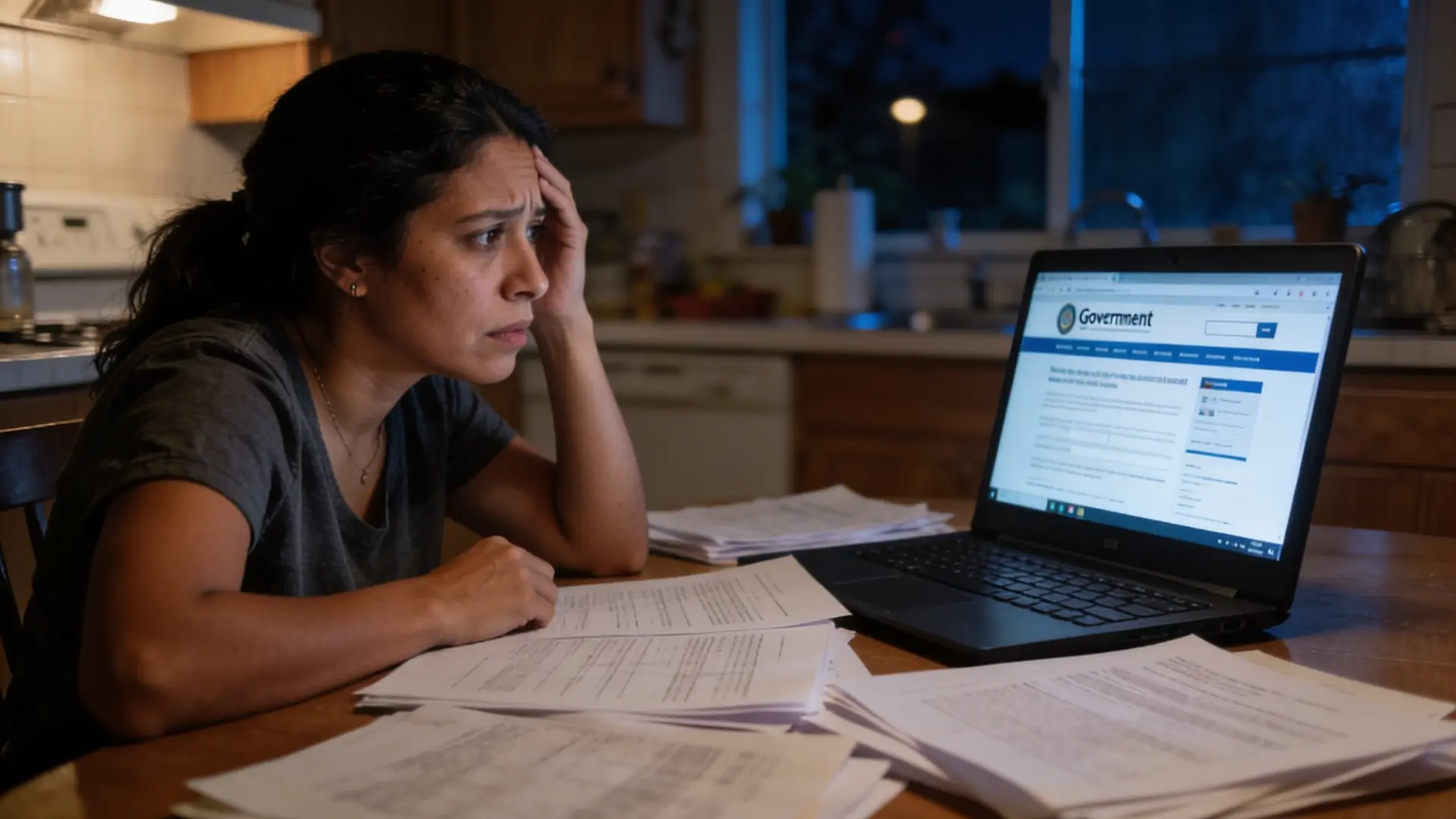
The moment you hear that a loved one has been detained, panic and uncertainty can feel overwhelming. You want answers, and fast.
The immigration detainee locator gives families a starting point to see where someone is being held. Using the ICE detainee lookup can provide critical details about their facility and contact information.
Even the immigration inmate locator offers a step-by-step way to track transfers and custody status. Each tool can feel like a lifeline in a situation where every hour counts.
While searching may seem intimidating at first, learning how to use these resources empowers families to take action, reduce worry, and begin making informed decisions for the safety and well-being of their loved one.
This blog walks through exactly how to use it, what to do when a search comes back empty, and when it is time to get an attorney involved.
What is the Immigration Detainee Locator?
The ODLS is a searchable database run by ICE under the Department of Homeland Security.
It covers any person 18 or older who is currently in ICE detention or who was held by U.S. Customs and Border Protection for more than 48 hours before transfer.
The system returns the name and address of the holding facility along with contact information for the ICE Enforcement and Removal Operations (ERO) office responsible for the case.
A successful search will show one of two statuses.
In custody means the person is currently detained at a named facility. Out of custody means they have been released, transferred to another agency, or removed from the country.
The ODLS does not specify which of those outcomes applies, which is why a result showing “out of custody” can still leave families with unanswered questions.
One thing worth knowing before you search: the system logs the IP address, internet domain, and web address of every visitor per ICE’s own privacy notice.
That information is collected for system maintenance and security monitoring. If you have concerns about that, consider using a public computer or a VPN.
What Do You Need Before Using the Immigration Detainee Locator?

There are two ways to search the system, either through A-Number or biographical information. Having the right information before you sit down will save you time and reduce the chance of a failed lookup.
A-Number (Alien Registration Number)
The A-Number is an 8- or 9-digit unique identifier assigned to each immigrant. This method is the most reliable, and it requires knowing the country of birth alongside the number. The A-Number appears on several documents:
- Green card (Permanent Resident Card): printed on the front
- Employment Authorization Document (work permit): listed on the card face
- Passport visa stamp: printed in the visa field
- Immigration court notices and USCIS correspondence: in the header or body of the letter
Some people have more than one A-Number if they have filed multiple applications over the years. If that is the case, try the most recent one first.
Biographical information
If you do not have the A-Number, you can search by full legal name, date of birth, and country of birth. This method works, but it is less forgiving.
The system matches only against what the intake officer entered at the time of detention.
A missed accent mark, a transposed first and last name, or a slightly different spelling can cause the search to return nothing. Try several variations if the first attempt fails.
How to Use the ICE Detainee Locator: Step-by-Step Process
Using the ICE Detainee Locator allows you to quickly find information about individuals in ICE custody. Follow these steps carefully to ensure accurate results.
- Official Site: Go to locator.ice.gov. Only use this official ICE ODLS site and avoid third-party websites.
- Language Selection: Choose your preferred language from the menu. Supported options include English, Spanish, Arabic, French, Portuguese, Russian, Somali, Vietnamese, and Chinese.
- Search Method: Select either A-Number search or biographical search depending on the information you have.
- CAPTCHA Verification: Complete any CAPTCHA prompt that appears to proceed.
- Review Results: A match will display the detainee’s name, current facility, facility address, and ERO office contact. A no-match result will show “zero records found.”
If you find the person listed as “in custody,” take a screenshot immediately.
ICE policy requires the system to be updated within eight hours of any release, removal, or transfer, so the information may not reflect the detainee’s exact current location at the moment you search.
Call the listed facility before making any travel arrangements.
Understanding the difference between detained vs arrested is also useful at this stage, especially if you are trying to determine what legal status the person is in and what rights apply to them.
Common Reasons a Search Returns No Results
A “zero records found” message can be stressful, but it does not always mean your loved one is not detained. There are several reasons this can happen:
Reason Description New detention, no record yet Records may take up to 24 hours to appear after arrest, and sometimes longer during transfers from CBP to ICE. Name spelling mismatch The system matches exactly what the intake officer entered. Try switching first and last names, removing accents or special characters, or using alternative spellings. Wrong country of birth Must be accurate for the search to work. If a country has changed names or borders, try both old and current names. The person is under 18 Minors do not appear in the ODLS, even if detained alongside a parent. T or U visa holders Individuals in the system as crime victims, including those with pending T or U visas, typically do not appear. Record already cleared Records are kept for 60 days after release. After this period, the record will no longer appear. What to Do When the Immigration Inmate Locator Returns No Results?
If multiple searches come back empty and you have ruled out the common issues above, work through these steps in order.
- Call CBP at (866) 347-2423. If the person was recently arrested at or near a border, they may still be in CBP custody and not yet in the ICE system. CBP can confirm whether they have the person and what the expected transfer timeline is.
- Call the Detainee Reporting and Information Line (DRIL) at 1-888-351-4024. This is ICE’s dedicated information line for families and can help when the online system is not returning results.
- Contact the local ICE ERO field office in the area where the person was arrested. ERO field offices manage detention, transfers, and deportation operations within their jurisdiction. The ICE website lists office locations and contact numbers.
- Contact the consulate of the person’s country of birth. By law, ICE must notify consulates when a foreign national is detained. Consulates can be a useful resource, though they will typically ask for proof of a family relationship before sharing information.
- Contact a deportation officer directly. If you already know which facility the person was at before disappearing from the system, call that facility and ask to speak with the assigned deportation officer. They have access to transfer and location records.
It is worth documenting every search attempt with dates, times, and what you entered. That record can be helpful to an attorney later, especially if do illegal immigrants have constitutional rights is a question that becomes relevant to the case.
Important Limitations of the ICE Detainee Lookup System
The ODLS is a useful starting point, but it has real gaps that families should understand before relying on it exclusively during an urgent search for answers and support.
- Data delay: Records are updated within eight hours of a transfer, release, or removal. In practice, many updates happen faster, but the 8-hour window means the information can be behind.
- No minor records: Children under 18 are not in the system. Adults held in family detention centers will appear, but their children will not, even if detained in the same facility.
- No deportation details: The system does not confirm whether an “out of custody” status means release or removal from the country. Families need to contact the ERO office to get that answer.
- Privacy logging: Every search is recorded along with your IP address. ICE states this is for technical troubleshooting, not enforcement, but the disclosure is worth reading before you search.
- 60-day data window: Records disappear after 60 days. If the person was detained and released more than two months ago, the ODLS will not show it.
- Special character handling: The system does not read accented characters. Names like “Jose” and “Jose with an accent” are treated differently. Always try both versions.
A 2026 report by the American Immigration Council noted that as immigration enforcement has expanded, the detainee locator system has at times become unreliable, with people unaccounted for in the system for days during high-volume arrest periods.
That is not a reason to skip the search, but it is a reason not to stop there if the person does not appear.
For additional context on immigration procedures and what specific documents mean, the immigration interview questions resource covers related procedural details.
When to Contact an Immigration Attorney?


The ODLS tells you where someone is being held. It does not tell you what to do next. That distinction matters.
Once you have located the detained person, an attorney can help in ways the locator system cannot. If ICE has set a bond amount, an attorney can evaluate whether to request a bond hearing before an immigration judge.
If a removal order is already in place, legal representation can mean the difference between deportation and an opportunity to contest it. If the person has never had legal proceedings, an attorney can help determine what options exist for relief.
A few situations where getting counsel immediately makes sense:
- The detained person has a prior order of removal or a prior deportation on record
- They were arrested at a courthouse or immigration check-in (this is a pattern associated with expedited removal)
- You cannot locate them in the system after 48 hours, and CBP and DRIL have not produced results
- They have a pending application for any immigration benefit
Immigration detention moves quickly. Removal flights can happen within days of a detention order. The sooner legal counsel is involved, the more options remain available.
Conclusion
Locating a detained loved one is the first step, not the final one. The ODLS gives you a facility name and a phone number.
What happens after that depends on understanding the legal process, the rights the detained person holds, and whether the timeline still allows for intervention.
If the system returns results, call the facility and confirm the person is still there before anything else. If it returns nothing, work through the escalation steps rather than assuming the person is not in custody.
Have questions about the immigration detainee locator process or a situation involving a loved one in ICE custody? Leave a comment below.
Frequently Asked Questions
Can I Use the Immigration Detainee Locator on a Mobile Phone?
Yes. The ODLS at locator.ice.gov is accessible from any mobile browser and does not require a separate app. The site supports ten languages, so you can switch the interface to Spanish, Arabic, or another available language directly from your phone.
How Long Do ICE Records Keep Detainee Records After Someone is Released?
ICE retains records in the ODLS for 60 days after a person is released, transferred, or removed. After that window closes, the record no longer appears in search results. If more than 60 days have passed, contact the local ICE ERO field office directly.
Can an Immigration Attorney Use the ICE Detainee Locator on Behalf of a Client?
Yes. The system is publicly accessible, and attorneys routinely use it to locate clients after detention. Attorneys may also contact ICE ERO field offices directly and often have access to faster channels for obtaining facility and case information than family members do.
Does the Detained Person Know if Someone Searched for Them Using the Locator?
No. The ODLS does not notify detainees when a search is conducted on their behalf. The only information logged is the IP address and domain of the person performing the search, per ICE’s site privacy notice.