
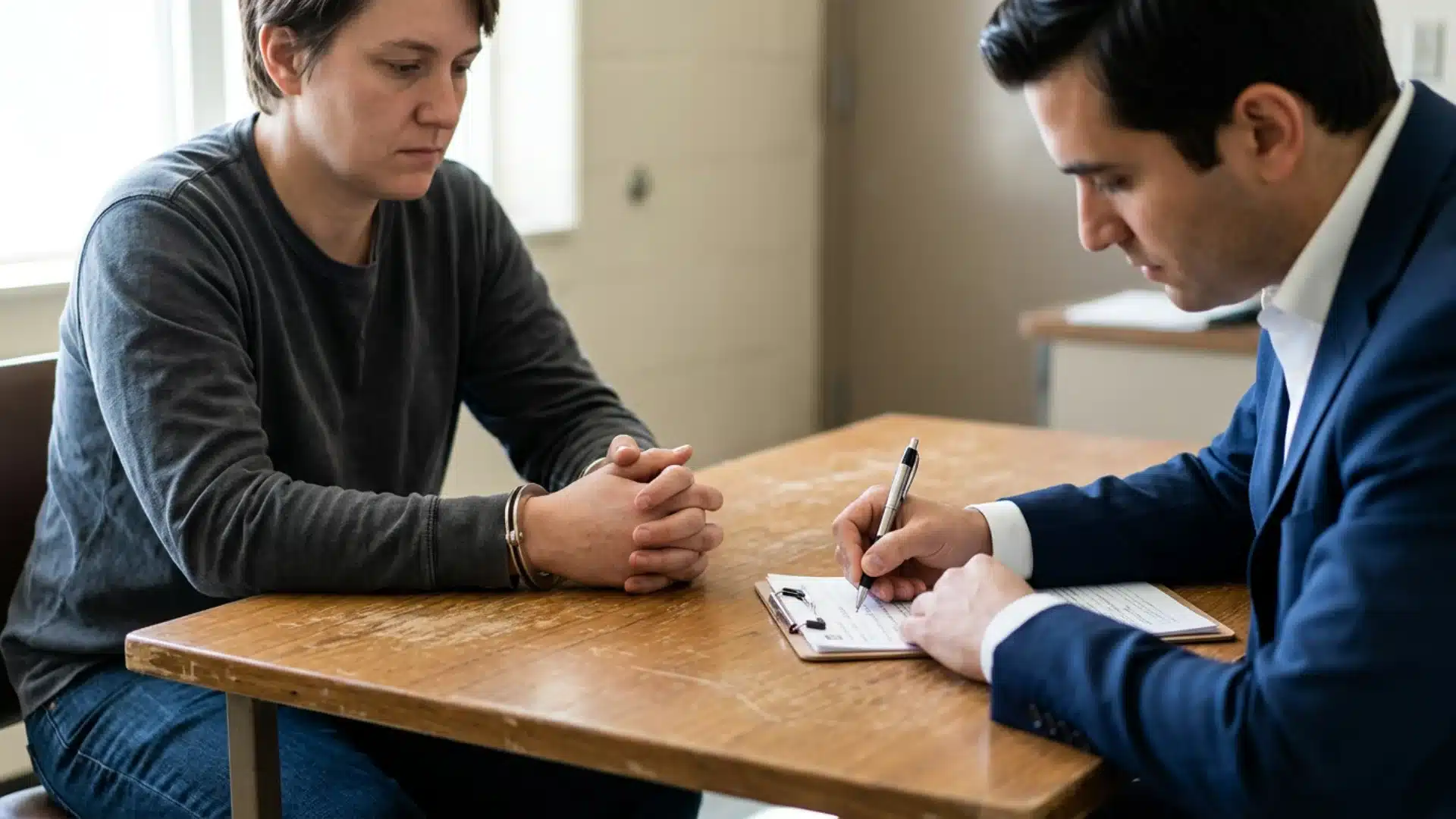
Can you drink on probation? The answer depends on the conditions set by the court, not just the fact that you’re on probation.
While some people on misdemeanor probation may be allowed to drink, others can face serious consequences for even a single drink if alcohol is prohibited.
I used to think probation rules worked the same for everyone until I realized they vary from case to case. Two people with different offenses can leave the same courthouse with completely different restrictions.
That’s why it’s important to understand how probation conditions work, when alcohol restrictions are commonly imposed, and what the consequences of a violation can be.
Who Decides If You Can Drink on Probation?
Whether you can drink on probation depends on the conditions set by the court.
Each probation order is different, so some people, especially those on misdemeanor probation, may have no alcohol restrictions, while others may be banned from drinking entirely.
The judge sets these conditions at sentencing, often based on the offense, criminal history, and any substance abuse concerns. If alcohol played a role in the case, such as a DUI or assault, restrictions are more likely.
Under 18 U.S.C. § 3563(b)(7), federal courts can limit or prohibit alcohol use, and state courts have similar authority.
Your probation order is the key document. If it bans alcohol, drinking can lead to a violation. If it is unclear, check with your probation officer or attorney before assuming it is allowed.
Standard Conditions vs. Special Conditions
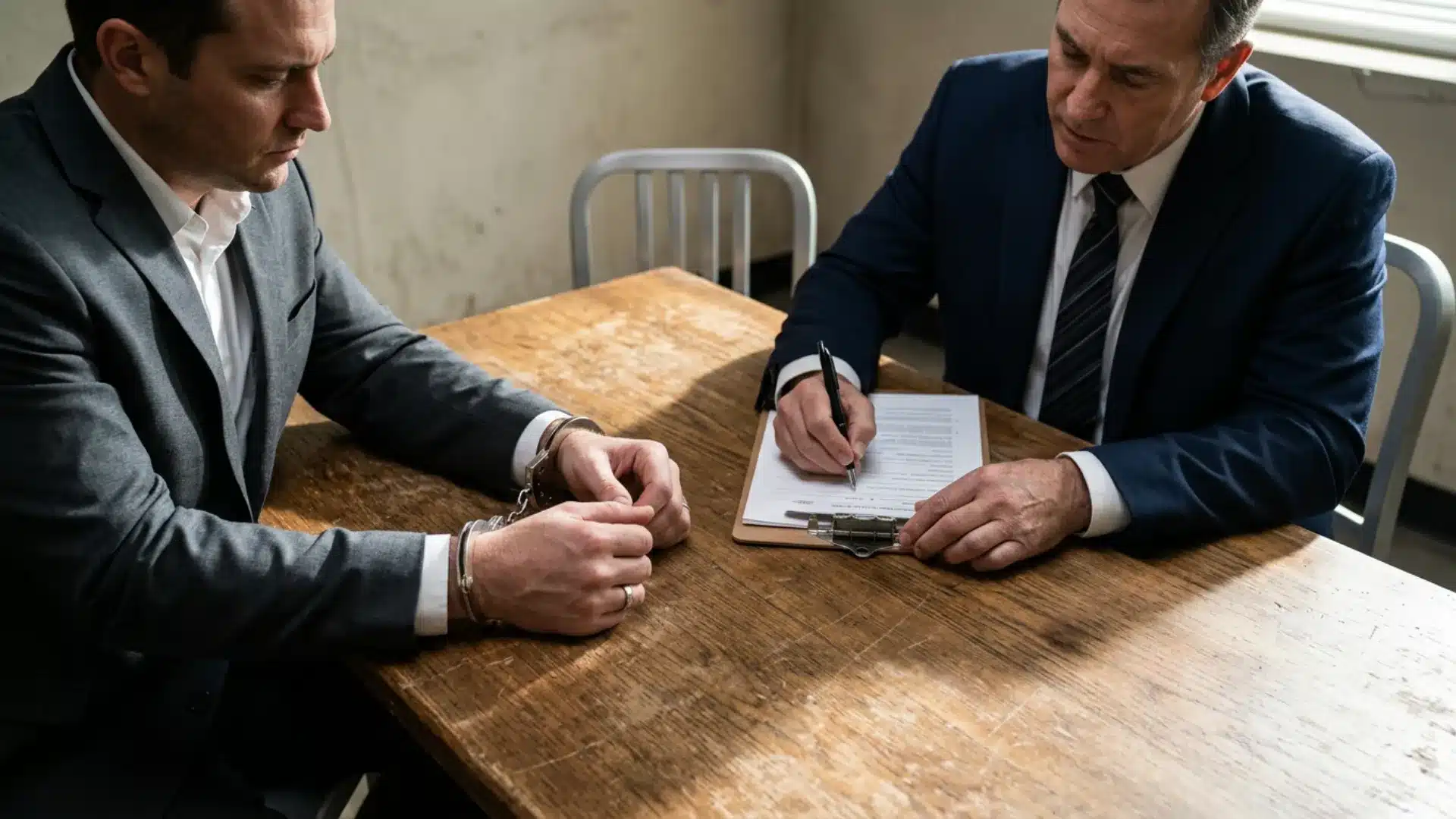
Not everyone on probation has the same restrictions. Courts generally divide probation conditions into standard and special conditions.
Standard conditions are the basic rules that most people on probation must follow.
These typically include obeying the law, reporting to a probation officer, maintaining employment, and staying within approved travel limits.
Special conditions are additional requirements tailored to a person’s offense or criminal history.
Alcohol restrictions usually fall into this category and are most often imposed when alcohol contributed to the offense or when there is a history of substance abuse.
Even if alcohol is not prohibited, drinking that leads to a new offense, such as a DUI or disorderly conduct, can still result in a probation violation.
It is also helpful to understand the difference between probation and parole, as parole often includes stricter alcohol-related restrictions.
When are Alcohol Restrictions Almost Always Required?
In some cases, judges routinely include a no-alcohol condition as part of probation. Common examples include:
- DUI or DWI Convictions: Alcohol-related driving offenses almost always include an alcohol ban. The New York State Division of Criminal Justice Services states that people on probation for DWI must abstain from alcohol, even if they are not driving.
- Domestic Violence Cases: If alcohol contributed to the incident, judges often prohibit drinking during probation.
- Substance Abuse Treatment: If your sentence includes a treatment or rehabilitation program, avoiding alcohol is typically a required condition.
- Under Age 21: Even if your probation order does not restrict alcohol, anyone under 21 is still prohibited from drinking under state law.
Disclaimer: This article provides general legal information and is not legal advice. Probation conditions vary by case and jurisdiction. For guidance about your specific probation terms, consult a licensed attorney in your state.
Can You Go to a Bar or Buy Alcohol on Probation?
This is a gap most people don’t think about until it’s too late. Some probation orders restrict not just drinking but being in places where alcohol is the primary business, such as bars, taverns, nightclubs, and liquor stores. You can violate probation by entering one, even if you only order water.
Restaurant rules are usually more lenient. A family restaurant with a bar section is generally acceptable as long as you sit in the dining area and don’t drink.
A dedicated sports bar or lounge where food is secondary to alcohol sales is often off-limits, regardless of what you order.
Whether venue restrictions apply to you depends entirely on your specific order.
If yours doesn’t address the issue explicitly, ask your probation officer before going anywhere that primarily serves alcohol. The answer takes one phone call. A violation doesn’t.
Misdemeanor Probation and Alcohol: How it Works
Misdemeanor probation is generally less restrictive than felony probation. It often involves shorter supervision periods, fewer mandatory conditions, and, in some cases, minimal or no reporting requirements.
If your conditions prohibit alcohol, drinking can lead to a probation violation, even for a minor offense.
Judges commonly impose alcohol restrictions when the underlying misdemeanor involved drinking or when the defendant has a history of alcohol-related offenses.
For first-time misdemeanors with no connection to alcohol, judges are generally less likely to impose a no-alcohol condition, although they still have the discretion to do so.
If you’re unsure whether alcohol is allowed, ask your probation officer or attorney before making assumptions. Getting clarification early can help you avoid unnecessary violations.
How Probation Officers Monitor Alcohol Use
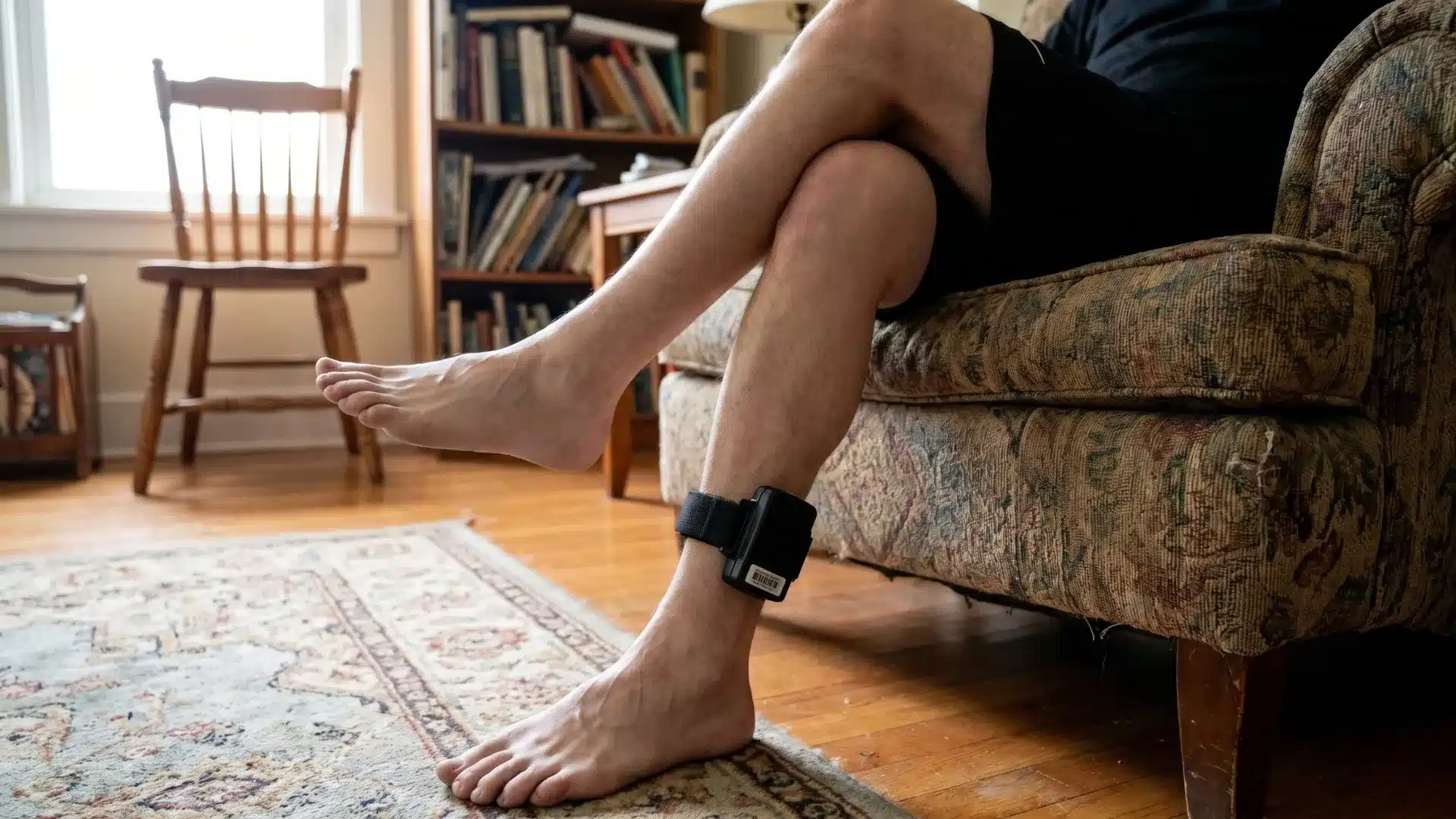
If your probation includes an alcohol restriction, probation officers have several ways to monitor compliance.
They don’t need to witness you drinking; testing can detect alcohol hours or even days later.
- Urine Tests (EtG/EtS): Detect alcohol metabolites for up to 80 hours after drinking. These tests are highly sensitive and may also detect alcohol from products like mouthwash or hand sanitizer.
- Breathalyzer Tests: Used during scheduled check-ins or unannounced visits to measure the current blood alcohol level. Similar to field sobriety testing methods used during traffic stops, these give officers an immediate reading.
- SCRAM Bracelets: These ankle monitors test perspiration for alcohol every 30 minutes and are commonly required in DUI and high-risk cases.
- Blood Tests: Less common, typically used when impairment is suspected in connection with a new incident.
Probation officers may also note signs of intoxication, such as the smell of alcohol or impaired behavior, although formal testing is usually used to confirm a violation.
According to the U.S. Courts’ substance abuse testing guidance, compliance may also be monitored through random breath tests and information from people who regularly interact with the individual.
What Counts as a Probation Violation?
Probation violations generally fall into two categories: technical and substantive.
A technical violation happens when you break a probation condition without committing a new crime, such as drinking alcohol despite a no-alcohol order, missing a meeting with your probation officer, or failing to report an address change.
A substantive violation occurs when you commit a new criminal offense while on probation, such as a DUI. Courts typically treat substantive violations more seriously because they involve new criminal conduct rather than a breach of probation rules.
When a probation officer believes a violation has occurred, they can file a petition with the court. A judge may then issue a warrant, leading to a probation revocation hearing.
Unlike a criminal trial, this hearing uses the lower preponderance of the evidence standard, and the judge alone decides whether a violation occurred.
Possible Consequences of a Probation Violation
The outcome depends on the seriousness of the violation, your compliance history, and the judge’s discretion.
- Warning or no action for a first or minor technical violation.
- Modified probation terms, such as stricter conditions, additional check-ins, or mandatory alcohol treatment.
- Extended probation to allow additional supervision.
- Short-term jail time followed by continued probation.
- Full probation revocation, requiring you to serve the original suspended jail or prison sentence.
If a judge signs a warrant after a violation report is filed, it becomes active immediately. Understanding what a bench warrant means can help you respond quickly and avoid unexpected arrest.
When to Seek Guidance About Your Probation?
Not every situation involving alcohol or probation has a straightforward answer. If you’re uncertain whether a particular action could violate your probation conditions, don’t rely on assumptions or advice from friends.
A quick conversation with your probation officer or attorney can often prevent a minor concern from becoming a formal violation.
This is especially true after any change in your circumstances, such as a new criminal citation, a missed check-in, a positive alcohol test, or a modification to your probation terms.
Addressing questions early is almost always the safer approach, as resolving uncertainty before a violation occurs is much easier than defending yourself once formal proceedings have begun.
Common Mistakes to Avoid
Many probation violations occur due to misunderstandings rather than intentional misconduct.
Knowing the most common mistakes can help you stay compliant and avoid unnecessary violations. Some of the most common mistakes include:
- Assuming all probation terms are the same. Conditions vary by case, so what applies to someone else may not apply to you.
- Thinking private drinking is allowed. If alcohol is prohibited, the restriction applies everywhere, including your home or private events.
- Ignoring incidental alcohol exposure. Products like mouthwash, hand sanitizer, certain medications, and some foods can affect sensitive alcohol tests.
- Believing misdemeanor probation is less serious. Even minor violations can lead to stricter conditions, jail time, or revocation.
- Waiting to address a potential issue. Missing a check-in or testing positive should be handled immediately, not ignored.
- Relying on advice from friends instead of professionals. Every probation order is different, and incorrect advice can lead to costly mistakes.
Conclusion
If there’s one thing I’d want anyone on probation to remember, it’s this: never assume you know the rules. Whether you can drink on probation depends entirely on the conditions imposed by the court.
Some people can legally drink, while others risk a violation from a single drink. I’ve found that most confusion starts when people rely on advice from friends or online discussions instead of confirming the rules that apply to their own case.
Taking the time to understand your probation conditions can help you avoid serious consequences later. When you’re unsure, choose the safer option and ask your probation officer or attorney before acting.
If you still have questions about your probation conditions or a possible violation, drop a comment below.
Frequently Asked Questions
Can Probation Conditions Be Changed to Allow Drinking?
Yes. A court can modify probation conditions before your probation ends. If the alcohol restriction is no longer necessary, your attorney can request a modification, but approval is entirely up to the judge.
Does Drinking at Home Count as a Probation Violation?
Yes. If your probation order prohibits alcohol, it applies everywhere, including your home, private parties, and family gatherings. The location does not change the restriction.
What if I Test Positive for Alcohol without Drinking?
EtG tests can sometimes detect alcohol from products like mouthwash, hand sanitizer, certain medications, or foods. If you believe your positive result came from incidental exposure, document what you used and speak with an attorney as soon as possible.
Can a First Probation Violation Lead to Jail?
Yes, but it depends on the violation. A first technical violation may result in a warning or stricter probation terms, while a new criminal offense, such as a DUI, can lead to jail time or probation revocation, even if it is your first violation.