
ABOUT THE AUTHOR



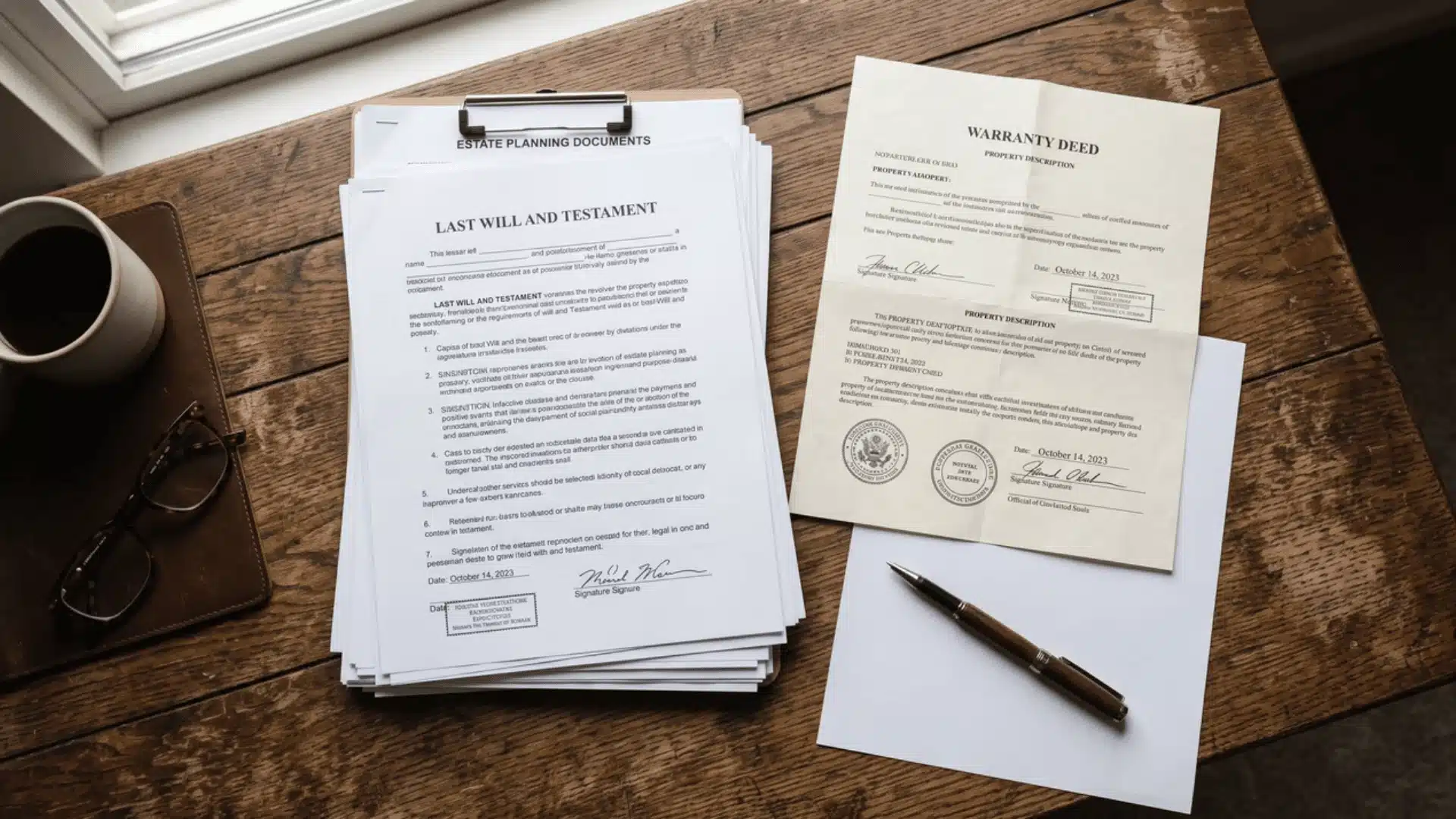
You’ve probably heard people use “will” and “trust” like they mean the same thing. Maybe a friend mentioned setting one up, or you saw an ad promising to help you “avoid probate,” and weren’t sure what that meant for your situation. The will vs trust confusion is common, and it’s worth clearing up before you commit to either one. Estate planning attorneys see this mix-up often, usually after someone has signed paperwork that does not do what they assumed it would. The right setup depends on your family, what you own, and how you want things handled while you’re still around. Start with what each document actually does, then see how it holds up in your situation. What are a Will and a Trust? A will and a trust both decide what happens to your stuff. The big difference is timing. A will only kicks in after you die. It names who gets what, and it names guardians for your kids. Getting there means going through probate, which is a court process. A trust works differently. It’s a legal setup that can manage your assets while you’re alive and hand them off after you die. Assets in a trust can skip probate entirely. Here’s the catch. A trust only protects what’s actually inside it. If you sign the trust paperwork but never move your house or accounts into it, that property isn’t covered. It still goes through probate like it would with a will. Types of Trusts Not all trusts work the same way. The one you choose affects how much control you keep and what protection it offers. Revocable Trust Most people default to a revocable living trust, and for good reason. It lets you change the terms, add assets, or cancel it entirely while you’re alive. For most […]
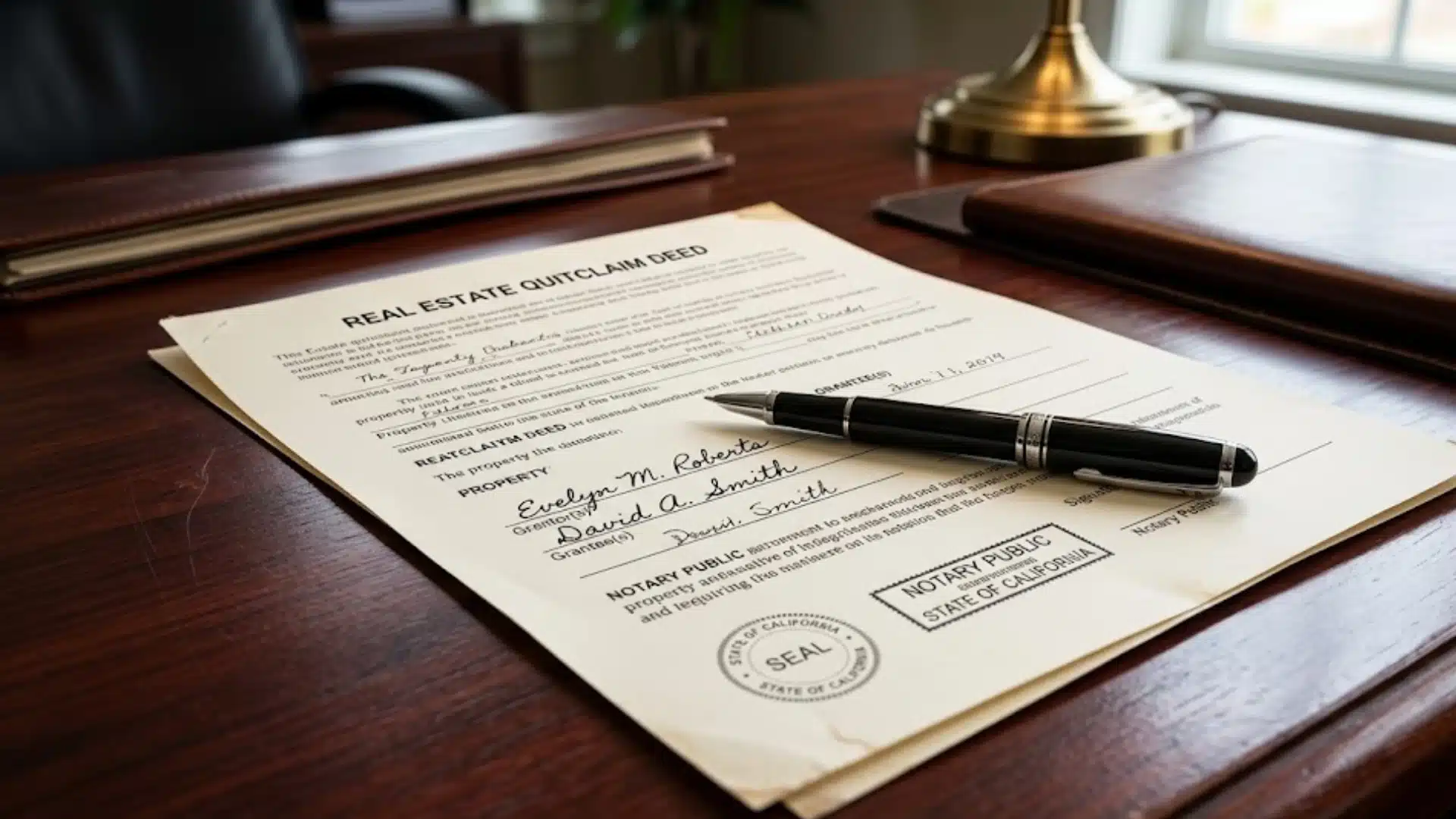
A property transfer can feel simple until the wrong deed creates a problem you did not expect. If you are asking what a quitclaim deed is, the key thing to know is that it transfers only the ownership interest a person may have. It does not promise that the title is clear, complete, or free from liens. That makes it useful in some trusted transfers, but risky in others. I will explain how this deed works, why people call it a quick deed, what it does not protect, and when another deed may be safer. First, let us look at what a quitclaim deed actually means. Note: This article provides general information only and is not legal advice. Property laws and deed requirements can vary by state, so consider speaking with a qualified real estate attorney or local professional before transferring property. What is a Quitclaim Deed? A quitclaim deed transfers whatever ownership interest a person has in a property without guaranteeing that the ownership is valid or free from problems. The person transferring the interest is called the grantor. The person receiving it is the grantee. Unlike other property deeds, a quitclaim deed does not include a covenant of title. This means the grantor is not promising that they fully own the property or have the legal right to transfer it. The grantee accepts the property interest with all existing risks. If ownership is incomplete, disputed, or connected to unpaid liens, the grantee usually cannot hold the grantor responsible. That is why quitclaim deeds are commonly used between people who already know and trust each other. Is a “Quick Deed” the Same Thing as a Quitclaim Deed? Yes, “quick deed” is an informal term people commonly use when they mean a quitclaim deed. It is not a separate legal […]

Getting sick from contaminated food is distressing enough without navigating the legal process alone. A food poisoning lawyer exists to handle exactly that investigative and legal burden for you. These cases are more evidence-dependent than people expect. Proving that a specific food source caused your illness requires medical records, lab results, and a documented timeline working together. What many people do not realize is how quickly the window to build a strong case closes. The actions taken in the first 48 hours often determine whether a claim is viable at all. Reading through what follows will give you a clear picture of how these cases work, what attorneys actually do, and exactly what you need to protect your legal options. Disclaimer: This content is for informational purposes only and does not constitute legal advice. Always consult a licensed attorney for guidance specific to your situation. What Does a Food Poisoning Lawyer Actually Do? A food poisoning lawyer does far more than what a personal injury lawyer typically handles in a general sense. Their core job is building a chain of evidence that proves a specific food source caused your specific illness. The assumption is that finding a lawyer is the hard part. It is not. Proving causation is where these cases are won or lost, and that is exactly what these attorneys are trained to do. They dig into lab results, health department inspection records, and CDC outbreak reports to trace a pathogen like Salmonella or E. coli back to its source, whether that is a restaurant kitchen or a supplier. When your illness is tied to a confirmed outbreak, that investigative work becomes significantly easier because health authorities have already begun connecting the dots on your behalf. Can You Actually Win a Food Poisoning Lawsuit? Winning a food poisoning […]

A child in juvenile detention can’t simply leave when something feels unsafe. They depend on facility staff for protection, supervision, and access to help. Parents expect their children to be treated fairly and kept safe while in custody. Yet abuse can happen behind locked doors, sometimes involving the very people responsible for their care. When that happens, families may have questions that go beyond the person who caused the harm. Were there earlier complaints? Did supervisors know something was wrong? Could better supervision have prevented what happened? In some circumstances, victims and their families may have grounds to take legal action against the detention center or those responsible for running it. When Abuse Can Lead to a Lawsuit Against the Facility A juvenile detention center may face a civil lawsuit when abuse occurs, and there are legal grounds to hold the facility or its operators responsible. This could involve employee misconduct, inadequate supervision, or failure to protect children from known dangers. Still, an incident of abuse doesn’t automatically establish the facility’s legal liability. Consider a detention center that receives several complaints about an employee’s inappropriate behavior. The complaints aren’t investigated, and the employee continues working with children. If another child is later harmed, the facility’s handling of those earlier warnings could become an important issue in a civil case. Who operates the center also matters. Privately run facilities and government institutions may be subject to different rules, particularly regarding lawsuits and legal protections. Claims against public agencies can involve governmental immunity, special filing requirements, and other restrictions. These differences affect who can be sued and what a victim must prove. The conduct or failures of those responsible must provide a valid legal basis for a claim. What Detention Centers Must Do to Protect Children Juvenile detention centers must take reasonable […]
A nursing home resident falls while trying to reach the bathroom alone. Another develops a sore on their heel that goes unnoticed until it becomes infected. For their families, the immediate concern is getting them the care they need. But once the crisis has passed, a difficult question often comes up: could someone have prevented this? Age and illness bring genuine health risks, even in well-run facilities. A fall or infection doesn’t necessarily mean anyone was careless. Still, some injuries happen or worsen because staff miss warning signs, fail to follow care plans, or delay treatment. The difference matters when families are trying to understand whether their loved one received appropriate care. An Injury Doesn’t Always Mean Neglect Older nursing home residents may have fragile bones, limited mobility, or medical conditions that make them more vulnerable to injury. Someone with osteoporosis might suffer a fracture from a fall, while a resident with a weakened immune system could develop an infection despite receiving treatment. Even careful nursing homes can’t prevent every complication. They can take reasonable precautions based on each resident’s needs. That means assessing risks, developing appropriate care plans, and making sure staff understand what assistance is required. Consider a resident whose care plan requires help moving from bed to wheelchair. If staff repeatedly leave them to manage alone and they’re injured, that could raise concerns about neglect. The circumstances would be different if the injury occurred despite staff providing the required assistance. The distinction comes down to the care that was needed, what the facility actually provided, and whether a failure contributed to the injury. When Nursing Home Care Falls Short Many nursing home residents depend on staff for tasks most people take for granted. Getting out of bed, bathing, eating, and moving from a bed to a wheelchair […]
When a marriage ends, the money side of things rarely ends with it. Shared debt can outlast the relationship by years, partly because the people who agree to divide it and the people who collect it are not the same. A judge can decide who should pay, but lenders follow the contracts that were signed when each account was opened. Knowing how those two systems work, and where they clash, is the best way to protect yourself. The process is easier to handle when you look at it in stages: before you file, while the case is open, when the court divides the debt and after the decree is signed. The Core Problem: Two Sets of Rules Every debt in a divorce is governed by two separate agreements. One is the settlement or court order between you and your spouse. The other is the original contract between the borrowers and the lender. Most of the trouble people run into comes from treating these as one thing. What the Court Can Do A family court can assign each debt to one spouse or split it between you. It can order your ex to pay a certain card or take over a car loan. If they don’t follow through, you can go back to court and ask a judge to enforce the order. What the Court Can’t Do The court can’t rewrite your contract with a lender. If both of your names are on an account, the lender can still collect the full balance from either of you, whatever the decree says. Missed payments will show up on both credit reports. This is why a fair settlement on paper can still leave you exposed in real life, and why the steps you take before and during the case matter so much. Before […]