
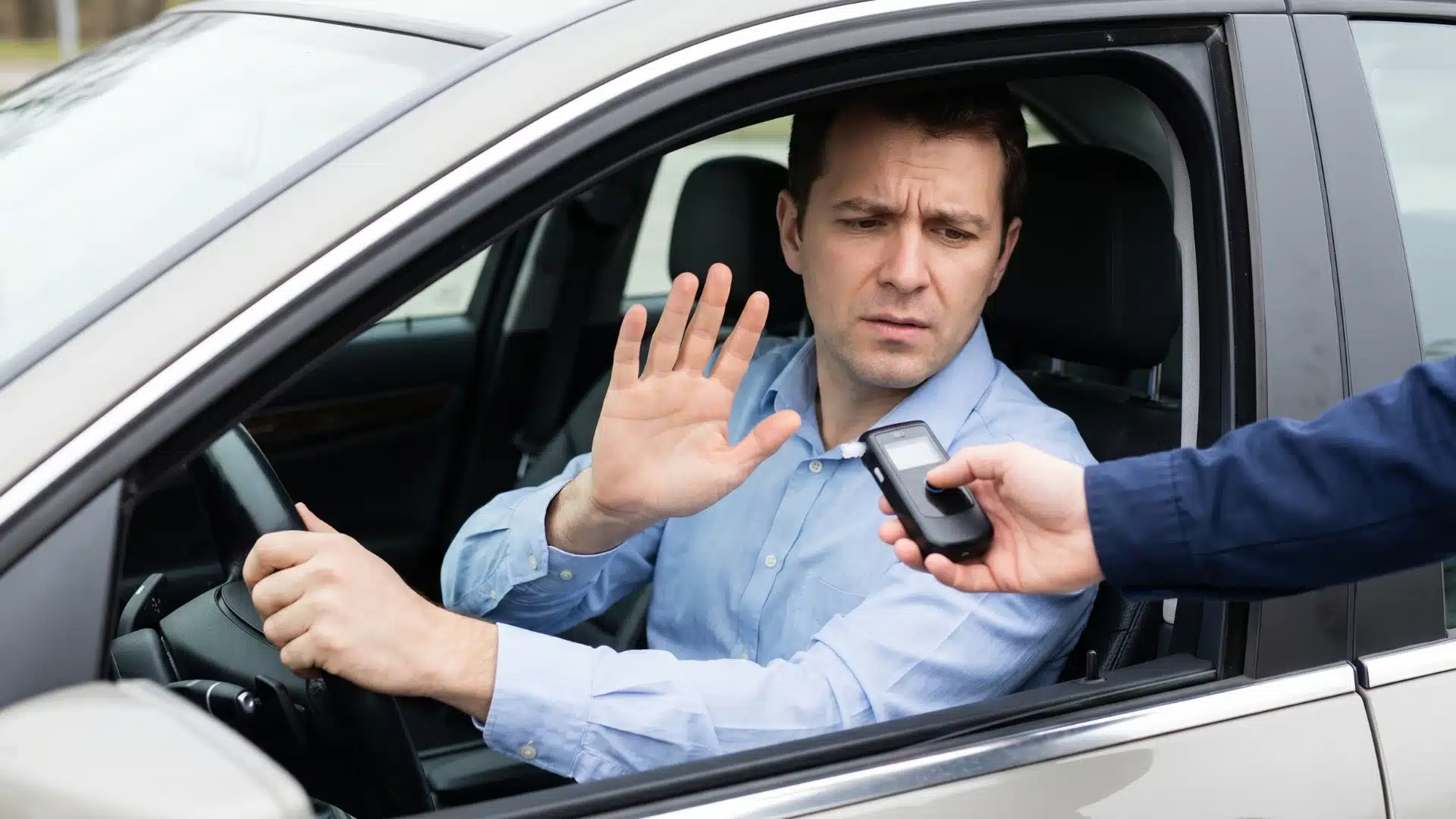
Most drivers don’t realize they may have already agreed to chemical testing long before a traffic stop ever happens.
Under the implied consent law, simply obtaining a driver’s license can create a legal obligation to submit to certain tests when law enforcement has reason to suspect impaired driving.
Refusing a test doesn’t automatically protect you from consequences; in many cases, it can lead to penalties of its own.
I was surprised to learn that this agreement isn’t usually something drivers actively sign at the roadside. Instead, the consent is tied to the privilege of driving.
Understanding how implied consent works and what happens after a refusal can help you avoid unexpected legal consequences and make informed decisions if you’re ever stopped by police.
What Does the Implied Consent Law Actually Mean?
Implied consent is permission that isn’t given verbally or in writing but is assumed based on a person’s actions.
According to the Cornell LII, when you obtain a driver’s license or drive in a state with an implied consent law, you are considered to have already agreed to chemical testing for alcohol or drug impairment.
Unlike express consent, which is given directly through words or a signature, implied consent is inferred from your decision to drive on public roads.
In other words, the law treats driving as an advance agreement to cooperate with certain tests when law enforcement has legal grounds to request them.
What Types of Testing Does It Cover?
- Breath tests: Measure BAC through exhaled air.
- Blood tests: Often used when drug impairment is suspected.
- Urine or saliva tests: Common in some drug-related DUI investigations.
A common misconception is that implied consent applies to roadside field sobriety tests. In most cases, those tests are voluntary. Implied consent generally applies to formal chemical testing after a lawful arrest.
While implied consent laws exist nationwide, the specific testing requirements, penalties, and driver rights vary from state to state.
How Does Implied Consent Work at a Traffic Stop?
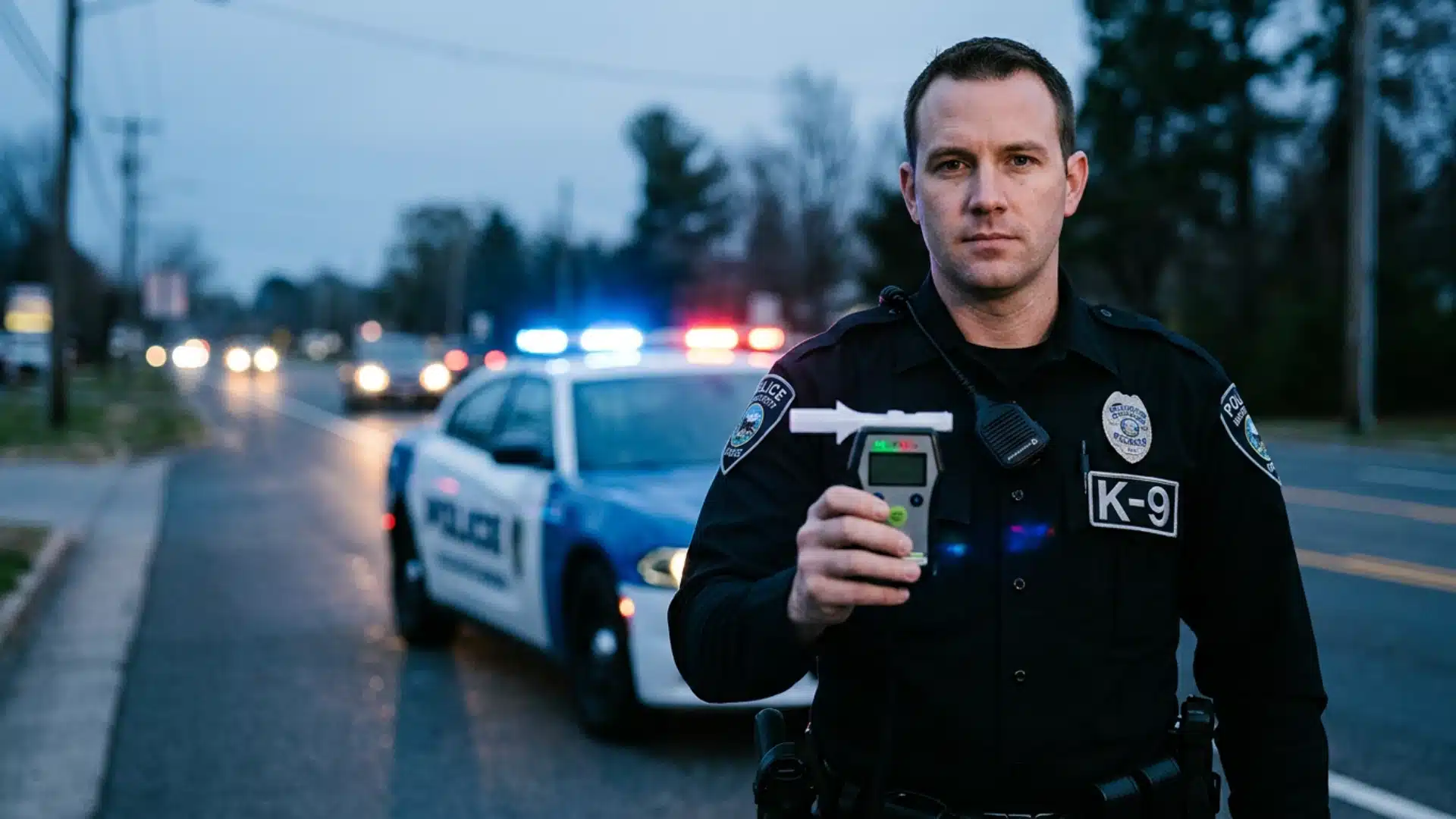
The process is more structured than many drivers realize. It begins when an officer has probable cause to stop a vehicle, such as a traffic violation, erratic driving, or involvement in an accident.
After the stop, the officer looks for signs of impairment, including slurred speech, bloodshot eyes, or the odor of alcohol.
The officer may then request a preliminary breath test (PBT) or field sobriety test. In most states, these roadside tests are voluntary and generally not covered by implied consent laws.
If the officer makes a lawful DUI arrest, implied consent takes effect. At that point, you can be required to take a chemical test, usually a breath or blood test, and refusing can trigger legal penalties.
What Happens if You Refuse a Chemical Test?
Refusing a chemical test is a legal choice, but it usually comes with serious consequences. In most states, refusal is treated as a separate violation, even if you are never convicted of DUI.
According to the NHTSA, drunk-driving crashes killed 12,429 people in 2023. Refusal penalties exist because many drivers asked to take BAC tests choose not to, making enforcement harder.
Common consequences include:
- Automatic License Suspension: Often at least 12 months for a first refusal, applied administratively before any court conviction.
- Evidence of Guilt: Your refusal can be used in court to suggest you believed you were impaired.
- Harsher Penalties than Failing: In many states, refusing can lead to stricter consequences than testing over the legal limit.
- Criminal Charges in Some States: Repeated refusals may be treated as a criminal offense rather than a civil violation.
Your Fourth Amendment Rights and Chemical Testing
The 2016 Supreme Court case Birchfield v. North Dakota is one of the most important rulings on implied consent and drivers’ constitutional rights.
The Court examined whether states could criminally punish drivers who refuse BAC testing after a lawful DUI arrest. Its decision drew a clear distinction between breath and blood tests under the Fourth Amendment.
Because breath tests are minimally intrusive and reveal only BAC, states can generally require them after a lawful arrest and may criminalize refusal.
Blood tests, however, are more invasive because they involve piercing the skin and collecting a biological sample. As a result, police usually need a warrant to compel a blood draw if a driver refuses.
In practical terms:
- States can criminalize refusal of a breath test after a lawful DUI arrest.
- States generally cannot impose criminal penalties for refusing a blood test.
- Refusing a blood test may still trigger civil penalties, such as license suspension.
- Police typically need a warrant to force a blood draw after a refusal.
The key takeaway is that drivers do not have an unlimited right to refuse testing. The legal consequences depend on whether the requested test is a breath test or a blood test.
How Colorado’s Expressed Consent Law Works
Colorado goes a step beyond traditional implied consent laws. In 1983, the state replaced implied consent with an expressed consent statute, now codified at C.R.S. § 42-4-1301.1.
Under this law, anyone who drives in Colorado is legally deemed to have expressly consented to chemical testing when required.
While the practical result is similar to implied consent, the legal framing is different. Rather than assuming agreement through conduct, Colorado treats drivers as having already given express consent, making challenges based on lack of consent more difficult.
Under Colorado’s law:
- Alcohol-Related Offenses: Drivers suspected of DUI, DUI per se, DWAI, or UDD must take a breath or blood test. Drivers 21 and older can generally choose the test type. Testing must be completed within two hours of driving.
- Drug-Related Offenses: If drug impairment is suspected, the officer may require a blood, urine, or saliva test. The driver does not choose the test.
- Unconscious Drivers: Under C.R.S. § 42-4-1301.1(8), drivers who are unconscious or deceased may be tested without additional consent.
Importantly, roadside preliminary screening tests are separate from the evidentiary chemical tests required under Colorado’s express consent law.
Colorado Refusal Consequences & the DMV Process
Refusing a chemical test in Colorado carries specific administrative consequences, which are tracked by the Colorado Department of Revenue.
According to the CDOR express consent page, the revocation periods for refusal are as follows:
| Offense | Revocation length | Mandatory no-driving period |
|---|---|---|
| 1st refusal | 12 months | 2 months |
| 2nd refusal | 24 months | 2 months |
| 3rd refusal | 36 months | 2 months |
After a refusal, drivers must typically install an ignition interlock device for two years after license reinstatement. They must also complete a Level II Alcohol Education program, and SR-22 insurance may be required.
Importantly, refusal is handled through an administrative DMV process, not criminal court. This means your license can be revoked even if you are never convicted of DUI.
The DMV hearing and criminal case proceed separately, and a valid refusal finding can result in revocation regardless of the criminal outcome.
Commercial drivers face stricter consequences. A first refusal results in a one-year revocation of commercial driving privileges, while a second refusal leads to lifetime disqualification. No probationary commercial license is available.
Special Rules for Commercial Drivers & Drivers Under 21
Implied and expressed consent laws apply to all drivers, but commercial drivers and those under 21 face stricter standards and penalties.
Commercial Drivers
Commercial drivers are subject to a federal BAC limit of 0.04%, which is half the legal limit for most passenger vehicle drivers.
Refusing a chemical test can result in an immediate out-of-service order and a one-year CDL revocation. A second refusal may lead to lifetime disqualification from operating a commercial motor vehicle.
Drivers Under 21
Underage drivers are subject to zero-tolerance alcohol laws. In many states, a BAC as low as 0.01% or 0.02% can trigger penalties. Refusal can lead to serious consequences, including license sanctions and long-term effects on insurance rates and driving records.
Because the stakes are higher for both groups, understanding your legal obligations during a DUI stop is especially important.
When to Talk to a Lawyer After a DUI Stop
The first hours after a DUI stop can affect both your license and your criminal case. A lawyer can help you understand your options before you make decisions that are hard to undo.
Legal help is especially important if:
- You Refused a Chemical Test: The DMV deadline to request a hearing starts immediately. Missing it can cause the suspension to activate automatically.
- Your License Was Suspended: You may qualify for a restricted or probationary license for work, school, or medical needs.
- You Face Both DMV and Criminal Proceedings: These are separate cases, and actions in one can affect the other.
- You Believe the Stop Was Unlawful: If there was no valid probable cause, the evidence may be challenged.
Because deadlines move quickly, getting legal advice early can help protect your driving privileges and defense options.
Conclusion
Understanding testing rules can help drivers avoid confusion during a DUI stop.
In many states, driving is treated as consent to chemical testing when an officer has legal grounds to suspect impairment, and refusal can result in swift license penalties, hearing deadlines, and added stress beyond the criminal case.
The key is knowing that breath, blood, and drug testing rules may not work the same way, especially for commercial drivers and drivers under 21.
While this blog post explains the basics of implied consent law, every case depends on the facts, the stop, and the request for testing.
For personal guidance, speak with a qualified DUI attorney. Have questions or thoughts about this topic? Leave a comment below and join the discussion.
Frequently Asked Questions
Does Implied Consent Apply if I’m on Private Property?
It depends on the state. Some implied consent laws apply only on public roads, while others apply more broadly. Even on private property, an officer may still arrest you for DUI if there is probable cause.
Can I Change My Mind After Agreeing to Take a Chemical Test?
Usually, no. If you stop cooperating during the test or fail to provide a usable sample, many states treat that as a refusal.
Will Refusing a Chemical Test Definitely Lead to a DUI Conviction?
No. Refusal does not automatically mean you will be convicted of DUI. However, it can trigger license penalties and may be used as evidence against you in court.
Do Out-Of-State Drivers Have to Follow the Implied Consent Laws Where They Are Stopped?
Yes. The law of the state where you are driving applies. Drivers must follow the consent laws of the state where the stop occurs, regardless of where their license was issued.





