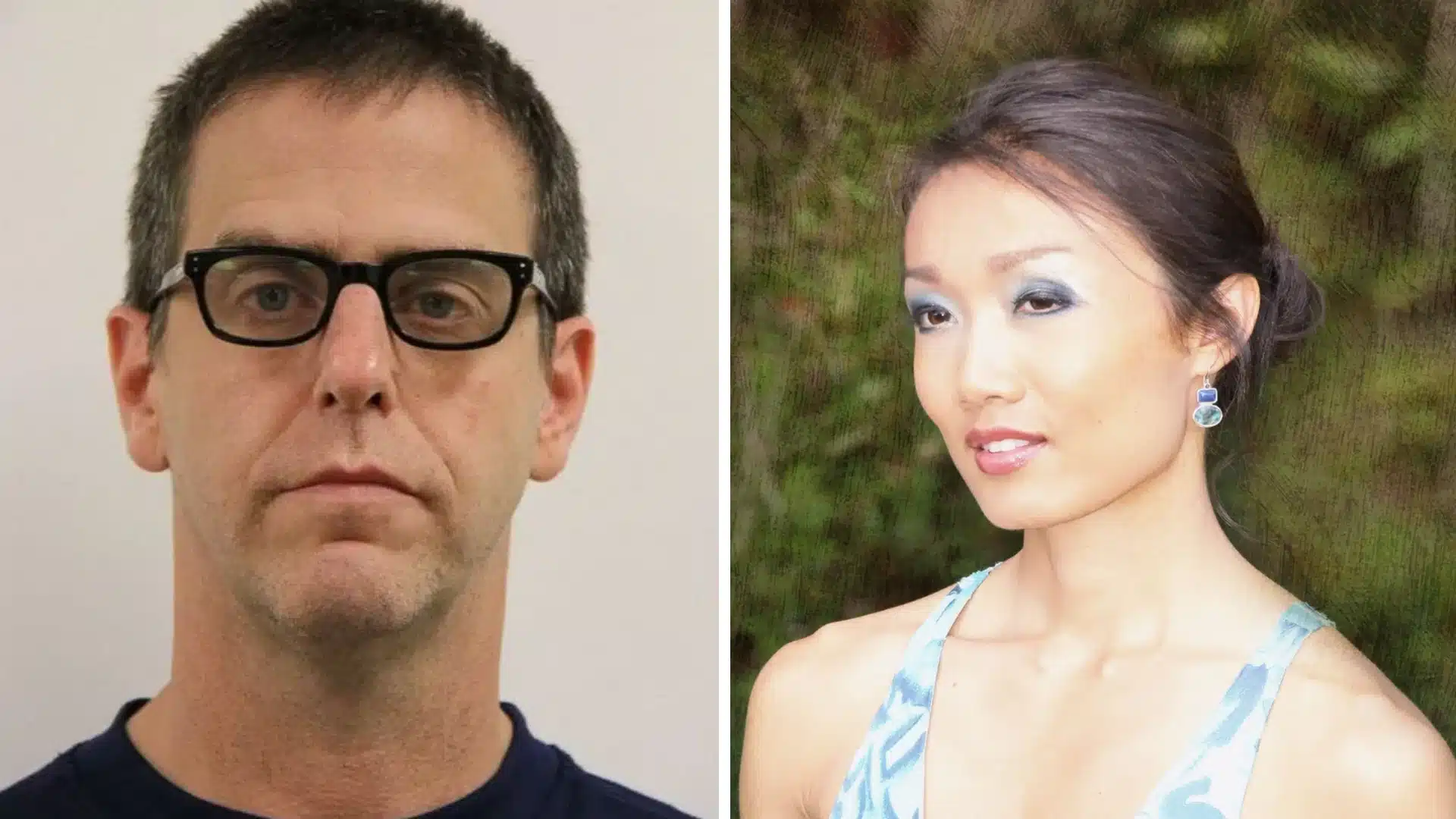
In 2011, at the Spreckels Mansion, many people left asking what really happened. The case gained attention because of its setting, timing, and the questions that followed the official ruling.
In this blog, you will get a clear and simple look at Rebecca Zahau, who she was, what happened before her death, what investigators said, and why the case is still discussed today.
The goal is not to push theories or take sides. It is to lay out the known facts in an easy way.
You will also see how the legal fight, family concerns, and public interest kept her story in the spotlight long after the investigation ended.
Who was Rebecca Zahau?
Rebecca was 32 years old when her name became tied to a case that drew national attention.
She was born in Myanmar and later moved to the United States, where she built a quiet life away from the spotlight.
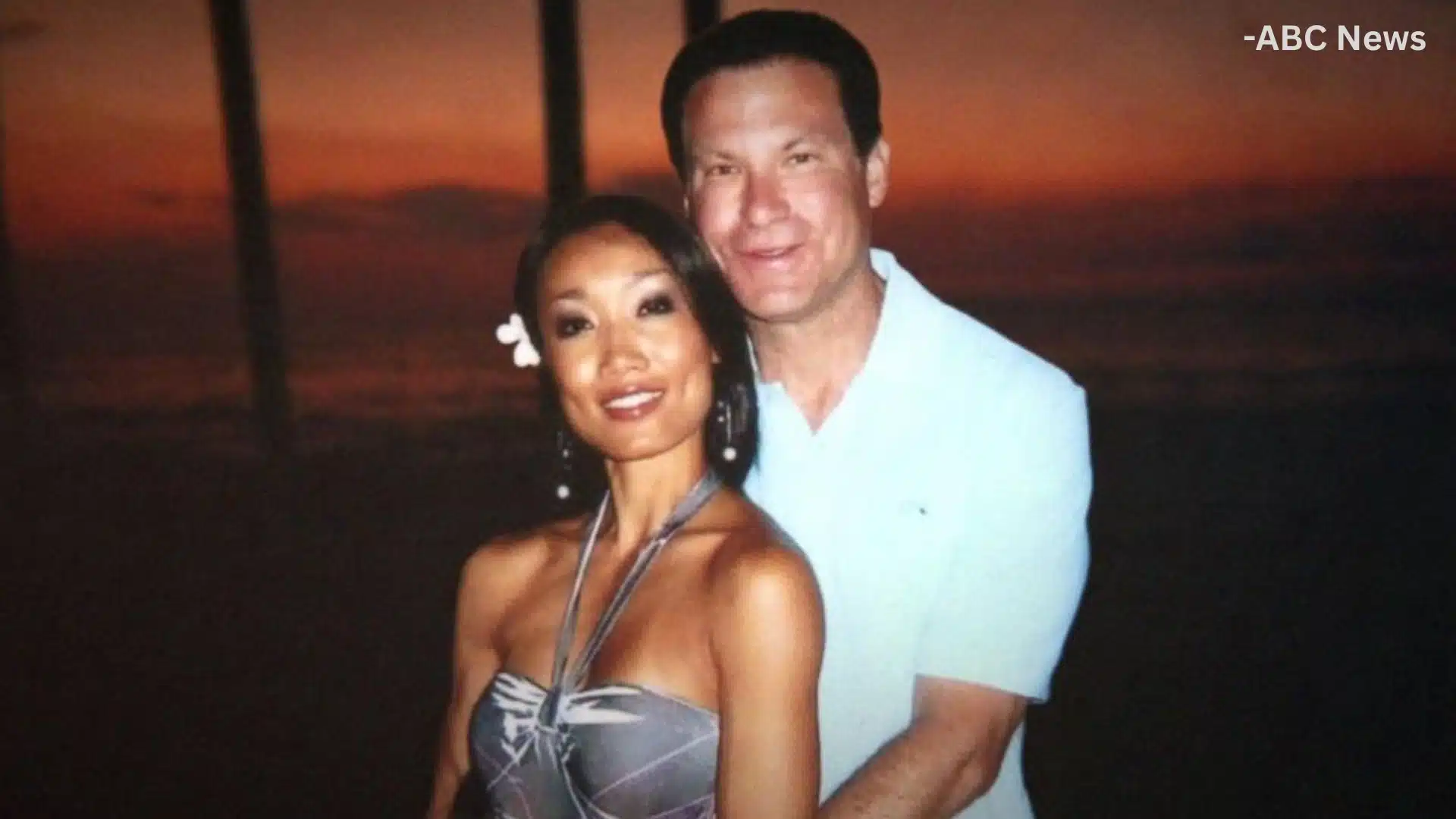
At the time of her death, she was in a relationship with Jonah Shacknai, a wealthy businessman and the founder of Medicis Pharmaceutical.
Their relationship placed her close to his family and his home in Coronado, California.
That home was the Spreckels Mansion, a large historic property with a long past of its own. Rebecca was staying there in July 2011, which is why her death became linked to the mansion.
Before that, she was not a public figure. Most people came to know her only after the strange and sad events that happened inside that home.
What Happened Before Rebecca Zahau’s Death?
Just two days before Rebecca Zahau was found dead, a serious accident happened inside the Spreckels Mansion.
On July 11, 2011, Jonah Shacknai’s 6-year-old son, Max Shacknai, fell from an upstairs staircase at the home in Coronado, California.
Rebecca was at the mansion at the time, along with Max. Jonah was away on a business trip, while his brother, Adam Shacknai, arrived later.
Max suffered severe injuries and was taken to the hospital in critical condition. The accident quickly became tied to Rebecca’s case because of the short time between the two events.
Questions grew after her death, and many people wondered whether the stress and attention surrounding Max’s condition played a role in what happened next.
Authorities later investigated Max’s fall and ruled it an accident.
How was Rebecca Zahau Found?
The events of July 13, 2011, became the turning point in a case that still raises questions and public interest years later.
| Time / Detail | What Happened |
|---|---|
| July 13, 2011 | Rebecca Zahau was found dead at the historic Spreckels Mansion in Coronado, California. |
| Early Morning | The home was quiet after several stressful days following Max Shacknai’s accident. |
| At the Mansion | Adam Shacknai, the brother of Jonah Shacknai, was staying at the property at the time. |
| Discovery | Adam later told investigators that he found Rebecca’s body outside the mansion. |
| 911 Call | After finding her, he placed a 911 call to report the situation to authorities. |
| Police Response | Emergency responders and investigators arrived at the home shortly after the call. |
| Why This Moment Drew Attention | The timing of her death, coming only two days after Max’s fall, quickly turned the case into a major public story. |
| What Followed | Investigators examined the scene, interviewed witnesses, and later released official findings that sparked years of public debate. |
What Investigators Found at the Scene
Rebecca Zahau was discovered naked, hanging from a balcony with a noose around her neck, her ankles bound, wrists tied behind her back, and a blue t-shirt used as a gag.
A message painted in black on the bedroom door read: “She saved him, can you save her?” The rope was secured to a bedpost inside the room, and a small table near the balcony was overturned.
Investigators demonstrated that a person could self-bind their wrists, slipping one hand out and repositioning it behind the back, supporting their suicide ruling.
Cold case expert Paul Holes reviewed the case for Oxygen’s Death at the Mansion: Rebecca Zahau. He noted the elaborate steps required, binding her feet, gagging herself, tying complex knots behind her back, then hopping over the railing.
Holes said the scene had “all the hallmarks of a staged crime scene,” but added that the lack of foreign DNA was not conclusive proof that no one else was present.
Only Zahau’s footprints were found on the balcony; a boot print belonged to an office
What Authorities Said About Rebecca Zahau’s Death?
After investigating the case, San Diego authorities officially ruled Rebecca Zahau’s death a suicide in 2011.
Investigators reviewed evidence from the scene, spoke with witnesses, and examined forensic findings before reaching that conclusion.
The San Diego County Sheriff’s Department later released reports explaining why they believed there was no evidence of homicide.
Even with the official ruling, public debate around the case never fully stopped. Rebecca’s family strongly disagreed with the findings and continued pushing for more answers.
Because of the ongoing attention, the case was reviewed again years later. In 2018, the sheriff’s department completed another review and said the evidence still supported the original ruling of suicide.
Officials stated that the second review did not uncover new evidence that would change the outcome. Even today, the ruling remains one of the most discussed parts of the entire case.
Why Rebecca Zahau’s Case Became So Controversial?
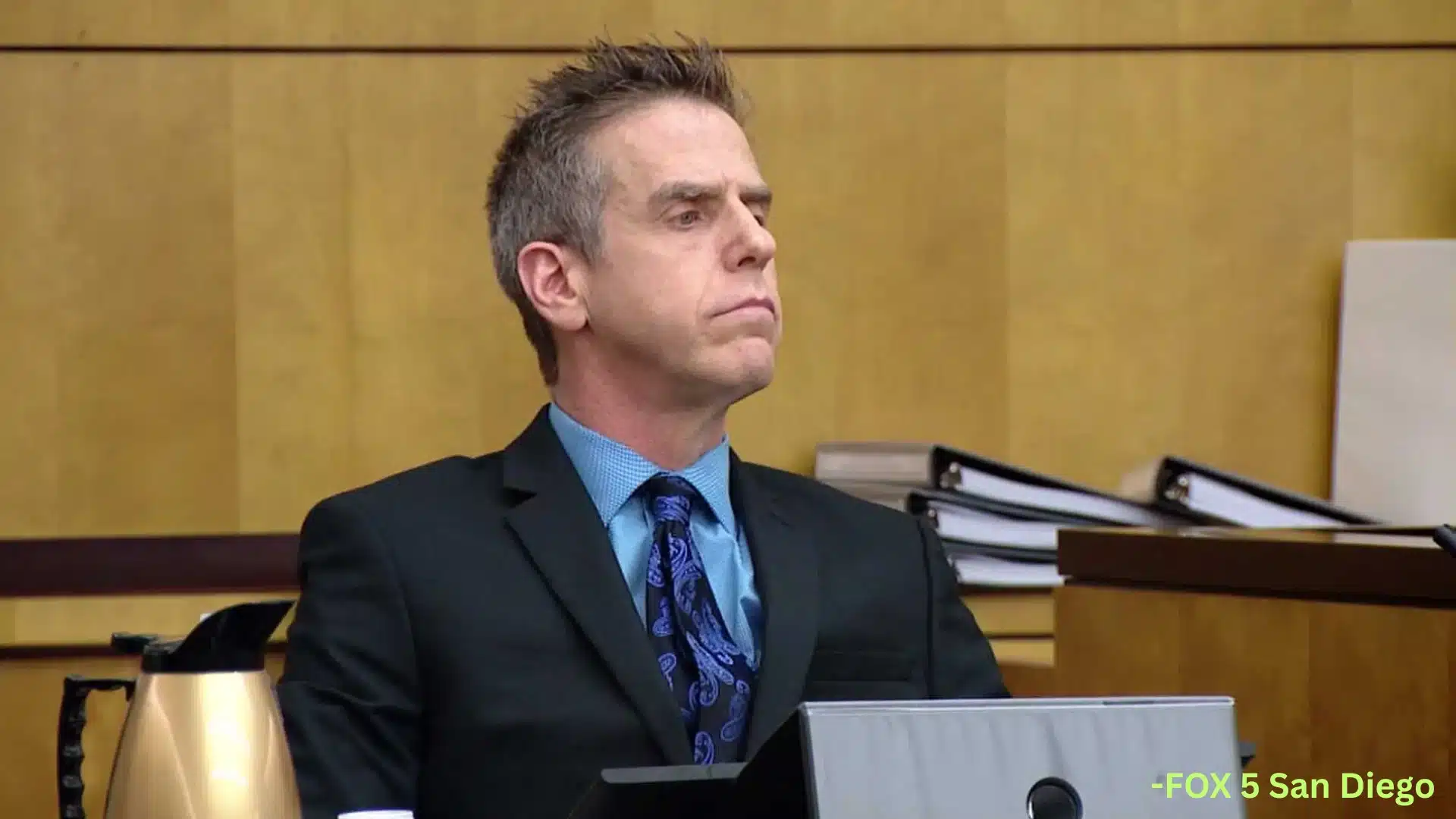
Several details from the investigation kept the case in public discussion and led many people to question the official ruling for years.
- Bound hands and feet: Rebecca was found with her hands and feet tied, which many people felt made the scene difficult to understand.
- Message at the scene: Investigators also found a handwritten message on a bedroom door, which became one of the most talked-about details in the case.
- Timing after Max’s fall: Her death happened only two days after Max Shacknai’s accident, causing many to connect the two events.
- Family disagreement: Rebecca’s family openly rejected the suicide ruling and continued pushing for further investigation and legal action.
- Heavy media attention: The case received constant television coverage, documentaries, and online discussion, which kept public interest alive long after the investigation ended.
The Civil Case and Legal Battle
Rebecca Zahau’s family did not accept the official ruling and later took the case to civil court. They filed a wrongful death lawsuit against Adam Shacknai, arguing that Rebecca’s death was not a suicide.
Unlike a criminal case, the civil trial focused on liability and whether Adam could be held legally responsible for her death.
In April 2018, a San Diego civil jury found Adam Shacknai liable for Rebecca’s death and awarded her family $5.2 million in damages.
Adam continued denying any involvement and challenged the verdict after the trial ended. The legal fight did not fully stop there.
In February 2019, before the appeal was decided, the Zahau family reached a settlement of $600,000.
As part of that agreement, the original $5.2 million judgment was vacated, and the case was dismissed with prejudice.
For context on how wrongful death settlements are calculated and what families typically receive, see our guide on wrongful death settlement amounts.
Rebecca Zahau Update: Recent Developments
Rebecca’s sister, Mary Zahau-Loehner, published the book Unraveling the Knots, in which she details the family’s continued search for justice and presents evidence they believe was overlooked in the original investigation.
Mary revealed that a new witness came forward in 2023, claiming to have heard a man and woman arguing on the night of Rebecca’s death, including phrases to the effect of “hold her still.”
The witness account has not been independently verified, and the San Diego Sheriff’s Department has stated it has no plans to reopen the case.
The Sheriff’s Department maintains that the investigation was fair and thorough, and the Medical Examiner’s ruling of suicide remains unchanged.
Mary, who is battling stage four cancer, has said she will continue advocating for her sister.
Where Does the Rebecca Zahau Case Stand Today?
More than a decade later, the official ruling in Rebecca Zahau’s death still remains suicide. San Diego authorities reviewed the evidence multiple times and said their findings did not support homicide.
Even so, the case continues to draw attention from people who believe important questions were never fully answered.
Rebecca’s family has continued to publicly disagree with the ruling, and many followers of the case still debate the investigation online.
Over the years, the story has been featured in television specials, documentaries, podcasts, and true crime discussions, which helped keep public interest alive.
Much of that attention comes from the unusual details surrounding the case and the legal battle that followed. At the same time, no new official ruling has replaced the original findings.
The case remains a mix of confirmed facts, public debate, and lasting curiosity that still brings people back to the story today.
Conclusion
The case continues to get attention because it sits between official findings and public doubt.
Over the years, people have kept searching for answers about the timeline, the investigation, the civil trial, and the strange details connected to the mansion.
Even though officials ruled the death a suicide and later reviews supported that finding, many people still question whether everything was fully explained.
That ongoing divide is a major reason Rebecca Zahau remains one of the most discussed true crime cases of the last decade.
What do you think keeps this case in public discussion even after so many years? Share your thoughts and opinions in the comments below
Frequently Asked Questions
Was the Spreckels Mansion Already Famous Before the Case?
Yes. The Spreckels Mansion was already well known in Coronado because of its history, size, and connection to the wealthy Spreckels family. After Rebecca Zahau’s death, the property gained even more public attention.
What is the Famous Line From the Book Rebecca?
One of the most famous lines from Daphne du Maurier’s Rebecca is: “Last night I dreamt I went to Manderley again.” The opening sentence became widely recognized in classic literature.
Why Do People Still Search for the Rebecca Zahau Case Today?
Many people continue searching for the case because of the unanswered questions they feel still exist around the investigation. The unusual details, court battle, and years of media coverage have kept public interest active long after the original investigation ended.